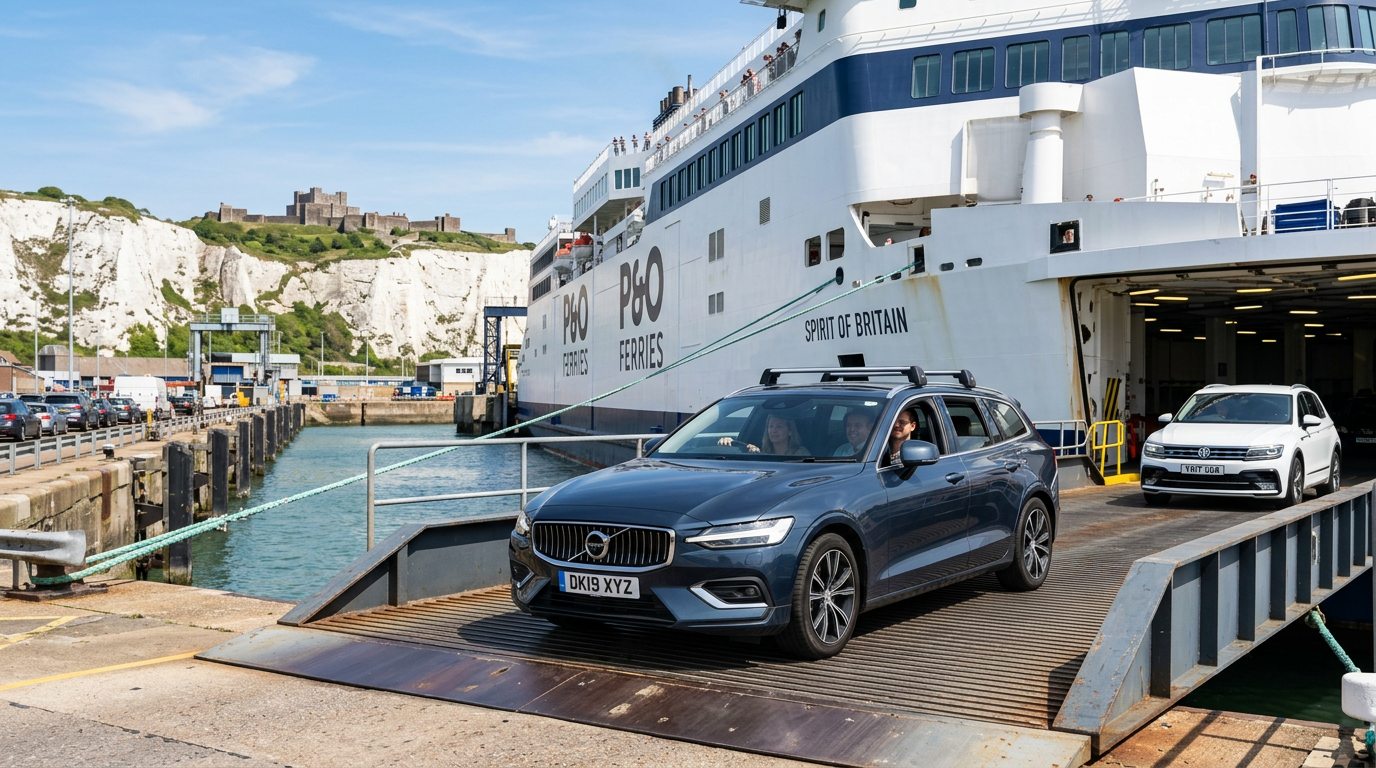
Setting off on a European road trip is an exciting adventure, and choosing the right way to cross the English Channel is the first step. For many travellers, taking the dover to dunkirk ferry with car offers the perfect blend of convenience, value, and a pleasant start to their holiday. This route not only provides a direct link to the heart of the continent but also allows you to travel at your own pace, with all your luggage packed securely in your own vehicle. This comprehensive guide will walk you through everything you need to know for a smooth and enjoyable journey.
Unlike other crossings that can feel rushed, the Dover to Dunkirk route provides a welcome pause. It’s a chance to stretch your legs, enjoy a meal, and gaze out at the iconic White Cliffs as they recede into the distance. Whether you're heading for the historic battlegrounds of northern France, the picturesque canals of Belgium, or the vibrant cities of the Netherlands and Germany, Dunkirk serves as an ideal gateway.
Why Choose the Dover to Dunkirk Ferry Route?
While the Dover to Calais ferry crossing is famously short, the Dover to Dunkirk route holds its own unique appeal for drivers. One of the primary advantages is its strategic location. Dunkirk's port provides excellent and often less congested motorway links to Belgium, the Netherlands, Germany, and further into Eastern Europe. For those travelling north or east, it can significantly cut down on driving time compared to landing in Calais.
Furthermore, the journey on a dover to dunkirk ferry with car is often described as more relaxed. The vessels on this route are well-equipped, and the slightly longer crossing time allows you to properly unwind. It transforms the crossing from a simple transit into a part of the holiday itself. You have ample time to explore the ship, enjoy the onboard facilities, and arrive at your destination feeling refreshed and ready for the drive ahead. Price can also be a deciding factor; depending on the season and how far in advance you book, the Dunkirk route can sometimes offer more competitive pricing, especially for travellers with vehicles.
Essential Preparations for Your Car
Before you head to the Port of Dover, it’s crucial to ensure your car is prepared and you have all the necessary documentation. Travelling to Europe with your vehicle is straightforward, but it requires some planning.
Vehicle Documents and Legal Requirements
First, ensure you have the following documents readily accessible:
- Valid full driving licence: An International Driving Permit (IDP) is not currently required for UK licence holders driving in the EU, but it's always wise to check the latest government advice before you travel.
- Vehicle registration document (V5C): This is essential proof that you own the car.
- Car insurance certificate: Confirm with your provider that you have the minimum third-party cover required for driving in the EU.
Driving Kit for France
To comply with French law, your car must carry specific safety equipment. Failure to have these items can result in on-the-spot fines. Your kit should include:
- UK sticker: Since the "GB" sticker is no longer valid, you must display a "UK" sticker on the rear of your vehicle.
- Headlamp converters: Unless your car’s headlights can be adjusted manually, you will need converters to avoid dazzling oncoming drivers.
- Warning triangle: This must be placed on the road in case of a breakdown.
- Reflective safety jackets: One for each occupant, and they must be kept within the passenger compartment, not in the boot.
Finally, perform basic checks on your car: tyre pressure and tread, oil and coolant levels, and windscreen wash. A quick vehicle health check can prevent any unwelcome surprises on your journey.
The Onboard Experience: From Car Deck to Sea Views
Once you’ve driven onto the ferry and parked as directed by the crew, your short sea voyage begins. You are not permitted to remain in your vehicle during the crossing, so be sure to take everything you need with you to the passenger decks.
The modern ferries operating this route are like floating service stations with a view. You can wander the decks, enjoy the fresh sea air, and watch the busy shipping lanes of the Channel. Inside, you'll find a range of facilities designed to make the journey comfortable and entertaining. For a detailed look at your dining choices, check out our guide to Dover to Dunkirk ferry food options. From cafes serving snacks and coffee to self-service restaurants with full meals, there’s something to suit every taste and budget.
Shopping is another popular onboard activity. You can browse for gifts, souvenirs, and travel essentials. Thanks to the return of duty-free, you can also find deals on alcohol, tobacco, and perfumes. Families are well catered for, with dedicated play areas to keep younger children entertained. For those seeking a quieter journey, some ferries offer premium lounges with complimentary refreshments and comfortable seating for an additional fee.
A Guide to Dover and Dunkirk Ferry Ports
Navigating the ports is a key part of your journey. Both Dover and Dunkirk are large, busy ports, but they are well-signposted and efficient. Following the signs for the ferry terminal is the first step. For a deeper dive into the port layouts, our guide to the Dover to Dunkirk ferry terminal is a valuable resource.
At the Port of Dover
Upon arrival, you'll be directed into the appropriate lane for your ferry operator. Have your booking confirmation and passports ready for the check-in booth. After check-in, you’ll proceed to French passport control (juxtaposed controls mean you clear immigration before boarding in the UK). You will then follow the lanes to your designated waiting area until boarding for your dover to dunkirk ferry with car is announced.
Arriving at the Port of Dunkirk
Disembarking is a simple process. Follow the directions from the crew to exit the car deck. Once off the ferry, you'll drive through the port and directly onto the French road network. The A16 motorway is easily accessible, providing a direct route towards Belgium and beyond.
Booking Your Dover to Dunkirk Ferry with a Car
Booking your ferry crossing in advance is highly recommended, particularly during peak seasons like summer holidays and half-term breaks. The dover to dunkirk ferry with car is a popular choice, and prices tend to rise as the departure date approaches. Online booking is the easiest method and allows you to compare different sailing times and ticket types.
When booking, you will need to provide:
- Dates and times of travel.
- Vehicle details: Make, model, and registration number. Be accurate about your vehicle size, especially if you have a roof box, bicycles, a caravan, or a motorhome, as this affects the space you are allocated.
- Passenger details: The names and number of people travelling.
Consider the flexibility of your ticket. While cheaper, non-flexible tickets often cannot be changed or refunded. If your travel plans might change, a flexible ticket can offer peace of mind.
Dover-Dunkirk vs. Other Cross-Channel Options
How does the Dover to Dunkirk route stack up against the alternatives? The choice largely depends on your priorities and final destination.
Versus Dover-Calais Ferry: The Dover to Calais crossing is quicker, typically taking around 90 minutes compared to Dunkirk's 2 hours. However, Calais is a busier port, and the onward roads can be more congested. If your destination is in or to the east of Belgium, Dunkirk is usually the better logistical choice.
Versus Eurotunnel Le Shuttle: The Eurotunnel from Folkestone to Calais is the fastest option, with a crossing time of just 35 minutes. You also remain in your vehicle for the entire journey. However, it’s often more expensive than the ferry and lacks the onboard experience. For those who find the idea of an undersea tunnel unappealing or who welcome a break from driving, the ferry is superior. Learning about the journey time can help you decide, and you can find more information in our article, "How Long is Dover to Dunkirk Ferry? A Complete Journey Guide".
Ultimately, the dover to dunkirk ferry with car offers a balanced option: it's cost-effective, relaxing, and positions you perfectly for onward travel into Northern Europe.
Top Tips for a Seamless Journey
To ensure your trip goes off without a hitch, keep these final tips in mind:
- Arrive Early: Ferry operators recommend arriving at the port at least 60-90 minutes before your scheduled departure. This gives you plenty of time for check-in and border controls without rushing.
- Pack a Day Bag: Keep a separate bag with essentials for the ferry crossing—snacks, drinks, books, chargers, and any necessary travel documents—so you don’t have to rummage through your luggage in the car park.
- Note Your Parking Location: The car decks are vast. Make a note of the deck number or the nearest staircase to easily find your car upon arrival.
- Plan Your Onward Drive: Have your sat-nav or route planner ready to go before you disembark. Knowing your first turn-off from the port helps make the transition to driving on the right smooth.
- Consider the Weather: While modern ferries are very stable, crossings can be choppy in poor weather. If you're prone to seasickness, consider taking medication before you board.
Taking the Dover to Dunkirk ferry with your car is an excellent way to begin your European adventure, offering freedom and flexibility that other modes of transport can't match. With a little preparation, your journey across the channel will be a memorable and enjoyable part of your trip.
Frequently Asked Questions
How long is the Dover to Dunkirk ferry crossing?
The ferry crossing from Dover to Dunkirk typically takes around 2 hours. This can vary slightly depending on the weather and sea conditions.
What documents do I need to take my car from the UK to France?
You will need your valid driving licence, your vehicle’s V5C registration document, and proof of valid car insurance. It is also mandatory to have a UK sticker on your car.
Can I stay in my car during the ferry crossing?
No, for safety reasons, all passengers must leave their vehicles and move to the passenger decks for the duration of the crossing.
Is the Dover to Dunkirk ferry cheaper than other routes?
The Dover to Dunkirk route can often be more cost-effective than the Eurotunnel or even the Dover to Calais ferry, especially when booked in advance or during off-peak times.
What is there to do on the Dover-Dunkirk ferry?
Onboard facilities typically include restaurants and cafes, a duty-free shop, children’s play areas, and lounges. You can also walk on the outer decks to enjoy the sea air and views.
How early should I arrive at the port for the Dover to Dunkirk ferry?
Most ferry operators recommend arriving at the port at least 60 to 90 minutes before your scheduled departure time to allow for check-in and border control procedures.
Can I travel with a pet on the Dover to Dunkirk ferry?
Yes, pets are allowed on the Dover to Dunkirk route, but they must be booked in advance and comply with all pet travel scheme requirements, including having a valid animal health certificate. Pets must typically remain in the vehicle during the crossing.
Setting off on a European road trip is an exciting adventure, and choosing the right way to cross the English Channel is the first step. For many travellers, taking the dover to dunkirk ferry with car offers the perfect blend of convenience, value, and a pleasant start to their holiday. This route not only provides a direct link to the heart of the continent but also allows you to travel at your own pace, with all your luggage packed securely in your own vehicle. This comprehensive guide will walk you through everything you need to know for a smooth and enjoyable journey.
Unlike other crossings that can feel rushed, the Dover to Dunkirk route provides a welcome pause. It’s a chance to stretch your legs, enjoy a meal, and gaze out at the iconic White Cliffs as they recede into the distance. Whether you're heading for the historic battlegrounds of northern France, the picturesque canals of Belgium, or the vibrant cities of the Netherlands and Germany, Dunkirk serves as an ideal gateway.
Why Choose the Dover to Dunkirk Ferry Route?
While the Dover to Calais ferry crossing is famously short, the Dover to Dunkirk route holds its own unique appeal for drivers. One of the primary advantages is its strategic location. Dunkirk's port provides excellent and often less congested motorway links to Belgium, the Netherlands, Germany, and further into Eastern Europe. For those travelling north or east, it can significantly cut down on driving time compared to landing in Calais.
Furthermore, the journey on a dover to dunkirk ferry with car is often described as more relaxed. The vessels on this route are well-equipped, and the slightly longer crossing time allows you to properly unwind. It transforms the crossing from a simple transit into a part of the holiday itself. You have ample time to explore the ship, enjoy the onboard facilities, and arrive at your destination feeling refreshed and ready for the drive ahead. Price can also be a deciding factor; depending on the season and how far in advance you book, the Dunkirk route can sometimes offer more competitive pricing, especially for travellers with vehicles.
Essential Preparations for Your Car
Before you head to the Port of Dover, it’s crucial to ensure your car is prepared and you have all the necessary documentation. Travelling to Europe with your vehicle is straightforward, but it requires some planning.
Vehicle Documents and Legal Requirements
First, ensure you have the following documents readily accessible:
- Valid full driving licence: An International Driving Permit (IDP) is not currently required for UK licence holders driving in the EU, but it's always wise to check the latest government advice before you travel.
- Vehicle registration document (V5C): This is essential proof that you own the car.
- Car insurance certificate: Confirm with your provider that you have the minimum third-party cover required for driving in the EU.
Driving Kit for France
To comply with French law, your car must carry specific safety equipment. Failure to have these items can result in on-the-spot fines. Your kit should include:
- UK sticker: Since the "GB" sticker is no longer valid, you must display a "UK" sticker on the rear of your vehicle.
- Headlamp converters: Unless your car’s headlights can be adjusted manually, you will need converters to avoid dazzling oncoming drivers.
- Warning triangle: This must be placed on the road in case of a breakdown.
- Reflective safety jackets: One for each occupant, and they must be kept within the passenger compartment, not in the boot.
Finally, perform basic checks on your car: tyre pressure and tread, oil and coolant levels, and windscreen wash. A quick vehicle health check can prevent any unwelcome surprises on your journey.
The Onboard Experience: From Car Deck to Sea Views
Once you’ve driven onto the ferry and parked as directed by the crew, your short sea voyage begins. You are not permitted to remain in your vehicle during the crossing, so be sure to take everything you need with you to the passenger decks.
The modern ferries operating this route are like floating service stations with a view. You can wander the decks, enjoy the fresh sea air, and watch the busy shipping lanes of the Channel. Inside, you'll find a range of facilities designed to make the journey comfortable and entertaining. For a detailed look at your dining choices, check out our guide to Dover to Dunkirk ferry food options. From cafes serving snacks and coffee to self-service restaurants with full meals, there’s something to suit every taste and budget.
Shopping is another popular onboard activity. You can browse for gifts, souvenirs, and travel essentials. Thanks to the return of duty-free, you can also find deals on alcohol, tobacco, and perfumes. Families are well catered for, with dedicated play areas to keep younger children entertained. For those seeking a quieter journey, some ferries offer premium lounges with complimentary refreshments and comfortable seating for an additional fee.
A Guide to Dover and Dunkirk Ferry Ports
Navigating the ports is a key part of your journey. Both Dover and Dunkirk are large, busy ports, but they are well-signposted and efficient. Following the signs for the ferry terminal is the first step. For a deeper dive into the port layouts, our guide to the Dover to Dunkirk ferry terminal is a valuable resource.
At the Port of Dover
Upon arrival, you'll be directed into the appropriate lane for your ferry operator. Have your booking confirmation and passports ready for the check-in booth. After check-in, you’ll proceed to French passport control (juxtaposed controls mean you clear immigration before boarding in the UK). You will then follow the lanes to your designated waiting area until boarding for your dover to dunkirk ferry with car is announced.
Arriving at the Port of Dunkirk
Disembarking is a simple process. Follow the directions from the crew to exit the car deck. Once off the ferry, you'll drive through the port and directly onto the French road network. The A16 motorway is easily accessible, providing a direct route towards Belgium and beyond.
Booking Your Dover to Dunkirk Ferry with a Car
Booking your ferry crossing in advance is highly recommended, particularly during peak seasons like summer holidays and half-term breaks. The dover to dunkirk ferry with car is a popular choice, and prices tend to rise as the departure date approaches. Online booking is the easiest method and allows you to compare different sailing times and ticket types.
When booking, you will need to provide:
- Dates and times of travel.
- Vehicle details: Make, model, and registration number. Be accurate about your vehicle size, especially if you have a roof box, bicycles, a caravan, or a motorhome, as this affects the space you are allocated.
- Passenger details: The names and number of people travelling.
Consider the flexibility of your ticket. While cheaper, non-flexible tickets often cannot be changed or refunded. If your travel plans might change, a flexible ticket can offer peace of mind.
Dover-Dunkirk vs. Other Cross-Channel Options
How does the Dover to Dunkirk route stack up against the alternatives? The choice largely depends on your priorities and final destination.
Versus Dover-Calais Ferry: The Dover to Calais crossing is quicker, typically taking around 90 minutes compared to Dunkirk's 2 hours. However, Calais is a busier port, and the onward roads can be more congested. If your destination is in or to the east of Belgium, Dunkirk is usually the better logistical choice.
Versus Eurotunnel Le Shuttle: The Eurotunnel from Folkestone to Calais is the fastest option, with a crossing time of just 35 minutes. You also remain in your vehicle for the entire journey. However, it’s often more expensive than the ferry and lacks the onboard experience. For those who find the idea of an undersea tunnel unappealing or who welcome a break from driving, the ferry is superior. Learning about the journey time can help you decide, and you can find more information in our article, "How Long is Dover to Dunkirk Ferry? A Complete Journey Guide".
Ultimately, the dover to dunkirk ferry with car offers a balanced option: it's cost-effective, relaxing, and positions you perfectly for onward travel into Northern Europe.
Top Tips for a Seamless Journey
To ensure your trip goes off without a hitch, keep these final tips in mind:
- Arrive Early: Ferry operators recommend arriving at the port at least 60-90 minutes before your scheduled departure. This gives you plenty of time for check-in and border controls without rushing.
- Pack a Day Bag: Keep a separate bag with essentials for the ferry crossing—snacks, drinks, books, chargers, and any necessary travel documents—so you don’t have to rummage through your luggage in the car park.
- Note Your Parking Location: The car decks are vast. Make a note of the deck number or the nearest staircase to easily find your car upon arrival.
- Plan Your Onward Drive: Have your sat-nav or route planner ready to go before you disembark. Knowing your first turn-off from the port helps make the transition to driving on the right smooth.
- Consider the Weather: While modern ferries are very stable, crossings can be choppy in poor weather. If you're prone to seasickness, consider taking medication before you board.
Taking the Dover to Dunkirk ferry with your car is an excellent way to begin your European adventure, offering freedom and flexibility that other modes of transport can't match. With a little preparation, your journey across the channel will be a memorable and enjoyable part of your trip.
Frequently Asked Questions
How long is the Dover to Dunkirk ferry crossing?
The ferry crossing from Dover to Dunkirk typically takes around 2 hours. This can vary slightly depending on the weather and sea conditions.
What documents do I need to take my car from the UK to France?
You will need your valid driving licence, your vehicle’s V5C registration document, and proof of valid car insurance. It is also mandatory to have a UK sticker on your car.
Can I stay in my car during the ferry crossing?
No, for safety reasons, all passengers must leave their vehicles and move to the passenger decks for the duration of the crossing.
Is the Dover to Dunkirk ferry cheaper than other routes?
The Dover to Dunkirk route can often be more cost-effective than the Eurotunnel or even the Dover to Calais ferry, especially when booked in advance or during off-peak times.
What is there to do on the Dover-Dunkirk ferry?
Onboard facilities typically include restaurants and cafes, a duty-free shop, children’s play areas, and lounges. You can also walk on the outer decks to enjoy the sea air and views.
How early should I arrive at the port for the Dover to Dunkirk ferry?
Most ferry operators recommend arriving at the port at least 60 to 90 minutes before your scheduled departure time to allow for check-in and border control procedures.
Can I travel with a pet on the Dover to Dunkirk ferry?
Yes, pets are allowed on the Dover to Dunkirk route, but they must be booked in advance and comply with all pet travel scheme requirements, including having a valid animal health certificate. Pets must typically remain in the vehicle during the crossing.