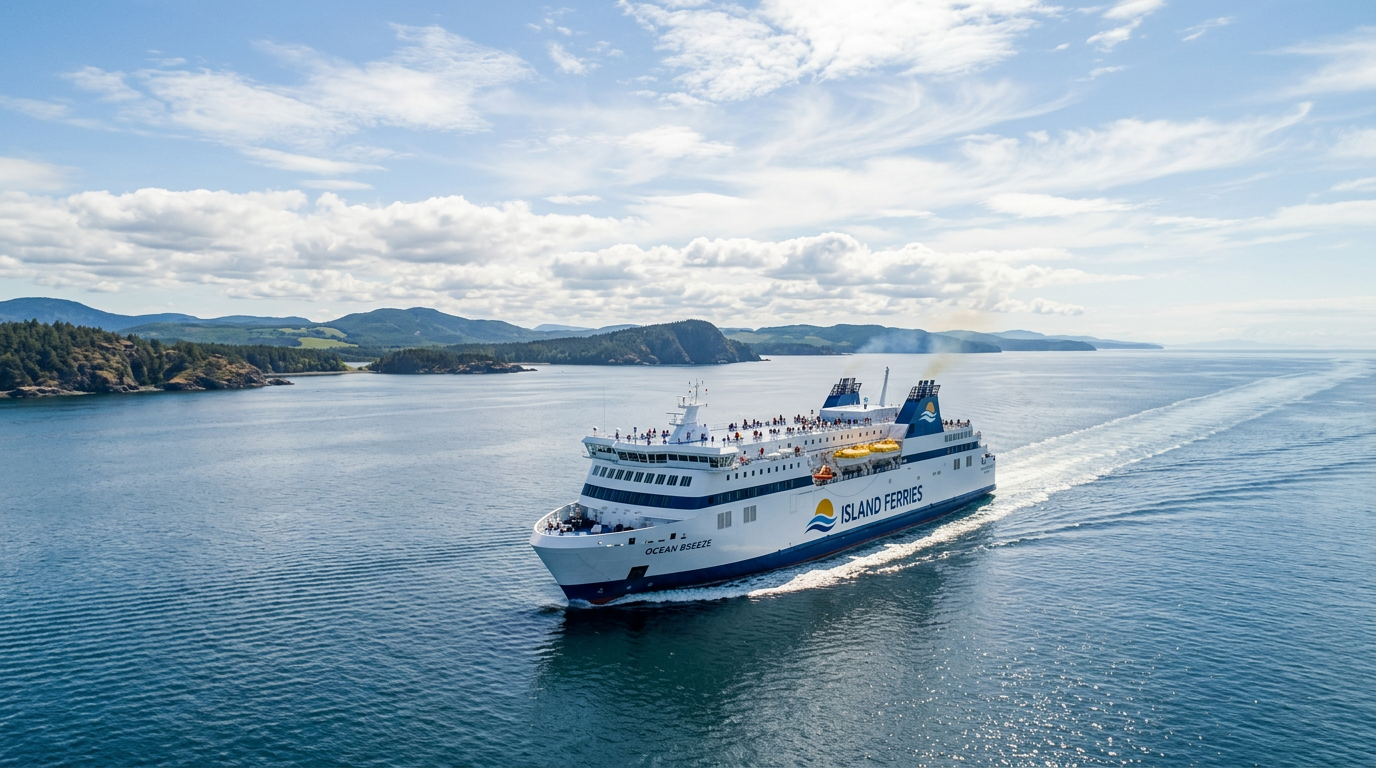
Your European adventure often begins long before you reach your destination. For many UK travellers, the journey starts at a ferry port, and the dover to dunkirk ferry terminal is a fantastic choice for a seamless and efficient Channel crossing. This route, a popular alternative to the busier Calais crossing, offers a direct link to a part of France that serves as a perfect gateway to Belgium, the Netherlands, Germany, and beyond. This comprehensive guide will walk you through every step, from arriving at Dover to navigating the terminal in Dunkirk, ensuring you are fully prepared for a relaxed and enjoyable start to your trip.
Whether you are a seasoned traveller or embarking on your first self-drive holiday to the continent, knowing what to expect can make all the difference. We will cover terminal facilities, the check-in process, what it's like onboard, and the essential documents you'll need. With a little preparation, your journey from the Dover to Dunkirk ferry terminal will be smooth sailing.
Navigating the Dover to Dunkirk Ferry Terminal: An Overview
The Dover to Dunkirk route is operated exclusively by DFDS, one of the leading ferry companies in Europe. The crossing time is approximately two hours, offering a brief but pleasant respite from driving. It's the perfect opportunity to stretch your legs, enjoy a meal, and relax before continuing your journey on the continent.
This route's primary appeal is its strategic location. The port in Dunkirk provides more direct access to the A16 motorway towards Belgium, making it an excellent choice for travellers heading to cities like Bruges, Ghent, Antwerp, or further into Northern Europe. It can often be a less congested and more relaxed experience than other major crossings, both at the port and on the surrounding roads. This guide is designed to give you all the information you need for a hassle-free trip, starting at the well-organised dover to dunkirk ferry terminal.
The Dover Ferry Terminal Experience
Your journey begins at the Port of Dover, one of the world's busiest passenger ports. The scale of the operation is impressive, but it is well-signposted and efficiently managed.
Location and Getting There
The ferries to Dunkirk depart from the Eastern Docks of the Port of Dover. Access is straightforward from the main motorways. If you are travelling from London and the north, you will use the M20 motorway, which merges directly into the A20 at Folkestone. This road leads directly to the Eastern Docks. Clear overhead signs will direct you towards the 'Ferry Port', and as you get closer, you will see specific signs for DFDS and the Dunkirk route.
The Check-In Process
Upon arrival at the port, you will be filtered into the appropriate lanes for the check-in booths. Have your booking confirmation (either printed or on your phone) and the passports for all passengers ready. The process is typically handled from your car window.
A DFDS staff member will scan your booking and check your passports. They will then provide you with a lane number hanger to place on your rearview mirror. This number directs you to the correct waiting lane for your specific sailing. Once past check-in, you will proceed through UK Border Force for passport control before joining your assigned vehicle lane to await boarding. The large digital screens will indicate when your sailing is ready to board.
Pre-Boarding Facilities
While you wait to board, you have access to a range of facilities. The main terminal building offers cafes, toilets, currency exchange services, and comfortable seating areas. There are also outlets where you can buy snacks, drinks, and travel essentials. For those with children, there are often small play areas to keep them entertained. It's advisable to use these facilities before you are called to board, as the process can move quickly once it begins.
Onboard the Ferry: What to Expect During Your Crossing
Once you have driven onto the ferry and parked your vehicle as directed by the crew, your two-hour mini-cruise begins. The ships operating on this route are modern, spacious, and equipped with a variety of amenities to make your journey comfortable.
Comfort and Seating
You will find ample seating throughout the vessel. General seating areas are plentiful, with large windows offering fantastic views of the English Channel and the iconic White Cliffs of Dover as you depart. For those seeking extra comfort and quiet, some sailings offer a Premium Lounge for an additional fee, which typically includes complimentary drinks and snacks in a more exclusive environment.
Dining and Refreshments
There is no need to travel hungry. The ferries feature a self-service restaurant offering a range of hot and cold meals, from a full English breakfast on morning sailings to hearty main courses, salads, and desserts. For lighter options, a café serves sandwiches, pastries, and speciality coffees. There is also a bar where you can purchase alcoholic and soft drinks.
Shopping and Entertainment
The onboard Sea Shop is a highlight for many. It offers a selection of perfumes, cosmetics, alcohol, tobacco, and confectionary, often at competitive prices compared to the high street. For entertainment, there are usually children’s play areas and arcade games. Wi-Fi is available, though it relies on a satellite connection and may come at an extra cost, with varying speeds depending on location.
Arriving at the Dunkirk (Loon-Plage) Terminal
As the ferry approaches France, an announcement will be made to ask passengers to return to their vehicles. Disembarking is a straightforward process where you simply follow the flow of traffic off the ship.
Location and Disembarking
It is important to note that the Dunkirk ferry terminal is not in the centre of Dunkirk but at Loon-Plage, approximately a 20-minute drive east of the city. This location is one of its key advantages, as it provides immediate access to the main road network, allowing you to bypass urban traffic.
Post-Crossing Formalities
After driving off the ferry, you will proceed directly to French border control (Police aux Frontières) and customs (Douane). Here, your passports will be checked again. Random vehicle checks may also be carried out by customs officials. As always, be polite, have your documents ready, and answer any questions clearly.
Connecting to the Motorway
The terminal is designed for efficient onward travel. Once through formalities, you will be guided directly onto the A16 motorway. This major route runs west towards Boulogne and Calais, and east towards the Belgian border, Bruges, and beyond. The excellent road connection is a primary reason why the dover to dunkirk ferry terminal route is so popular with motorists.
Essential Travel Checklist & Documentation
Driving in Europe requires more than just your car keys. Ensure you have all the necessary documents and equipment for a legal and stress-free trip:
- Valid Passports: Check the expiry date and ensure all passports have sufficient validity for travel within the EU.
- Ferry Ticket/Booking: Keep your confirmation accessible.
- Driving Licence: A full, valid UK driving licence is required.
- Vehicle Registration Document (V5C): You must carry the original document. Do not take a photocopy.
- Car Insurance Certificate: While not always asked for, it is crucial to have proof of valid insurance.
- UK Sticker: You must display a UK sticker on the rear of your vehicle.
- Headlight Converters: Unless your car’s headlights can be adjusted manually, you will need converters to avoid dazzling oncoming drivers.
- Safety Equipment: In France, it is a legal requirement to carry a warning triangle and at least one high-visibility vest within the passenger compartment of the car.
Pro Tips for a Smooth Journey
- Book in Advance: Ferry prices operate on a dynamic pricing model. To get the best fares, especially during peak seasons like school holidays, book as far in advance as possible.
- Arrive on Time: The recommended check-in time is typically 60-90 minutes before your departure. This gives you a comfortable buffer to navigate the port, pass through security, and use the facilities without rushing.
- Travelling with Pets: Pets can travel on this route but must be booked in advance and have a valid Animal Health Certificate. On the Dover-Dunkirk route, pets are generally required to remain in the vehicle for the duration of the crossing. Check the latest pet travel rules before you book.
- Be Prepared for Delays: While the service is generally reliable, weather and operational issues can cause delays. Before you set off, check the DFDS website and the Port of Dover traffic updates. It's wise to have water and snacks in your car, especially if travelling with children.
Why Choose the Dunkirk Route? Comparison with Other Crossings
While the Dover-Calais crossing is shorter and the Eurotunnel is faster, the route from the dover to dunkirk ferry terminal holds several distinct advantages that make it the superior choice for many travellers.
Strategic Location for Onward Travel
If your final destination is in Belgium, the Netherlands, Germany, or even further east, arriving in Dunkirk can save you significant driving time. You land on the eastern side of the busy Calais hub, allowing you to avoid potential congestion and get a head start on your journey. The direct link to the A16 towards Belgium is seamless.
A Quieter, More Relaxed Experience
The Dunkirk route often sees lower traffic volumes than the Dover-Calais crossing. This can translate to a calmer experience at the terminal, shorter queues at check-in and border control, and a generally less hurried atmosphere. For many, this more relaxed start to a holiday is a major benefit.
In conclusion, the journey from the Dover to Dunkirk ferry terminal offers a fantastic balance of efficiency, comfort, and strategic convenience. By planning ahead and having your documents in order, you can ensure a smooth, stress-free start to your European road trip.
Frequently Asked Questions
How long is the ferry from Dover to Dunkirk?
The ferry crossing from Dover to Dunkirk typically takes around two hours. This can vary slightly depending on weather conditions and sea state.
Which ferry company operates the Dover to Dunkirk route?
The Dover to Dunkirk ferry route is exclusively operated by DFDS Seaways, a leading European ferry operator.
How early should I arrive at the Dover ferry terminal?
It is generally recommended to arrive at the Dover ferry terminal at least 60 to 90 minutes before your scheduled departure time to allow for check-in and border controls.
Are there facilities for pets at the dover to dunkirk ferry terminal?
While pets must be pre-booked, they are required to remain in your vehicle during the crossing. The terminals themselves have limited pet facilities, though there are areas where you can walk your dog before boarding.
Is the Dunkirk ferry terminal close to the city?
The ferry terminal is located at Loon-Plage, which is about a 20-minute drive from the centre of Dunkirk. Its location provides excellent, direct access to the A16 motorway for onward travel.
What documents do I need for the ferry to France?
You will need a valid passport for each passenger, your driving licence, the original V5C vehicle registration document, and proof of car insurance. Ensure you also have the legally required equipment for driving in France.
Your European adventure often begins long before you reach your destination. For many UK travellers, the journey starts at a ferry port, and the dover to dunkirk ferry terminal is a fantastic choice for a seamless and efficient Channel crossing. This route, a popular alternative to the busier Calais crossing, offers a direct link to a part of France that serves as a perfect gateway to Belgium, the Netherlands, Germany, and beyond. This comprehensive guide will walk you through every step, from arriving at Dover to navigating the terminal in Dunkirk, ensuring you are fully prepared for a relaxed and enjoyable start to your trip.
Whether you are a seasoned traveller or embarking on your first self-drive holiday to the continent, knowing what to expect can make all the difference. We will cover terminal facilities, the check-in process, what it's like onboard, and the essential documents you'll need. With a little preparation, your journey from the Dover to Dunkirk ferry terminal will be smooth sailing.
Navigating the Dover to Dunkirk Ferry Terminal: An Overview
The Dover to Dunkirk route is operated exclusively by DFDS, one of the leading ferry companies in Europe. The crossing time is approximately two hours, offering a brief but pleasant respite from driving. It's the perfect opportunity to stretch your legs, enjoy a meal, and relax before continuing your journey on the continent.
This route's primary appeal is its strategic location. The port in Dunkirk provides more direct access to the A16 motorway towards Belgium, making it an excellent choice for travellers heading to cities like Bruges, Ghent, Antwerp, or further into Northern Europe. It can often be a less congested and more relaxed experience than other major crossings, both at the port and on the surrounding roads. This guide is designed to give you all the information you need for a hassle-free trip, starting at the well-organised dover to dunkirk ferry terminal.
The Dover Ferry Terminal Experience
Your journey begins at the Port of Dover, one of the world's busiest passenger ports. The scale of the operation is impressive, but it is well-signposted and efficiently managed.
Location and Getting There
The ferries to Dunkirk depart from the Eastern Docks of the Port of Dover. Access is straightforward from the main motorways. If you are travelling from London and the north, you will use the M20 motorway, which merges directly into the A20 at Folkestone. This road leads directly to the Eastern Docks. Clear overhead signs will direct you towards the 'Ferry Port', and as you get closer, you will see specific signs for DFDS and the Dunkirk route.
The Check-In Process
Upon arrival at the port, you will be filtered into the appropriate lanes for the check-in booths. Have your booking confirmation (either printed or on your phone) and the passports for all passengers ready. The process is typically handled from your car window.
A DFDS staff member will scan your booking and check your passports. They will then provide you with a lane number hanger to place on your rearview mirror. This number directs you to the correct waiting lane for your specific sailing. Once past check-in, you will proceed through UK Border Force for passport control before joining your assigned vehicle lane to await boarding. The large digital screens will indicate when your sailing is ready to board.
Pre-Boarding Facilities
While you wait to board, you have access to a range of facilities. The main terminal building offers cafes, toilets, currency exchange services, and comfortable seating areas. There are also outlets where you can buy snacks, drinks, and travel essentials. For those with children, there are often small play areas to keep them entertained. It's advisable to use these facilities before you are called to board, as the process can move quickly once it begins.
Onboard the Ferry: What to Expect During Your Crossing
Once you have driven onto the ferry and parked your vehicle as directed by the crew, your two-hour mini-cruise begins. The ships operating on this route are modern, spacious, and equipped with a variety of amenities to make your journey comfortable.
Comfort and Seating
You will find ample seating throughout the vessel. General seating areas are plentiful, with large windows offering fantastic views of the English Channel and the iconic White Cliffs of Dover as you depart. For those seeking extra comfort and quiet, some sailings offer a Premium Lounge for an additional fee, which typically includes complimentary drinks and snacks in a more exclusive environment.
Dining and Refreshments
There is no need to travel hungry. The ferries feature a self-service restaurant offering a range of hot and cold meals, from a full English breakfast on morning sailings to hearty main courses, salads, and desserts. For lighter options, a café serves sandwiches, pastries, and speciality coffees. There is also a bar where you can purchase alcoholic and soft drinks.
Shopping and Entertainment
The onboard Sea Shop is a highlight for many. It offers a selection of perfumes, cosmetics, alcohol, tobacco, and confectionary, often at competitive prices compared to the high street. For entertainment, there are usually children’s play areas and arcade games. Wi-Fi is available, though it relies on a satellite connection and may come at an extra cost, with varying speeds depending on location.
Arriving at the Dunkirk (Loon-Plage) Terminal
As the ferry approaches France, an announcement will be made to ask passengers to return to their vehicles. Disembarking is a straightforward process where you simply follow the flow of traffic off the ship.
Location and Disembarking
It is important to note that the Dunkirk ferry terminal is not in the centre of Dunkirk but at Loon-Plage, approximately a 20-minute drive east of the city. This location is one of its key advantages, as it provides immediate access to the main road network, allowing you to bypass urban traffic.
Post-Crossing Formalities
After driving off the ferry, you will proceed directly to French border control (Police aux Frontières) and customs (Douane). Here, your passports will be checked again. Random vehicle checks may also be carried out by customs officials. As always, be polite, have your documents ready, and answer any questions clearly.
Connecting to the Motorway
The terminal is designed for efficient onward travel. Once through formalities, you will be guided directly onto the A16 motorway. This major route runs west towards Boulogne and Calais, and east towards the Belgian border, Bruges, and beyond. The excellent road connection is a primary reason why the dover to dunkirk ferry terminal route is so popular with motorists.
Essential Travel Checklist & Documentation
Driving in Europe requires more than just your car keys. Ensure you have all the necessary documents and equipment for a legal and stress-free trip:
- Valid Passports: Check the expiry date and ensure all passports have sufficient validity for travel within the EU.
- Ferry Ticket/Booking: Keep your confirmation accessible.
- Driving Licence: A full, valid UK driving licence is required.
- Vehicle Registration Document (V5C): You must carry the original document. Do not take a photocopy.
- Car Insurance Certificate: While not always asked for, it is crucial to have proof of valid insurance.
- UK Sticker: You must display a UK sticker on the rear of your vehicle.
- Headlight Converters: Unless your car’s headlights can be adjusted manually, you will need converters to avoid dazzling oncoming drivers.
- Safety Equipment: In France, it is a legal requirement to carry a warning triangle and at least one high-visibility vest within the passenger compartment of the car.
Pro Tips for a Smooth Journey
- Book in Advance: Ferry prices operate on a dynamic pricing model. To get the best fares, especially during peak seasons like school holidays, book as far in advance as possible.
- Arrive on Time: The recommended check-in time is typically 60-90 minutes before your departure. This gives you a comfortable buffer to navigate the port, pass through security, and use the facilities without rushing.
- Travelling with Pets: Pets can travel on this route but must be booked in advance and have a valid Animal Health Certificate. On the Dover-Dunkirk route, pets are generally required to remain in the vehicle for the duration of the crossing. Check the latest pet travel rules before you book.
- Be Prepared for Delays: While the service is generally reliable, weather and operational issues can cause delays. Before you set off, check the DFDS website and the Port of Dover traffic updates. It's wise to have water and snacks in your car, especially if travelling with children.
Why Choose the Dunkirk Route? Comparison with Other Crossings
While the Dover-Calais crossing is shorter and the Eurotunnel is faster, the route from the dover to dunkirk ferry terminal holds several distinct advantages that make it the superior choice for many travellers.
Strategic Location for Onward Travel
If your final destination is in Belgium, the Netherlands, Germany, or even further east, arriving in Dunkirk can save you significant driving time. You land on the eastern side of the busy Calais hub, allowing you to avoid potential congestion and get a head start on your journey. The direct link to the A16 towards Belgium is seamless.
A Quieter, More Relaxed Experience
The Dunkirk route often sees lower traffic volumes than the Dover-Calais crossing. This can translate to a calmer experience at the terminal, shorter queues at check-in and border control, and a generally less hurried atmosphere. For many, this more relaxed start to a holiday is a major benefit.
In conclusion, the journey from the Dover to Dunkirk ferry terminal offers a fantastic balance of efficiency, comfort, and strategic convenience. By planning ahead and having your documents in order, you can ensure a smooth, stress-free start to your European road trip.
Frequently Asked Questions
How long is the ferry from Dover to Dunkirk?
The ferry crossing from Dover to Dunkirk typically takes around two hours. This can vary slightly depending on weather conditions and sea state.
Which ferry company operates the Dover to Dunkirk route?
The Dover to Dunkirk ferry route is exclusively operated by DFDS Seaways, a leading European ferry operator.
How early should I arrive at the Dover ferry terminal?
It is generally recommended to arrive at the Dover ferry terminal at least 60 to 90 minutes before your scheduled departure time to allow for check-in and border controls.
Are there facilities for pets at the dover to dunkirk ferry terminal?
While pets must be pre-booked, they are required to remain in your vehicle during the crossing. The terminals themselves have limited pet facilities, though there are areas where you can walk your dog before boarding.
Is the Dunkirk ferry terminal close to the city?
The ferry terminal is located at Loon-Plage, which is about a 20-minute drive from the centre of Dunkirk. Its location provides excellent, direct access to the A16 motorway for onward travel.
What documents do I need for the ferry to France?
You will need a valid passport for each passenger, your driving licence, the original V5C vehicle registration document, and proof of car insurance. Ensure you also have the legally required equipment for driving in France.