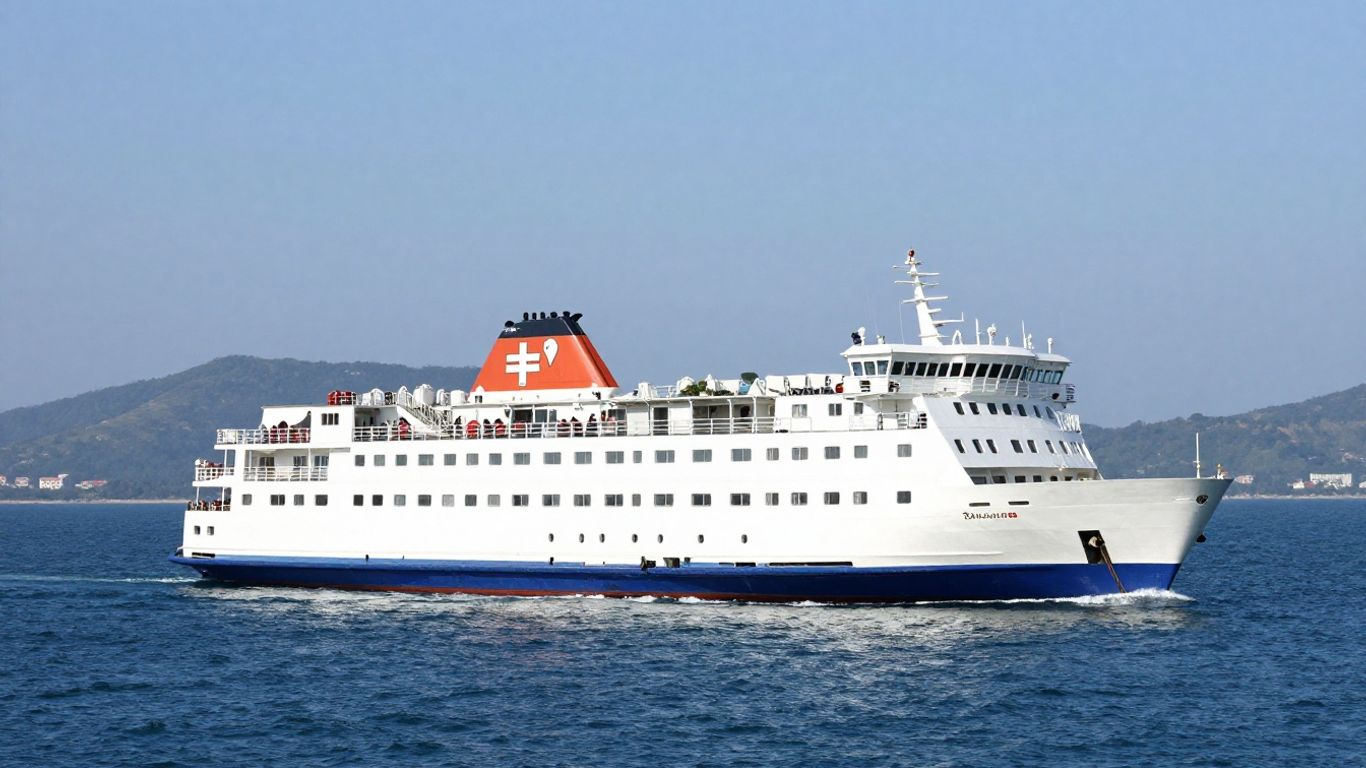
Planning a trip from the UK to France? The ferry from Portsmouth to St Malo is a popular choice for many, offering a straightforward way to get to Brittany. Whether you’re driving or travelling on foot, this guide covers what you need to know. We’ll look at booking your tickets, understanding the ferry times, and what to expect when you get to the port. It’s all about making your journey as simple as possible, so you can start enjoying your holiday the moment you step off the boat.
Key Takeaways
- Booking your Portsmouth to St Malo ferry in advance can help you find better prices, especially during peak times.
- Familiarise yourself with the ferry timetables, as they can change depending on the season and day of the week.
- Arrive at Portsmouth port with plenty of time before your ferry departs, particularly if you’re travelling with a vehicle.
- Check what facilities are available on the ferry, like restaurants and shops, to make your crossing more comfortable.
- Understand the disembarking process at St Malo port and how to get to your final destination.
Booking Your Portsmouth to St Malo Ferry
Getting your ferry ticket sorted for the Portsmouth to St Malo route is pretty straightforward, but there are a few things to keep in mind to make sure you get the best deal and the trip you want. Booking in advance is almost always the way to go, especially if you’re travelling during peak season or with a vehicle.
Finding the Best Portsmouth to St Malo Ferry Deals
Scoring a good price can make a big difference to your holiday budget. It’s worth shopping around a bit. Comparison websites are a good starting point, but don’t forget to check the ferry operator’s own site too, as they sometimes have exclusive offers. Keep an eye out for deals, especially if you can be flexible with your travel dates. Sometimes travelling mid-week or outside of school holidays can knock a good chunk off the price.
Here’s a rough idea of what you might expect, though prices do change:
| Passenger Type | Typical Off-Peak Price (Return) | Typical Peak Price (Return) |
|---|---|---|
| Foot Passenger | £40 – £60 | £70 – £90 |
| Car + 2 Adults | £150 – £200 | £250 – £350 |
Prices are estimates and can vary significantly based on the season, day of the week, and how far in advance you book.
Essential Information for Booking
When you’re ready to book, you’ll need a few bits of information to hand. Make sure your passports are up-to-date, especially with the post-Brexit rules for travel to France. You’ll also need your vehicle registration details if you’re taking a car. It’s also a good idea to know the exact dimensions of your vehicle, as larger vehicles can sometimes incur extra charges. Don’t forget to check travel requirements for France before you finalise your booking.
- Passports: Ensure they are valid for at least three months beyond your intended stay.
- Vehicle Details: Registration number, make, model, and dimensions.
- Contact Information: Email address and phone number for booking confirmation and updates.
- Payment Method: Most major credit and debit cards are accepted.
It’s always wise to double-check the ferry operator’s specific policies regarding luggage allowances and any restrictions on items you can bring onboard, especially if you’re travelling with a lot of gear or specific equipment.
Choosing Your Ferry Cabin or Seat
For the Portsmouth to St Malo crossing, which can take a few hours, you’ll have options for where you’ll spend your time. You can opt for a standard seat, which is usually a reclining chair in a shared lounge area, or you can book a private cabin. Cabins are great if you want some privacy, a place to sleep, or if you’re travelling with young children. They come in various sizes, from two-berth to four-berth. If you’re on a tighter budget or just want to save money, a standard seat is perfectly fine for the journey. You can still access all the onboard facilities from there. Think about how much sleep you’ll need and your budget when making this choice.
Understanding Portsmouth to St Malo Ferry Timetables
Figuring out the ferry times for your trip from Portsmouth to St Malo is pretty straightforward, but it does pay to know what to expect. It’s not quite like catching a train where there’s a departure every ten minutes. These ferry journeys are a bit more planned out.
Seasonal Variations in Ferry Schedules
Ferry companies do change their schedules depending on the time of year. You’ll generally find more sailings during the busy summer months when everyone’s heading off on holiday. Come autumn and winter, the frequency might drop a bit. It’s always best to check the specific dates you want to travel, as things can shift.
- Summer: Expect more frequent departures, often daily.
- Spring/Autumn: Schedules might reduce to a few times a week.
- Winter: Sailings can be less frequent, sometimes only a couple of times a week.
Typical Crossing Durations
When you book your ferry, you’ll notice that the journey time is pretty consistent. Most crossings between Portsmouth and St Malo take around 11 hours. This means it’s usually an overnight trip. You’ll depart in the evening and arrive in France the following morning. This overnight schedule is perfect for maximising your holiday time. It saves you using up a precious day of your trip just for travel.
| Route | Typical Duration | Frequency (approx.) |
|---|---|---|
| Portsmouth-St Malo | 11 hours | 5 times per week |
When to Arrive at the Port
Getting to the port on time is important. You don’t want to miss your ferry, do you? For car passengers, it’s generally recommended to arrive at least 90 minutes before your scheduled departure. If you’re travelling as a foot passenger, arriving about 60 minutes beforehand should be plenty. Always check with your ferry operator for their specific check-in times, as they can vary slightly. It gives you enough time to get checked in, drop off your car if needed, and find your way to the departure lounge without feeling rushed. It’s a good idea to factor in potential traffic getting to the port too, especially if you’re travelling during peak times.
Arriving with a bit of breathing room means you can grab a coffee, use the facilities, and get settled before boarding. It just makes the whole start of your trip much more relaxed.
Remember, these timings are a guide. Always confirm the exact schedule and recommended arrival times with the ferry company when you book your Portsmouth to St Malo ferry tickets.
Preparing for Your Ferry Journey
So, you’ve booked your ferry from Portsmouth to St Malo. Brilliant! Now, let’s get you ready so the actual journey is as smooth as possible. It’s not just about turning up; a little bit of prep goes a long way.
What to Pack for the Crossing
Think about what you’ll need during the crossing itself, especially if you’re not taking a cabin. You don’t want to be rummaging through your main luggage for a book or your travel pillow. It’s a good idea to pack a smaller overnight bag with the essentials.
- Travel documents: Passport, booking confirmation, driving licence if you’re taking a car.
- Entertainment: A good book, downloaded podcasts, or a tablet.
- Comfort items: Travel pillow, blanket, any medication you might need.
- Snacks and drinks: While there are places to buy food, having your own can save a bit of money and means you have exactly what you fancy.
- Chargers: For all your devices!
Travelling with Pets on the Ferry
If your furry friend is joining you, there are specific rules. Most ferry companies have designated pet-friendly areas or kennels. You must declare your pet when booking, as there are often limits on numbers.
- Check pet policies: Each ferry operator has different rules regarding breeds, kennel sizes, and whether pets can stay in vehicles.
- Bring pet supplies: Food, water bowls, a familiar blanket, and any necessary medication.
- Exercise breaks: Some ferries offer limited opportunities for pets to stretch their legs, but don’t count on it.
It’s worth noting that some pets may find the journey stressful due to the noise and movement of the ferry. Consider their temperament and consult your vet if you have concerns.
Vehicle Requirements for the Ferry
If you’re taking your car, van, or motorcycle, there are a few things to keep in mind. Make sure your vehicle is in good condition before you set off. Ensure your vehicle’s tyres are properly inflated and that you have adequate fuel for the journey – you won’t be able to refuel onboard.
- Documentation: Have your vehicle registration documents and insurance readily available.
- Fuel levels: Don’t arrive with an empty tank; you’ll need enough to get off the ferry and to your accommodation.
- Secure your vehicle: Follow the instructions of the deck crew when parking; they’ll guide you on how to secure your vehicle for the crossing. This often involves putting it in gear and applying the handbrake firmly.
Navigating St Malo Port
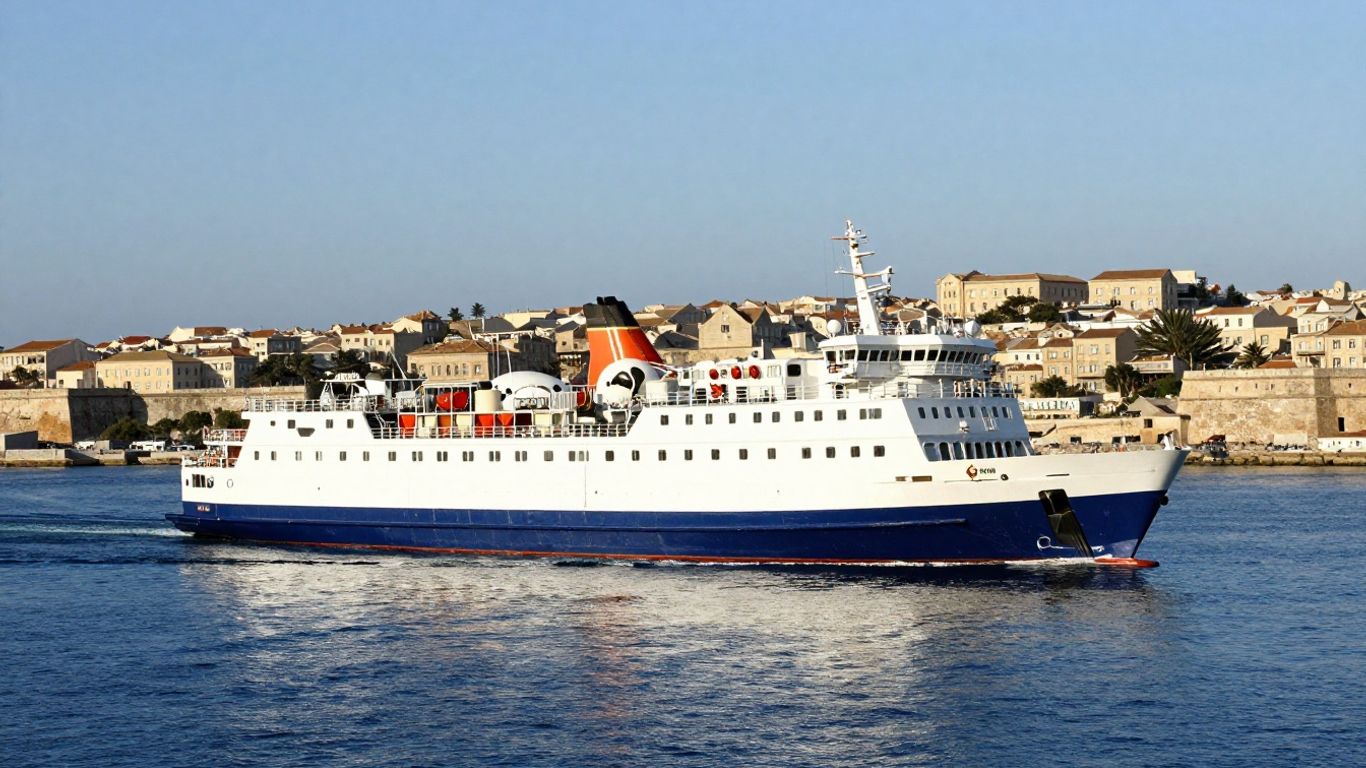
So, you’ve made it across the Channel and the ferry is pulling into St Malo. What happens next? It’s usually pretty straightforward, but knowing what to expect can make things even smoother.
Disembarking and Customs Procedures
Once the ferry docks, you’ll usually be guided off by the crew. If you’re in a vehicle, just follow the signs and the directions of the staff. They’ll tell you which lane to take. For foot passengers, it’s a simple walk off the ship. You’ll then proceed through passport control and customs. While most travellers won’t have any issues, it’s always a good idea to be aware of what you can and can’t bring into France. Generally, personal allowances apply, but it’s worth checking the latest French customs regulations before you travel, especially if you’re carrying anything unusual.
Getting from St Malo Port to Your Destination
Saint-Malo ferry port, often referred to as ‘Gare Maritime’, is well-connected. You’ve got a few options once you’re off the boat:
- Taxis: These are usually waiting just outside the terminal building. It’s the quickest way to get to your accommodation or the town centre if you have a lot of luggage.
- Buses: There are local bus services that run from near the port into the city and surrounding areas. Check the local transport website for routes and timetables, as they can vary.
- Walking: If you’re staying very close to the port or just want to explore the immediate area, walking is an option. The walled city itself is a short distance away.
- Car Hire: If you’ve pre-booked a hire car, the rental desks are typically located within or very near the terminal.
It’s a good idea to have a rough idea of where you’re going and how you’ll get there before you even step off the ferry. This way, you can avoid any last-minute confusion.
The port itself is quite modern and functional. While it might not be the most picturesque arrival point in France, it serves its purpose well, getting you from ship to shore efficiently. Don’t expect a grand welcome, but do expect clear signage.
Exploring St Malo After Your Ferry Arrival
Once you’ve sorted your transport, the real adventure begins! St Malo is a fantastic place to explore. The most famous part is the Intra-Muros, the old walled city. It’s a maze of charming streets, shops, and restaurants, all enclosed within impressive ramparts. You can walk along the top of these walls for some amazing views of the sea and the surrounding islands. Don’t forget to try some local Breton crêpes or galettes while you’re there – they’re a must!
If you have time before heading to your accommodation, a stroll along the beach or a wander through the smaller streets outside the main walls can be really rewarding. The area around the port has some useful amenities too, like places to grab a coffee or a bite to eat if you’re feeling peckish after your journey.
Making the Most of Your Ferry Experience
So, you’ve booked your ferry, you’re ready to go, but how do you actually make the journey itself a bit more enjoyable? It’s not just about getting from A to B, after all. Think of it as part of your holiday.
Onboard Facilities and Services
Most ferries on the Portsmouth to St Malo route are pretty well-equipped. You’ll usually find a few places to grab a bite, some shops, and often a lounge area. Don’t underestimate the power of a good book or some downloaded podcasts for passing the time. Some ships even have play areas for kids, which can be a lifesaver if you’re travelling with little ones. It’s worth checking the specific ferry operator’s website before you travel to see exactly what’s on offer. You might be surprised!
Dining Options During the Crossing
Food is a big part of any trip, right? On the ferry, you’ll typically have a couple of choices. There’s usually a main restaurant or buffet, which can be a decent option for a full meal. Then, you’ll often find a more casual cafe or bar serving lighter snacks, sandwiches, and drinks. Prices can add up, so it’s worth considering:
- Bringing your own snacks and drinks (check the rules on this first).
- Having a good meal before you board.
- Budgeting for at least one meal onboard.
Tips for a Smooth Journey
Getting from Portsmouth to Saint-Malo can be a breeze if you know a few tricks. The boarding process itself is usually quite straightforward; just have your documents ready. For example, passengers often hand over their documents and display a number on their rearview mirror boarding process. Once onboard, if you’ve booked a cabin, get settled in. If not, find a comfortable spot in a lounge or seating area.
Remember that ferry schedules can change, especially with the seasons. Always double-check your departure and arrival times a day or two before you travel. It’s better to be a little early than to miss the boat!
If you’re travelling with a vehicle, make sure you know where to park it. The crew will guide you, but it’s good to be aware. For foot passengers, getting to your seat or cabin is usually simple. Don’t forget to explore the ship a bit – there might be a quiet deck area or a bar with a nice view you wouldn’t otherwise find. And if you’re feeling peckish, the onboard shop often has a decent selection of treats, though it’s usually pricier than a supermarket. For those looking for a bit of retail therapy, duty-free shopping is also an option on some routes, though check what’s available for your specific crossing duty-free shops.
So, there you have it!
Right then, that’s pretty much all you need to know to get your trip from Portsmouth to St Malo sorted. We’ve gone over how to book your tickets, what times the ferries usually run, and a few little bits of advice to make the journey smoother. It’s not a complicated process, but a bit of planning goes a long way, doesn’t it? Hopefully, this guide has made things a bit clearer. Now you’re all set to enjoy your crossing and start your French adventure. Bon voyage!
Frequently Asked Questions
How far in advance should I book my ferry ticket?
It’s a good idea to book your ferry ticket a few months before you plan to travel, especially if you’re going during busy times like school holidays or summer. This way, you’re more likely to get the best prices and ensure you have a spot on the ferry you want.
What’s the difference between a cabin and a seat on the ferry?
A seat is like a chair in a lounge area, which is fine for shorter trips. A cabin is a private room where you can sleep, relax, and store your luggage. If you’re travelling overnight or just want more comfort, a cabin is definitely the way to go.
Can I take my pet on the ferry to St Malo?
Yes, you can! Most ferry companies allow pets, but you usually need to book them a space. Sometimes they have to stay in your car, or there might be special pet-friendly cabins or kennels. Always check the specific rules when you book.
What time should I get to the ferry port before sailing?
You’ll need to arrive at the port well before your ferry is due to leave. For cars, it’s usually about an hour before, but check your ticket or the ferry company’s website. This gives you plenty of time to check in and get on board without rushing.
What should I do once I arrive at St Malo port?
When your ferry docks in St Malo, you’ll follow signs to disembark. If you’re in a vehicle, you’ll drive off the ferry. You might need to go through passport control or customs depending on your nationality and what you’re bringing. Then, you can head off to start your French adventure!
Are there places to eat on the ferry?
Absolutely! Ferries usually have restaurants and cafes onboard. You can grab a full meal, a snack, or just a coffee while you’re sailing across the Channel. It’s a nice way to pass the time and enjoy the journey.