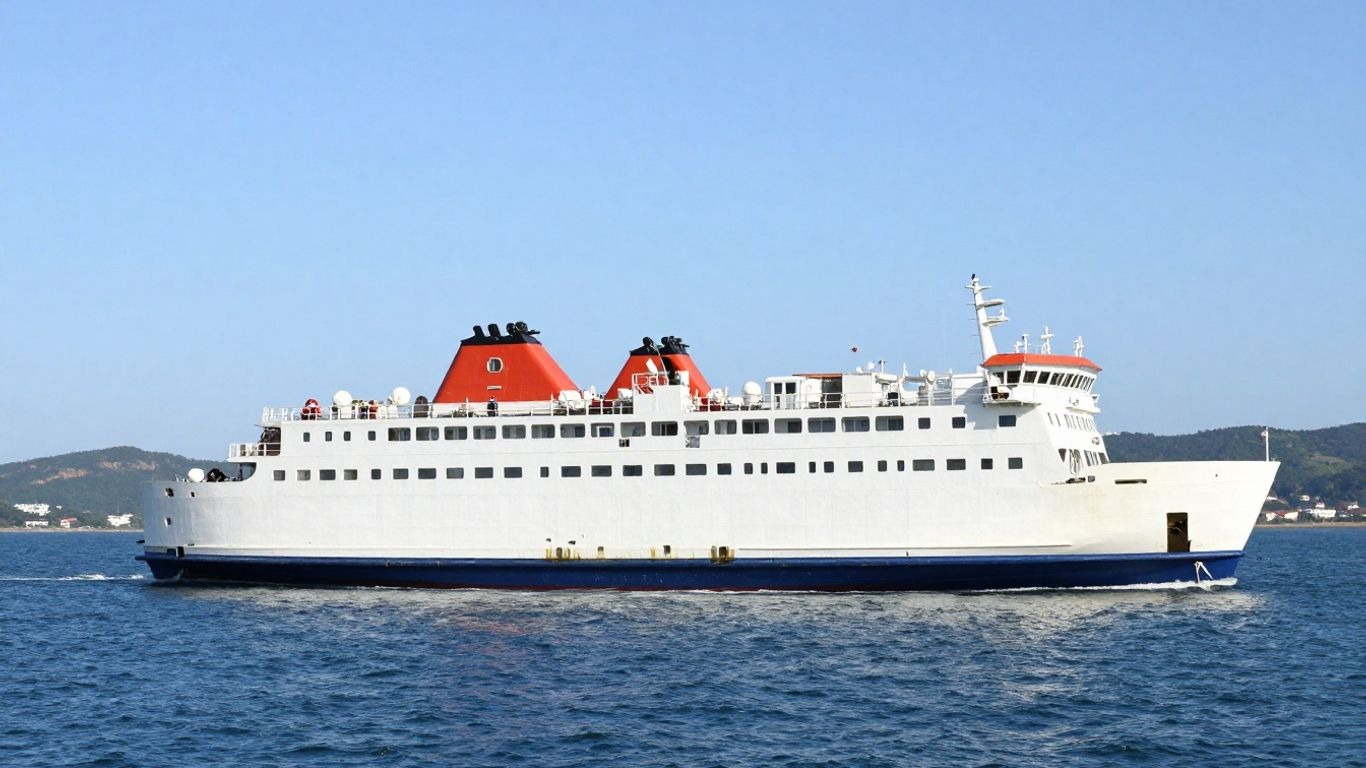
Thinking about a trip from the south coast of England to the north of Spain? The ferry from Portsmouth to Santander is a popular choice for many, and for good reason. It skips the long drive and lets you start your Spanish adventure pretty much as soon as you step off the boat. But like any journey, a bit of planning goes a long way. This guide is here to help you sort out the booking, know what to expect, and make sure your trip on the portsmouth to santander ferry is as smooth as can be. Let’s get you ready for the crossing.
Key Takeaways
- The Portsmouth to Santander ferry route is operated by Brittany Ferries, offering a direct link between the UK and northern Spain.
- Booking in advance, especially outside peak season, can help you find better prices for your ferry ticket.
- Familiarise yourself with onboard facilities like restaurants, shops, and cabins to make your crossing more comfortable.
- Understand vehicle requirements and check-in procedures to avoid any last-minute issues before boarding.
- Prepare for your arrival in Santander by knowing the disembarkation process and what to expect when you reach Spain.
Understanding The Portsmouth To Santander Ferry Route
Route Overview
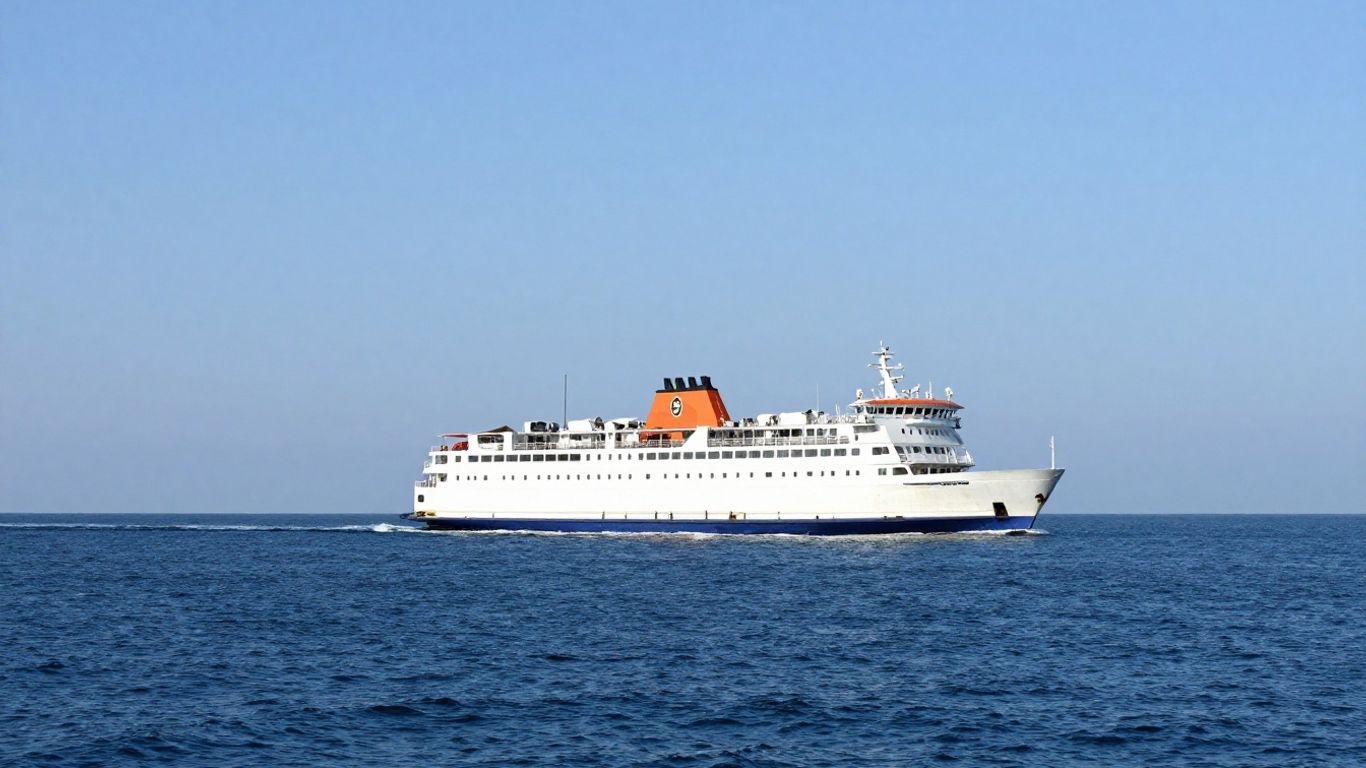
So, you’re thinking about taking the ferry from Portsmouth to Santander? It’s a pretty popular route, especially if you’re heading to Northern Spain or want to avoid a long drive through France. This ferry service connects the south coast of England with the vibrant region of Cantabria in Spain. It’s a direct crossing, meaning no pesky changes or multiple ports to worry about. It’s a fantastic way to start your Spanish adventure with your car, or just as a foot passenger.
Ferry Operator Information
The main company running this particular service is Brittany Ferries. They’re pretty well-known for their routes between the UK and France and Spain. They operate a couple of ships on this route, often the Pont-Aven or the Cap Finistère, depending on the season and schedule. These aren’t your average small boats; they’re quite large vessels designed for longer sea crossings, so you can expect a decent level of comfort.
Journey Duration
Now, let’s talk time. This isn’t a quick hop across the Channel. The journey from Portsmouth to Santander typically takes around 31.5 to 33 hours. Yes, you read that right – it’s an overnight trip, often spanning two full days at sea. This means you’ll have plenty of time to settle in, explore the ship, and relax before you reach your destination. It’s a proper mini-cruise, really.
- Day 1: You’ll usually depart in the afternoon or early evening.
- Overnight: Spend the night onboard, enjoying the facilities.
- Day 2: Arrive in Santander the following afternoon or early evening.
While it might seem like a long time, breaking up the journey this way can be much more relaxing than driving for days on end. Plus, you get to wake up to sea views!
Prices can start from around €65.00, which is quite reasonable when you consider it includes your accommodation for the night and transport for your vehicle if you’re bringing one. You can find more details about ticket prices and booking on their website.
Booking Your Portsmouth To Santander Ferry Ticket
Getting your ferry ticket sorted for the Portsmouth to Santander route is pretty straightforward, but a little planning goes a long way. You don’t want to leave it until the last minute and end up paying over the odds, or worse, finding there’s no space.
When To Book
The earlier you book, the better the prices tend to be. It’s a bit like booking flights; the demand goes up as the travel date gets closer, and so do the prices. For the best chance of snagging a good deal, aim to book at least a few months in advance, especially if you’re travelling during peak season like school holidays or summer.
- Off-Peak Travel: If you can be flexible with your dates, travelling outside of the main holiday periods can significantly reduce costs.
- Mid-Week Sailings: Often, Tuesday, Wednesday, and Thursday sailings are a bit cheaper than weekend ones.
- Advance Notice: Keep an eye out for early bird offers from the ferry operator.
Finding The Best Fares
Prices for the Portsmouth to Santander route can vary quite a bit. You’ll see different costs depending on the time of year, the day of the week, and how far in advance you book. Generally, you’re looking at a range that can go from around £356 up to £1432, with the average hovering near £796. It’s worth comparing prices across different platforms, though booking directly with the operator is often a good bet. Sometimes, comparison sites can highlight deals you might miss otherwise.
Remember that the price isn’t just for your ticket; it often includes your cabin and sometimes even meals, depending on the package you choose. Always check what’s included before you commit.
Cabin Options Explained
When you book, you’ll usually have a choice of cabin types. This is where you can really make your journey more comfortable, especially for an overnight crossing.
- Inside Cabins: These are the most basic and usually the cheapest. They don’t have windows, which is fine if you just want a place to sleep.
- Outside Cabins: These have a window, so you can see the sea. They can be a bit pricier but are nice if you like to wake up to a view.
- Premium Cabins: Some routes offer upgraded cabins with more space, better amenities, or even sea views. These are the most expensive but offer the most comfort.
Think about how much time you’ll spend in the cabin and what your budget allows. For a long trip like this, a cabin is definitely recommended over just a seat.
Preparing For Your Ferry Crossing
Right then, you’ve booked your ticket for the Portsmouth to Santander ferry. Brilliant! Now, let’s get you ready so the actual journey is as smooth as possible. It’s not just about turning up; a bit of prep goes a long way.
What To Pack
Think about what you’ll need during the crossing itself, especially if you’re not planning on popping back to your car much. It’s a good idea to pack an overnight bag with essentials, just like you would for a hotel stay. This means things like toiletries, a change of clothes, any medications, books, chargers, and snacks. You won’t have access to your vehicle once the car decks are closed, so having everything you need to hand is key. For longer trips, consider packing a small cooler bag for drinks and snacks to save a bit of money onboard.
Vehicle Requirements
Before you even think about packing your suitcase, give your car a once-over. Make sure it’s roadworthy for driving in Spain. Check your tyre pressures, oil, and water levels. You’ll need to have your vehicle’s documentation in order, including your driving licence, V5C logbook, and insurance details. Remember, in Spain, it’s a legal requirement to carry a hi-vis jacket and a warning triangle in your vehicle at all times. It’s also worth checking the latest regulations regarding emissions zones if you plan on driving in any major Spanish cities after you disembark.
Check-In Procedures
Getting to the ferry terminal with enough time is pretty important. You don’t want to be rushing. Generally, you’ll need to arrive at the Portsmouth International Port at least 90 minutes before your scheduled departure, but it’s always best to check the specific timings with your ferry operator. Have your booking confirmation and passports ready. You’ll usually drive your vehicle directly onto the ferry, following the instructions from the port staff. They’ll guide you to your parking spot on the car deck. Once parked, you’ll need to take all your passengers and hand luggage with you to your cabin or the passenger areas – remember, you can’t usually go back to your car until you arrive in Santander.
The ferry crossing to Santander is a long one, often taking over 24 hours. This isn’t like a quick hop across the Channel. You’ll be at sea for a good while, so planning for comfort and entertainment during this time is really worthwhile. Think of it as a mini-cruise before your Spanish adventure really begins.
Onboard The Ferry: Your Travel Experience
So, you’ve booked your ticket and you’re ready to set sail from Portsmouth to Santander. What’s it actually like on the ferry? Well, it’s a bit like a floating hotel, really. The journey itself is part of the adventure, not just a way to get from A to B.
Onboard Facilities
These ferries are pretty well-equipped, especially the newer ones. You’ll find a range of places to eat and drink, some shops for picking up last-minute bits or souvenirs, and often areas for kids to let off steam. Depending on the ship, you might also find lounges with comfy seating, places to watch TV, or even quiet spots to read a book. It’s worth checking what’s available on your specific sailing, as facilities can vary.
- Restaurants and Cafes
- Shops
- Lounges
- Children’s Play Areas (on some ships)
Dining Options
When it comes to food, you’re usually spoiled for choice. There’s typically a main restaurant offering a sit-down meal, often with a buffet option so you can go back for seconds if you fancy. Then there are usually more casual cafes or bars where you can grab a sandwich, a snack, or just a coffee. Prices are generally what you’d expect for onboard catering – not exactly cheap, but convenient. Some ships even have a la carte restaurants for a more special meal.
| Dining Type | Description |
|---|---|
| Main Restaurant | Buffet or table service, varied menus |
| Cafe/Bar | Lighter meals, snacks, drinks, coffee |
| A la Carte | More formal dining, often requires booking |
Entertainment and Relaxation
Don’t expect a full-blown nightclub, but there’s usually something to keep you occupied. Many ferries have a bar area where you can enjoy a drink and sometimes live music. There are also lounges where you can just sit back and relax, perhaps catch up on some reading or chat with travel companions. If you’ve booked a cabin, that’s your private space to unwind. For those travelling with children, look out for play areas which can be a lifesaver on longer trips. You can find out more about the onboard experience when you book.
The overnight nature of this crossing means you can get a good night’s sleep in a cabin, waking up refreshed and ready to explore. It really does make the travel time feel less like a chore and more like a mini-break in itself.
If you’re travelling with pets, check the specific pet travel policy for the ferry operator, as arrangements can differ.
Arriving In Santander
So, you’ve made it across the Bay of Biscay! Disembarking in Santander is usually pretty straightforward, but it’s good to know what to expect. The process is generally quite organised, aiming to get you on your way as quickly as possible.
Disembarkation Process
Once the ferry docks, there’s a bit of a waiting game. You’ll usually be asked to stay in your cabin or a designated waiting area until the all-clear is given. If you’re travelling with a vehicle, you’ll be directed to drive off in a specific order, often starting with the lower decks. Foot passengers usually disembark shortly after vehicles. Keep an eye on the announcements over the tannoy – they’ll let you know when it’s time to move.
- Listen carefully for disembarkation announcements.
- If you have a vehicle, follow the crew’s directions for driving off.
- Foot passengers will disembark after vehicles.
- Have your booking details handy, just in case.
Remember that the ferry terminal in Santander is your gateway to Spain. It’s a good idea to have a rough plan for what you’ll do immediately after leaving the ship, whether that’s heading straight to your accommodation or exploring the city.
Exploring Santander
Santander itself is a lovely port city with a lot to offer. You’ve got the beautiful El Sardinero beach, the Magdalena Peninsula with its palace, and a really pleasant city centre perfect for a stroll. The ferry terminal is quite close to the city centre, so you can often walk or grab a short taxi ride to get your bearings. If you’re feeling peckish after your journey, there are plenty of tapas bars and cafes right near the port. You might want to check out the local markets too, they’re great for picking up some regional specialities. For a bit of culture, the Centro Botín is a striking modern art centre right on the waterfront.
Continuing Your Journey
From Santander, you’ve got a few options. If you’ve brought your car, you’re perfectly placed to explore the rest of Cantabria or head further afield into the Basque Country or Asturias. Public transport is also available. There’s a bus station not too far from the ferry port, offering services to many Spanish cities. You can also find train services, though these might require a short taxi or bus ride from the port to the main station. Planning your onward travel before you arrive can save a lot of hassle, especially if you’re arriving late or feeling tired after the crossing. You can find more general ferry information that might help with onward planning.
Tips For A Smooth Ferry Journey
Right then, let’s talk about making this ferry trip as easy as possible. It’s not just about getting from A to B; it’s about enjoying the journey itself. A bit of preparation goes a long way, trust me.
Travelling With Pets
Bringing your furry friends along? It’s definitely doable, but you need to know the drill. Most operators have specific rules for pets, so check these well in advance. You’ll usually need to book their spot, and they might have to stay in your vehicle or in designated kennels. Make sure your pet’s vaccinations and paperwork are up to date before you travel. Some ferries allow pets in specific pet-friendly cabins, which is a nice bonus if you want them close by. Always bring their favourite blanket and some familiar toys to help them settle.
Dealing With Seasickness
Ah, seasickness. It can catch anyone out, even if you think you’re immune. The best advice is to stay hydrated and avoid heavy, greasy food. Looking out at the horizon can help, and if you’re prone to it, consider bringing medication from your doctor or pharmacist. There are also wristbands that some people find effective. Fresh air on deck can also make a big difference, so don’t be afraid to step outside for a bit.
Maximising Your Comfort
Little things can make a huge difference to your comfort levels. Pack a small bag with essentials you’ll want easy access to, like medication, a book, snacks, and any chargers. Think about bringing a travel pillow and a blanket, especially if you’re not in a cabin, as the ship’s temperature can vary.
Here’s a quick checklist for your onboard bag:
- Snacks and drinks
- Entertainment (book, tablet, headphones)
- Medication
- Chargers
- A warm layer
- Travel pillow
Remember that the ferry journey is quite long, often taking over a day. Planning for downtime and comfort is key to arriving in Santander feeling refreshed rather than frazzled. Think of it as a mini-break at sea.
If you’re planning on taking your car, make sure you’ve got all the necessary documentation sorted for driving in Spain. This includes your driving licence, vehicle registration documents, and proof of insurance. It’s also a good idea to have a basic understanding of Spanish road rules before you arrive. Driving in Spain can be a bit different, so a little prep helps.
All Set for Your Spanish Adventure?
So there you have it, a quick run-through of getting yourself from Portsmouth to Santander. It’s not as complicated as it might first seem, is it? With a bit of planning, booking your ferry ticket in advance can save you a few quid and a lot of hassle. Remember to pack smart, especially if you’re taking your car, and think about what you’ll need on board. The journey itself is a good chance to relax before you hit the Spanish roads. Hopefully, this guide has made the whole process feel a bit more straightforward. Enjoy your trip across the Channel and have a fantastic time in Spain!
Frequently Asked Questions
How long does the ferry journey from Portsmouth to Santander actually take?
The ferry trip across the Bay of Biscay is quite a long one, usually taking around 24 hours. So, you’ll have plenty of time to settle in and enjoy the ride before you get to Spain.
Who runs the ferry service between Portsmouth and Santander?
The main company operating this route is Brittany Ferries. They’re the ones you’ll be booking with and travelling on their ships.
When is the best time to book my ferry ticket to get a good price?
It’s generally a good idea to book your ferry tickets well in advance, especially if you’re planning to travel during busy periods like school holidays or summer. Booking early often means you’ll snag better prices and more choices for cabins.
What kind of cabins are available on the ferry?
There are different types of cabins you can choose from. Some are basic, with just beds, while others are more comfortable and might include a private bathroom. You can pick what suits your budget and how much comfort you’re after.
Can I bring my pet on the ferry?
Yes, you can usually bring your pets along! There are specific rules and sometimes designated pet-friendly cabins or kennels on board, so it’s important to check with the ferry company when you book to make sure everything is sorted for your furry friend.
What should I do if I get seasick during the journey?
If you’re worried about seasickness, it’s a good idea to bring along some remedies like travel sickness pills or wristbands. Staying hydrated, avoiding heavy meals, and getting fresh air on the deck can also help you feel better.