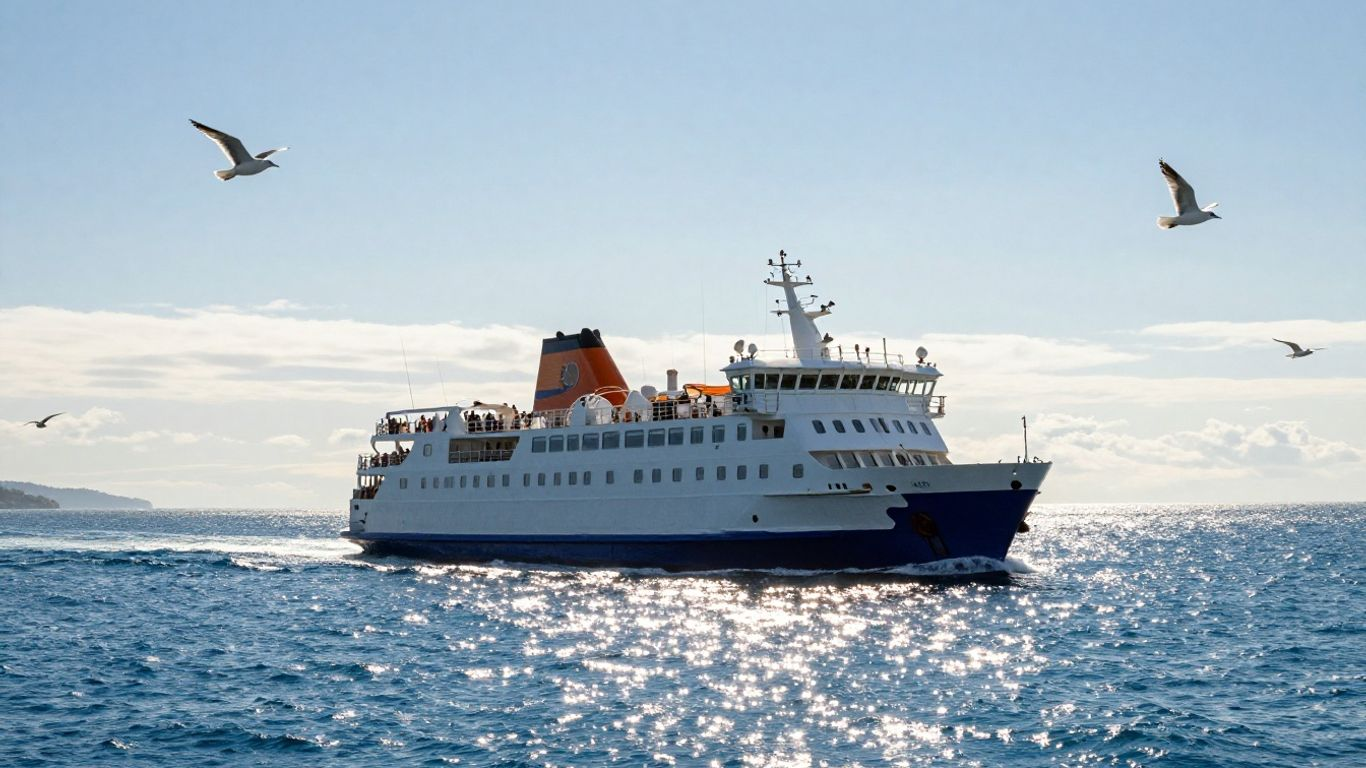
Planning a trip from Plymouth to France by ferry can be a bit of a puzzle, can’t it? You want to get across the water without any fuss. This guide is here to help sort out all the bits and pieces you need to think about for your plymouth to france ferry journey. From booking the right ticket to what to do when you get there, we’ll cover it all.
Key Takeaways
- Picking the right ferry company and booking your plymouth to france ferry in advance can save you money.
- Make sure you have all your travel documents ready before you leave home.
- Know what to expect at the Plymouth ferry port, like where to go and what services are there.
- Get ready for your arrival in France, especially if you’re heading to Roscoff.
- Think about how to make the ferry trip itself more enjoyable, with food and things to do.
Booking Your Plymouth To France Ferry Adventure
So, you’ve decided on a ferry trip from Plymouth to France – brilliant choice! It’s a really relaxed way to start your holiday, especially if you’re taking your car. Getting the booking sorted is the first step, and it’s not too tricky if you know what to look for.
Choosing The Right Ferry Operator
Right now, the main player for this route is Brittany Ferries. They’re pretty much the only ones running the direct service from Plymouth to Roscoff. It’s worth checking their website directly for the most up-to-date schedules and any special offers they might be running. They’ve been doing this route for ages, so they know their stuff.
Understanding Ticket Options And Prices
When you look at booking, you’ll see different ticket types. Most people will be looking at standard car tickets, which usually include the driver and a certain number of passengers. You might also see options for foot passengers, cyclists, or even motorcyclists. Prices can change quite a bit depending on when you travel. Peak times like school holidays and weekends are always going to be pricier than mid-week, off-season trips. Don’t forget to factor in any extras like pet cabins or specific seating if you want them.
Here’s a rough idea of what might influence the cost:
| Factor | Impact on Price |
|---|---|
| Time of Year | High (Summer) |
| Day of Week | Higher (Fri/Sat) |
| Time of Day | Varies |
| Cabin Booking | Extra Cost |
| Number of People | Increases Total |
When To Book For The Best Deals
This is the million-dollar question, isn’t it? Generally, booking in advance is your best bet. Ferry companies often release their schedules and prices months ahead. If you’re planning a summer trip, aiming to book around autumn or early winter the year before can snag you some good early-bird rates. Last-minute deals are rare for this route, especially during busy periods. It’s a bit of a balancing act; book too early and you might miss a special offer, but wait too long and you could be paying top whack or find the sailing you want is full.
Planning ahead is key for getting a good price and the sailing time that suits you best. It takes the stress out of it too, knowing it’s all sorted.
For a direct connection to western France, the Plymouth to Roscoff ferry route is a popular choice. It’s a good idea to compare prices across different booking platforms, but always double-check the terms and conditions directly with the operator before you finalise anything.
Preparing For Your Plymouth To France Ferry Crossing
Right then, before you even think about sipping a croissant in France, there’s a bit of prep work to do. It’s not complicated, but getting these bits sorted means your trip will be a whole lot smoother. Don’t leave these until the last minute!
Essential Documents For Travel
First things first, documents. You’ll need your passport, obviously. Make sure it’s not about to expire – some countries have rules about how much time is left on it. Your booking confirmation for the ferry is also a must-have. If you’re taking your car, you’ll need your driving licence and the vehicle’s V5C, also known as the log book. It’s a good idea to have copies of important documents, maybe saved on your phone or in a separate bag, just in case.
- Passport (check expiry date!)
- Ferry booking confirmation
- Driving licence
- Vehicle V5C (log book)
- Travel insurance details (highly recommended)
It’s always wise to have a quick look at the latest travel advice for France before you go. Things can change, and you don’t want to be caught out by any new rules or requirements.
Packing For Your Journey
Think about what you’ll need for the crossing itself, and then for your time in France. On the ferry, you might want a small overnight bag with things like toiletries, a book, and maybe some snacks. It’s easier than lugging your main suitcase around. For France, pack for the weather, but also consider any activities you’ve planned. Layers are usually a good bet. Don’t forget any medications you need, and maybe a basic first-aid kit.
Vehicle Preparation For The Ferry
Your car needs to be ready for the road trip ahead. Check the basics: tyre pressure, oil, and water levels. Make sure your headlights are working correctly. If you’re travelling in winter, check your antifreeze. It’s also worth giving your car a quick clean – it’s a nice way to start your holiday. Remember that you’ll need the correct UK sticker on the back of your car if you’re driving in Europe. You might also need to check specific requirements for driving in France if you’re planning on doing a lot of driving.
Navigating The Plymouth Ferry Port
Right then, getting to the ferry terminal in Plymouth is pretty straightforward, but it’s always good to know what to expect. You’ll be heading to the Brittany Ferries terminal, which is well-signposted once you’re in the port area. Make sure you have your booking confirmation and passports ready before you even get there. It just saves a bit of faffing about later.
Finding Brittany Ferries Terminal
The main ferry terminal for France is operated by Brittany Ferries. It’s located at the Brittany Ferries Terminal, Millbay Docks, Plymouth, PL1 3EQ. If you’re driving, follow the signs for the ferry port and then specifically for Brittany Ferries. There’s usually ample parking available, though it can get busy during peak times, so arriving a little early is a good shout. For those using public transport, local buses serve the Millbay area, and Plymouth city centre is a short taxi ride away.
Check-In Procedures Explained
Checking in is usually a pretty smooth process. You’ll need to have your booking reference handy, along with your passport and any other travel documents. If you’re travelling with a vehicle, you’ll be directed to a specific lane for vehicle check-in. They’ll scan your booking and then guide you on where to park your car before you head into the terminal building. It’s worth noting that check-in usually closes about an hour before the ferry is due to depart, so don’t be late!
Here’s a quick rundown of what to expect:
- Arrival: Aim to arrive at least 90 minutes before departure, especially if you have a vehicle.
- Document Check: Have your booking confirmation, passports, and any visas ready.
- Vehicle Lane: If travelling by car, follow signs for vehicle check-in.
- Boarding: Once checked in, you’ll be directed to the passenger waiting area or to board the ship.
Remember to double-check the specific check-in times for your sailing, as these can sometimes vary slightly depending on the route and time of year. It’s always better to be safe than sorry when it comes to ferry departures.
Onboard Amenities And Services
Once you’re through check-in and waiting to board, you’ll find the terminal itself has a few bits and bobs to keep you occupied. There’s usually a cafe for a quick bite or a drink, and some seating areas. Don’t expect a full shopping mall, but it’s comfortable enough for the wait. After boarding, the ship itself has a lot more to offer, which we’ll get into later, but the terminal is just the starting point for your French adventure.
For those arriving by sea, Plymouth also has facilities for cruise ships, though this is separate from the ferry terminal you’ll be using. It’s good to know the port is well-equipped for various maritime arrivals.
Your Destination In France: What To Expect
So, you’ve made it across the Channel! Your ferry from Plymouth docks in Roscoff, a charming port town in Brittany. It’s a lovely spot to start your French adventure, and honestly, it feels a world away from the hustle and bustle of the UK.
Arriving In Roscoff
Disembarking in Roscoff is usually pretty straightforward. If you’re travelling with a car, you’ll follow the signs off the ferry. If you’re a foot passenger, you’ll head towards the terminal building. Roscoff itself is a picturesque place, known for its granite buildings and seafaring history. It’s a great place to stretch your legs, grab a coffee, and maybe even pick up some local souvenirs before you head off.
- Customs and Immigration: While generally relaxed on this route, have your passports and any other required documents ready. It’s always better to be prepared.
- Local Transport: Taxis are usually available near the port, and there’s a local bus service if you’re not driving.
- First Impressions: Take a moment to soak in the atmosphere. The air smells different, the architecture is distinct, and you’ll likely hear French all around you.
Exploring Brittany’s Charms
Brittany is a region with a strong Celtic heritage, and you’ll feel it everywhere. Think rugged coastlines, sandy beaches, ancient towns, and delicious food. Roscoff is just the beginning. You’re perfectly placed to explore the wider region.
Don’t miss trying some local crêpes and galettes – they’re a Breton specialty!
Here are a few ideas for what to see and do:
- Coastal Walks: The GR34 coastal path offers stunning views and is perfect for a day trip.
- Historic Towns: Places like Saint-Malo (a walled port city) and Dinan (a medieval town) are well worth a visit.
- Local Markets: Experience the vibrant local culture by visiting a farmers’ market for fresh produce and regional specialities.
If you’re planning on driving further afield, remember that French roads have different rules and signage than in the UK. It’s a good idea to familiarise yourself with these before you set off. For instance, the speed limits can vary, and you’ll need to be aware of the ‘priorité à droite’ rule in some junctions.
Continuing Your French Journey
From Roscoff, you have a whole country to explore. Whether you’re heading south towards the Loire Valley, east towards Normandy, or further into the heart of Brittany, your ferry trip has opened up a new part of Europe for you. Think about your onward travel plans. If you’re driving, make sure your car is ready for longer journeys. If you’re using public transport, check train and bus schedules in advance. The French rail network, the SNCF, is extensive, though booking tickets ahead can often save you money, especially for longer trips.
The beauty of arriving by ferry is the sense of adventure it provides. You’re not just travelling; you’re embarking on a journey. Take your time to enjoy the transition from one country to another.
Making The Most Of Your Ferry Experience
So, you’ve booked your ferry from Plymouth to France, and now it’s time to think about the actual crossing. It’s not just about getting from A to B; it’s part of the holiday itself, and there are definitely ways to make it more enjoyable. Think of it as a mini-break before your main break.
Dining Options At Sea
When it comes to food, Brittany Ferries usually has a few choices. You’ll typically find a main restaurant, a more casual cafe, and sometimes a bar area where you can grab a snack. The restaurant often serves up a decent meal, sometimes with a bit of a French flair, which is a nice touch. The cafe is good for a quick sandwich or a coffee. Don’t expect Michelin-star dining, but it’s generally good quality and convenient. It saves you having to pack loads of food, though bringing your own snacks is always an option if you’re on a budget or have specific dietary needs.
Entertainment And Relaxation
What you can do onboard really depends on the ship and the length of your crossing. For shorter trips, it might just be a case of finding a comfy seat and reading a book or watching the waves. Longer journeys often have more facilities. You might find a cinema, a play area for kids, or even live music on some sailings. There are usually lounges where you can just sit back and relax, and some ships have shops too, perfect for picking up a last-minute souvenir or some French toiletries. It’s a good chance to disconnect for a bit, maybe catch up on some sleep in a cabin if you’ve booked one, or just enjoy the sea air on deck.
Tips For A Smooth Journey
To make sure your time on the ferry is as pleasant as possible, a little bit of planning goes a long way. Here are a few pointers:
- Book a cabin for overnight or longer crossings. It makes a huge difference to your comfort and means you can get some proper rest.
- Bring entertainment. Even if there are onboard facilities, having your own book, downloaded movies, or podcasts is always a good idea.
- Pack a small bag with essentials. Things like medication, a change of clothes, toiletries, and snacks should be easily accessible, rather than buried in your main luggage.
- Check the weather forecast. If it looks rough, consider bringing seasickness medication. It’s better to be prepared.
The ferry journey itself can be a highlight of your trip. Embrace the slower pace, enjoy the views, and use the time to transition into holiday mode. It’s a different way to travel, and for many, that’s exactly the appeal.
If you’re travelling with your car, remember to check the vehicle preparation guidelines before you leave home. Getting these details sorted beforehand means you can focus on enjoying the ride once you’re onboard.
Returning To Plymouth From France
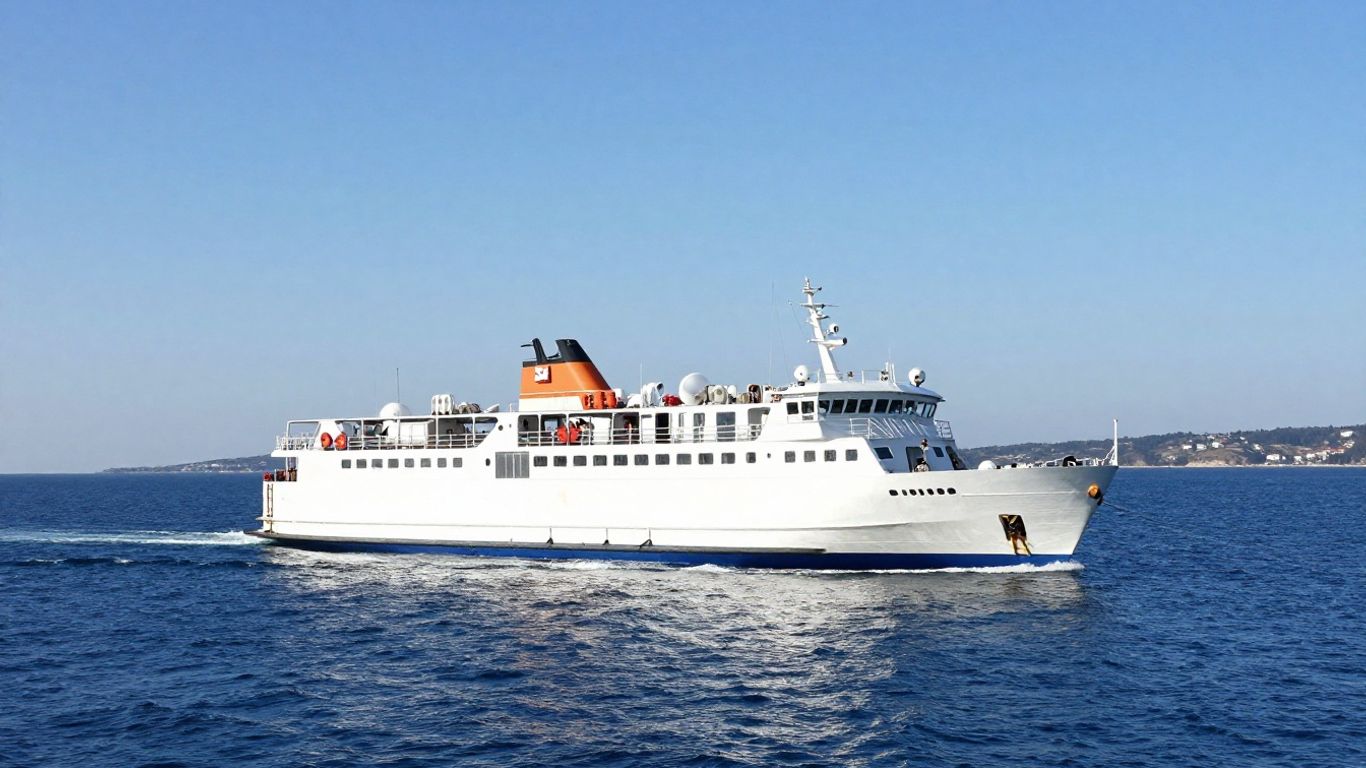
So, you’ve had a grand time exploring France, and now it’s time to head back home. The return journey from France to Plymouth is usually pretty straightforward, but a little preparation goes a long way to making it stress-free. Think of it as the final leg of your adventure, and you want to finish strong, right?
Return Ferry Procedures
First things first, you’ll need to get back to the French port, which for most of you will be Roscoff. Make sure you know your departure time and arrive with plenty of time to spare. It’s always better to be a bit early than to be rushing. You’ll follow similar check-in procedures to when you arrived in France. Have your booking confirmation and passports ready. The ferry company will guide you on where to queue with your vehicle.
- Check your ferry ticket for the correct departure time and date.
- Arrive at the French port at least 1-2 hours before departure.
- Have all your travel documents easily accessible.
- Follow the instructions from port staff for boarding.
The actual boarding process is usually quite efficient, with staff directing cars onto the ferry. It’s a good idea to remember where you parked your car on the ferry deck, especially if you’re feeling a bit tired.
Disembarking In Plymouth
Once the ferry docks back in Plymouth, the disembarkation process begins. This is generally a reverse of the boarding procedure. You’ll wait for instructions to drive off the ferry. Take your time and be aware of other vehicles. Once you’re off the ferry and through any necessary checks, you’ll be back on UK soil. It’s a good feeling, isn’t it?
- Listen for announcements regarding disembarkation.
- Drive slowly and carefully off the ferry.
- Follow signs for UK Border Control and customs.
Remember that UK Border Control will check your passports and any other required documentation. Be prepared for this and have your documents ready to present.
Post-Ferry Travel Arrangements
After you’ve disembarked in Plymouth, you’ll likely need to continue your journey. If you’re driving home, you’ll be heading straight out of the port onto the local roads, which connect to major motorways. If you’re relying on public transport, the ferry terminal is usually well-connected. There are often taxi services available, and Plymouth has a train station and bus services that can take you further afield. Planning this part in advance can save you a lot of hassle, especially if you’re travelling at peak times. You can find more information on onward travel from Plymouth on the Brittany Ferries website, which often has details about local transport links. The journey back from Roscoff is about 9 hours, so you’ll likely be arriving in Plymouth in the morning, ready for the day ahead onward travel options.
All Set for France!
So there you have it, a bit of a rundown on getting your ferry sorted from Plymouth to France. It’s not too complicated when you break it down, is it? Just remember to book ahead, especially if you’re travelling in peak season, and have your documents ready. A bit of planning goes a long way, and soon enough you’ll be enjoying a croissant on the other side. Bon voyage!
Frequently Asked Questions
Which ferry companies go from Plymouth to France?
Right now, Brittany Ferries is the main company offering trips from Plymouth across the Channel to France. They’re pretty much your only option for this specific route, so it’s worth checking out their website for the latest info.
When is the best time to book my ferry ticket?
To snag the best prices, it’s usually a good idea to book your ferry tickets well in advance, especially if you’re planning to travel during busy periods like school holidays or summer. Booking early often means you’ll get a better deal and more choice.
What documents do I need for the ferry crossing?
You’ll need your passport, of course, and make sure it’s valid for your trip. If you’re driving, your driving licence and vehicle registration documents are essential. It’s always wise to double-check the latest travel requirements before you set off, just in case anything has changed.
What can I do on the ferry?
Ferries these days are more like mini-cruises! You’ll find restaurants and cafes to grab a bite, shops for a bit of browsing, and places to relax. Some ferries even have entertainment, so you can enjoy the journey across the sea.
What happens when I arrive in France?
You’ll usually arrive in a port town, like Roscoff in Brittany. From there, you can either drive off straight into the French countryside or explore the local area. It’s a great starting point for your French adventure.
Do I need to prepare my car before the ferry trip?
It’s a good idea to make sure your car is in good working order. Check your tyres, oil, and fluids. Also, ensure you have the necessary safety equipment required by French law, like a hi-vis jacket and a warning triangle, just to be safe.