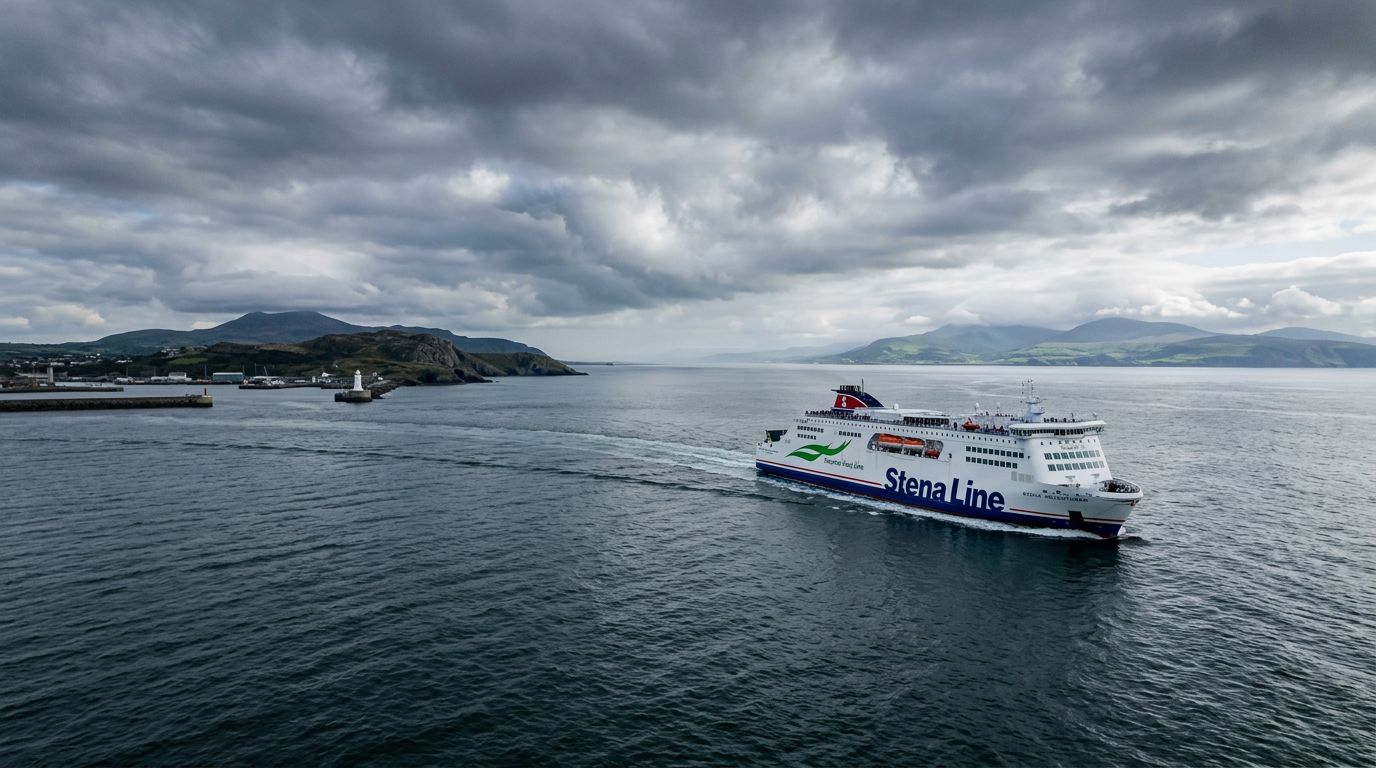
The journey across the Irish Sea from Holyhead in Wales to Dublin in Ireland is one of the most popular and historically significant ferry routes connecting Great Britain and Ireland. It serves as a vital artery for tourism and trade, offering a convenient and enjoyable way to travel between the two nations. Whether you're a foot passenger on a city break, a family embarking on a road trip, or a commercial driver, this route caters to all.
This comprehensive guide will walk you through every aspect of the Holyhead to Dublin ferry crossing. We'll compare the operators, delve into the onboard experience, navigate the ports, and provide essential tips to ensure your journey is as smooth and seamless as possible. Forget the stresses of airport queues and baggage limits; travelling by ferry offers a sense of freedom and adventure that flying simply can't match.
Choosing Your Operator: Stena Line vs. Irish Ferries
The Holyhead to Dublin route is primarily serviced by two major players in the ferry industry: Stena Line and Irish Ferries. Both are reputable companies offering multiple daily sailings, but they have distinct differences in their fleet, onboard services, and overall travel experience.
Stena Line
Stena Line operates some of the largest and most modern vessels on the Irish Sea. Their ships, the Stena Adventurer and the Stena Estrid, provide a high level of comfort and an extensive range of facilities. Stena Line typically offers around four return sailings per day, with a crossing time of approximately 3 hours and 15 minutes.
- Fleet: Modern, spacious ships designed for comfort.
- Onboard: Features include the Hygge Recline Lounge, Stena Plus premium lounge, a cinema, children's play areas, and various dining options from casual cafes to a full-service restaurant.
- Pricing: Often competitive, with different fare types (Economy, Flexi, Premium) that offer varying levels of flexibility and benefits.
Irish Ferries
Irish Ferries has a long-standing history on this route and also boasts a modern fleet. Their flagship, the W.B. Yeats, is a particular highlight, known for its luxurious feel. They also operate the Dublin Swift, a fastcraft service that significantly reduces crossing time, though it is more susceptible to weather-related cancellations. Irish Ferries also matches Stena Line with multiple daily departures.
- Fleet: A mix of conventional superferries like the W.B. Yeats and the fastcraft Dublin Swift.
- Crossing Time: The conventional ferry takes around 3 hours and 15-30 minutes, while the Dublin Swift can make the journey in as little as 2 hours.
- Onboard: Onboard amenities are also excellent, with multiple bars, restaurants, cinemas, and premium club-class lounges. The experience can feel slightly different depending on the vesselyoutravel on.
Which to Choose?
Your decision will likely come down to a few key factors: price, timing, and desired comfort level. It is always worth comparing prices for your specific travel dates. If speed is your priority, the Irish Ferries' Dublin Swift is the obvious choice. If you prefer a more stable and predictable crossing with extensive family-friendly facilities, a conventional superferry from either operator is a safe bet.
The Onboard Experience: Comfort and Amenities at Sea
Once you step onto the ferry, your holiday truly begins. Modern Irish Sea ferries are more like floating hotels than simple transport, packed with amenities to keep you comfortable and entertained.
Dining and Refreshments
Forget soggy sandwiches. Ferries on this route offer a wide array of food and drink options. You can expect to find:
- Self-Service Restaurants: Offering a variety of hot and cold meals, from full breakfasts to carvery dinners.
- Cafés and Bars: Perfect for a specialty coffee, a pint of Guinness, or a light snack.
- A La Carte Dining: On some vessels, you can enjoy a more refined, restaurant-style dining experience.
The variety of food options is a key part of the ferry experience, much like on other major UK routes. For example, the onboard offerings can be a deciding factor for many travellers, as detailed in this guide to food on the Dover to Dunkirk ferry.
Accommodation and Seating
For the 3+ hour journey, comfort is key. All ships offer general seating areas, but you can upgrade for more space and privacy.
- Reserved Seating: Many travellers opt to book a reserved seat in a dedicated quiet lounge. These are often reclining seats, similar to what you might find in business class on a plane.
- Private Cabins: For the ultimate in comfort and privacy, you can book a private cabin. These come with ensuite bathrooms and beds, making them ideal for families with young children or those on an early morning or late-night sailing. They offer a private space to rest, work, or simply relax away from the main passenger areas.
- Premium Lounges: Both operators offer exclusive lounges (Stena Plus or Club Class) which provide complimentary snacks, drinks, and a serene atmosphere.
Shopping and Entertainment
Onboard shops sell a range of goods, including duty-free items (subject to allowances), souvenirs, newspapers, and travel essentials. In terms of entertainment, you can often find free Wi-Fi (though signal can be intermittent), cinemas showing the latest films, and dedicated play areas to keep younger travellers occupied.
Holyhead Port Guide: Navigating Your Departure
Holyhead, located on the Isle of Anglesey in North Wales, is a major UK port and the primary gateway to Ireland from this part of the country.
Getting to the Port
- By Car: Holyhead Port is conveniently located at the end of the A55 dual carriageway. The route is well-signposted from across North Wales and the North West of England, including major cities like Manchester and Liverpool. Upon arrival, follow the signs for "Ferries" to the check-in booths.
- By Train: Holyhead railway station is situated right next to the ferry terminal, making it incredibly convenient for foot passengers. The station has direct services to London Euston, Manchester Piccadilly, and across the North Wales coast.
At the Terminal
Once you arrive, the process is straightforward. Car passengers proceed through the designated check-in lanes, where your booking reference and passports are checked. You will then be directed into a marshalling lane to await boarding. Foot passengers enter the main terminal building to check in at the desks before proceeding to a dedicated lounge to wait for their boarding call. The terminal has facilities including a café, toilets, and seating areas.
Allow plenty of time for check-in. Most operators recommend arriving at least 60-90 minutes before your departure time.
Dublin Port Guide: Arrival and Onward Journey
Arriving in Dublin Port places you right on the doorstep of the Irish capital. The port is located just a few kilometres east of the city centre.
Disembarkation
After the ferry docks, disembarkation for vehicles is usually swift. You will be directed off the car deck and straight towards the port exit. Foot passengers will walk from the ferry into the terminal building. You will need to pass through Irish immigration control, so have your passport ready. This is usually a quick and simple process for UK and EU citizens.
From the Port to the City
- By Car: The port is directly connected to the Dublin Port Tunnel, which provides a quick link to the M50 motorway, Dublin's ring road. This allows for an easy onward journey, bypassing the city centre if you are heading elsewhere in Ireland. If your destination is the city itself, follow the signs for the city centre ("An Lár").
- Public Transport: A dedicated bus service runs from the ferry terminal to Dublin's main bus station, Busáras, and Connolly railway station in the city centre. Taxis are also readily available outside the terminal.
Ferry Travel Options: Foot Passenger, Car, and More
One of the main advantages of ferry travel is the flexibility it offers for different types of travellers and vehicles.
Travelling with a Car
Taking your own car to Ireland is one of the most popular options. It gives you the freedom to explore the country at your own pace, without the need for rental cars. The process is simple: you book your car on the ferry, drive onboard, and park as directed by the crew. It's a far cry from the complexities of other travel options, such as taking a vehicle on the Dover to Calais train. The cost of bringing a car varies by season and demand, but it can be very cost-effective for families or groups.
Travelling as a Foot Passenger
If you're planning a city break in Dublin, travelling as a foot passenger is an easy and affordable choice. With excellent public transport links from the port into the city, you don't need a car to enjoy the capital. Foot passengers board and disembark via a covered walkway, and the experience is straightforward.
Other Vehicles and Pets
- Caravans, Campervans, and Motorhomes: Ferries are perfectly equipped to handle larger vehicles, making this route ideal for touring holidays. Simply select the correct vehicle type when booking.
- Travelling with Pets: Both Stena Line and Irish Ferries allow passengers to bring pets. The rules and facilities vary; some ships offer dedicated pet lounges or pet-friendly cabins, while on others, pets must remain in the owner's vehicle. Always check the operator's specific policy and book your pet in advance.
Planning Your Trip: Booking, Timetables, and Tips
A little planning goes a long way in ensuring your ferry journey is a success. The duration and services offered on this route compare favourably with others, such as those described in our guide on how long the Dover to Dunkirk ferry takes.
- Booking in Advance: To get the best prices, especially during peak seasons like summer and school holidays, it is essential to book your tickets well in advance. Fares can rise significantly closer to the departure date.
- Be Flexible: If your travel dates are flexible, use the ferry operators' fare calendars to see if shifting your journey by a day or two could result in a lower price. Mid-week and late-night sailings are often cheaper.
- Check the Timetable: While there are numerous sailings each day, the exact times can vary. Double-check the timetable for your chosen date before you travel. Remember to account for the check-in time.
- Consider Travel Insurance: As with any trip, it’s wise to have travel insurance. This can cover you for cancellations, delays, or any other unforeseen circumstances.
Beyond the Ferry: Exploring Dublin and a Taste of Wales
The journey is only part of the adventure. At one end lies Dublin, a city brimming with history, culture, and its famous 'craic'. Visit the Guinness Storehouse, walk the hallowed halls of Trinity College to see the Book of Kells, explore the lively pubs of Temple Bar, or delve into history at Kilmainham Gaol. Dublin is a compact and walkable city with a story around every corner.
On the other side, Holyhead on the Isle of Anglesey is a destination in its own right. This beautiful island offers stunning coastal walks, ancient historical sites like the Bryn Celli Ddu Burial Chamber, and dramatic scenery at South Stack Lighthouse. It's the perfect place to spend a day or two before or after your ferry crossing, offering a peaceful contrast to the buzz of Dublin.
Frequently Asked Questions
How long is the ferry from Holyhead to Dublin?
The crossing time is typically around 3 hours and 15 minutes on the conventional ferries operated by Stena Line and Irish Ferries. Irish Ferries also operates a fastcraft, the Dublin Swift, which can complete the journey in approximately 2 hours.
Do I need a passport to travel from Holyhead to Dublin?
As part of the Common Travel Area (CTA), British and Irish citizens do not strictly need a passport to travel between the UK and Ireland. However, most ferry operators require a valid photo ID for check-in, so carrying a passport or driving licence is highly recommended.
Which is better, Stena Line or Irish Ferries on the Dublin route?
Both operators offer a high-quality service with modern ships. The best choice depends on your priorities: Irish Ferries offers the fastest crossing with their Swift service, while both provide excellent onboard facilities. It is best to compare prices and sailing times for your specific dates.
Can I take my dog on the ferry to Dublin?
Yes, both Stena Line and Irish Ferries allow passengers to travel with pets. Policies vary, with options including pets remaining in your vehicle or booking a dedicated pet-friendly cabin or lounge. You must book your pet in advance.
Is it cheaper to travel as a foot passenger to Dublin?
Yes, travelling as a foot passenger is significantly cheaper than bringing a vehicle. If you are planning to spend your time in Dublin city centre, a car is not necessary due to the excellent public transport and walkability.
How far is Dublin Port from the city centre?
Dublin Port is located approximately 3-4 kilometres east of the city centre. There are dedicated buses, taxis, and good road links, including the Port Tunnel, making the onward journey quick and easy.
What are the baggage restrictions on the Holyhead to Dublin ferry?
One of the great advantages of ferry travel is the generous luggage allowance. Foot passengers are typically allowed to bring two pieces of baggage, while those with a car can essentially bring as much as they can fit in their vehicle.
The journey across the Irish Sea from Holyhead in Wales to Dublin in Ireland is one of the most popular and historically significant ferry routes connecting Great Britain and Ireland. It serves as a vital artery for tourism and trade, offering a convenient and enjoyable way to travel between the two nations. Whether you're a foot passenger on a city break, a family embarking on a road trip, or a commercial driver, this route caters to all.
This comprehensive guide will walk you through every aspect of the Holyhead to Dublin ferry crossing. We'll compare the operators, delve into the onboard experience, navigate the ports, and provide essential tips to ensure your journey is as smooth and seamless as possible. Forget the stresses of airport queues and baggage limits; travelling by ferry offers a sense of freedom and adventure that flying simply can't match.
Choosing Your Operator: Stena Line vs. Irish Ferries
The Holyhead to Dublin route is primarily serviced by two major players in the ferry industry: Stena Line and Irish Ferries. Both are reputable companies offering multiple daily sailings, but they have distinct differences in their fleet, onboard services, and overall travel experience.
Stena Line
Stena Line operates some of the largest and most modern vessels on the Irish Sea. Their ships, the Stena Adventurer and the Stena Estrid, provide a high level of comfort and an extensive range of facilities. Stena Line typically offers around four return sailings per day, with a crossing time of approximately 3 hours and 15 minutes.
- Fleet: Modern, spacious ships designed for comfort.
- Onboard: Features include the Hygge Recline Lounge, Stena Plus premium lounge, a cinema, children's play areas, and various dining options from casual cafes to a full-service restaurant.
- Pricing: Often competitive, with different fare types (Economy, Flexi, Premium) that offer varying levels of flexibility and benefits.
Irish Ferries
Irish Ferries has a long-standing history on this route and also boasts a modern fleet. Their flagship, the W.B. Yeats, is a particular highlight, known for its luxurious feel. They also operate the Dublin Swift, a fastcraft service that significantly reduces crossing time, though it is more susceptible to weather-related cancellations. Irish Ferries also matches Stena Line with multiple daily departures.
- Fleet: A mix of conventional superferries like the W.B. Yeats and the fastcraft Dublin Swift.
- Crossing Time: The conventional ferry takes around 3 hours and 15-30 minutes, while the Dublin Swift can make the journey in as little as 2 hours.
- Onboard: Onboard amenities are also excellent, with multiple bars, restaurants, cinemas, and premium club-class lounges. The experience can feel slightly different depending on the vesselyoutravel on.
Which to Choose?
Your decision will likely come down to a few key factors: price, timing, and desired comfort level. It is always worth comparing prices for your specific travel dates. If speed is your priority, the Irish Ferries' Dublin Swift is the obvious choice. If you prefer a more stable and predictable crossing with extensive family-friendly facilities, a conventional superferry from either operator is a safe bet.
The Onboard Experience: Comfort and Amenities at Sea
Once you step onto the ferry, your holiday truly begins. Modern Irish Sea ferries are more like floating hotels than simple transport, packed with amenities to keep you comfortable and entertained.
Dining and Refreshments
Forget soggy sandwiches. Ferries on this route offer a wide array of food and drink options. You can expect to find:
- Self-Service Restaurants: Offering a variety of hot and cold meals, from full breakfasts to carvery dinners.
- Cafés and Bars: Perfect for a specialty coffee, a pint of Guinness, or a light snack.
- A La Carte Dining: On some vessels, you can enjoy a more refined, restaurant-style dining experience.
The variety of food options is a key part of the ferry experience, much like on other major UK routes. For example, the onboard offerings can be a deciding factor for many travellers, as detailed in this guide to food on the Dover to Dunkirk ferry.
Accommodation and Seating
For the 3+ hour journey, comfort is key. All ships offer general seating areas, but you can upgrade for more space and privacy.
- Reserved Seating: Many travellers opt to book a reserved seat in a dedicated quiet lounge. These are often reclining seats, similar to what you might find in business class on a plane.
- Private Cabins: For the ultimate in comfort and privacy, you can book a private cabin. These come with ensuite bathrooms and beds, making them ideal for families with young children or those on an early morning or late-night sailing. They offer a private space to rest, work, or simply relax away from the main passenger areas.
- Premium Lounges: Both operators offer exclusive lounges (Stena Plus or Club Class) which provide complimentary snacks, drinks, and a serene atmosphere.
Shopping and Entertainment
Onboard shops sell a range of goods, including duty-free items (subject to allowances), souvenirs, newspapers, and travel essentials. In terms of entertainment, you can often find free Wi-Fi (though signal can be intermittent), cinemas showing the latest films, and dedicated play areas to keep younger travellers occupied.
Holyhead Port Guide: Navigating Your Departure
Holyhead, located on the Isle of Anglesey in North Wales, is a major UK port and the primary gateway to Ireland from this part of the country.
Getting to the Port
- By Car: Holyhead Port is conveniently located at the end of the A55 dual carriageway. The route is well-signposted from across North Wales and the North West of England, including major cities like Manchester and Liverpool. Upon arrival, follow the signs for "Ferries" to the check-in booths.
- By Train: Holyhead railway station is situated right next to the ferry terminal, making it incredibly convenient for foot passengers. The station has direct services to London Euston, Manchester Piccadilly, and across the North Wales coast.
At the Terminal
Once you arrive, the process is straightforward. Car passengers proceed through the designated check-in lanes, where your booking reference and passports are checked. You will then be directed into a marshalling lane to await boarding. Foot passengers enter the main terminal building to check in at the desks before proceeding to a dedicated lounge to wait for their boarding call. The terminal has facilities including a café, toilets, and seating areas.
Allow plenty of time for check-in. Most operators recommend arriving at least 60-90 minutes before your departure time.
Dublin Port Guide: Arrival and Onward Journey
Arriving in Dublin Port places you right on the doorstep of the Irish capital. The port is located just a few kilometres east of the city centre.
Disembarkation
After the ferry docks, disembarkation for vehicles is usually swift. You will be directed off the car deck and straight towards the port exit. Foot passengers will walk from the ferry into the terminal building. You will need to pass through Irish immigration control, so have your passport ready. This is usually a quick and simple process for UK and EU citizens.
From the Port to the City
- By Car: The port is directly connected to the Dublin Port Tunnel, which provides a quick link to the M50 motorway, Dublin's ring road. This allows for an easy onward journey, bypassing the city centre if you are heading elsewhere in Ireland. If your destination is the city itself, follow the signs for the city centre ("An Lár").
- Public Transport: A dedicated bus service runs from the ferry terminal to Dublin's main bus station, Busáras, and Connolly railway station in the city centre. Taxis are also readily available outside the terminal.
Ferry Travel Options: Foot Passenger, Car, and More
One of the main advantages of ferry travel is the flexibility it offers for different types of travellers and vehicles.
Travelling with a Car
Taking your own car to Ireland is one of the most popular options. It gives you the freedom to explore the country at your own pace, without the need for rental cars. The process is simple: you book your car on the ferry, drive onboard, and park as directed by the crew. It's a far cry from the complexities of other travel options, such as taking a vehicle on the Dover to Calais train. The cost of bringing a car varies by season and demand, but it can be very cost-effective for families or groups.
Travelling as a Foot Passenger
If you're planning a city break in Dublin, travelling as a foot passenger is an easy and affordable choice. With excellent public transport links from the port into the city, you don't need a car to enjoy the capital. Foot passengers board and disembark via a covered walkway, and the experience is straightforward.
Other Vehicles and Pets
- Caravans, Campervans, and Motorhomes: Ferries are perfectly equipped to handle larger vehicles, making this route ideal for touring holidays. Simply select the correct vehicle type when booking.
- Travelling with Pets: Both Stena Line and Irish Ferries allow passengers to bring pets. The rules and facilities vary; some ships offer dedicated pet lounges or pet-friendly cabins, while on others, pets must remain in the owner's vehicle. Always check the operator's specific policy and book your pet in advance.
Planning Your Trip: Booking, Timetables, and Tips
A little planning goes a long way in ensuring your ferry journey is a success. The duration and services offered on this route compare favourably with others, such as those described in our guide on how long the Dover to Dunkirk ferry takes.
- Booking in Advance: To get the best prices, especially during peak seasons like summer and school holidays, it is essential to book your tickets well in advance. Fares can rise significantly closer to the departure date.
- Be Flexible: If your travel dates are flexible, use the ferry operators' fare calendars to see if shifting your journey by a day or two could result in a lower price. Mid-week and late-night sailings are often cheaper.
- Check the Timetable: While there are numerous sailings each day, the exact times can vary. Double-check the timetable for your chosen date before you travel. Remember to account for the check-in time.
- Consider Travel Insurance: As with any trip, it’s wise to have travel insurance. This can cover you for cancellations, delays, or any other unforeseen circumstances.
Beyond the Ferry: Exploring Dublin and a Taste of Wales
The journey is only part of the adventure. At one end lies Dublin, a city brimming with history, culture, and its famous 'craic'. Visit the Guinness Storehouse, walk the hallowed halls of Trinity College to see the Book of Kells, explore the lively pubs of Temple Bar, or delve into history at Kilmainham Gaol. Dublin is a compact and walkable city with a story around every corner.
On the other side, Holyhead on the Isle of Anglesey is a destination in its own right. This beautiful island offers stunning coastal walks, ancient historical sites like the Bryn Celli Ddu Burial Chamber, and dramatic scenery at South Stack Lighthouse. It's the perfect place to spend a day or two before or after your ferry crossing, offering a peaceful contrast to the buzz of Dublin.
Frequently Asked Questions
How long is the ferry from Holyhead to Dublin?
The crossing time is typically around 3 hours and 15 minutes on the conventional ferries operated by Stena Line and Irish Ferries. Irish Ferries also operates a fastcraft, the Dublin Swift, which can complete the journey in approximately 2 hours.
Do I need a passport to travel from Holyhead to Dublin?
As part of the Common Travel Area (CTA), British and Irish citizens do not strictly need a passport to travel between the UK and Ireland. However, most ferry operators require a valid photo ID for check-in, so carrying a passport or driving licence is highly recommended.
Which is better, Stena Line or Irish Ferries on the Dublin route?
Both operators offer a high-quality service with modern ships. The best choice depends on your priorities: Irish Ferries offers the fastest crossing with their Swift service, while both provide excellent onboard facilities. It is best to compare prices and sailing times for your specific dates.
Can I take my dog on the ferry to Dublin?
Yes, both Stena Line and Irish Ferries allow passengers to travel with pets. Policies vary, with options including pets remaining in your vehicle or booking a dedicated pet-friendly cabin or lounge. You must book your pet in advance.
Is it cheaper to travel as a foot passenger to Dublin?
Yes, travelling as a foot passenger is significantly cheaper than bringing a vehicle. If you are planning to spend your time in Dublin city centre, a car is not necessary due to the excellent public transport and walkability.
How far is Dublin Port from the city centre?
Dublin Port is located approximately 3-4 kilometres east of the city centre. There are dedicated buses, taxis, and good road links, including the Port Tunnel, making the onward journey quick and easy.
What are the baggage restrictions on the Holyhead to Dublin ferry?
One of the great advantages of ferry travel is the generous luggage allowance. Foot passengers are typically allowed to bring two pieces of baggage, while those with a car can essentially bring as much as they can fit in their vehicle.