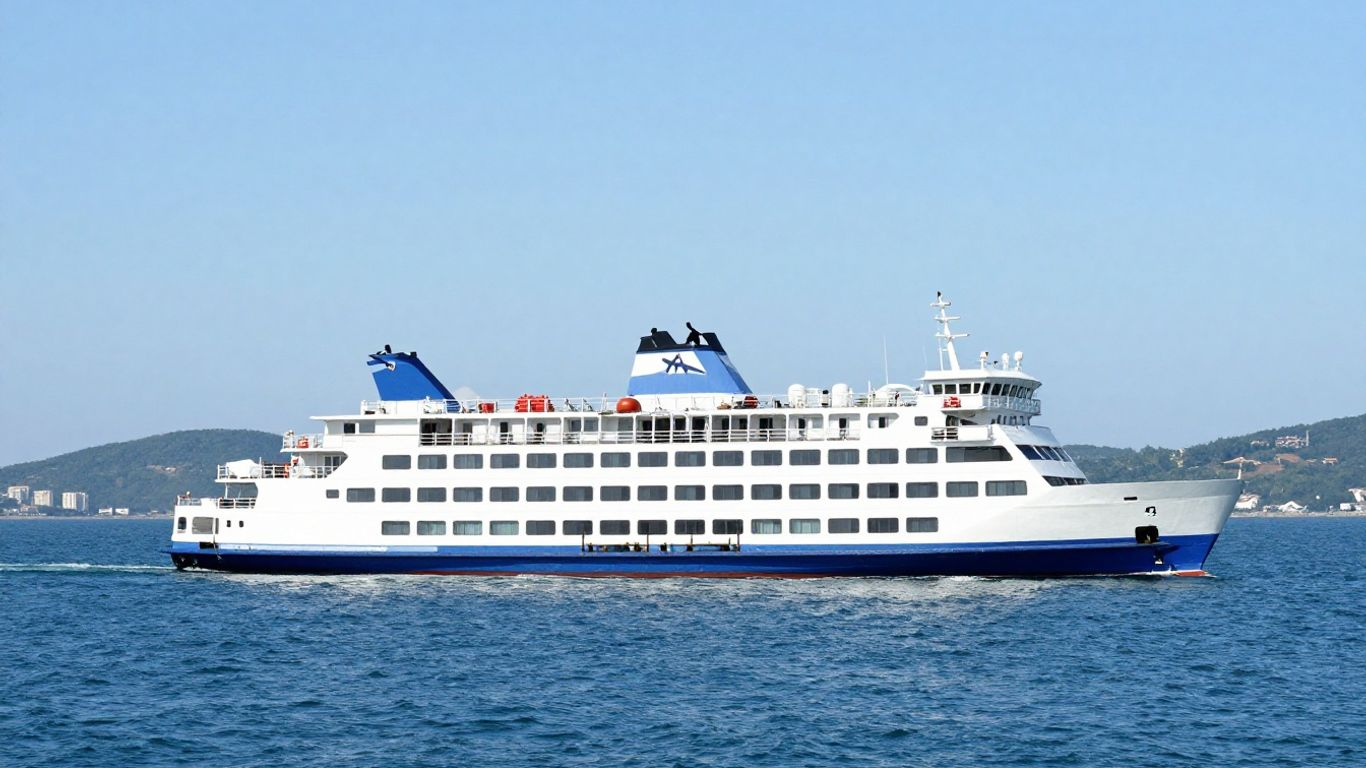
Thinking about a trip from Ireland to Spain? A ferry to Bilbao from Ireland might just be the ticket. It’s a bit different from flying, offering a more relaxed way to travel. You can bring your car, take your pet, and actually see the sea! This guide will walk you through everything you need to know, from booking your spot to what to do when you get there. Let’s get you sorted for your journey across the Bay of Biscay.
Key Takeaways
- The ferry to Bilbao from Ireland is a direct route, saving you the hassle of multiple connections.
- Booking in advance is a good idea, especially during peak travel times, to get the best prices and availability.
- Consider when you travel; off-peak times might offer lower fares and a quieter journey.
- Familiarise yourself with onboard facilities and services, including dining and entertainment options, before you sail.
- Plan your transport to and from the ferry terminals in both Ireland and Bilbao to make your trip smoother.
Planning Your Ferry to Bilbao from Ireland
So, you’re thinking about taking the ferry from Ireland to Bilbao? It’s a bit of an adventure, but a really rewarding one if you’re looking to avoid flying and see a bit more of the journey. Let’s break down how to get this sorted.
Understanding The Ferry Route
This isn’t your typical short hop across the Channel. The ferry from Ireland to Bilbao is a proper sea voyage, connecting Rosslare in County Wexford with the vibrant city of Bilbao in northern Spain. It’s a direct route, which is a big plus, meaning no changes or fuss once you’re onboard. Ferries typically run a couple of times a week, so you’ll need to check the schedule to fit it in with your plans. This is the only direct ferry route connecting Ireland and Spain.
Booking Your Crossing
Booking in advance is pretty much a must, especially if you’re travelling during peak season or with a vehicle. You can usually book directly through the ferry operator’s website. When you book, you’ll need to provide details for all passengers, including any children. If you’re bringing your car, you’ll need its registration details. It’s worth comparing prices too, as sometimes different days or times can have slightly different fares. Keep an eye out for any special offers they might be running.
Choosing The Right Time To Travel
When you decide to go can make a big difference. Summer months, naturally, are the busiest and often the most expensive. The weather is usually best then, but you’ll be sharing the ferry with more people. Spring and autumn can be lovely times to travel, with fewer crowds and often more reasonable prices. Winter travel is possible, but you might encounter rougher seas, and the onboard atmosphere can be a bit quieter. Ferries generally depart from Rosslare starting around 9:00 AM, so factor that into your departure day plans.
Remember that this journey takes a significant amount of time, often over 24 hours. It’s more of a mini-cruise than a quick hop, so pack accordingly and be prepared for a few days at sea.
Here’s a quick look at what to consider:
- Seasonality: Summer is popular but busy. Spring and autumn offer a good balance.
- Cost: Prices can fluctuate based on the time of year and how far in advance you book.
- Duration: Be prepared for a longer journey, typically spanning more than a day.
- Vehicle: If bringing a car, book this well in advance as spaces can be limited.
Essential Information For The Ferry Journey
So, you’ve decided on the ferry to Bilbao from Ireland – brilliant choice! Now, let’s get down to the nitty-gritty of what you can expect on this rather long, but hopefully enjoyable, trip. It’s not quite like hopping on a plane, is it? This journey takes a good chunk of time, around 31 hours, so being prepared is key. Knowing what’s what before you even get to the port will make a huge difference.
What To Expect Onboard
These ferries are more like floating hotels than just a way to get from A to B. You’ll find a range of facilities designed to keep you comfortable and entertained during the crossing. Think restaurants, cafes, and bars where you can grab a bite or a drink. There are usually lounges with seating, and some ships even have shops for a bit of browsing. For those who need it, there are usually accessibility services available, so it’s worth checking with the ferry operator beforehand if you have specific requirements.
- Dining Options: From full meals in a restaurant to lighter snacks in a cafe, you won’t go hungry.
- Relaxation Areas: Find a quiet spot in a lounge or enjoy the sea views from the deck.
- Shopping: Pick up any last-minute essentials or souvenirs.
- Entertainment: Some ferries might have TVs or even live music, though don’t expect a full theatre show!
The sheer length of the journey means you’ll have plenty of time to settle in. It’s a good idea to pack a small bag with things you’ll want easy access to, like a book, your charger, and any medications, rather than rummaging through your main luggage.
Bringing Your Vehicle Aboard
If you’re taking your car, motorcycle, or even a campervan, there are a few things to remember. You’ll need to arrive at the port with plenty of time to spare – usually a couple of hours before departure is recommended, but always check your booking confirmation. Make sure your vehicle is in good condition and that you have all the necessary documentation, like your driving licence and vehicle registration. Once you’re onboard, your vehicle will be parked in the car decks, and you won’t have access to it during the voyage. So, pack your overnight bag before you drive on!
Pet Travel Policies
Bringing your furry friends along? That’s great! Most ferry companies are pet-friendly, but policies can vary quite a bit. Some might require your pet to stay in your vehicle, while others offer dedicated pet-friendly cabins or kennels onboard. You’ll definitely need to declare your pet when you book and have all their vaccination and health records up to date, especially their rabies vaccination. It’s always best to check the specific pet travel rules for the company you’re travelling with well in advance to avoid any surprises at the port. They’ll be able to tell you exactly what’s needed for your dog or cat to make the journey.
Navigating To And From Bilbao Port
Getting to the ferry and then finding your way around once you arrive is a big part of the trip, isn’t it? It’s not just about the sailing itself. Let’s break down how to get to the Irish departure point and what to expect when you land in Bilbao.
Getting To The Irish Departure Port
Most likely, you’ll be setting off from Rosslare Europort in County Wexford. It’s Ireland’s main port for services to mainland Europe, so it’s pretty well set up for travellers. If you’re driving, make sure you know the route in advance. There are clear signs once you get close, but it’s always good to have a map or GPS handy. For those relying on public transport, there are bus services that connect to major towns and cities, linking up with the ferry departures. Always check the latest schedules for both buses and ferries before you travel, as they can change.
- By Car: Follow signs for Rosslare Europort. There’s ample parking available, though it might cost a bit for longer stays.
- By Bus: Several bus companies operate routes to Rosslare. Check with Bus Éireann or Wexford Bus for specific timetables.
- By Train: While there isn’t a direct train station at the port, you can get a train to Wexford town and then take a local bus or taxi.
Arriving In Bilbao
When your ferry docks at the Port of Bilbao, you’ll be arriving at the Santurtzi terminal. This is a modern facility, and the process for disembarking, especially with a vehicle, is usually straightforward. You’ll follow the signs for vehicle collection or pedestrian exit. If you’re travelling as a foot passenger, you’ll head towards the main terminal building. The port is quite active, so keep an eye out for instructions from port staff. The Port of Bilbao has been working to improve connections, and the ferry service is a key part of that resumption of services.
Disembarking can sometimes take a little while, especially if you’re in a vehicle. Be patient, and have your documents ready just in case they’re needed for a quick check.
Local Transport Options In Bilbao
Once you’re out of the port area, you’ll need to figure out how to get to your accommodation or your next destination. Santurtzi is a town in its own right, but it’s also well-connected to Bilbao city centre.
- Metro: The Bilbao Metro is efficient and clean. The nearest station to the port is Santurtzi, which connects directly to the city centre. It’s a good option for avoiding traffic.
- Taxis: Taxis are readily available outside the ferry terminal and at ranks within Santurtzi and Bilbao. They’re a convenient, though more expensive, choice.
- Buses: Local bus services operate from near the port and connect to various parts of Bilbao. This can be a cost-effective way to travel if you’re not in a hurry.
Getting around Bilbao itself is pretty easy once you’re in the city. The metro is great for longer distances, while walking is perfect for exploring the Old Town (Casco Viejo) and the riverside areas. Taxis are always an option if your feet get tired.
Making The Most Of Your Bilbao Ferry Trip
So, you’ve booked your ferry to Bilbao from Ireland, and now it’s time to think about how to actually enjoy the journey. It’s more than just getting from A to B; it can be a really nice part of your holiday.
Onboard Entertainment And Dining
Most ferries these days aren’t just basic transport. They’ve got quite a bit going on to keep you occupied. You’ll usually find a restaurant or two, offering everything from quick snacks to more formal meals. Think about it – a proper sit-down dinner while watching the sea go by? It’s a nice change from airport food, that’s for sure. There are often bars too, perfect for a pre-dinner drink or just a place to relax. Some ships even have lounges with live music or entertainment, especially on longer routes like this one. It really can feel like a mini-cruise, a lovely, relaxing start to your holiday. Staff are friendly and helpful from the moment you step on board, making the whole experience feel quite special.
When it comes to food, it’s worth checking what’s available beforehand if you have specific dietary needs. Generally, you’ll find a decent range, but it’s always good to be prepared. Prices can be a bit higher than on land, so budgeting for this is a good idea. Some people like to bring their own snacks and drinks, which is usually fine, but check the specific ferry company’s policy on that.
Preparing For Your Arrival In Spain
As you get closer to Bilbao, it’s a good time to start thinking about what’s next. If you’re driving, make sure you know where you’re heading from the port. Having a map or GPS ready is a good plan. It’s also a good moment to sort out any Spanish currency you might need for immediate expenses, like a coffee or a taxi.
Getting your bearings before you dock can save a lot of hassle. Think about where you’re staying and how you’ll get there. A little bit of pre-planning goes a long way to making your arrival smooth and stress-free.
It’s also a good idea to have your travel documents easily accessible. You’ll need them when disembarking, and you don’t want to be rummaging through bags at the last minute. Think about what you’ll need for the first few hours in Bilbao – perhaps a change of clothes if you’re heading straight to accommodation, or just your phone and wallet if you’re planning to explore immediately.
Exploring Bilbao After Your Ferry
Once you’ve landed in Bilbao, the adventure really begins! The port itself is quite modern, and getting out and about is usually straightforward. Depending on where you’re staying or what you want to see first, you’ll have a few options. Public transport is generally good, with buses and trams connecting the port area to the city centre. Taxis are also readily available if you prefer a more direct route or have a lot of luggage.
Don’t rush straight into the main tourist spots if you don’t have to. Sometimes, just wandering around the immediate area near the port can give you a feel for the place. Bilbao has a lot to offer, from its famous Guggenheim Museum to its charming old town (Casco Viejo).
Here are a few ideas to get you started:
- Guggenheim Museum: Even if you’re not an art buff, the building itself is spectacular. Book tickets in advance if you plan to go inside.
- Casco Viejo (Old Town): Get lost in the narrow streets, discover pintxos bars, and soak up the atmosphere.
- Ría de Bilbao: Take a stroll along the river, which has been beautifully revitalised.
- Local Markets: Visit places like Mercado de la Ribera for a taste of local life and food.
Remember, the ferry journey itself is part of the experience, so take your time and enjoy the transition into your Spanish holiday. Arriving in Bilbao by sea offers a unique perspective, and it’s a fantastic way to start your exploration of this vibrant Basque city.
Considering Alternatives To The Ferry
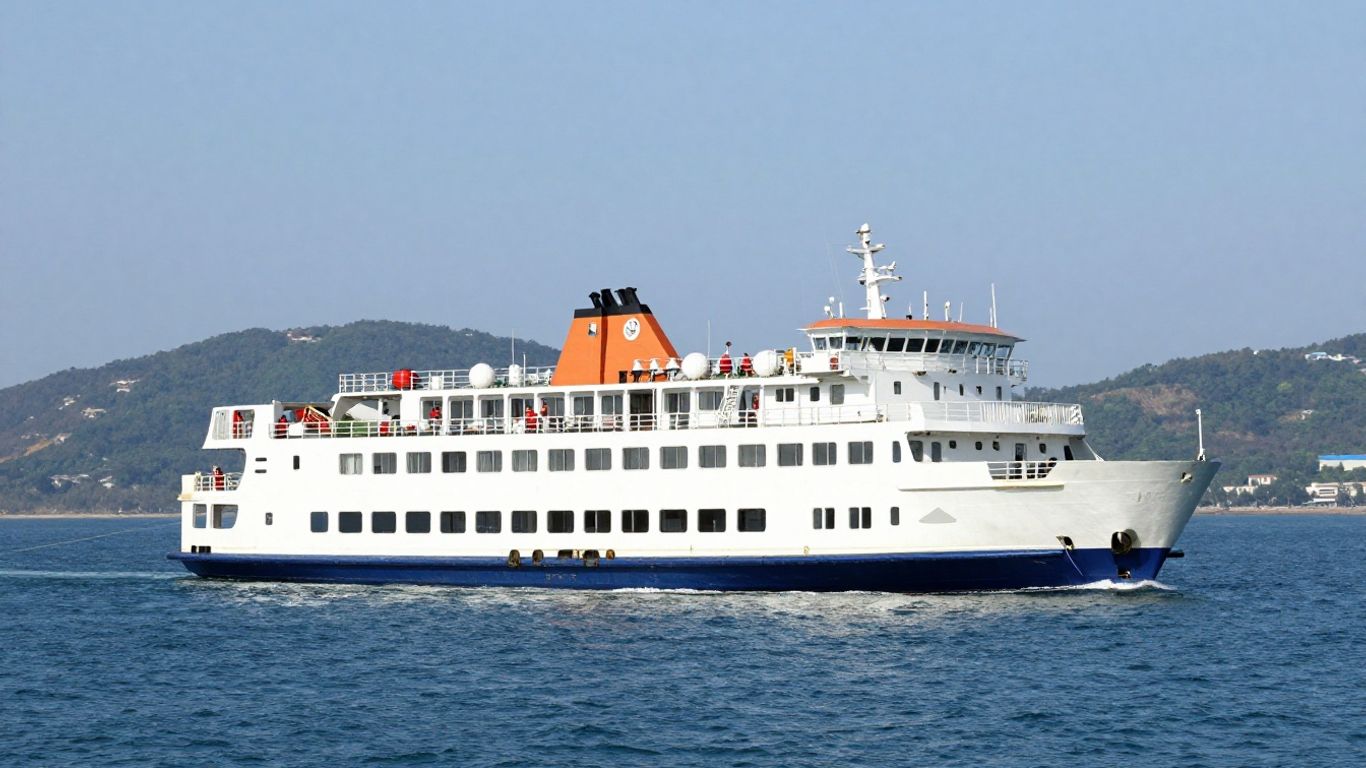
So, you’re thinking about the ferry to Bilbao from Ireland, but maybe you’re wondering if there are other ways to get there? It’s always a good idea to look at all your options, right? While the ferry is a pretty unique experience, it’s not the only game in town.
Flying To Bilbao From Ireland
Let’s be honest, flying is usually the quickest way to get from A to B. If you’re short on time, or just prefer to be on the ground sooner rather than later, then hopping on a plane might be your best bet. You can usually find flights from major Irish airports like Dublin to Bilbao. The flight time itself is generally around two to three hours, which is a massive difference compared to the ferry’s overnight journey. You’ll need to factor in getting to the airport, check-in times, and then getting from Bilbao Airport into the city, but even with all that, it’s still a speedy option.
When you’re looking at flights, it’s worth checking out different airlines and comparing prices. Sometimes you can snag a real bargain, especially if you book in advance. Just remember to check baggage allowances, as these can vary wildly and add unexpected costs.
Driving Via The Continent
This is a bit more of an adventure, and honestly, it’s for those who really enjoy being behind the wheel and seeing the sights. Instead of taking the direct ferry, you could drive to a port in the UK, catch a ferry to France, and then drive all the way down through France and into Spain to reach Bilbao. It’s a proper road trip!
Here’s a rough idea of what that might involve:
- Ferry from UK to France: Ports like Dover to Calais are common, and the crossing is quite short, usually around 90 minutes.
- Driving through France: This is the big part. You’re looking at a significant amount of driving, potentially a couple of days, depending on where you stop.
- Crossing into Spain: Once you’re in northern Spain, it’s a relatively straightforward drive to Bilbao.
This option gives you total freedom to stop wherever you fancy along the way. Fancy a detour to see some chateaux in the Loire Valley or a quick stop in Bordeaux? You can do it! It’s a much slower pace, but for some, that’s exactly the point. You’ll need to budget for fuel, tolls in both France and Spain, and accommodation if you plan to break up the journey. You might even consider a ferry to northern Spain from the UK, though these are less frequent than the French routes. For example, there are ferry services to Bilbao that depart from Rosslare, but these are operated by Brittany Ferries and take a considerable amount of time.
Choosing how you travel really depends on what you want from your trip. If you want to relax and let someone else do the driving, the ferry is great. If you’re in a hurry, flying makes sense. And if you love the open road and want to explore along the way, then driving via the continent is your ticket. There’s no single ‘best’ way, just the best way for you.
When you’re weighing up your options, think about:
- Cost: Compare flight tickets, ferry prices, fuel, tolls, and accommodation.
- Time: How long do you have for your journey?
- Luggage: How much stuff are you bringing?
- Experience: Do you want a relaxing journey or an adventure?
So, is the Ferry to Bilbao for You?
Right then, that’s the lowdown on getting from Ireland to Bilbao by ferry. It’s certainly a different way to travel, isn’t it? Forget the rush of airports; this is more about the journey itself. You get to see the sea, maybe spot some dolphins, and arrive in Spain feeling a bit more relaxed. It might take a bit longer than flying, sure, but for a bit of an adventure and a change of pace, it’s a pretty good option. Just remember to book ahead, especially in peak season, and pack a good book. Happy travels!
Frequently Asked Questions
How long does the ferry trip from Ireland to Bilbao take?
The ferry journey from Ireland to Bilbao is quite a long one, often taking around 30 hours. It’s a good idea to settle in and make yourself comfortable for the trip!
Can I take my car or motorbike on the ferry?
Yes, you absolutely can! The ferry is designed to carry vehicles, so you can bring your car or motorbike along for the adventure. Just make sure to book a space for it when you get your ticket.
What should I do if I want to bring my pet?
Most ferry companies allow pets, but they usually have specific rules. You’ll need to check with the ferry operator about their pet policy, as some might require pets to stay in kennels or specific pet-friendly cabins.
What kind of things can I do on the ferry?
Ferries to Bilbao are often quite well-equipped. You can usually find places to eat, relax, and sometimes even enjoy entertainment. Think of it as a floating hotel for a couple of days!
When is the best time of year to travel by ferry to Bilbao?
The best time really depends on what you’re looking for. Summer months are popular for warmer weather, but can be busier. Spring and autumn offer milder conditions and potentially fewer crowds, which might be more pleasant for your journey.
What are the options if I don’t want to take the ferry?
If the ferry isn’t your cup of tea, you could consider flying directly to Bilbao from Ireland, which is much quicker. Alternatively, you could drive through mainland Europe, but this is a much longer and more involved trip.