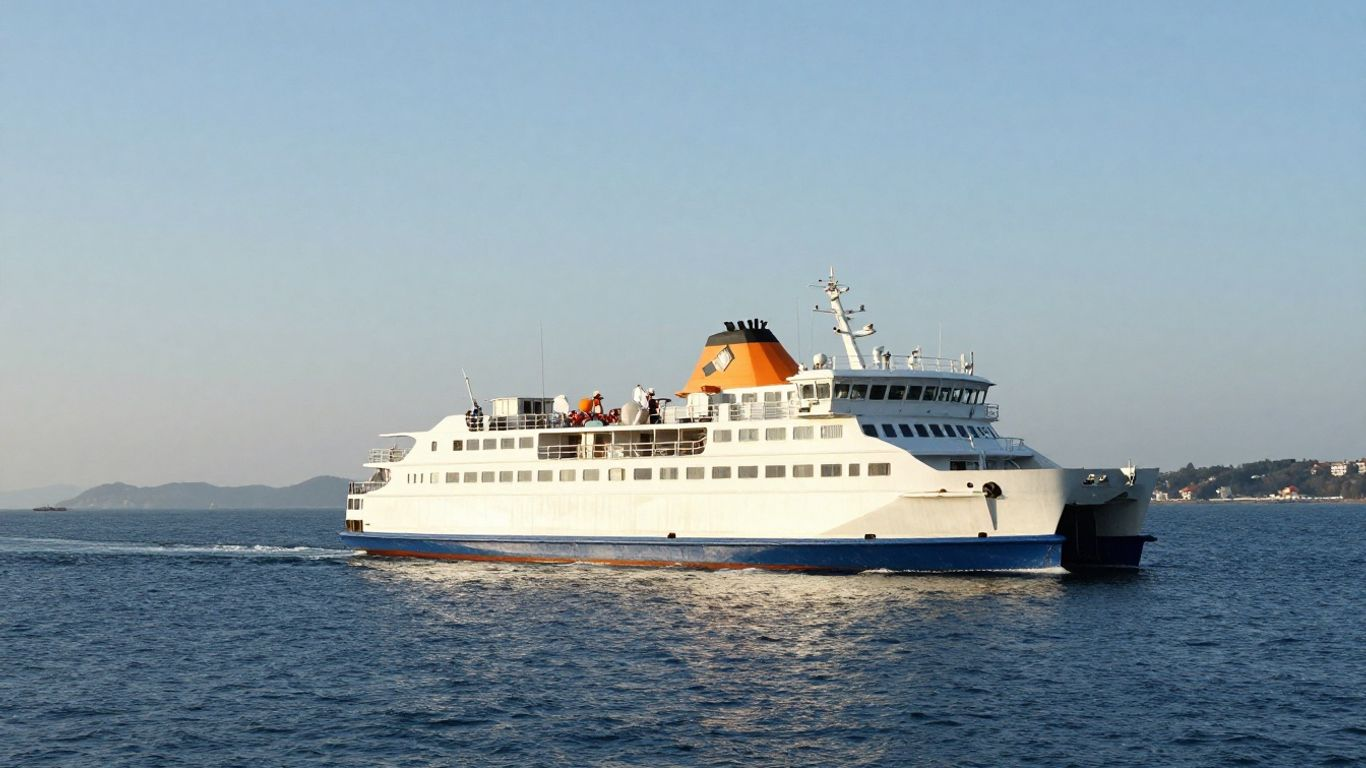
Thinking about a trip from Newcastle to Amsterdam? It’s a pretty cool way to travel, honestly. Instead of flying, you can hop on a ferry and wake up in the Netherlands. It saves you the hassle of airports and lets you start your holiday as soon as you step on board. This guide is here to help you sort out all the details for your ferry newcastle to amsterdam journey, from booking to what to expect when you get there. Let’s get planning!
Key Takeaways
- The ferry newcastle to amsterdam route is operated by a specific company, so check their website for schedules and prices.
- Booking your ferry ticket in advance is usually a good idea, especially during busy periods, to get the best deals.
- Onboard, you’ll find different cabin types and places to eat. Think about what you’ll need for your overnight stay.
- When you arrive in Amsterdam, the port is a short trip from the city centre, making it easy to start exploring.
- Consider packing essentials and checking ferry policies, particularly if you’re travelling with pets or need specific facilities.
Booking Your Ferry Newcastle to Amsterdam
Getting your ferry ticket sorted is the first big step in planning your trip from Newcastle to Amsterdam. It’s not complicated, but there are a few things to think about to make sure you get the best deal and the right crossing for you.
Choosing Your Ferry Operator
Right now, the main company running this route is DFDS Seaways. They’re the ones you’ll be looking at for your journey. They operate the ferry from Newcastle International Passenger Terminal to Amsterdam (well, technically Ijmuiden, which is the port for Amsterdam). It’s a pretty straightforward choice as they’re the only game in town for this specific route, so you don’t have to spend ages comparing different companies.
Understanding Ticket Options and Prices
Fares can change quite a bit depending on when you travel, what day of the week it is, and how far in advance you book. You’ll find different prices for different types of tickets. For example, a basic foot passenger ticket will be cheaper than bringing your car. You can often find deals, sometimes as much as 50% off for certain travellers, so keep an eye out for those special offers.
Prices can start from around $464, but remember that doesn’t include any extra fees. It’s always a good idea to use their booking system to see the exact prices for your dates. They sometimes have a ‘Deal Finder’ tool which can help you spot the cheapest times to go.
Here’s a rough idea of what you might pay:
| Ticket Type | Approximate Price Range |
|---|---|
| Foot Passenger (Day Return) | $50 – $100 |
| Foot Passenger (Overnight) | $70 – $150 |
| Car + 2 Passengers (Overnight) | $200 – $400 |
Prices are estimates and can vary significantly.
When To Book Your Crossing
This is a bit of a balancing act. Booking too early might mean you miss out on a last-minute deal, but booking too late could mean higher prices and fewer options, especially if you need a specific cabin or are travelling during peak times like school holidays or bank holidays. Generally, booking at least 2-3 months in advance is a good bet for the best prices and availability, particularly for overnight crossings.
Booking well ahead is usually the best way to secure your preferred travel times and potentially save some money. Don’t leave it until the last minute, or you might find yourself paying more than you need to, or worse, finding no availability at all.
If you’re flexible with your dates, you might find cheaper fares. Mid-week crossings are often less expensive than weekend ones. You can check out the ferry schedules to get a better idea of when things are busiest.
Preparing For Your Journey
Right then, you’ve booked your ferry from Newcastle to Amsterdam – brilliant! Now comes the part where you get ready to actually go. It’s not complicated, but a bit of thought beforehand makes the whole experience smoother. Let’s get you sorted.
What To Pack For The Ferry
Packing for a ferry trip is a bit different from flying. You don’t have those strict baggage weight limits, which is a relief. Think about what you’ll need for the overnight journey and your time in Amsterdam. Layers are always a good idea, as the temperature can change. Don’t forget any medications you might need, and maybe a good book or some downloaded shows for the journey. If you’re travelling with kids, pack some of their favourite toys or games to keep them entertained. And definitely bring your travel documents – passport, booking confirmation, that sort of thing. It’s also worth packing a small overnight bag with essentials like toiletries and a change of clothes, so you don’t have to rummage through your main luggage in the cabin.
- Passport and booking confirmation
- Toiletries and personal items
- Medications
- Entertainment (books, tablets)
- Comfortable clothing and sleepwear
- Chargers for electronic devices
Arriving At The Port
Getting to the ferry terminal at North Shields is pretty straightforward. If you’re driving, follow the signs for DFDS Seaways. There’s parking available, but it can get busy, so allow plenty of time. Public transport is also an option; there are bus services that run to the terminal. Make sure you know which terminal your ferry departs from, as there can be different operators. It’s always better to arrive a bit early than to be rushing. Check the ferry operator’s website for the most up-to-date information on arrival times and directions. You’ll need your booking reference handy when you get there.
Check-In Procedures
Check-in is usually done at the terminal. If you’re travelling with a vehicle, you’ll typically check in at a dedicated desk where your car will be scanned and you’ll be given instructions on where to park before boarding. For foot passengers, there’s usually a separate check-in area. You’ll need to present your booking confirmation and your passports. They’ll issue your boarding passes and cabin keys (or codes) here. It’s a good idea to have your passport ready for this stage. The staff are usually helpful, so if you’re unsure about anything, just ask.
Arriving at the port with ample time is key. It takes the pressure off and allows you to deal with any unexpected delays or questions without feeling stressed. Plus, you can grab a coffee and relax before the boarding process begins.
Life Onboard The Ferry
So, you’ve booked your ferry from Newcastle to Amsterdam, and now you’re wondering what it’s actually like to spend the night at sea. It’s not quite a cruise ship, but it’s certainly more than just a basic ferry ride. Think of it as a floating hotel that happens to be crossing the North Sea.
Cabin Accommodation Explained
When you book your ticket, you’ll likely have the option to choose a cabin. This is definitely the way to go if you want to get some proper rest before hitting Amsterdam. Cabins range from basic inside rooms with bunk beds to more comfortable en-suite options with sea views. Most cabins are designed for two to four people, so if you’re travelling solo or as a couple, you might have a bit of extra space. They usually come with bedding and towels, but don’t expect luxury suites – they’re functional and clean, perfect for a night’s sleep.
Dining and Entertainment Options
Don’t worry about going hungry or getting bored. The ferries are equipped with a few different places to eat and drink. You’ll typically find a main buffet restaurant offering a range of dishes, often with a focus on international or European cuisine. There’s usually a more casual cafe or bistro too, good for a quick snack or a lighter meal. For a bit of evening relaxation, there’s often a bar or lounge area. Sometimes there’s live music, or at least a place to grab a drink and chat. You might also find a small shop selling essentials, souvenirs, and snacks. It’s worth checking the specific operator’s website for details on what’s available on your sailing, as it can vary.
Travelling With Pets
Bringing your furry friend along? Most ferry operators allow pets, but there are specific rules. Dogs often need to travel in designated kennels onboard or stay in your vehicle (though this isn’t always recommended, especially during warmer months). Some routes might offer pet-friendly cabins, but these are limited and need to be booked well in advance. Always check the operator’s pet policy before you travel to understand the requirements for vaccinations, carriers, and onboard procedures. It’s a bit of planning, but it means your pet can come along for the adventure.
The overnight journey is a great chance to recharge. You can have dinner, relax in the lounge, and then head to your cabin for a good night’s sleep. Waking up refreshed and ready to explore Amsterdam is a definite plus of this travel method.
Arriving In Amsterdam
So, you’ve made it across the North Sea! The ferry docks in IJmuiden, which is a bit outside the main city, but don’t worry, getting to Amsterdam is pretty straightforward. The journey from the port to the city centre is part of the adventure, really.
Disembarking The Ferry
Once the ferry has docked, you’ll usually be guided off by the crew. It’s a good idea to have your belongings ready to go. If you’re travelling by car, you’ll follow the signs for vehicle disembarkation. For foot passengers, it’s generally a quicker process. Just follow the signs and the flow of people.
Getting From The Port To The City Centre
This is where you’ll need a bit of a plan. The port isn’t exactly in the heart of Amsterdam, so you’ve got a few options:
- Bus: There’s a dedicated bus service that runs directly from the ferry terminal in IJmuiden to Amsterdam Central Station. It’s usually timed to meet the ferry arrivals, making it super convenient. The journey takes about an hour.
- Taxi/Ride-Share: You can grab a taxi or use a ride-sharing app, but this will be the most expensive option. It’s a good choice if you have a lot of luggage or are travelling in a group and want to split the cost.
- Car Rental: If you’ve hired a car, you’ll pick it up near the port. This gives you the most flexibility once you’re in Amsterdam, but remember parking can be a challenge and costly in the city.
It’s worth checking the ferry operator’s website before you travel for the most up-to-date information on transport links, as these can sometimes change. Booking ferry tickets in advance can secure the best prices, and this includes information on onward travel too [e1b9].
The bus is generally the most popular and cost-effective way for foot passengers to reach Amsterdam. It drops you right at the main train station, which is a great hub for exploring the city further.
Exploring Amsterdam’s Attractions
Once you’re in the city, Amsterdam opens up with its canals, museums, and vibrant atmosphere. You’re spoiled for choice, really. Here are a few ideas to get you started:
- Canal Cruise: You absolutely have to do a canal cruise. It’s the best way to see the city from a different perspective and learn a bit about its history.
- Museums: Amsterdam has world-class museums like the Rijksmuseum, Van Gogh Museum, and Anne Frank House. Book tickets for these well in advance, especially Anne Frank House – it sells out months ahead!
- Wander the Jordaan District: Get lost in the charming streets of the Jordaan, with its independent boutiques, cosy cafes, and picturesque canals.
- Dam Square: The historical heart of the city, home to the Royal Palace and the National Monument.
Remember to wear comfortable shoes, as you’ll likely be doing a lot of walking. And don’t forget to look up – the architecture is stunning!
Making The Most Of Your Trip
So, you’ve booked your ferry, you’re packed, and you’re ready to go. But how do you make sure this trip is more than just a ferry ride and a few days away? It’s all about planning ahead and thinking about the little things that can make a big difference.
Maximising Your Time In Amsterdam
Amsterdam is a city that really rewards exploration. Don’t just stick to the main tourist spots; wander down some of the smaller canals, pop into local bakeries, and just soak up the atmosphere. Consider getting a public transport card; it makes hopping between areas so much easier and saves you time hunting for tickets each time. If you’re keen on museums, booking tickets online in advance is a must, especially for popular ones like the Rijksmuseum or Anne Frank House. This avoids long queues and lets you spend more time enjoying the exhibits.
Here are a few ideas to get you started:
- Canal Cruise: It might sound cliché, but seeing the city from the water is a fantastic way to get your bearings and appreciate the unique architecture.
- Explore Different Neighbourhoods: Beyond the centre, check out areas like De Pijp for its market and trendy cafes, or Jordaan for its charming streets and independent boutiques.
- Rent a Bike (Carefully!): Cycling is the Dutch way, but be aware of the local cycling etiquette. Stick to the bike lanes and be mindful of other cyclists and trams.
Amsterdam has a unique vibe, and while the famous sights are great, the real magic often happens when you stumble upon something unexpected. Allow for spontaneous detours; they often lead to the best memories.
Tips For A Smooth Return Journey
Heading back to Newcastle is usually a bit more relaxed, but a little preparation goes a long way. Make sure you know the disembarkation times and have your belongings organised. If you’ve bought any souvenirs or duty-free items, keep them accessible. It’s also a good idea to have some snacks or drinks with you for the journey back, especially if you’re travelling overnight. This can save you a bit of money and means you don’t have to rely solely on the onboard shop or restaurant.
Alternative Travel Considerations
While the ferry is a brilliant option, it’s always good to know what else is out there. Flying is obviously quicker, but you have to factor in travel to and from airports, security, and potential baggage fees. Driving yourself gives you maximum flexibility once you’re in Amsterdam, but parking can be expensive and tricky. For this particular route, the ferry offers a unique experience, combining travel with onboard entertainment and accommodation, which can be a real advantage for families or those who prefer a more relaxed start to their holiday. It’s about choosing what fits your travel style and budget best.
So, Ready for Your Amsterdam Adventure?
Right then, that’s pretty much it for getting you sorted for the ferry from Newcastle to Amsterdam. It’s not as complicated as it might seem at first, is it? Just a bit of planning ahead, really. Make sure you’ve got your tickets booked, know what time you need to be there, and maybe pack a few snacks for the journey. It’s a good way to travel, a bit more relaxed than flying, and you wake up right in the city. Hopefully, this guide has made it all a bit clearer. Have a cracking trip!
Frequently Asked Questions
How long does the ferry journey from Newcastle to Amsterdam take?
The ferry trip usually takes around 15 to 16 hours. It’s an overnight journey, so you’ll travel while you sleep and wake up ready to explore Amsterdam!
Which companies run ferries between Newcastle and Amsterdam?
Currently, the main company offering this route is DFDS. They have modern ships with lots of things to do onboard.
When is the best time to book my ferry tickets?
It’s a good idea to book your tickets a few months in advance, especially if you’re planning to travel during busy holiday periods like summer or Christmas. Booking early often means you’ll get better prices.
Can I take my car or pet on the ferry?
Yes, you can! You can bring your car along, which is super handy for exploring the Netherlands. They also allow pets, but you’ll need to check their specific rules and book a pet-friendly cabin or space.
What kind of rooms can I stay in on the ferry?
You can choose from different types of cabins. Some are basic and just for sleeping, while others are more like small hotel rooms with en-suite bathrooms and even sea views. There are also options for people travelling without a car.
How do I get from the Amsterdam port to the city centre?
Once you arrive at the port in IJmuiden, which is near Amsterdam, there’s usually a shuttle bus service that takes you directly to Amsterdam Central Station. From there, you can easily catch trams, buses, or the metro to anywhere in the city.