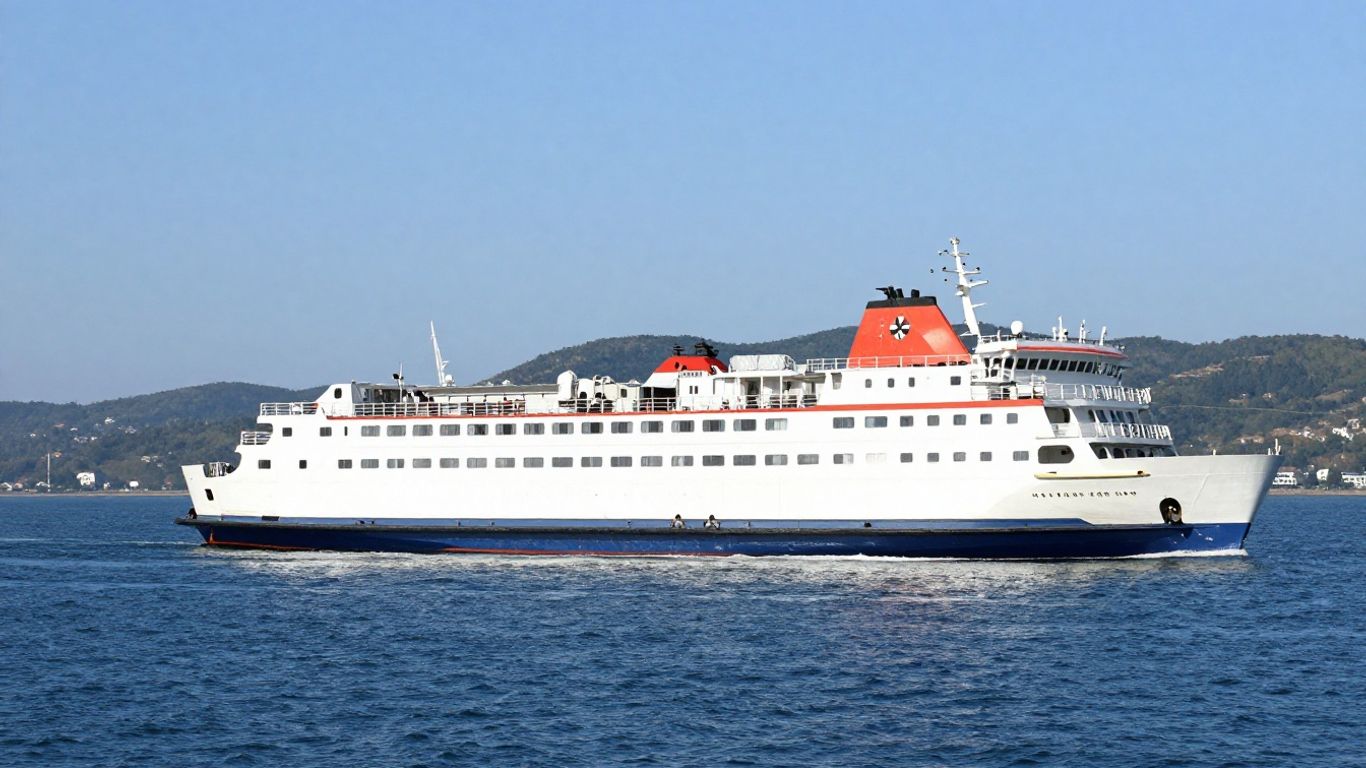
Thinking about a trip across the Channel? The ferry from Le Havre to Portsmouth is a really popular route, and for good reason. It’s a straightforward way to get your car and yourself from France to the UK, or vice versa. I’ve done it a few times, and while it’s not exactly a holiday cruise, it gets the job done nicely. This guide should help you sort out all the bits and bobs you need to know before you go, from booking to what to expect when you get there. So, let’s get you ready for your ferry from Le Havre to Portsmouth.
Key Takeaways
- Book your ferry from Le Havre to Portsmouth in advance, especially during busy periods, to get the best prices and availability.
- Figure out the best way to get to the Le Havre ferry terminal, whether you’re driving or using public transport, and allow plenty of time for check-in.
- Familiarise yourself with the onboard facilities, dining options, and cabin choices to make your crossing as comfortable as possible.
- Know what to expect when you arrive at Portsmouth port, including disembarking procedures and how to continue your journey.
- Pack smart, consider travelling with pets if needed, and be prepared for the length of the crossing to ensure a smooth trip.
Planning Your Ferry from Le Havre to Portsmouth
So, you’re thinking about taking the ferry from Le Havre over to Portsmouth? It’s a pretty decent way to travel, especially if you’ve got a car or just fancy a bit of a break from flying. Getting this bit right is key to a good trip, so let’s break it down.
Booking Your Crossing
First things first, you need to book your ticket. It sounds obvious, but there are a few things to consider. The main ferry operator on this route is Brittany Ferries. Booking in advance is usually the best bet, especially if you’re travelling during peak season or holidays. You can book directly through their website or use a comparison site. When you book, you’ll need to know your travel dates, how many people are travelling, and if you’re bringing a vehicle. If you’re travelling as a foot passenger, it’s a bit simpler, but still worth booking ahead to get the dates you want. It’s a bit like booking train tickets, really – the earlier you sort it, the better the choice you’ll likely have.
Choosing Your Travel Dates
When you decide to go makes a big difference. Summer months, like July and August, are the busiest and often the most expensive. If you can travel outside of these times, you might find better prices and fewer crowds. Spring and autumn can be lovely times to travel, with milder weather and generally more availability. Weekends are also typically more popular than weekdays. Think about what you want from your trip – if it’s just getting from A to B, a mid-week, off-season crossing might be perfect. If you’re planning a holiday, you’ll want to factor in school holidays and bank holidays.
Understanding Ferry Ticket Options
Ferry tickets aren’t all the same, and it’s worth looking at what’s on offer. You’ll usually have a few choices:
- Standard Ticket: This is your basic crossing. If you’re bringing a car, this covers the vehicle and the passengers inside it.
- Foot Passenger Ticket: For those travelling without a car. You’ll need to make your own way to the terminal.
- Cabin Accommodation: For longer crossings, like this one which can take a few hours, you might want to book a cabin. These range from basic en-suite rooms to more comfortable options. It’s a good idea if you want to get some sleep or just have a private space.
- Pet-Friendly Travel: If you’re bringing a pet, you’ll need to check the specific rules and book appropriate facilities, which might be a kennel or a pet-friendly cabin.
The ferry crossing from Le Havre to Portsmouth is a journey that offers a different pace compared to flying. It allows you to relax and watch the sea, and if you have a car, it’s incredibly convenient for continuing your travels on either side of the Channel. Don’t forget to check the ferry company’s website for the most up-to-date information on schedules and services before you finalise your plans.
When you’re looking at booking, remember to check the specific details for the Le Havre to Portsmouth route, as services can vary. It’s always good to have a clear idea of what your ticket includes before you pay.
Getting to Le Havre Ferry Terminal
So, you’ve booked your ferry from Le Havre to Portsmouth – brilliant! Now, let’s talk about actually getting to the terminal itself. It’s not exactly in the city centre, so a bit of planning is needed, especially if you’re driving.
Directions for Drivers
If you’re driving your car to the port, you’ll want to follow signs for "Ferry" or "Brittany Ferries" (as they are the main operator on this route). The terminal is located in the commercial port area, so don’t be surprised if it feels a bit industrial. The address you’ll want to pop into your satnav is Terminal Ferry, Port 4, 76600 Le Havre.
- From the A29 motorway, take exit 7 towards Le Havre.
- Follow signs for "Port 4" or "Ferry Terminal".
- Keep an eye out for the Brittany Ferries signage, which will guide you the final stretch.
- Allow plenty of time for potential traffic, especially during peak holiday seasons.
Public Transport to the Port
Getting to the Le Havre ferry terminal without a car is certainly possible, though it requires a bit more effort. The local bus network, operated by LiA (Le Havre’s public transport), can get you close. Bus line 8 usually goes towards the port area, but it’s wise to check the latest timetables as routes can change. The nearest stop might still be a walk from the actual terminal building, so pack comfy shoes.
If you’re arriving in Le Havre by train, the main station is a fair distance from the ferry port. You’ll likely need to catch a local bus or a taxi from the station to reach the terminal. It’s worth factoring this transfer time into your journey.
Arrival and Check-in Procedures
Once you arrive at the terminal, follow the signs for check-in. If you’re travelling with a vehicle, you’ll typically check in at a booth where your booking and vehicle documents will be scanned. For foot passengers, there’s usually a separate check-in area inside the terminal building. You’ll need your booking confirmation and valid passports for everyone travelling. It’s a good idea to arrive at least an hour before your scheduled departure, especially if you’re driving, to allow for check-in and any last-minute queues. This gives you a bit of breathing room before you board, making the whole experience less rushed. You can find more details on check-in procedures on the operator’s website.
Life Aboard the Ferry
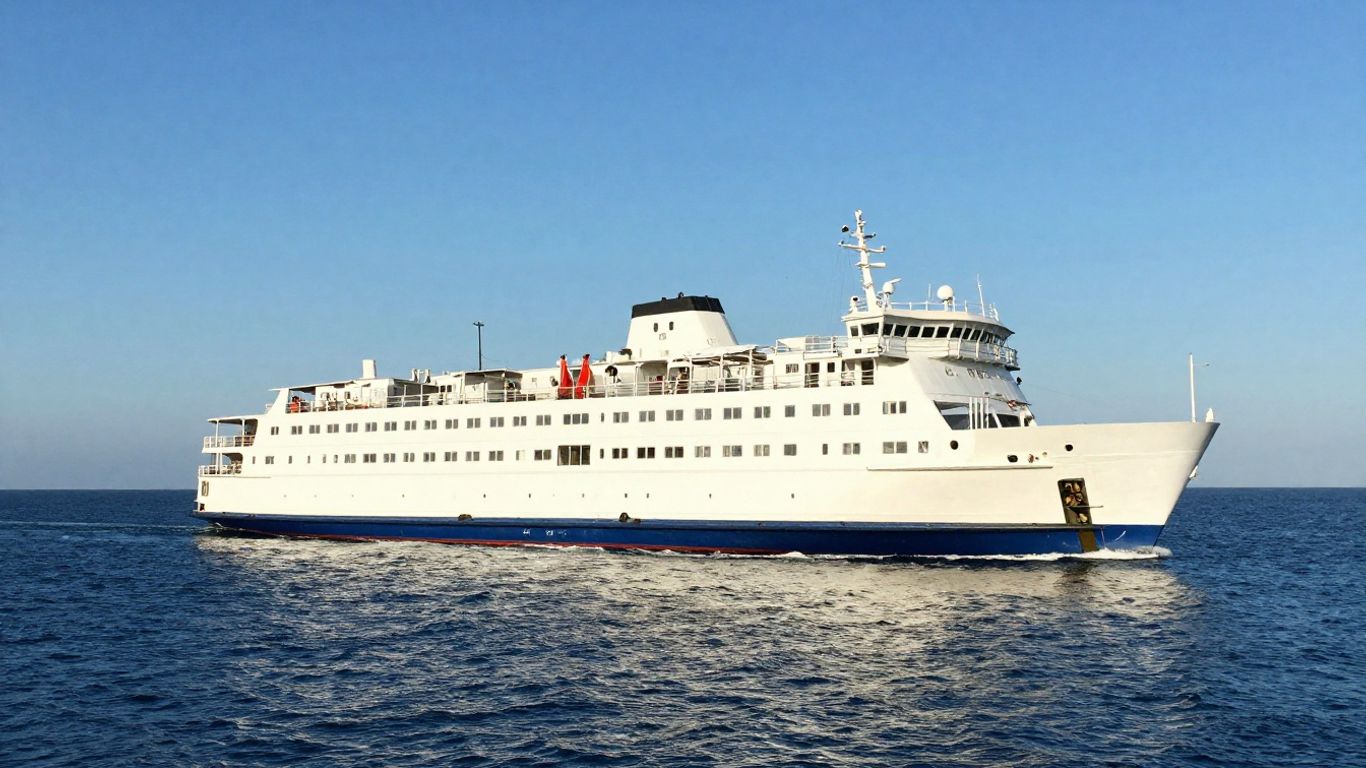
So, you’ve booked your ferry from Le Havre to Portsmouth and you’re wondering what it’s like on board? Well, it’s not just about getting from A to B; the ferry crossing itself can be part of the holiday experience. Most ferries on this route are quite substantial vessels, offering a range of facilities to make your journey comfortable and enjoyable.
Onboard Facilities and Amenities
When you step onto the ferry, you’ll find there’s more to do than just stare out at the sea. Most ships have a few different areas to relax in. You’ll usually find a lounge area, sometimes with a TV, which is a good spot to unwind. For those who need to stay connected, Wi-Fi is often available, though it might come with a charge. It’s worth checking the specifics for your chosen operator before you sail.
- Lounges: Comfortable seating areas, often with televisions.
- Shops: Usually stock essentials, gifts, and maybe some local treats.
- Wi-Fi: Available on most sailings, but check for costs.
- Children’s areas: Some ferries have play zones to keep younger travellers occupied.
Remember that the sea can be unpredictable. If you’re prone to motion sickness, it’s a good idea to bring along any medication you might need. Staying on deck and looking at the horizon can sometimes help, too.
Dining and Refreshment Options
Feeling peckish during your trip? You won’t go hungry. There are typically a couple of places to grab a bite. You might find a more formal restaurant, often called a ‘Brasserie’, which serves a range of meals, including breakfast if you’re on an overnight sailing. For something quicker, there’s usually a cafe or bar area offering snacks, sandwiches, and drinks. It’s a good idea to have a look at the menus when you first board to get an idea of what’s on offer and the prices. Some people prefer to bring their own snacks, which is generally fine, but check the ferry company’s policy on this.
| Meal Type | Typical Options |
|---|---|
| Breakfast | Full English, continental, pastries, coffee |
| Lunch/Dinner | Sandwiches, salads, hot meals, burgers, pasta |
| Snacks | Crisps, chocolate, fruit, pastries |
| Drinks | Soft drinks, tea, coffee, beer, wine, spirits |
Cabin Accommodation and Comfort
If you’ve opted for a cabin, this is your private space for the duration of the crossing. Cabins can range from basic rooms with bunk beds and an en-suite toilet/shower to more luxurious options. They’re a great way to get some proper rest, especially on longer or overnight journeys. You can store your luggage here and generally have a quiet place to relax away from the public areas. Having a cabin really makes a difference to how refreshed you feel upon arrival. If you’re travelling as a foot passenger and haven’t booked a cabin, you’ll be allocated a seat in a shared lounge area, which is perfectly comfortable for shorter trips. For overnight crossings, a cabin is highly recommended for a good night’s sleep.
Arriving in Portsmouth
So, you’ve made it across the Channel! Disembarking the ferry in Portsmouth is usually a pretty straightforward affair. The crew will make announcements when it’s time to head back to your vehicle or gather your belongings if you’re on foot. Follow the signs carefully as you leave the ferry; they’ll guide you towards the terminal building and onward travel options.
Disembarking the Ferry
If you’re in a car, you’ll be directed to drive off the ship. It can feel a bit like a maze at first, but just stick to the marked lanes. For foot passengers, it’s a simple walk off the ramp. Keep an eye on the ferry arrival times board in the terminal just in case there are any last-minute changes, though it’s rare.
Navigating Portsmouth Port
Once you’re through the initial disembarkation, you’ll find yourself in the main terminal building. There are usually facilities like toilets, a small shop, and information desks. If you’re meeting someone, this is the spot. For those continuing their journey, signs will point you towards different transport links.
- Car Hire: If you’ve pre-booked a car, look for the relevant company desks.
- Taxis: A taxi rank is typically located just outside the terminal.
- Public Transport: Bus stops and train station information are usually well-signposted.
It’s always a good idea to have your onward travel plans confirmed before you even step on the ferry. Knowing where you’re headed next makes the arrival process much less stressful.
Continuing Your Journey from Portsmouth
Portsmouth International Port is well-connected. The main train station is a short bus or taxi ride away, offering services to London and other major cities. Local bus routes also serve the port area. If you’re driving, follow the signs for the A27 and M27 motorways, which link you to the wider UK road network. Remember to factor in potential traffic, especially if you’re travelling during peak times. You’ll need to have your passport ready for any checks, similar to arriving in France from the UK.
Tips for a Smooth Ferry from Le Havre to Portsmouth
So, you’re planning a ferry trip from Le Havre to Portsmouth? Brilliant! It’s a pretty straightforward journey, but a few little things can make it even better. Think of this as your cheat sheet to avoid any last-minute panics.
Packing Essentials for Your Trip
When packing for a ferry, it’s a bit different from a quick flight. You can actually bring a decent amount of stuff, which is a big plus. Don’t forget any travel documents; they’re a must!
Here’s a quick list of things that are good to have handy:
- Travel Documents: Passports, tickets, booking confirmations. Keep them somewhere easily accessible.
- Entertainment: Books, downloaded movies, podcasts. The crossing can take a few hours, and Wi-Fi can be spotty.
- Comfort Items: A neck pillow, a cosy jumper, maybe some snacks from home. The sea air can be chilly, even in summer.
- Medication: Any personal prescriptions or travel sickness remedies. It’s always better to be prepared.
- Chargers: For all your devices. There are usually charging points, but it’s wise to have your own.
Travelling with Pets
Bringing your furry friend along? Most ferry companies are pretty good with pets, but rules can vary. Usually, dogs need to stay in your vehicle or in designated kennels on board. Some routes might have pet-friendly cabins, but you’ll need to book these well in advance. Always check the specific pet policy of your ferry operator before you travel. It’s a bit of a hassle, but seeing your dog happy on holiday makes it worthwhile.
What to Expect During the Crossing
The ferry journey itself is usually quite relaxed. Once you’re onboard, you can explore the ship, grab a bite to eat, or just find a comfy spot to watch the waves. The sea can sometimes be a bit choppy, especially if the weather isn’t great. If you’re prone to motion sickness, taking some precautions beforehand is a good idea. Most ferries have stabilisers to reduce rocking, but it’s still something to consider. The crossing is a great chance to unwind before you reach your destination. It’s a different pace to flying, and honestly, quite enjoyable if you go with the flow. The views as you approach either Le Havre or Portsmouth can be quite something, too.
The ferry offers a more relaxed way to travel compared to other methods. You get to see the journey unfold, rather than just being in transit. It’s a chance to disconnect a little and enjoy the experience of being at sea.
So, That’s the Le Havre to Portsmouth Ferry
Right then, that’s pretty much the lowdown on getting from Le Havre to Portsmouth by ferry. It’s a decent way to travel if you’re not keen on flying or want to take your car. Just remember to book ahead, especially in peak season, and pack a bit of patience for check-in. It’s not the fastest trip, but it’s a solid option for getting across the Channel. Hopefully, this guide has made it all a bit clearer for you. Happy travels!
Frequently Asked Questions
How far in advance should I book my ferry ticket?
It’s a good idea to book your ferry ticket a few weeks or even months before you plan to travel, especially if you’re going during busy holiday times. This way, you’re more likely to get the best prices and ensure you have a spot on the ferry you want.
What’s the best way to get to the Le Havre ferry terminal?
If you’re driving, you can follow signs for the ferry port. If you’re using public transport, trains and buses often go to Le Havre town centre, and from there you might need a short taxi ride or local bus to reach the ferry terminal itself.
Can I take my pet on the ferry?
Yes, most ferry companies allow pets, but there are usually rules about where they can travel. Some might need to stay in your car, while others can use special pet-friendly cabins or lounges. Always check the ferry company’s policy before you book.
What kind of food is available on the ferry?
Ferries usually have a few different places to eat. You’ll often find a restaurant serving meals, a cafe for lighter snacks and drinks, and sometimes even a bar. The options can vary, so it’s worth checking the specific ferry operator’s website.
What should I do when I arrive at the Portsmouth port?
Once the ferry docks, you’ll need to follow the signs to disembark. If you’re in a car, you’ll drive off. If you’re on foot, you’ll head to the passenger terminal. From there, you can find public transport or taxis to continue your journey.
How long does the ferry journey take?
The ferry trip from Le Havre to Portsmouth typically takes around 8 to 11 hours. It’s an overnight journey for the most part, so you can relax, have dinner, and sleep in a cabin before arriving in the morning.