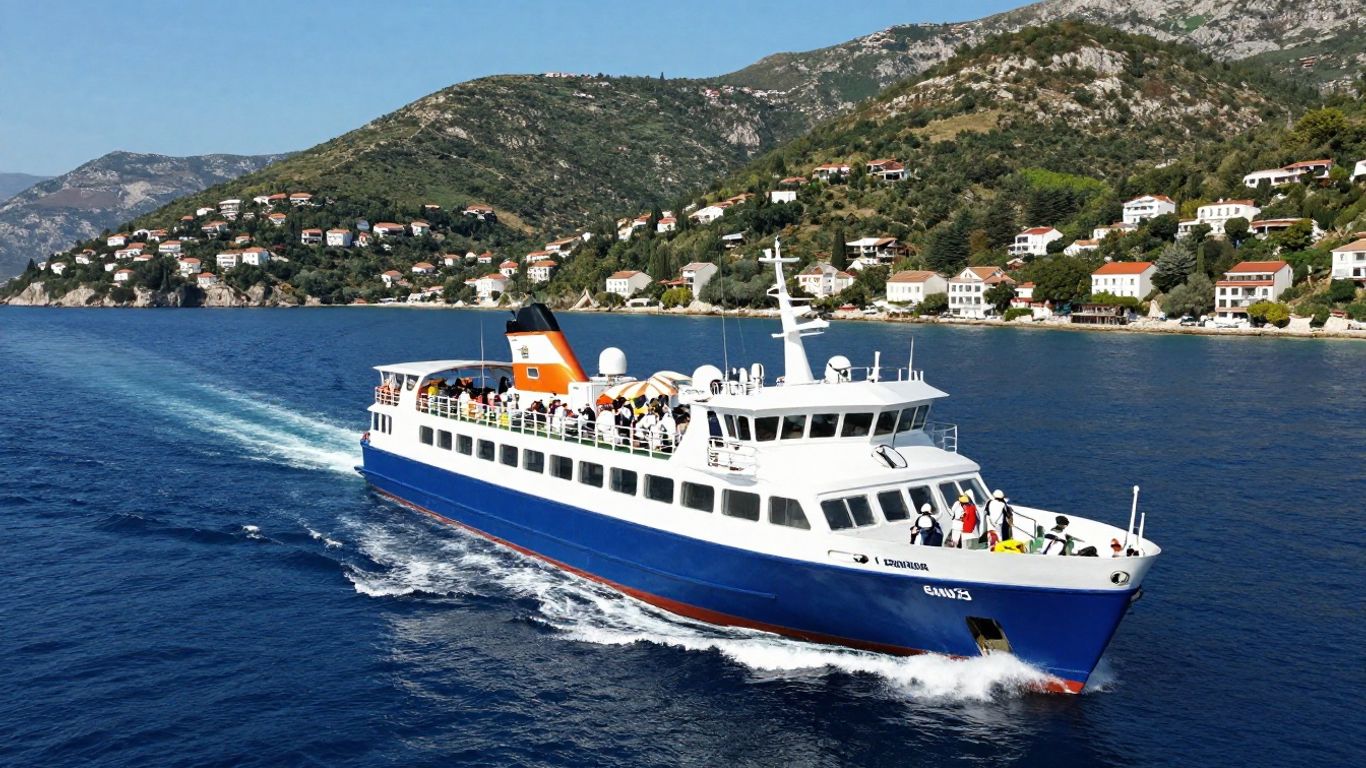
Thinking about a trip from Italy to Corfu by ferry in 2026? It’s a pretty popular way to go, and honestly, it makes a lot of sense. You get to see the sea, and it’s a bit more relaxed than flying, especially if you’re taking your car or even your pet. This guide is here to sort out all the details for your ferry Corfu Italy journey, from picking the right boat to what to do when you get there. Let’s get you sorted for a smooth trip.
Key Takeaways
- Plan your ferry Corfu Italy trip well in advance, especially for 2026, to get the best routes and prices.
- Understand the different ticket types available to make sure you’re getting what you need for your journey.
- Be aware of what’s on the ferry, including rules for pets and bringing your car.
- Know the main Italian ports that offer routes to Corfu and how to get to them.
- Think about when you’re travelling, what to pack, and how much money you’ll need for the whole experience.
Planning Your Ferry Corfu Italy Journey
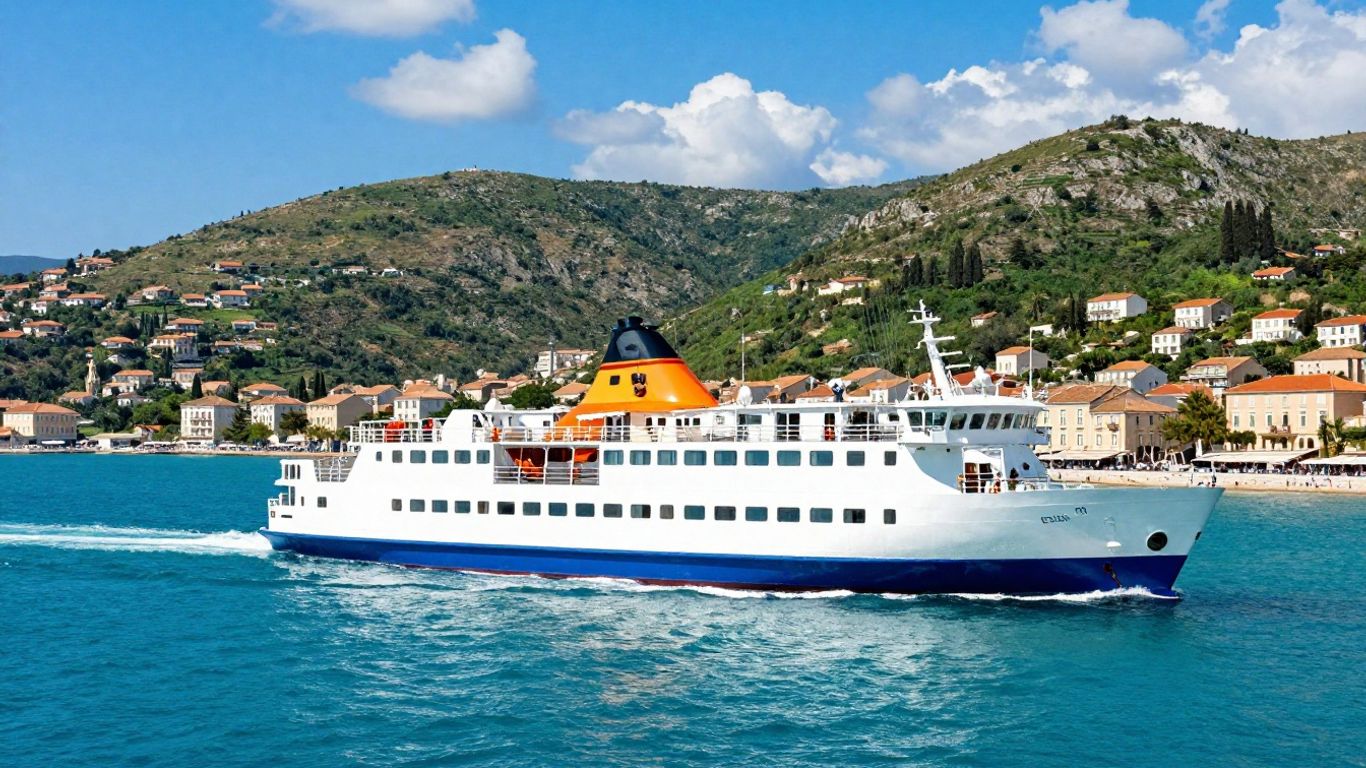
So, you’re thinking about hopping over to Italy from Corfu by ferry in 2026? It’s a cracking idea, really. It beats flying hands down for a lot of people, especially if you want to take your car or just enjoy the sea breeze. But like anything, a bit of planning goes a long way to make sure your trip is smooth sailing, no pun intended.
Choosing The Right Ferry Route
When you’re looking at ferries from Corfu to Italy, it’s not just a one-size-fits-all situation. You’ve got a few options, and they all depend on where in Italy you’re aiming for and what kind of experience you want. Some routes are quicker, some might be overnight, and some go to different parts of the Italian coast. For instance, you might find direct services to places like Bari or Ancona, which are popular entry points. It’s worth checking out the different ferry operators to see which routes they cover and what times work best for you. The most common routes tend to be from Corfu to the southern Italian ports, making the journey a bit shorter.
Here’s a quick look at some typical routes:
- Corfu to Bari: Often a popular choice, with a decent number of sailings.
- Corfu to Ancona: A bit further north, but still very accessible.
- Corfu to Brindisi: Another good option in the south.
Booking Your Ferry Tickets In Advance
Honestly, don’t leave booking your ferry tickets to the last minute, especially if you’re travelling during peak season, like the summer months or around holidays. Ferries can fill up, and prices tend to creep up the closer you get to your departure date. Booking ahead means you’re more likely to get the exact sailing you want, and often at a better price. Plus, it takes a load off your mind knowing that part of your trip is sorted. You can usually book directly with the ferry companies or through online travel agents. It’s a good idea to compare prices across a few different platforms before you commit. You can find updated information on ferry schedules and ticket prices for travel to Italy in 2026 on various sites, which helps you choose your next destination and book your trip. Booking your ferry trip online is a secure and straightforward process with many providers.
Understanding Ferry Ticket Options
When you’re looking at ferry tickets, you’ll notice there are different types of accommodation you can book. It’s not just a case of getting a seat and that’s it. Depending on the length of your journey, you might want to consider different options to make your trip more comfortable.
- Standard Seating: This is usually the most basic and cheapest option. You get a seat in a communal area, similar to an airplane seat, but often a bit more spacious. It’s fine for shorter journeys.
- Private Cabins: For longer trips, especially overnight ones, a private cabin is a game-changer. These can range from basic interiors with no window to more luxurious options with sea views. They offer privacy and a place to properly sleep.
- Pullman Seats: These are often a step up from standard seating, offering more recline and comfort, suitable for journeys that aren’t quite long enough for a cabin but where you want a bit more comfort than a basic seat.
The choice between these options really depends on how long you’ll be on the ferry and what your budget is. For an overnight crossing, splashing out on a cabin can make a huge difference to how refreshed you feel when you arrive in Italy.
Think about what you’ll be doing on the ferry too. If you plan on sleeping, a cabin is definitely the way to go. If you’re happy to stay awake, read a book, or just watch the sea, then a seat might be perfectly adequate.
Essential Information For Your Ferry Trip
So, you’re planning to hop on a ferry from Italy to Corfu. Brilliant! It’s a pretty straightforward way to travel, but there are a few bits and bobs you’ll want to know before you set sail. Getting this sorted beforehand means less stress when you’re actually at the port.
What To Expect Onboard The Ferry
Ferries these days are a far cry from just a basic boat. Most of them are quite large and come with a decent range of facilities. You’ll usually find places to grab a bite to eat, from quick snacks to more substantial meals in a restaurant. There are often shops for picking up last-minute souvenirs or essentials, and seating areas range from open decks where you can catch some sun (weather permitting, of course!) to more comfortable indoor lounges. Some of the larger vessels even have play areas for kids or entertainment lounges. Don’t forget to check what your specific ferry operator offers, as it can vary quite a bit between companies and routes.
- Seating: Options usually include standard airline-style seats, reclining chairs, or sometimes private cabins if you’ve booked one.
- Food & Drink: Cafeterias, snack bars, and restaurants are common.
- Amenities: Look out for shops, restrooms, and sometimes even swimming pools on the bigger ships.
- Entertainment: Some routes might have live music or screens showing films.
It’s always a good idea to have some cash on you for smaller purchases onboard, as not all facilities might accept card payments, especially on older vessels or during busy periods.
Travelling With Pets On The Ferry
Bringing your furry friend along for the adventure? Most ferry companies allow pets, but there are rules. You’ll typically need to declare your pet when booking and may have to pay a small fee. Depending on the company and the size of your pet, they might need to stay in a designated pet area, in your vehicle (if you’re bringing one and it’s allowed), or in a kennel provided onboard. Always check the specific pet policy of your chosen ferry operator well in advance to avoid any surprises at the port. You’ll also need to have your pet’s vaccination records and possibly an EU pet passport or health certificate ready.
Bringing Your Vehicle Onboard
Taking your car, motorbike, or even a campervan to Corfu is a popular choice, and ferries make it simple. When booking, you’ll need to provide details about your vehicle, including its make, model, and registration number. Arrive at the port with plenty of time to spare, as vehicle boarding can take a while. Follow the instructions of the port staff carefully; they’ll guide you to the correct lane and where to park your vehicle on the ferry. Once parked, you’ll usually be asked to switch off your engine and lock your car. You’ll then need to take all your personal belongings and head to the passenger areas for the duration of the crossing. For more details on what you need to have ready, check out the requirements for vehicle passengers.
- Booking: Declare your vehicle type accurately when booking tickets.
- Arrival: Allow extra time for vehicle check-in and boarding.
- Onboard: Follow crew instructions for parking and securing your vehicle.
- Documents: Have your vehicle registration documents and driving licence handy.
Navigating From Italian Ports
So, you’ve decided to hop over to Corfu from Italy. Brilliant choice! But before you can feel that sea breeze, you need to get to the right Italian port. It’s not quite as simple as just picking any old harbour; different ports serve different routes, and some are definitely more convenient than others depending on where you’re starting your Italian adventure.
Key Departure Ports In Italy
When looking at ferry routes from Italy to Corfu, a few ports pop up more often than others. The most common departure points are generally found on Italy’s eastern coast, facing the Adriatic Sea. Think of places like Bari, Ancona, and Venice. Each has its own vibe and accessibility, so it’s worth looking into which one fits best with your travel plans.
- Bari: This is a really popular choice, especially if you’re coming from the southern parts of Italy. It’s a busy port with frequent sailings to Corfu, making it a reliable option. You’ll find plenty of facilities here too.
- Ancona: Situated a bit further north than Bari, Ancona is another major hub for Adriatic crossings. It’s well-connected by train, which is handy if you’re not driving.
- Venice: While perhaps less common for direct Corfu routes compared to Bari or Ancona, Venice can be a departure point, especially for longer journeys or if you fancy starting your trip in that iconic city. It’s a bit of a trek for some, but the experience is undeniable.
It’s always a good idea to check the specific ferry operators for the most up-to-date schedules and which ports they use. Sometimes, smaller ports might have seasonal services, so don’t discount them entirely, but stick to the main ones for the best chance of finding a suitable crossing.
Arrival Ports In Corfu
Most ferries from Italy will dock at the main port of Corfu Town (Kerkyra). This is the island’s capital and the most convenient place to arrive, putting you right in the heart of the action. From here, you can easily access transport to other parts of the island. There aren’t really any other significant ferry arrival points from Italy that would make sense for tourists.
Arriving at Corfu Town port means you’re immediately immersed in the island’s history and culture. The Venetian architecture of the old town is just a short walk away, offering a fantastic first impression.
Getting To Your Italian Departure Port
How you get to your chosen Italian port really depends on where you are in Italy and your travel style. If you’re driving, you’ll need to factor in parking at the port, which can sometimes be a bit pricey. For those relying on public transport, trains are usually a solid bet. Italy has a pretty good rail network, connecting most major cities to coastal towns.
- By Train: This is often the most straightforward and stress-free way to reach ports like Bari or Ancona. Major train stations are usually close to the ferry terminals, sometimes even within walking distance or a short taxi ride.
- By Car: Driving gives you flexibility, especially if you’re travelling with a lot of luggage or a vehicle you plan to take to Corfu. Just make sure you research port parking options in advance, as they can fill up.
- By Bus: Intercity bus services can be a more budget-friendly option, though they might take longer than the train. They often connect smaller towns to the larger port cities.
Remember to give yourself plenty of time to get to the port. Things can get busy, and you don’t want to be rushing at the last minute. Checking the ferry operator’s specific advice on arrival times is always wise, as they often have different recommendations for car passengers versus foot passengers.
Making The Most Of Your Corfu Arrival
So, you’ve made it across the Adriatic, the salty air is still in your hair, and the stunning island of Corfu is finally in sight. What happens next? Getting off the ferry and starting your adventure on the island is pretty straightforward, but a little bit of planning can make it even smoother. Don’t just wander off the boat hoping for the best; have a rough idea of your next steps.
Transport Options From Corfu Port
Once you disembark at the port of Corfu (usually Igoumenitsa or Patras on the mainland, but the ferry arrives in Corfu town), you’ll find a few ways to get around. Taxis are usually waiting right outside the ferry terminal. They’re convenient, especially if you have a lot of luggage, but they can add up cost-wise. For a more budget-friendly option, local buses run from near the port into Corfu Town and other popular destinations. Check the local bus schedules as they can vary, especially outside of peak season. If you’ve booked a rental car, you’ll likely pick it up at an office near the port – make sure you know exactly where to go before you arrive.
Accommodation Near The Port
If your ferry arrives late or you just fancy a relaxed start to your trip, staying near the port can be a good idea. There are a handful of hotels and guesthouses within walking distance or a short taxi ride. This is particularly handy if you’re planning to explore Corfu Town first thing in the morning. You won’t have to worry about lugging your bags too far after a long journey. It’s a good way to ease yourself into the island vibe without immediate travel stress.
Exploring Corfu Town After Arrival
Corfu Town itself is a gem, a UNESCO World Heritage site with Venetian architecture and charming narrow streets. If you’re staying nearby, take some time to wander. The Old Fortress is a must-see, offering fantastic views. You can also explore the Liston, a beautiful arcade inspired by Parisian architecture. Grabbing a coffee or a local bite to eat in one of the many squares is a perfect way to soak up the atmosphere. It’s a great introduction to the island’s unique culture and history before you head off to other parts of Corfu.
Arriving at a new place can be a bit overwhelming, especially after a ferry journey. Taking a moment to orient yourself and knowing your immediate transport and accommodation options will make a big difference to how you start your holiday. It’s all about setting yourself up for a relaxed and enjoyable time on the island.
Maximising Your Ferry Corfu Italy Experience
So, you’ve booked your ferry from Italy to Corfu, brilliant! Now, let’s talk about making sure the whole trip is as smooth and enjoyable as possible. It’s not just about getting from A to B; it’s about the journey itself and being prepared for what awaits you.
Seasonal Considerations For Travel
When you decide to travel really does make a difference. Summer, from June to August, is peak season. Expect warm weather, lively ports, and a buzzing atmosphere. However, it also means higher prices and busier ferries. If you prefer a more relaxed vibe and fewer crowds, consider travelling in the shoulder seasons: April to May or September to October. The weather is still pleasant, the sea is often warm enough for a dip, and you’ll find better deals on tickets and accommodation. It’s a great way to experience the islands without the summer rush, and you might even find it easier to plan your Greek island hopping adventure.
Packing Essentials For Your Ferry Journey
Packing smart is key. You don’t want to be rummaging through your bags on the ferry. Think layers, especially if you’re travelling outside the peak summer months, as the sea breeze can be cool. Don’t forget essentials like:
- Sunscreen and a hat – the sun can be strong, even on cloudy days.
- Comfortable shoes for exploring ports and Corfu.
- A good book or some downloaded podcasts for the journey.
- Any necessary medications.
- A portable charger for your devices.
- A small backpack for day trips once you arrive.
Budgeting For Your Trip
Planning your finances ahead of time takes a lot of the stress out of travelling. The cost of your ferry ticket will likely be your biggest expense, but there are other things to factor in. Think about food and drinks on the ferry (they can be pricey, so packing some snacks is a good idea), port taxes, and then your expenses once you reach Corfu – accommodation, food, activities, and local transport. Having a rough idea of daily costs can help you manage your money better. Remember that prices can fluctuate depending on the season, so booking in advance, especially for ferries, can often save you money. It’s worth looking into different ferry companies to compare prices, as they can vary quite a bit.
Planning a trip like this involves a bit of forethought. Thinking about the time of year, what you’ll need to bring, and how much you’re likely to spend will make your journey much more pleasant. It’s all about being prepared so you can just relax and enjoy the experience once you’re on your way.
Consider looking at common pitfalls to sidestep when planning your trip to ensure you have a smooth journey.
So, Ready for Your Italian Adventure?
Right then, that’s pretty much it for our look at getting from Corfu to Italy by ferry in 2026. We’ve covered the basics, from picking the right route to what to expect when you get there. It’s not exactly a complicated journey, but knowing a few things beforehand can make it a lot smoother. Think of it as the start of your Italian escapade, a nice little sea trip before you hit the mainland. So, whether you’re heading for a quick visit or a longer stay, the ferry is a solid way to go. Just remember to book ahead, especially if you’re travelling in peak season. Enjoy your trip!
Frequently Asked Questions
How long does the ferry trip from Italy to Corfu take?
The journey time can change depending on the ferry company and the specific route you pick. Some ferries are quicker, taking around 4-5 hours, while others might take a bit longer, perhaps 8-10 hours. It’s always a good idea to check the schedule when you book.
Can I take my car or motorbike on the ferry to Corfu?
Yes, most ferries going to Corfu from Italy allow you to bring your vehicle. You’ll need to book a space for it when you get your ferry ticket. Make sure to arrive at the port a bit earlier if you’re bringing a car, as loading can take some time.
When is the best time of year to travel by ferry to Corfu?
The summer months, from June to August, are the most popular times to visit Corfu because the weather is usually lovely and warm. However, it can get quite busy. If you prefer fewer crowds and milder weather, consider travelling in the spring (April-May) or autumn (September-October).
Do I need to book ferry tickets in advance?
It’s highly recommended to book your ferry tickets ahead of time, especially if you’re travelling during peak season (summer) or if you’re bringing a vehicle. Booking early often gets you better prices and guarantees you a spot on the ferry you want.
What facilities are usually available on the ferries?
Ferries often have a range of things to make your trip comfy. You can usually find places to sit, cafes or restaurants for food and drinks, and sometimes even shops. Some longer journeys might have cabins you can book for a rest.
Can I bring my pet on the ferry to Corfu?
Many ferry companies allow pets, but there are rules. You’ll usually need to keep them in a pet-friendly cabin or a designated area on the deck. Always check the specific pet policy of the ferry operator when you book your tickets to make sure everything is in order.