
Thinking about a trip from Belfast to Liverpool? A ferry crossing can be a really nice way to travel. It’s a bit different from flying, and you get to see the sea. This guide is here to help you sort out all the details for your ferry belfast to liverpool journey, from booking your ticket to what to do when you get to Liverpool. Let’s get you ready for your trip across the water.
Key Takeaways
- When booking your ferry belfast to liverpool ticket, check different operators and book ahead for better prices.
- Pack smart for your trip, including any documents you’ll need for travel and disembarking.
- Familiarise yourself with the facilities on the ferry so you know what to expect during your crossing.
- Liverpool’s ferry port is easy to get around, and getting to the city centre is straightforward.
- Once in Liverpool, there’s plenty to see and do, from famous landmarks to day trips.
Booking Your Ferry Belfast To Liverpool Journey
Getting your ferry ticket sorted for the Belfast to Liverpool route is pretty straightforward, but there are a few things to think about to make sure you get the best deal and the most convenient trip. It’s not just about picking a date; it’s about understanding who’s running the show and what you’re actually paying for.
Choosing The Right Ferry Operator
Right now, the main company running the ferries between Belfast and Liverpool is Stena Line. They’re the big players on this particular route, so your options are a bit limited in that sense. It’s worth checking their website directly for the most up-to-date information on sailings and any special offers they might be running. Knowing your operator is the first step to a smooth booking process.
Understanding Ticket Options And Prices
When you look at booking, you’ll see different ticket types. You can go as a foot passenger, which is usually the cheapest way to travel if you’re not bringing a car. If you are driving, you’ll book a ticket for your vehicle, and the price will depend on the size of your car. Prices can change quite a bit depending on when you book and what time of year it is. For example, travelling during peak holiday times will almost always cost more than a mid-week trip in the off-season. You might also find different cabin options if you’re on an overnight sailing, ranging from basic seats to private cabins.
Here’s a rough idea of what you might expect, though these are just estimates:
| Passenger Type | Estimated Starting Price (One Way) |
|---|---|
| Foot Passenger | £50 |
| Car + Driver | £120 |
Remember, these prices can fluctuate, so always check the latest fares.
When To Book Your Ferry Belfast To Liverpool
Generally, the earlier you book, the better the price you’re likely to get. Ferry companies often release their schedules and fares months in advance, and they tend to reward early birds. Booking a few weeks or even months ahead can save you a decent amount compared to leaving it until the last minute. If you’re planning a trip during school holidays or major bank holidays, booking well in advance is a really good idea, as these sailings fill up quickly and prices go up.
Planning ahead is key for ferry travel. It often means better prices and more choice when it comes to sailing times and cabin availability. Don’t leave it too late, especially if you have specific dates in mind.
It’s also worth keeping an eye out for deals. Sometimes operators have sales or special promotions, especially outside of the main summer season. Signing up for email newsletters from the ferry company can be a good way to be alerted to these. For the Belfast to Liverpool route, Stena Line is your primary contact, so keep their site bookmarked. You can find more details about their services on their official website.
Preparing For Your Ferry Belfast To Liverpool Crossing
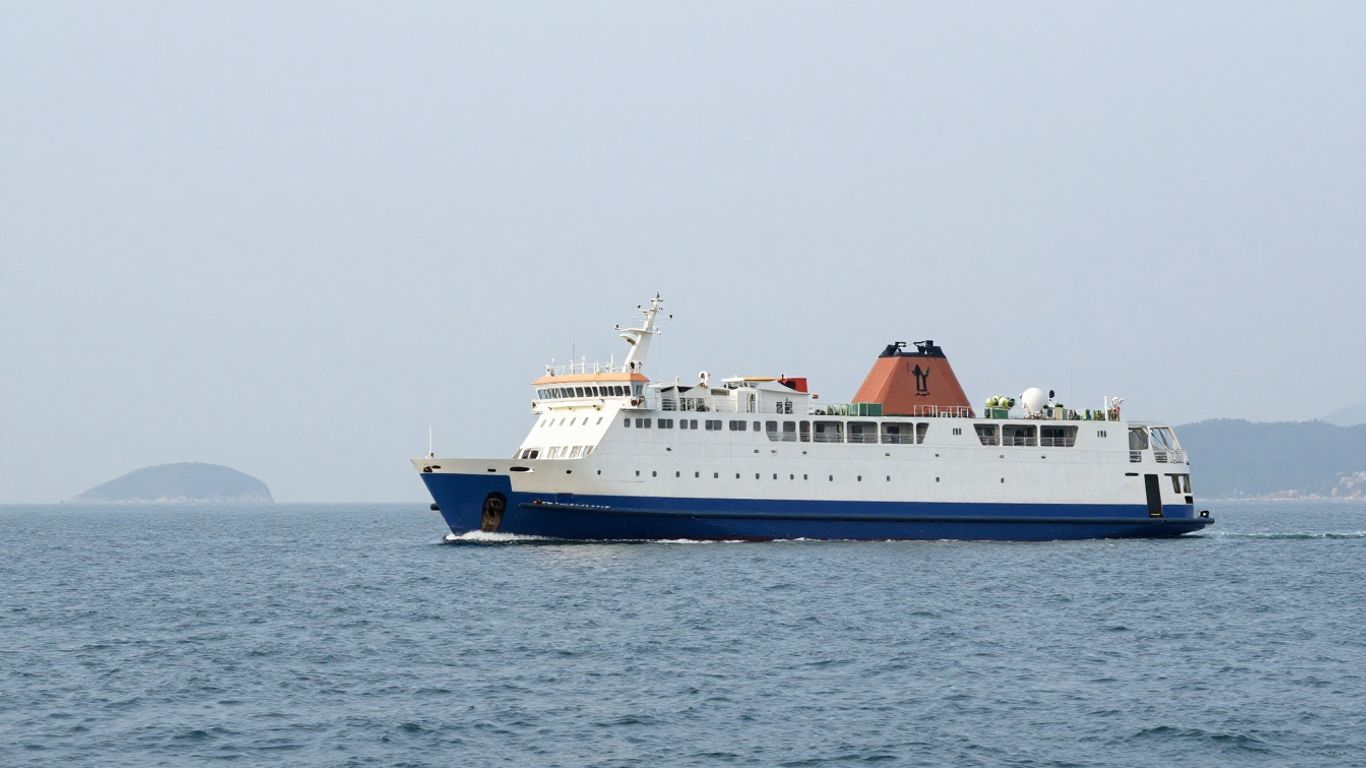
Right then, you’ve booked your ferry from Belfast to Liverpool, brilliant! Now comes the bit where you actually get ready for the trip. It’s not complicated, but a bit of forethought can save you a headache.
What To Pack For Your Sea Voyage
Think about what you’ll need for a few hours at sea, and maybe a bit longer if there are delays. Layers are your friend here. The temperature can change on the ferry, and you don’t want to be caught out. Definitely pack:
- A comfortable travel pillow – trust me, you’ll thank me later.
- Snacks and drinks – while there’s food onboard, having your own favourites is always a good idea, and it can save you a few quid.
- Entertainment – a good book, downloaded podcasts, or a fully charged tablet. The Wi-Fi can be a bit hit and miss, so don’t rely on streaming.
- Any personal medications you might need.
- A small bag with essentials like your phone charger, wallet, and any travel documents, so you don’t have to rummage through your main luggage.
Documents Needed For Travel
This is super important. You can’t just rock up to the terminal without the right paperwork. Make sure your passport is valid and has at least six months left on it. It sounds obvious, but people do get caught out. You’ll also need:
- Your ferry ticket confirmation – printed or on your phone.
- Your passport or other valid photo ID.
- If you’re taking a car, your vehicle registration documents and proof of insurance.
It’s always a good idea to have copies of important documents stored separately, just in case.
Arriving at the ferry terminal with everything in order makes the whole process so much smoother. It means less stress for you and quicker check-ins for everyone.
Arriving At The Ferry Terminal
Plan to get to the terminal with plenty of time to spare. For car passengers, it’s usually recommended to arrive at least 90 minutes before your scheduled departure. Foot passengers might have a little more leeway, but it’s still wise to be early. Follow the signs for check-in and have your booking reference and all your documents ready. Staff will guide you through the process, but being prepared makes it a lot less frantic. If you’re driving, remember to have your vehicle documents handy for inspection. You can find more details on preparing for your car journey if you’re taking your vehicle.
Once checked in, you’ll be directed to where you need to wait or board. Just keep an eye on the announcements and follow the instructions from the ferry staff. It’s all pretty straightforward if you arrive on time and have your papers sorted.
Onboard The Ferry: Your Experience
So, you’ve booked your ferry from Belfast to Liverpool and you’re wondering what it’s actually like on board. Well, it’s more than just a way to get from A to B; it’s a bit of a mini-break in itself. Most journeys take around 8 hours, giving you plenty of time to settle in.
Onboard Facilities And Amenities
These ferries are pretty well-equipped, honestly. You’re not just stuck on a boat with nowhere to go. Think of it like a floating hotel, but with a lot more sea. You’ll find:
- Lounges: Comfortable seating areas where you can just chill out, read a book, or watch the waves.
- Shops: Usually stocked with essentials, souvenirs, and maybe a few treats you forgot to pack.
- WiFi: Available on most sailings, though it can be a bit spotty out at sea, so don’t rely on it for anything super important.
- Restrooms: Clean and accessible facilities are available throughout the ship.
It’s worth remembering that while WiFi is often available, it’s not always the fastest. If you need to get some work done, it might be best to download anything you need beforehand or just embrace the chance to disconnect.
Dining Options During Your Trip
When hunger strikes, you’ve got a few choices. Most ferries have a main restaurant or buffet-style eatery. The food is generally decent, offering a range of hot meals, sandwiches, and snacks. It’s not Michelin-star dining, but it’s certainly a step up from a soggy sandwich. You can usually expect things like:
- Full English breakfasts (if you’re on an early sailing)
- Hot main courses (think pies, pasta, fish and chips)
- Lighter options like salads and soups
- A selection of cakes and pastries for dessert
There’s also often a cafe or bar area where you can grab a coffee, a soft drink, or something a bit stronger, along with lighter bites like pastries or crisps. Prices are what you’d expect for travel – a bit higher than on land, but not outrageous. For a good overview of what to expect, checking out reviews for the specific Stena Line ferry you’re travelling on can be helpful.
Entertainment And Relaxation At Sea
Beyond eating and shopping, there are ways to pass the time. Many ferries have dedicated entertainment areas, sometimes with live music on evening sailings. You can also just find a quiet spot in a lounge and enjoy the journey. If you’re travelling with kids, there might be a play area to keep them occupied. For most people, though, it’s a chance to relax. Maybe you’ll catch up on some sleep, listen to podcasts, or simply gaze out at the Irish Sea. It’s a good opportunity to switch off from the usual hustle and bustle. Some routes even have cinemas, though this is less common on the Belfast to Liverpool service. Remember to check the specific amenities for your chosen ferry line, as they can vary, much like the Dover to Calais route which lists various onboard features.
Arriving In Liverpool: What To Expect
So, you’ve made it across the Irish Sea and the Mersey is in sight! Disembarking the ferry is usually pretty straightforward, but it’s good to know what’s what. The process is generally smooth, but can take a little while depending on how many people are getting off.
Disembarking Procedures
Once the ferry docks, listen for announcements from the crew. They’ll tell you when it’s time to head back to your car (if you’ve travelled with one) or make your way to the passenger exit. If you’re driving, you’ll follow the signs to the vehicle decks and then drive off the ship. Foot passengers will usually be directed towards the main terminal building. It’s a good idea to have your booking confirmation and any necessary travel documents handy, just in case.
Remember that ferry schedules can sometimes be affected by weather or other unforeseen circumstances. It’s always wise to check for any updates before you arrive.
Navigating Liverpool Ferry Port
The ferry terminal at Liverpool is well-equipped to handle arrivals. You’ll find facilities like restrooms and information points. If you’re driving, follow the signs for onward travel. For foot passengers, the terminal building is your first point of contact. You’ll typically find taxi ranks and bus stops just outside, making it easy to get to your next destination. The port is part of the wider Liverpool Cruise Port area, which has a good setup for passengers arriving at the terminal.
Getting To Liverpool City Centre
From the ferry terminal, getting into the heart of Liverpool is quite simple. Here are your main options:
- Taxi: There’s usually a taxi rank right outside the terminal. It’s the quickest way to get to your hotel or a specific attraction, though it will be the most expensive.
- Bus: Local bus services run frequently from near the terminal. Check the local bus timetables for routes heading into the city centre. It’s a more budget-friendly option.
- Walking: Depending on where you’re staying or what you want to see first, the city centre isn’t too far. It’s a pleasant walk along the waterfront if the weather’s good.
If you’re unsure, don’t hesitate to ask for directions at the information desk within the terminal. They’re there to help you get on your way.
Exploring Liverpool After Your Ferry
So, you’ve made it across the Irish Sea and landed in Liverpool! What now? Well, you’re in for a treat. Liverpool is a city bursting with history, culture, and some seriously good vibes. It’s not just about The Beatles, though they’re a big part of it, of course.
Key Attractions In Liverpool
Where do you even start? The waterfront is a must-see. The Royal Albert Dock is a UNESCO World Heritage site and it’s packed with museums, galleries, and places to eat. You’ve got the Tate Liverpool, the Maritime Museum, and the Beatles Story all right there. Walking along the Mersey is pretty special, especially at sunset. If you’re into music, the Cavern Club is an iconic spot, though it can get pretty busy. For a bit of history, St George’s Hall is stunning, and the Liverpool Cathedral is one of the largest in the world – definitely worth a climb for the views.
- The Beatles Story: Immerse yourself in the history of the Fab Four.
- Merseyside Maritime Museum: Discover Liverpool’s seafaring past.
- Walker Art Gallery: Home to a huge collection of paintings and sculptures.
- Liverpool Cathedral: Marvel at its size and enjoy panoramic city views.
Getting Around The City
Liverpool is pretty walkable, especially the city centre and the dock area. You can easily spend a day just wandering around. If your feet get tired, there are plenty of buses that run regularly. Taxis and ride-sharing apps are also readily available. For a bit of fun, you can even hop on a Mersey Ferry – not the one you just arrived on, but a shorter sightseeing trip. It gives you a different perspective of the city skyline.
Getting from the ferry terminal to your accommodation or the city centre is usually straightforward. Most people find it easy to grab a taxi or use a local bus service. Just ask for directions at the port if you’re unsure.
Recommended Day Trips From Liverpool
While Liverpool itself has loads to keep you busy, there are some cracking places nearby if you fancy a change of scenery. Chester is a popular choice, with its Roman walls and medieval streets. It’s only about a 45-minute train ride away. If you’re a fan of the outdoors, the Lake District isn’t too far for a longer day out, though you’d probably want to drive or arrange transport for that. For something a bit different, Portmeirion in Wales is a unique Italianate village that’s quite something to see. You can find out more about travel options for these trips online, but booking train tickets in advance can sometimes save you a few quid. Check train times if you’re planning a trip to Chester or beyond.
All Set for Your Ferry Trip?
So, there you have it. Getting from Belfast to Liverpool by ferry is pretty straightforward once you know the basics. We’ve covered booking your ticket, what to expect on board, and a few tips to make the journey smoother. It’s a good way to travel, really, letting you relax a bit before you hit the road in England. Just remember to check the ferry times and book ahead, especially if you’re taking a car. Have a good trip!
Frequently Asked Questions
How long does the ferry trip from Belfast to Liverpool take?
The ferry journey usually takes around 8 to 9 hours. It’s a good amount of time to relax, grab a bite to eat, or just enjoy the views of the Irish Sea.
Which ferry companies go from Belfast to Liverpool?
Currently, the main company running this route is Stena Line. They offer regular sailings, so you’ll have a few options to pick from.
When is the best time to book my ferry ticket?
It’s a smart idea to book your tickets a few weeks in advance, especially if you’re travelling during busy holiday periods or weekends. Booking early often means you’ll get better prices and more choice.
What should I bring with me on the ferry?
Make sure you have your booking confirmation and a valid photo ID, like a passport or driving licence. For comfort, pack a book, some snacks, and maybe a travel pillow. Don’t forget any medication you might need.
Are there places to eat on the ferry?
Yes, absolutely! Ferries usually have a restaurant or cafe where you can buy meals, snacks, and drinks. It’s a convenient way to keep yourself fed during the crossing.
What can I do on the ferry to pass the time?
You can relax in the lounges, watch a film in the cinema if available, browse the onboard shop, or simply enjoy the sea air on the deck. Some ferries even have play areas for kids.