'''
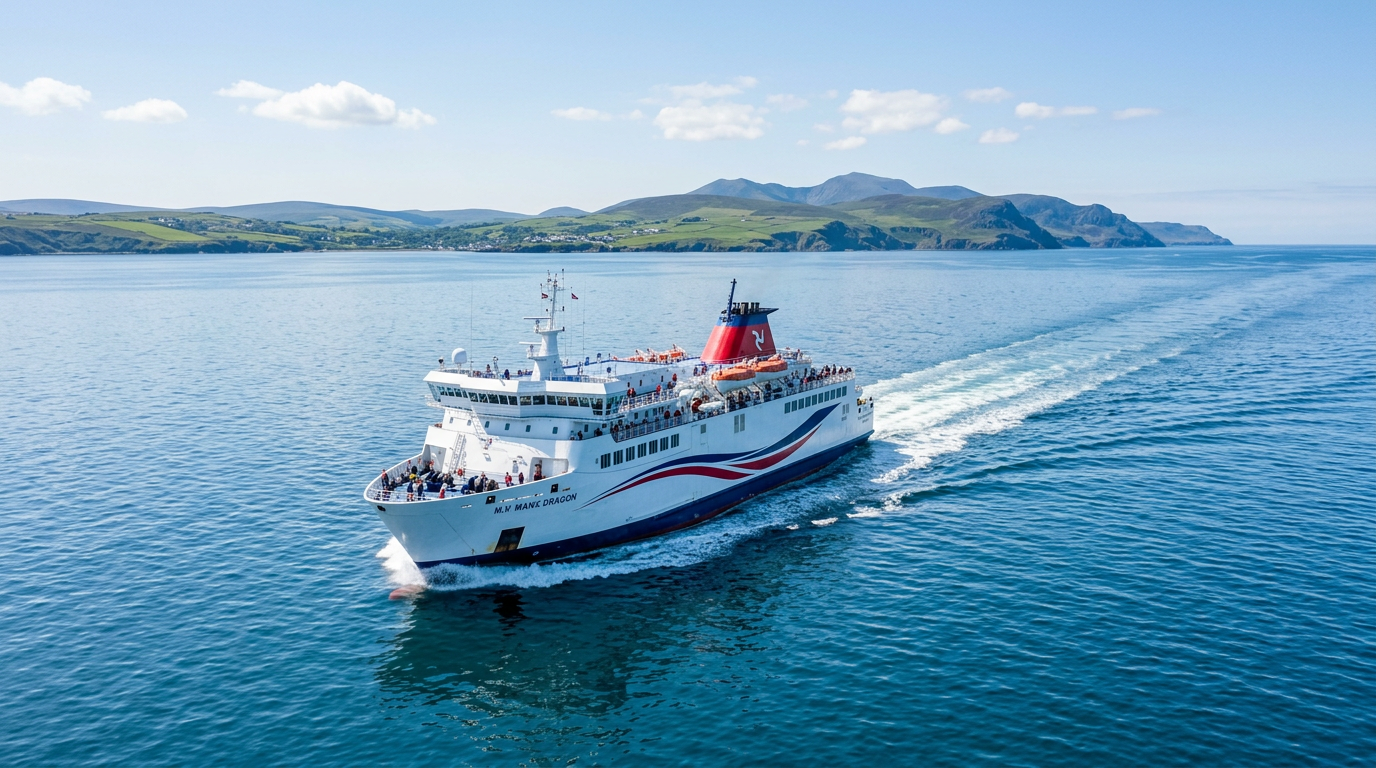
Planning a trip to the scenic Isle of Man? The ferry from Belfast to Douglas is a popular and convenient way to travel, offering the freedom to bring your own vehicle and enjoy the journey across the Irish Sea. However, a common question for many travellers is about the ferry from belfast to douglas prices. Unlike a fixed train fare, ferry pricing is dynamic, meaning costs can vary significantly. This guide is here to demystify the pricing structure, help you understand the influential factors, and provide actionable tips to find the best value for your trip.
Understanding the factors that affect the final cost is the first step towards securing a great deal. From the time of year to the type of ticket you purchase, we will break down everything you need to know to budget effectively for your island adventure.
Understanding the Dynamic Nature of Ferry Fares
Before diving into specific costs, it's crucial to understand that ferry prices operate on a flexible model, much like airline tickets. The price you see today might be different tomorrow. This is primarily driven by supply and demand. The ferry operator, the Isle of Man Steam Packet Company, has a set number of spaces for passengers and vehicles on each sailing. As these spaces fill up, especially on popular crossings, the prices for the remaining tickets tend to rise.
Seasonality plays the biggest role. Summer months, particularly during school holidays and major island events like the TT races, see the highest demand. Consequently, this is when you'll encounter the highest ferry from belfast to douglas prices. Conversely, travelling during the quieter off-season (typically late autumn to early spring, excluding holidays) will almost always yield cheaper fares. Mid-week sailings (Tuesday to Thursday) are also often less expensive than those on Fridays, Saturdays, or Sundays.
Key Factors That Determine Your Ticket Price
Several key components come together to determine the final price of your ferry ticket. Being aware of these will help you tailor your booking to fit your budget.
Time of Booking
The single most effective way to save money is to book as far in advance as possible. Early bookings are often rewarded with lower "early bird" prices. Leaving your booking until the last minute, especially for a peak season trip, will invariably result in paying a premium.
Time of Year and Day of Travel
As mentioned, peak season (June-August, TT race weeks, Christmas, and Easter) is the most expensive time to travel. Shoulder seasons (April-May and September-October) offer a good balance of pleasant weather and more moderate prices. For the absolute lowest fares, look to the low season. The time of day can also have an impact, with overnight or very early morning sailings sometimes being cheaper than daytime crossings.
Passenger Type: Foot vs. Vehicle
A significant price difference exists between travelling as a foot passenger and bringing a vehicle. A standard foot passenger fare is the most basic and affordable option. The price increases substantially when you add a vehicle, and the type and size of that vehicle are also critical factors. For more details, it's worth reading some Belfast Douglas ferry booking tips for a smooth sailing to optimise your choices.
Vehicle Size
If you're bringing a vehicle, its dimensions matter. A standard car fare covers a vehicle up to a certain length and height. If your car is longer, higher (e.g., has a roof box), or if you are bringing a van, motorhome, or caravan, the price will increase accordingly. Motorcycles are a cheaper vehicle option than cars.
Onboard Accommodation
Your standard ticket for this route, which is a relatively short crossing, typically includes a seat in one of the public lounge areas. However, for added comfort and privacy, you can book a private cabin for an additional fee. Cabins come in various sizes (2-berth, 4-berth, inside or with a sea view) and their cost is added on top of your standard fare.
Passenger and Vehicle Fares: A Cost Comparison
To give you a clearer picture, let's explore the typical cost differences you can expect. While exact prices fluctuate, the general structure remains consistent.
-
Foot Passenger: This is the baseline fare and the most economical way to travel. It's ideal for a short break in Douglas if you don't need a car on the island. The cost is a simple per-person rate.
-
Motorcycle: Bringing a motorcycle is the next step up. It costs more than a foot passenger ticket but is significantly cheaper than bringing a car. This is a very popular option, especially during the TT races.
-
Car: This is the most common option for families and those wanting to explore the island's rugged coastline and countryside at their own pace. The fare typically includes the driver and the vehicle, with additional passengers added at a per-person rate. This is where you'll see a notable jump in the ferry from belfast to douglas prices.
-
Motorhome/Caravan: For ultimate freedom, you can bring your accommodation with you. These larger vehicles occupy more space on the car deck and are therefore the most expensive option. Prices are calculated based on the overall length and height of the setup.
Understanding the different timetables for the Belfast-Douglas route can also help you align your travel with potentially less crowded and more affordable sailings.
Expert Tips for Finding the Cheapest Ferry Tickets
Securing the best ferry from belfast to douglas prices often comes down to smart planning. Here are our top tips for getting the most value.
-
Book Well in Advance: This is the golden rule. Fares are at their lowest when they are first released, typically 10-12 months ahead of the sailing date. The closer you get to the departure date, the fewer cheap tickets will be available.
-
Be Flexible with Your Dates: If you can, travel outside of the main school holidays and avoid weekends. A mid-week, off-season sailing will be drastically cheaper than a Saturday crossing in August.
-
Look for Special Offers: The Isle of Man Steam Packet Company frequently runs special offers, which can include discounts on multi-leg journeys, deals on cabins, or special fares for short breaks (e.g., 3, 4, or 5-night returns). It’s wise to sign up for their newsletter or check their website's offers section regularly.
-
Travel as a Foot Passenger: If your trip is focused on Douglas and the surrounding areas accessible by public transport, consider leaving the car behind. This is the single biggest cost-saving measure you can take.
-
Compare Ticket Types: The ferry operator often has different fare types. Some might be less flexible (no changes or refunds) but cheaper, while flexible fares cost more but offer peace of mind. Assess your needs and choose the one that suits you best.
What's Included in Your Fare (And What's Not)
It's important to know what your money gets you. A standard fare, whether for a foot passenger or with a vehicle, includes:
- Passage on the selected sailing for the specified number of people and/or vehicle.
- A seat in the general passenger lounges.
- A basic luggage allowance (check with the operator for specific limits).
Here are the common extras that will add to your total cost:
- Private Cabins: For privacy and a place to rest. Essential for some on early or late sailings.
- Reserved Seats: Some ferries offer reserved seating in dedicated quiet lounges for a small fee.
- Premium Lounges: Access to exclusive lounges often includes complimentary drinks and snacks.
- Wi-Fi: Onboard Wi-Fi is usually available for purchase.
- Food and Drink: There are cafes and bars onboard, but all food and beverages cost extra.
- Pet Travel: If you're bringing a pet, they must travel in your vehicle or in one of the pre-bookable pet-friendly cabins, both of which incur an additional charge.
The Booking Process: A Step-by-Step Guide
Booking your ticket is a straightforward online process. Here’s a typical walkthrough:
- Visit the Operator’s Website: Go to the official Isle of Man Steam Packet Company website.
- Enter Your Journey Details: Use the booking engine to select your route (Belfast – Douglas), your preferred dates, and the number of passengers.
- Add Vehicle Details: If applicable, specify the type and size of your vehicle. Be accurate, as incorrect details can lead to issues at the port.
- Select Your Fare: The website will show you the available sailings and prices. Choose the one that best fits your schedule and budget.
- Choose Onboard Extras: This is the stage where you can add a cabin, reserved seats, or other enhancements.
- Enter Passenger Information: Provide the names of all passengers travelling.
- Review and Pay: Double-check all the details of your booking before entering your payment information to complete the transaction. You will receive a confirmation email with your e-ticket.
For a complete overview of the journey, our Belfast to Isle of Man ferry travel page offers further insights.
Beyond the Ticket: Additional Travel Costs to Consider
When budgeting for your trip, remember to account for costs beyond the ferry ticket itself.
- Travel Insurance: Always recommended to cover unforeseen cancellations or medical issues.
- Port Parking: If you are travelling as a foot passenger but need to drive to Belfast port, you will need to budget for long-stay parking.
- Fuel: Factor in the cost of fuel to get to Belfast and for your travel around the Isle of Man.
- Onboard Spending: While you can bring your own snacks, you might want to purchase a meal or a drink during the crossing.
By keeping these factors in mind, you can approach booking your trip with confidence, ensuring you find the best possible ferry from belfast to douglas prices for a memorable and affordable journey.
'''
Frequently Asked Questions
How far in advance should I book the Belfast to Douglas ferry for the best price?
For the lowest prices, you should aim to book as far in advance as possible, ideally 6 to 12 months before your travel date, especially if your trip coincides with peak season or the TT races.
Is it cheaper to fly or get the ferry to the Isle of Man from Belfast?
It depends. For solo travellers or couples without a vehicle, flying can sometimes be cheaper if booked in advance. However, for families or those wishing to bring a car, the ferry is almost always the more cost-effective option.
What is the cheapest way to travel on the Belfast to Douglas ferry?
The cheapest way to travel is as a foot passenger during the off-season (late autumn to early spring) and on a mid-week sailing. Avoiding bringing a vehicle offers the most significant cost saving.
Can I take my dog on the ferry from Belfast to Douglas?
Yes, you can travel with your dog. Pets can either remain in your vehicle for the duration of the crossing or travel in a limited number of dedicated pet-friendly cabins, both of which must be pre-booked and incur an additional fee.
Are there any deals for the Isle of Man ferry?
Yes, the Isle of Man Steam Packet Company regularly provides special offers, such as 3, 4, or 5-night short break deals, which can offer significant savings on the standard fare for a car and two passengers.
How long is the ferry crossing from Belfast to Douglas?
The crossing time for the fast ferry (Manannan) from Belfast to Douglas is approximately 2 hours and 55 minutes, though this can vary slightly depending on weather and sea conditions.
Does the ferry from Belfast to Douglas sail all year round?
The Belfast to Douglas route is typically a seasonal service, primarily operating from spring through autumn. During the winter months, you would need to travel from Heysham or Liverpool to reach the Isle of Man by ferry.
'''
Planning a trip to the scenic Isle of Man? The ferry from Belfast to Douglas is a popular and convenient way to travel, offering the freedom to bring your own vehicle and enjoy the journey across the Irish Sea. However, a common question for many travellers is about the ferry from belfast to douglas prices. Unlike a fixed train fare, ferry pricing is dynamic, meaning costs can vary significantly. This guide is here to demystify the pricing structure, help you understand the influential factors, and provide actionable tips to find the best value for your trip.
Understanding the factors that affect the final cost is the first step towards securing a great deal. From the time of year to the type of ticket you purchase, we will break down everything you need to know to budget effectively for your island adventure.
Understanding the Dynamic Nature of Ferry Fares
Before diving into specific costs, it's crucial to understand that ferry prices operate on a flexible model, much like airline tickets. The price you see today might be different tomorrow. This is primarily driven by supply and demand. The ferry operator, the Isle of Man Steam Packet Company, has a set number of spaces for passengers and vehicles on each sailing. As these spaces fill up, especially on popular crossings, the prices for the remaining tickets tend to rise.
Seasonality plays the biggest role. Summer months, particularly during school holidays and major island events like the TT races, see the highest demand. Consequently, this is when you'll encounter the highest ferry from belfast to douglas prices. Conversely, travelling during the quieter off-season (typically late autumn to early spring, excluding holidays) will almost always yield cheaper fares. Mid-week sailings (Tuesday to Thursday) are also often less expensive than those on Fridays, Saturdays, or Sundays.
Key Factors That Determine Your Ticket Price
Several key components come together to determine the final price of your ferry ticket. Being aware of these will help you tailor your booking to fit your budget.
Time of Booking
The single most effective way to save money is to book as far in advance as possible. Early bookings are often rewarded with lower "early bird" prices. Leaving your booking until the last minute, especially for a peak season trip, will invariably result in paying a premium.
Time of Year and Day of Travel
As mentioned, peak season (June-August, TT race weeks, Christmas, and Easter) is the most expensive time to travel. Shoulder seasons (April-May and September-October) offer a good balance of pleasant weather and more moderate prices. For the absolute lowest fares, look to the low season. The time of day can also have an impact, with overnight or very early morning sailings sometimes being cheaper than daytime crossings.
Passenger Type: Foot vs. Vehicle
A significant price difference exists between travelling as a foot passenger and bringing a vehicle. A standard foot passenger fare is the most basic and affordable option. The price increases substantially when you add a vehicle, and the type and size of that vehicle are also critical factors. For more details, it's worth reading some Belfast Douglas ferry booking tips for a smooth sailing to optimise your choices.
Vehicle Size
If you're bringing a vehicle, its dimensions matter. A standard car fare covers a vehicle up to a certain length and height. If your car is longer, higher (e.g., has a roof box), or if you are bringing a van, motorhome, or caravan, the price will increase accordingly. Motorcycles are a cheaper vehicle option than cars.
Onboard Accommodation
Your standard ticket for this route, which is a relatively short crossing, typically includes a seat in one of the public lounge areas. However, for added comfort and privacy, you can book a private cabin for an additional fee. Cabins come in various sizes (2-berth, 4-berth, inside or with a sea view) and their cost is added on top of your standard fare.
Passenger and Vehicle Fares: A Cost Comparison
To give you a clearer picture, let's explore the typical cost differences you can expect. While exact prices fluctuate, the general structure remains consistent.
-
Foot Passenger: This is the baseline fare and the most economical way to travel. It's ideal for a short break in Douglas if you don't need a car on the island. The cost is a simple per-person rate.
-
Motorcycle: Bringing a motorcycle is the next step up. It costs more than a foot passenger ticket but is significantly cheaper than bringing a car. This is a very popular option, especially during the TT races.
-
Car: This is the most common option for families and those wanting to explore the island's rugged coastline and countryside at their own pace. The fare typically includes the driver and the vehicle, with additional passengers added at a per-person rate. This is where you'll see a notable jump in the ferry from belfast to douglas prices.
-
Motorhome/Caravan: For ultimate freedom, you can bring your accommodation with you. These larger vehicles occupy more space on the car deck and are therefore the most expensive option. Prices are calculated based on the overall length and height of the setup.
Understanding the different timetables for the Belfast-Douglas route can also help you align your travel with potentially less crowded and more affordable sailings.
Expert Tips for Finding the Cheapest Ferry Tickets
Securing the best ferry from belfast to douglas prices often comes down to smart planning. Here are our top tips for getting the most value.
-
Book Well in Advance: This is the golden rule. Fares are at their lowest when they are first released, typically 10-12 months ahead of the sailing date. The closer you get to the departure date, the fewer cheap tickets will be available.
-
Be Flexible with Your Dates: If you can, travel outside of the main school holidays and avoid weekends. A mid-week, off-season sailing will be drastically cheaper than a Saturday crossing in August.
-
Look for Special Offers: The Isle of Man Steam Packet Company frequently runs special offers, which can include discounts on multi-leg journeys, deals on cabins, or special fares for short breaks (e.g., 3, 4, or 5-night returns). It’s wise to sign up for their newsletter or check their website's offers section regularly.
-
Travel as a Foot Passenger: If your trip is focused on Douglas and the surrounding areas accessible by public transport, consider leaving the car behind. This is the single biggest cost-saving measure you can take.
-
Compare Ticket Types: The ferry operator often has different fare types. Some might be less flexible (no changes or refunds) but cheaper, while flexible fares cost more but offer peace of mind. Assess your needs and choose the one that suits you best.
What's Included in Your Fare (And What's Not)
It's important to know what your money gets you. A standard fare, whether for a foot passenger or with a vehicle, includes:
- Passage on the selected sailing for the specified number of people and/or vehicle.
- A seat in the general passenger lounges.
- A basic luggage allowance (check with the operator for specific limits).
Here are the common extras that will add to your total cost:
- Private Cabins: For privacy and a place to rest. Essential for some on early or late sailings.
- Reserved Seats: Some ferries offer reserved seating in dedicated quiet lounges for a small fee.
- Premium Lounges: Access to exclusive lounges often includes complimentary drinks and snacks.
- Wi-Fi: Onboard Wi-Fi is usually available for purchase.
- Food and Drink: There are cafes and bars onboard, but all food and beverages cost extra.
- Pet Travel: If you're bringing a pet, they must travel in your vehicle or in one of the pre-bookable pet-friendly cabins, both of which incur an additional charge.
The Booking Process: A Step-by-Step Guide
Booking your ticket is a straightforward online process. Here’s a typical walkthrough:
- Visit the Operator’s Website: Go to the official Isle of Man Steam Packet Company website.
- Enter Your Journey Details: Use the booking engine to select your route (Belfast – Douglas), your preferred dates, and the number of passengers.
- Add Vehicle Details: If applicable, specify the type and size of your vehicle. Be accurate, as incorrect details can lead to issues at the port.
- Select Your Fare: The website will show you the available sailings and prices. Choose the one that best fits your schedule and budget.
- Choose Onboard Extras: This is the stage where you can add a cabin, reserved seats, or other enhancements.
- Enter Passenger Information: Provide the names of all passengers travelling.
- Review and Pay: Double-check all the details of your booking before entering your payment information to complete the transaction. You will receive a confirmation email with your e-ticket.
For a complete overview of the journey, our Belfast to Isle of Man ferry travel page offers further insights.
Beyond the Ticket: Additional Travel Costs to Consider
When budgeting for your trip, remember to account for costs beyond the ferry ticket itself.
- Travel Insurance: Always recommended to cover unforeseen cancellations or medical issues.
- Port Parking: If you are travelling as a foot passenger but need to drive to Belfast port, you will need to budget for long-stay parking.
- Fuel: Factor in the cost of fuel to get to Belfast and for your travel around the Isle of Man.
- Onboard Spending: While you can bring your own snacks, you might want to purchase a meal or a drink during the crossing.
By keeping these factors in mind, you can approach booking your trip with confidence, ensuring you find the best possible ferry from belfast to douglas prices for a memorable and affordable journey.
'''
Frequently Asked Questions
How far in advance should I book the Belfast to Douglas ferry for the best price?
For the lowest prices, you should aim to book as far in advance as possible, ideally 6 to 12 months before your travel date, especially if your trip coincides with peak season or the TT races.
Is it cheaper to fly or get the ferry to the Isle of Man from Belfast?
It depends. For solo travellers or couples without a vehicle, flying can sometimes be cheaper if booked in advance. However, for families or those wishing to bring a car, the ferry is almost always the more cost-effective option.
What is the cheapest way to travel on the Belfast to Douglas ferry?
The cheapest way to travel is as a foot passenger during the off-season (late autumn to early spring) and on a mid-week sailing. Avoiding bringing a vehicle offers the most significant cost saving.
Can I take my dog on the ferry from Belfast to Douglas?
Yes, you can travel with your dog. Pets can either remain in your vehicle for the duration of the crossing or travel in a limited number of dedicated pet-friendly cabins, both of which must be pre-booked and incur an additional fee.
Are there any deals for the Isle of Man ferry?
Yes, the Isle of Man Steam Packet Company regularly provides special offers, such as 3, 4, or 5-night short break deals, which can offer significant savings on the standard fare for a car and two passengers.
How long is the ferry crossing from Belfast to Douglas?
The crossing time for the fast ferry (Manannan) from Belfast to Douglas is approximately 2 hours and 55 minutes, though this can vary slightly depending on weather and sea conditions.
Does the ferry from Belfast to Douglas sail all year round?
The Belfast to Douglas route is typically a seasonal service, primarily operating from spring through autumn. During the winter months, you would need to travel from Heysham or Liverpool to reach the Isle of Man by ferry.