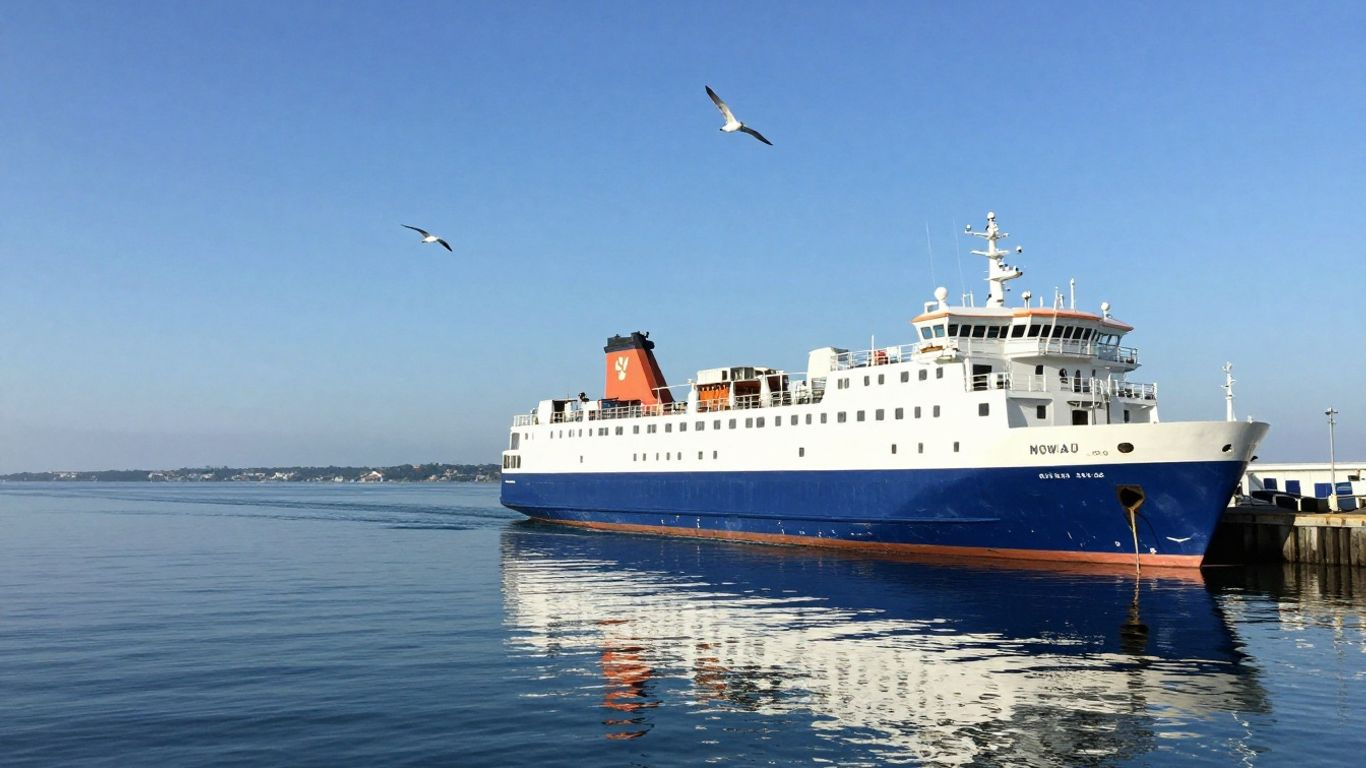
Thinking about a trip across the Channel from the south coast of England? Newhaven offers a straightforward way to get to France by ferry. It’s a popular choice for many, whether you’re taking your car or just yourself. This guide will walk you through everything you need to know about ferries from Newhaven to France, from checking timetables to getting your tickets sorted.
Key Takeaways
- Newhaven is a convenient port for French ferry crossings, especially for those in the south of England.
- Check ferry timetables carefully, as they can change with the seasons and demand.
- Booking in advance often gets you better prices for ferries from Newhaven to France.
- Be aware of what you need for your car and what facilities are available on the ferry.
- Understand the simple steps for arriving in France and continuing your trip.
Understanding Ferries from Newhaven to France
Choosing Newhaven as your departure point for France might not be the first thing that springs to mind compared to some of the bigger ports, but it actually has a lot going for it. It’s a bit more laid-back, which can make the whole process feel less rushed. Plus, it’s got a direct link to Dieppe in France, which is a pretty sweet deal if that’s your destination or a good starting point for exploring Normandy.
Why Choose Newhaven for Your French Ferry
Newhaven offers a slightly different vibe to the busier ports. It’s generally less crowded, meaning you can often get through check-in and onto the ferry with a bit more ease. This can be a real plus, especially if you’re travelling with kids or just prefer a calmer start to your holiday. The route to Dieppe is a direct one, cutting out the need for extra travel once you land in France, which is handy.
Key Ferry Routes Available
Right now, the main service running from Newhaven is to Dieppe. This is a pretty direct route, taking you straight into the heart of Normandy. It’s operated by DFDS, and they run a regular service. While other ports might have more routes, the Newhaven-Dieppe connection is a solid choice for many.
Essential Travel Information
Before you even think about booking, there are a few bits of info you’ll want to have. Check-in times are important – you don’t want to miss the boat! Also, know what documentation you need. Since Brexit, UK citizens need a passport for France, and it needs to be valid for at least three months beyond your intended stay. Make sure your vehicle’s paperwork is in order too, especially if you’re taking your car.
It’s always a good idea to double-check the latest travel requirements a week or so before you plan to travel. Rules can change, and you don’t want any surprises at the port.
Here’s a quick rundown of what you generally need:
- Passport: Valid for at least three months after your departure date from the Schengen Area.
- Vehicle Documents: V5C (logbook), valid MOT, and insurance covering your trip.
- Driving Licence: Your UK licence is usually fine for driving in France.
- EHIC/GHIC Card: For healthcare cover, though travel insurance is still recommended.
This route is a good alternative to the Dover to Calais ferry, especially if you’re heading towards the western parts of France.
Navigating Newhaven to France Timetables
Figuring out the ferry times from Newhaven to France can feel a bit like a puzzle sometimes, but once you get the hang of it, it’s pretty straightforward. The most common route is to Dieppe, and the ferry company usually runs services throughout the year, though the frequency can change.
Seasonal Variations in Sailings
Summer months, especially July and August, tend to see more sailings. This is when people are heading off on holiday, so there are often extra crossings added to meet demand. Outside of this peak season, you might find fewer options, particularly during the winter. It’s always a good idea to check the specific dates you want to travel well in advance. For instance, the ferry service between Newhaven and Dieppe operates with departures from Newhaven Port starting around 00:30 and concluding at approximately 23:59, but these can shift based on the time of year.
Peak and Off-Peak Travel Times
When you choose to travel can make a difference. Weekends and public holidays are generally busier, meaning more people on board and potentially higher prices. If you can travel mid-week, you’ll often find it a bit quieter and sometimes cheaper. Early morning or late-night crossings might also be less popular, which could work in your favour if you’re looking for a more relaxed journey.
Understanding Ferry Schedules
Ferry schedules aren’t always set in stone and can be influenced by weather conditions, especially during the autumn and winter. Always look at the official timetable for the dates you’re interested in. You’ll typically see a range of departure times, and the journey itself can take a few hours. For example, the route to Dieppe can have departures from 08:30 to 23:00, with the fastest journeys taking around 4 hours [c239].
Here’s a general idea of what to expect:
- Summer (June-August): More frequent crossings, often daily, with extra services on weekends.
- Spring/Autumn (March-May, September-November): Reduced frequency compared to summer, but usually still daily services.
- Winter (December-February): The lowest frequency, with fewer sailings, especially around Christmas and New Year.
Always double-check the ferry operator’s website for the most up-to-date timetable for your specific travel dates. Schedules can change without much notice, and you don’t want to miss your crossing.
When looking at the timetable, pay attention to:
- Departure Port: Newhaven.
- Arrival Port: Usually Dieppe.
- Departure Time: The time the ferry leaves Newhaven.
- Arrival Time: The estimated time the ferry docks in France.
- Journey Duration: How long the crossing is expected to take.
Booking Your Newhaven to France Ferry
So, you’ve decided on the Newhaven to France ferry – brilliant choice! Now comes the part where you actually get your tickets sorted. It’s not usually too complicated, but there are a few ways to go about it, and knowing them can save you a bit of hassle and maybe even some cash.
Direct Booking vs. Third-Party Agents
When it comes to booking your ferry, you’ve generally got two main paths: booking straight with the ferry company or going through a third-party booking site. Both have their pros and cons, so it’s worth thinking about which suits you best.
- Direct Booking: This means going straight to the website of the ferry operator, like DFDS. It’s often the most straightforward way to see all the available sailings and any special offers they might be running. You’re dealing directly with the source, which can be helpful if any issues pop up later.
- Third-Party Agents: These are websites that sell tickets for various ferry companies. Sometimes they can offer competitive prices, especially if they have bulk deals. However, be sure to check if they add any booking fees. If you need to make changes or cancel, you might have to go through the agent, which can add an extra step.
It’s often a good idea to compare prices between the direct operator and a couple of reputable agents before you commit.
Tips for Securing the Best Fares
Getting a good price on your ferry ticket is definitely achievable with a bit of planning. Ferry prices can change quite a bit depending on when you book and when you travel, much like airline tickets.
Here are a few pointers to help you snag a better deal:
- Book in Advance: This is probably the biggest tip. The further ahead you book, especially for popular times like school holidays or summer weekends, the more likely you are to get a lower price. Don’t leave it until the last minute if you can help it.
- Be Flexible with Dates and Times: If your travel dates are flexible, try shifting your journey by a day or two. Mid-week sailings, or those at less popular times (like very early morning or late at night), are often cheaper. The Newhaven to Dieppe route has various departure times, so playing around with these can make a difference.
- Travel Off-Peak: As mentioned, avoiding peak times like bank holidays, school breaks, and Friday/Sunday evenings can lead to significant savings. Consider travelling during the week if your schedule allows.
- Look for Deals and Discounts: Keep an eye on the ferry company’s website for any special offers or promotions. Sometimes they have seasonal sales or discounts for booking return journeys.
What to Expect During the Booking Process
Once you’ve decided where to book, the actual process is usually pretty simple. You’ll typically need to provide a few key pieces of information.
- Departure and Arrival Ports: Select Newhaven and your chosen French port (usually Dieppe).
- Dates and Times: Choose your outward and return sailing dates and times. You’ll see the available options and their prices.
- Passenger Details: You’ll need to enter the number of adults, children, and any infants travelling. You might also need to provide names and dates of birth for everyone.
- Vehicle Information (if applicable): If you’re taking a car, you’ll need to provide its make, model, registration number, and dimensions (length and height). This is important for calculating the correct fare.
- Extras: You might be offered the chance to add extras like cabin upgrades, meals, or travel insurance.
- Payment: Finally, you’ll proceed to payment, usually by credit or debit card. Once payment is confirmed, you’ll receive your booking confirmation and e-tickets via email.
It’s always a good idea to double-check all the details on your booking confirmation before you travel. Make sure the dates, times, passenger numbers, and vehicle details are all correct. A small mistake here could cause problems when you get to the port.
Remember that the Newhaven to Dieppe ferry is a popular route, so booking ahead is generally the best strategy, especially if you have specific date or time requirements.
Preparing for Your Ferry Journey
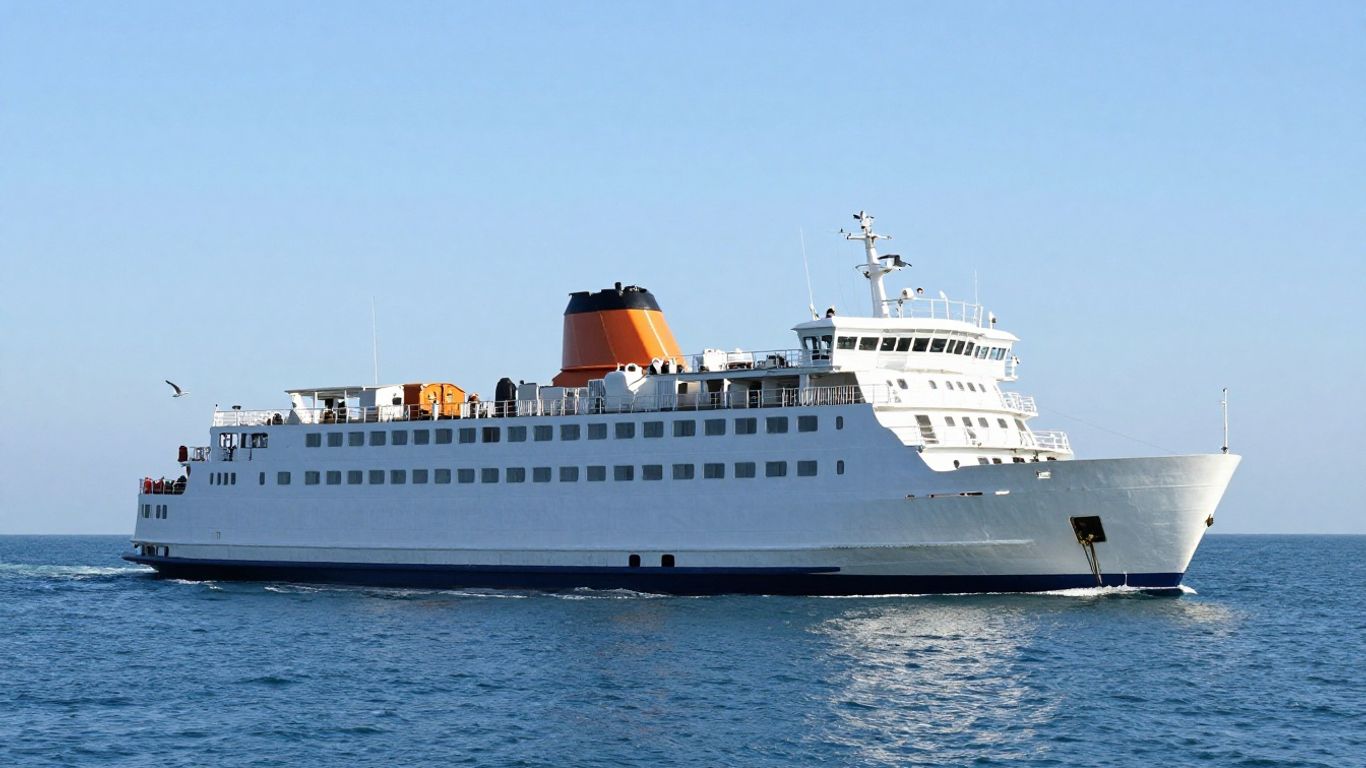
Right then, you’ve got your ferry booked from Newhaven to France. Brilliant! But before you start dreaming of croissants and French wine, there are a few bits and bobs to sort out to make sure your trip goes smoothly. It’s not complicated, honestly, just a few practical things to think about.
What to Pack for Your Crossing
Packing for a ferry trip is a bit different from flying. You’ve got more space, which is nice, but you still don’t want to be lugging loads of stuff around the ferry terminal. Think layers, especially if you’re travelling outside of the summer months. The sea air can get a bit chilly, even on a sunny day. Don’t forget any travel documents – passports, booking confirmations, that sort of thing. A good book or some downloaded podcasts are always a good idea for the crossing itself. If you’re travelling with kids, some travel games or colouring books can be a lifesaver.
- Travel Documents: Passports, booking confirmation, driving licence (if applicable).
- Comfort Items: Travel pillow, blanket, snacks, water bottle.
- Entertainment: Book, headphones, downloaded music or podcasts, travel games.
- Clothing: Layers are key! A waterproof jacket is a good idea too.
Vehicle Requirements and Checks
If you’re taking your car, there are a few things to double-check before you leave home. Make sure your car’s MOT and road tax are up to date, as you’ll need these if you’re stopped in France. Check your tyre pressures and fluid levels – it’s just good practice for any long journey. Also, ensure you have the correct bulbs and that your headlights are set up for driving on the right-hand side of the road in France (you might need to adjust them or use beam converters). It’s worth looking into vehicle requirements for driving in France just to be on the safe side.
Onboard Facilities and Services
Ferries these days are pretty well-equipped. You’ll usually find a restaurant or cafe serving hot meals and drinks, which is handy if you don’t fancy eating before you board. There are often shops selling souvenirs, snacks, and essentials, though prices can be a bit higher than on shore. Most ferries have seating areas, some with reclining seats, and often a bar where you can grab a drink. If you’re travelling overnight, you might have the option to book a cabin, which gives you a private space to sleep. It’s worth checking what’s available on your specific route when you book.
Remember that while the ferry is a great way to travel, it’s a different experience to flying. You’ll have more time to relax and enjoy the journey, so embrace it! Pack a bit of patience, especially during busy periods, and you’ll be fine.
Don’t forget to check the latest ferry information for any last-minute updates before you set off.
Arriving in France from Newhaven
So, you’ve made it across the Channel! Disembarking in France after your ferry trip from Newhaven is usually pretty straightforward, but there are a few things to keep in mind. The first thing you’ll likely notice is the change in scenery and atmosphere. It’s a different vibe once you’re on French soil, and that’s part of the adventure, right?
Disembarking Procedures
Once the ferry docks, you’ll usually be guided off by the crew. If you’re in a vehicle, stay put until instructed to move. They’ll direct you down the ramp. It can get a bit busy, so just follow the signs and the staff’s directions. If you’re on foot, you’ll typically disembark first and head towards the terminal building. It’s a good idea to have your passport and any other travel documents ready to go.
Navigating French Ports
Most ferries from Newhaven arrive at Dieppe. It’s a fairly modern port, and the terminal building is usually where you’ll go through any necessary checks. You might have passport control here, depending on the specific arrangements. It’s not usually a long process, but it’s worth being prepared. The port itself is generally well-signposted, making it easy to find your way to the exit or onward transport. If you’re driving, you’ll follow the signs out of the port area towards the main roads. For those travelling without a car, there are often taxis waiting, and sometimes local buses connect to the town centre. You can usually find information about onward travel within the terminal building itself.
Continuing Your Journey Inland
Once you’re through the port, it’s time to think about the next leg of your trip. If you’ve driven, you’ll be joining the French road network. The main roads are generally well-maintained and signposted in French, of course! If you’re relying on public transport, check in advance what your options are from the port. Sometimes, there’s a train station nearby, or buses that run to larger towns. For example, from Dieppe, you can catch a bus or train to Rouen, which is a major hub. It’s always a good plan to have a rough idea of your destination and how you’ll get there before you even leave the ferry. This way, you can hit the ground running and start enjoying your French adventure without too much delay. Remember, the ferry journey itself is part of the experience, but getting to your final destination is where the real exploration begins. DFDS offers crossings to Dieppe, which is a common arrival point.
All Set for Your French Ferry Trip?
So, there you have it. Getting from Newhaven to France by ferry is pretty straightforward once you know the ropes. We’ve looked at the timetables and how to book your tickets, so you should be all set. Remember to check the ferry company’s website for the most up-to-date information before you travel, as things can change. It’s a simple way to get across the Channel, especially if you’re taking a car. Enjoy your trip!
Frequently Asked Questions
Which ferry companies go from Newhaven to France?
Currently, DFDS Seaways is the main ferry operator sailing from Newhaven to France. They offer regular trips, so it’s worth checking their schedule.
How long does the ferry trip from Newhaven to France take?
The journey across the Channel from Newhaven to Dieppe in France typically takes around 4 hours. It’s a pretty quick hop over the water!
Can I take my car on the ferry?
Yes, absolutely! The ferries from Newhaven are well-equipped to carry cars, motorbikes, and even larger vehicles like campervans. Just make sure you book your vehicle space in advance.
When is the best time to book my ferry ticket?
It’s generally a good idea to book your ferry tickets as early as you can, especially if you’re travelling during busy periods like school holidays or summer. Booking ahead often means you’ll get a better price and ensure you get a spot.
What happens when I arrive at the French port?
Once you arrive in Dieppe, you’ll follow the signs to disembark. If you’re travelling with a vehicle, you’ll drive off the ferry. There are usually clear signs to help you find your way, and staff on hand to assist.
Are there things to do on the ferry?
Yes, the ferries usually have places to eat and drink, like cafes and restaurants. Some also have shops where you can pick up souvenirs or essentials. It makes the journey quite comfortable.