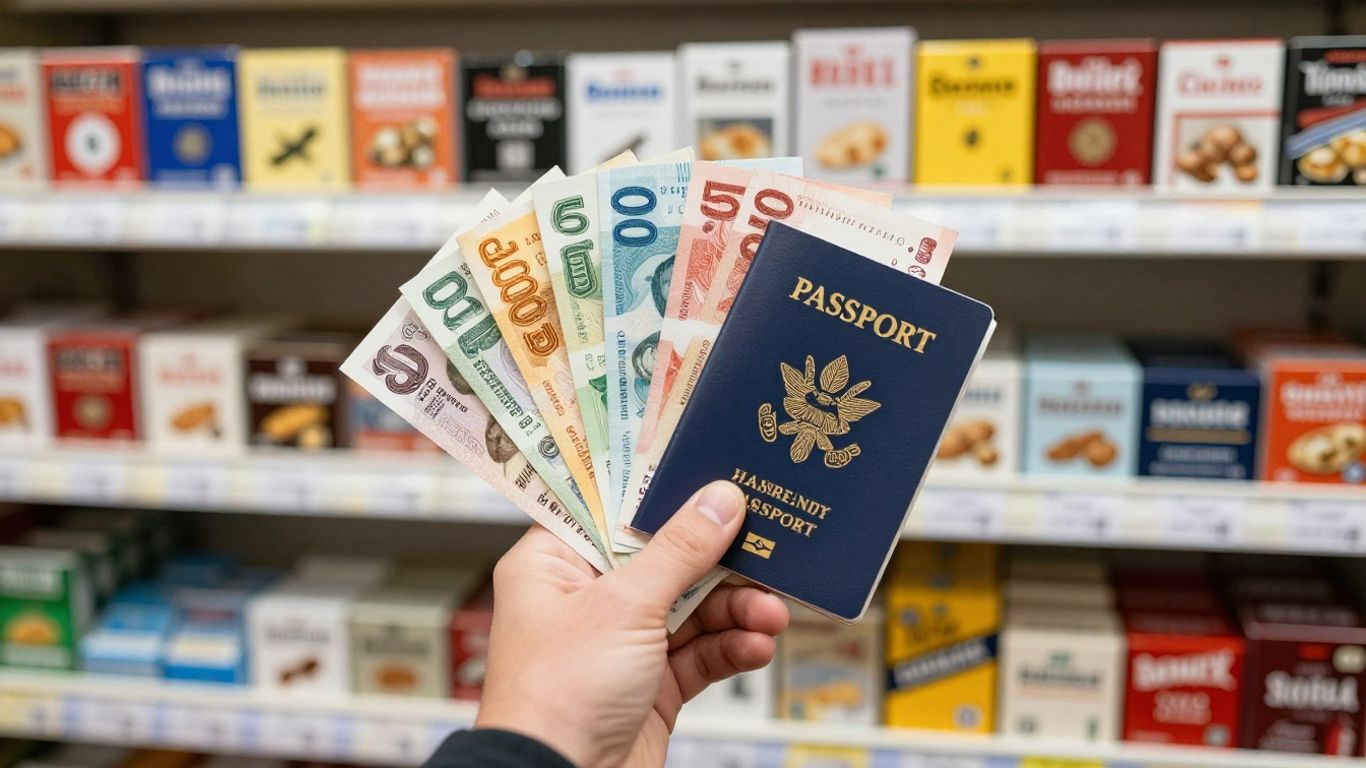
Planning a trip and thinking about picking up some tobacco? You’ve probably seen the signs for duty-free shops and wondered if it’s worth it. This guide is here to help you figure out the actual duty free tobacco prices for 2026. We’ll look at what makes the prices change, how to get the best deals, and what to expect at different airports. It’s not always as simple as it looks, so let’s get into it.
Key Takeaways
- Duty free tobacco prices are affected by many things, not just the shop you buy from.
- To save money, buy at the right time and look out for special deals.
- Know how much tobacco you can legally bring back before you buy too much.
- Prices can be quite different between airports in Europe, Asia, and North America.
- Think about the brand and type of tobacco, not just the price, to get good value.
Understanding Duty Free Tobacco Prices

So, you’re planning a trip and thinking about stocking up on cigarettes or tobacco at the airport? It’s a common thought, especially with the promise of ‘duty free’ prices. But what exactly does that mean, and how do these prices actually work? It’s not quite as simple as just walking in and grabbing a carton for less.
What Are Duty Free Tobacco Prices?
Essentially, duty-free means you’re not paying certain taxes and duties that you normally would if you bought the same items back home. Think of it as a special shopping zone, usually found in international airports, ports, and on ferries, where specific government taxes are waived for travellers leaving the country. This is why you’ll often see lower prices on things like cigarettes and alcohol compared to your local shop. However, it’s important to remember that these goods are intended for personal consumption abroad, not for resale, and there are limits on how much you can bring back into your home country without paying duty there.
Factors Influencing Duty Free Tobacco Prices
Several things can affect how much you pay for tobacco at duty-free shops. The biggest one is the specific airport or port you’re in. Different countries have different tax structures, even for duty-free zones, and the local currency exchange rate plays a massive role too. If your home currency is strong against the local one, you’ll get more for your money. Then there’s the brand itself – premium brands will always cost more than budget options, just like anywhere else. The volume you buy can sometimes make a difference too; multi-packs or cartons might offer a slight saving per pack.
Here’s a rough idea of how prices can vary:
| Product | Typical Duty Free Price (USD) | Typical Local Price (USD) |
|---|---|---|
| Pack of Marlboro | $4.50 – $6.00 | $6.00 – $9.00 |
| Carton of Marlboro | $40.00 – $55.00 | $55.00 – $80.00 |
| Pack of 50g Rolling Tobacco | $15.00 – $20.00 | $20.00 – $28.00 |
Note: These are illustrative prices and can change significantly.
Comparing Duty Free Tobacco Prices Globally
Comparing prices across different duty-free locations can be a bit of a treasure hunt. Some airports are known for being cheaper than others. For instance, you might find better deals in certain parts of the Middle East or Asia compared to major European hubs. It really pays to do a quick search before you travel if you’re planning a big purchase. Websites and forums dedicated to travel deals often have people sharing their findings. Remember, though, that the biggest savings are usually on brands that are heavily taxed in your home country. If you’re after a specific, less common brand, it might not be available or might not offer much of a saving. It’s also worth checking the prices for your return journey, as sometimes the departure and arrival duty-free shops can have different pricing. For example, when travelling from the UK to France, you can take advantage of duty-free shopping on the ferry, which might offer different prices than airport shops duty-free shopping.
The idea of duty-free shopping is appealing because it suggests a significant saving. However, the actual amount you save depends on a mix of factors, including the specific taxes that are waived, the airport’s location, the brand you choose, and the current exchange rates. It’s not always a guaranteed bargain for every product.
Maximising Savings on Duty Free Tobacco
So, you’re looking to snag some tobacco at the airport without breaking the bank? It’s definitely doable, but you’ve got to be a bit savvy. It’s not just about grabbing the first pack you see. There are ways to make sure you’re getting the best deal possible, especially when you’re travelling.
Strategic Purchasing for Lower Duty Free Tobacco Prices
When you’re planning your trip, think about where you’re buying. Sometimes, the prices can vary quite a bit between different airports, even within the same country. It’s worth doing a quick check online before you fly if you know you’ll be picking up cigarettes or other tobacco products. Looking at prices in your departure airport versus your arrival airport can sometimes reveal surprising differences. Also, consider the timing of your purchase. If you’re flying out of a country with high tobacco taxes, buying before you leave might be cheaper than waiting until you’re in a duty-free zone. It’s a bit of a balancing act, really.
Leveraging Promotions for Duty Free Tobacco Deals
Duty-free shops often run special offers, especially around peak travel times. Keep an eye out for multi-buy deals, like ‘buy two, get one half price’, or bundled offers that might include accessories. Sometimes, these promotions can add up to a decent saving, particularly if you’re buying for a group or planning to stock up. It’s not always advertised heavily, so a quick scan of the shop displays or asking a sales assistant can sometimes pay off. You might even find a good deal on your ferry crossing if you book in advance, which could free up some cash for your duty-free shopping [420c].
Understanding Allowance Limits for Duty Free Tobacco
This is a big one, and people often get caught out here. Each country has its own rules about how much tobacco you can bring in without having to pay import duty or taxes. Exceeding these limits means you’ll likely have to declare your goods and pay the relevant charges, which completely negates any duty-free savings. It’s super important to check the allowances for both your departure and arrival countries before you buy. You can usually find this information on government or customs websites. Don’t just guess; get the facts straight to avoid an unpleasant surprise at the border. It’s a simple step that can save you a lot of hassle and money, and it’s worth looking into how to maximize savings at duty-free shops in general.
The key is to be informed. Knowing the rules and looking for deals means you can enjoy your duty-free purchases without feeling like you’ve been overcharged. It takes a little effort, but the savings can be quite noticeable.
Navigating Specific Airport Duty Free Tobacco
So, you’re looking to snag some tobacco at the airport, but where should you be looking? It’s not all the same, you know. Prices can really swing depending on which airport you’re flying out of. Let’s break down a few key spots.
Key European Hubs for Duty Free Tobacco Prices
When you’re flying through Europe, places like Amsterdam Schiphol (AMS) and Frankfurt (FRA) often have a decent selection. You’ll find the usual suspects – Marlboro, Benson & Hedges, maybe some local brands too. It’s worth checking prices online before you fly, as sometimes the deals can be surprisingly different. For instance, a carton of your preferred cigarettes might be a few euros cheaper in one city than another. Don’t forget about ferry ports too; the Dover to Calais route often has duty-free options available onboard [c744].
Here’s a rough idea of what you might expect, though remember this can change:
| Brand | Typical Price (per carton) | Notes |
|---|---|---|
| Marlboro | €45 – €55 | Widely available |
| Lambert & Butler | €40 – €50 | Common in UK departure points |
| Gauloises | €42 – €52 | Popular in French/European airports |
Asian Airports and Their Tobacco Offerings
Asia is a whole different ballgame. Airports like Singapore Changi (SIN) and Hong Kong International (HKG) are known for their high-end retail, and that often extends to tobacco. You might find a wider variety of premium cigars or niche tobacco products here. Prices can be competitive, especially if you’re coming from a country with high tobacco taxes. However, always be mindful of your personal allowance when bringing goods back home.
North American Duty Free Tobacco Price Variations
In North America, duty-free shopping is a bit more restricted in some areas. While major international airports like Toronto Pearson (YYZ) or Vancouver International (YVR) will have options, the selection might not be as extensive as in Europe or Asia. Some travellers find that pre-ordering online can sometimes secure better prices or guarantee availability, especially at airports like Houston Hobby [cf51]. It’s always a good idea to compare prices between different terminals within the same airport if you have the time.
The biggest thing to remember is that ‘duty free’ doesn’t always mean ‘cheapest’. It means the goods are exempt from certain local taxes and duties, but the airport retailer still adds their own markup. So, while it’s often cheaper than buying in the high street, it’s not a guaranteed massive saving every single time. Do your homework!
The Impact of Regulations on Duty Free Tobacco Prices
It’s not just about supply and demand when you’re looking at duty free tobacco prices. Governments and international bodies play a pretty big role, and their decisions can really shake things up. Think of it like this: rules are constantly being made that affect how much you’ll actually pay for that pack of cigarettes or box of cigars when you’re passing through the airport.
Government Policies Affecting Tobacco Pricing
Local governments, and even national ones, have a lot of say in tobacco pricing. They can slap on taxes, set minimum prices, or even ban certain types of products. For instance, a country might decide to significantly increase tobacco taxes. A legislative proposal aims to significantly increase tobacco taxes. The bill includes a hike in cigarette taxes to $3.60 per pack. Additionally, taxes on other tobacco and nicotine products would rise from 30% to 40% of their wholesale price. This kind of move directly impacts the price you see on the shelf, even in duty free. Sometimes, though, these plans don’t go anywhere. Legislation aimed at increasing taxes on nicotine products failed to advance during the 2026 session. This means smokers and users of other tobacco products will not face higher taxes on these items for now. The bill’s failure to progress indicates a lack of legislative support for further tax increases on tobacco and nicotine goods in the current session. It’s a constant back-and-forth.
International Trade Agreements and Their Influence
Beyond individual countries, international trade agreements can also have an effect. These agreements can set rules about tariffs and taxes on goods moving between countries. While duty free is meant to be tax-free, the underlying trade rules can still influence the overall cost structure for retailers. It’s a bit more complex, but basically, how countries trade with each other can indirectly affect the prices available to travellers.
Future Trends in Duty Free Tobacco Price Controls
Looking ahead, we’re likely to see continued regulatory attention on tobacco products. Health concerns are a big driver, and governments worldwide are looking for ways to discourage smoking. This could mean more restrictions on what can be sold, where it can be sold, and of course, how much it costs. We might see stricter rules on advertising, plain packaging becoming the norm, and potentially even further tax adjustments. It’s worth keeping an eye on these developments, as they’ll shape the duty free tobacco landscape for years to come.
The regulatory environment for tobacco is always shifting. What seems like a good deal today might be influenced by new laws or tax changes tomorrow. Staying informed about these policies is key to making smart purchasing decisions when travelling.
Choosing Your Tobacco Products at Duty Free
So, you’ve decided to pick up some tobacco while you’re at the airport. It’s a common thing to do, and sometimes you can snag a decent deal. But what exactly should you be looking out for? It’s not just about grabbing the first pack you see. There’s a bit more to it than that, really.
Popular Cigarette Brands and Duty Free Prices
Most travellers stick to what they know, and that usually means the big cigarette brands. You’ll find the usual suspects like Marlboro, Benson & Hedges, and Lambert & Butler in most duty-free shops. The prices can vary, but generally, you’re looking at a saving compared to buying them back home, especially if your home country has high tobacco taxes. It’s worth checking a few different shops if you have the time, as prices aren’t always identical across the board. For example, a carton of 200 cigarettes might cost around £40-£50 in the UK, but you could potentially find it for £30-£40 duty-free, depending on the airport and current exchange rates.
Here’s a rough idea of what you might expect:
| Brand | Typical Duty Free Price (per carton of 200) | Estimated UK Price (per carton of 200) |
|---|---|---|
| Marlboro | £35 – £45 | £50 – £60 |
| Benson & Hedges | £32 – £42 | £48 – £58 |
| Lambert & Butler | £30 – £40 | £45 – £55 |
| Camel | £33 – £43 | £49 – £59 |
Prices are estimates and can change.
Exploring Cigars and Other Tobacco at Duty Free
It’s not all about cigarettes, though. If you’re a cigar smoker, duty-free can be a good place to look. You’ll often find a selection of popular brands, from Cuban Cohibas to Dominican Republic options. Again, the savings can be significant, but it’s wise to know what you’re buying. Sometimes, the convenience of having them readily available outweighs the absolute lowest price. You might also find rolling tobacco and pipe tobacco, though the selection can be more limited than cigarettes. If you’re flying from a major hub like SFO, you’ll likely have a better chance of finding a wider variety.
Assessing Value Beyond Just Duty Free Tobacco Prices
When you’re looking at duty-free tobacco, it’s easy to get fixated on the price tag. But there are other things to consider. Firstly, check your country’s import allowances. Bringing back more than you’re allowed can lead to hefty fines, wiping out any savings you thought you’d made. Secondly, think about the product itself. Is it the exact same brand and blend you usually buy? Sometimes, products intended for the duty-free market can be slightly different.
Always double-check the specific product details and compare them to what you normally purchase. The packaging might look the same, but minor variations in the tobacco blend or even the filter can affect the smoking experience. It’s not worth saving a few quid if you end up with a product you don’t enjoy.
Finally, consider the freshness. Tobacco, especially cigars, can be sensitive to the dry air often found in aircraft cabins and airport shops. If you’re buying a large quantity, think about how you’ll store it once you get home. The adjusted rates of excise duty can also impact the final price, so keep an eye on any official announcements regarding tax changes.
So, What’s the Takeaway?
Right then, that’s pretty much the lowdown on duty-free tobacco for 2026. It’s not always as straightforward as you might think, is it? Prices can change, and what looks like a bargain might not always be. Always do a quick check before you fly, maybe see what your local shop is charging. Sometimes, the savings aren’t huge, and you’ve got to weigh that up against the hassle. But if you’re after a specific brand or just want to try your luck, knowing the score beforehand makes all the difference. Happy travels, and may your tobacco purchases be ever in your favour.
Frequently Asked Questions
What exactly is ‘duty free’ tobacco?
Basically, ‘duty free’ means you can buy certain things, like tobacco, without paying the usual taxes and import fees that your country or the country you’re visiting would normally charge. It’s usually found in special shops at airports or on ferries, for people travelling between countries.
Why are tobacco prices different in different airports?
Even though it’s duty free, prices can still vary a bit. This is because each shop might have different deals with suppliers, or they might have different operating costs. Sometimes, the exchange rate between currencies can also play a part in how much you pay.
Can I buy as much tobacco as I want when it’s duty free?
Not really. Each country has rules about how much tobacco you can bring back home without having to pay tax on it. These are called ‘allowance limits’. You need to check these limits before you buy, otherwise, you might end up paying extra tax when you get home.
Are there ways to get even cheaper tobacco at duty free?
Sometimes! Keep an eye out for special offers or discounts that shops might have. Also, buying in bulk might occasionally lead to a better price per pack, but always make sure it’s within your allowance limits. Planning your purchase and comparing prices before you fly can also help.
Do new rules ever change duty free tobacco prices?
Yes, they can. Governments sometimes change the laws about taxes or how much you can bring in. International agreements between countries can also affect prices. So, what’s a good deal today might be different in the future.
Is it always cheaper to buy cigarettes at duty free compared to in a shop at home?
Most of the time, yes, it is cheaper because you’re avoiding taxes. However, it’s always a good idea to quickly check the price at home before you travel. In some rare cases, especially with certain brands or if there are big sales at home, the difference might not be as big as you expect.