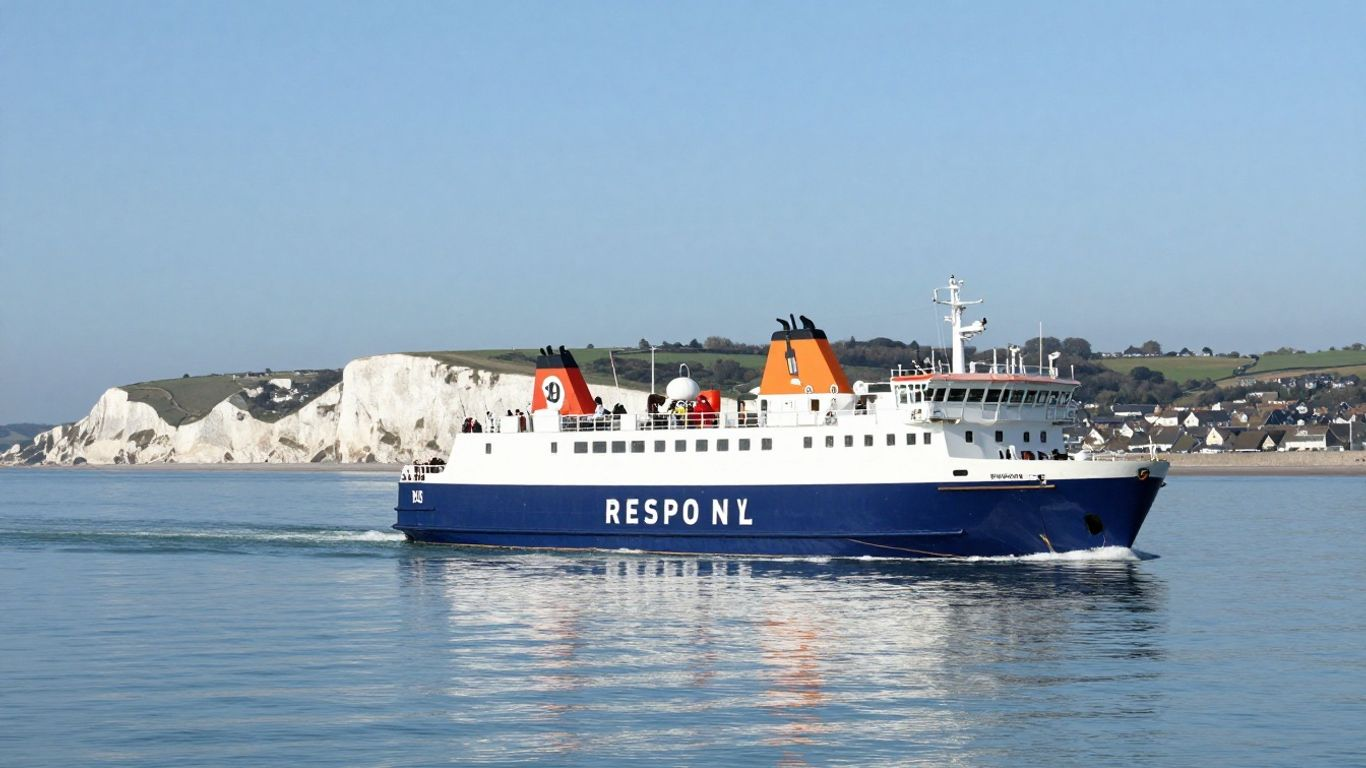
Thinking about a trip from Dover to Belgium? It’s a pretty straightforward process, really. Taking the ferry is a popular way to go, and this guide will walk you through what you need to know. We’ll cover booking your crossing, getting ready for the journey, what to expect on board, and what happens when you get to Belgium. Plus, we’ll give you some ideas for what to do once you’re there. So, let’s get planning your dover to belgium ferry adventure!
Key Takeaways
- Book your dover to belgium ferry in advance, especially during busy times, to get the best prices and availability.
- Make sure you have all the correct paperwork, like your passport and vehicle documents, before you travel.
- Pack smart for the ferry trip – think about entertainment, snacks, and anything you’ll need for your first day in Belgium.
- Check your vehicle thoroughly before you leave home; tyres, oil, and lights are important.
- Familiarise yourself with the ferry’s facilities and any rules for travelling with pets before you set sail.
Booking Your Dover to Belgium Ferry
So, you’ve decided on a ferry trip from Dover to Belgium – brilliant choice! It’s a pretty straightforward way to get your car across the Channel. But like anything, a bit of planning goes a long way to making it smooth sailing. Let’s get into the nitty-gritty of booking your crossing.
Choosing Your Ferry Operator
Right now, the main players running the Dover to Belgium route are DFDS. They’re the ones you’ll be looking at for this specific journey. It’s always a good idea to check out their websites directly, but if you want to see all your options in one place, sites like Directferries.com are handy for comparing.
Understanding Ticket Options
When you book, you’ll usually see a few different ticket types. Most of the time, you’re booking for your vehicle and the number of passengers. Keep an eye out for any special deals or packages they might be running. Sometimes, booking a return trip together can save you a bit of cash compared to booking two single journeys. Also, think about the time of day you want to travel. Afternoon departures from Dover often work out cheaper.
When To Book Your Crossing
This is a big one. If you’re planning to travel during peak times – think school holidays, bank holidays, or even just summer weekends – you’ll want to book as far in advance as possible. We’re talking months ahead, especially if you have specific times you need to travel. For off-peak times, you might get away with booking a few weeks before, but it’s still a gamble. Generally, the earlier you book, the better the price you’re likely to get. It’s worth checking prices regularly, as they can change. You might find that travelling mid-week or outside of the main holiday periods can lead to better fares. For example, DFDS has a fare finder that can help you spot cheaper times.
Booking your ferry ticket is more than just picking a date; it’s about finding the right balance between cost and convenience for your specific travel plans. Don’t leave it to the last minute if you want the best choice and price.
Preparing For Your Ferry Journey
Right then, you’ve booked your ferry from Dover to Belgium – brilliant! Now, let’s get you ready so you don’t have any nasty surprises when you get to the port or on your way across the Channel. It’s not complicated, but a bit of forethought goes a long way.
Required Documentation
This is probably the most important bit. Don’t get caught out!
- Passport: Make sure it’s valid for at least six months beyond your intended stay in the EU. Some countries have stricter rules, but six months is a good general rule.
- Driving Licence: If you’re driving, you’ll need your full UK driving licence. Some people recommend getting an International Driving Permit (IDP), especially if you’re planning on driving in multiple countries, but for Belgium, your UK licence is usually fine. It’s worth double-checking the latest requirements though, as things can change.
- Vehicle Registration Document (V5C): You need to prove the car is yours.
- Insurance: Check your car insurance policy. You might need a ‘Green Card’ from your insurer, which is proof of insurance cover in EU countries. It’s not always mandatory, but it’s better to have it than not.
- EHIC/GHIC Card: While not strictly for the ferry, if you’re travelling for leisure, make sure you have your European Health Insurance Card (EHIC) or Global Health Insurance Card (GHIC) for any medical needs in Belgium. It’s not a replacement for travel insurance, mind.
It’s always a good idea to have photocopies or digital copies of all your important documents stored separately from the originals. This way, if anything gets lost or stolen, you’ve still got the information you need.
What To Pack For The Ferry
Think about what you’ll need during the crossing itself. The ferry journey isn’t usually that long, but you might want a few bits handy.
- Entertainment: A book, downloaded podcasts, or a tablet with some films. The onboard Wi-Fi can be a bit hit-and-miss, and you might not want to spend the whole time glued to your phone.
- Snacks and Drinks: While there are places to buy food, bringing your own can save you a few quid and means you have exactly what you fancy.
- Comfortable Shoes: You’ll be doing a bit of walking around the ferry terminal and on the ship.
- A Small Bag: Keep your essentials in a small backpack or tote bag that you can easily access, rather than rummaging through your main luggage.
Vehicle Checks Before Departure
Give your car a once-over before you set off. It’s a bit like checking your own health before a big trip.
- Tyre Pressure: Make sure your tyres are inflated to the correct pressure, especially if you’re carrying extra luggage or passengers. Check your car’s manual for the right settings.
- Fluid Levels: Top up your screenwash, oil, and coolant if needed. You don’t want any warning lights coming on halfway across the Channel.
- Lights: Check all your lights are working – headlights, brake lights, indicators. It’s a legal requirement and important for safety.
- Fuel: Start with a full tank. You don’t want to be looking for a petrol station immediately after disembarking in a new country. The Dover port is well-equipped, but it’s always best to be prepared.
Getting these bits sorted beforehand means you can relax and look forward to your Belgian adventure. It’s all about making the journey as smooth as possible, right from the start.
Onboard The Dover to Belgium Ferry
So, you’ve booked your ferry from Dover to Belgium, and now you’re probably wondering what it’s like on board. It’s not just about getting from A to B; the ferry crossing itself can be a pretty decent part of your holiday. Most of the ferries running this route are quite modern and have a good range of facilities to keep you comfortable and entertained during the journey. You’ll find that the crossing time is usually around 1.5 to 2 hours, depending on the specific operator and destination port, like Dunkirk or Calais, before you head on to Belgium.
Facilities Available
When you step onto the ferry, you’ll notice there’s quite a bit going on. They’re designed to handle lots of people, so there are usually several decks to explore. You can expect to find:
- Shops: Stocked with everything from travel essentials and snacks to gifts and perfumes. It’s handy if you’ve forgotten something or just fancy a browse.
- Lounges: Comfortable seating areas where you can relax, read a book, or just watch the waves. Some have quieter zones if you need some peace.
- Children’s Play Areas: If you’re travelling with little ones, these are a lifesaver. They help keep the kids entertained so you can have a bit of a break.
- Wi-Fi: Usually available, though it might come with a charge and can be a bit spotty out at sea. Don’t rely on it for anything super important.
- Information Desk: Staff are usually on hand to help with any questions you might have about the journey or your arrival.
Dining Options
Food is a big part of the ferry experience for many. You won’t go hungry, that’s for sure. There are typically a few different places to grab a bite:
- Restaurants: These often serve hot meals, from breakfast options to main courses. Think traditional pub grub or more international dishes.
- Cafes/Bistros: A good spot for lighter meals, sandwiches, pastries, and coffee. Perfect for a quick snack.
- Bars: Where you can grab a drink and relax. Some bars might have entertainment like live music on certain sailings.
It’s worth checking with your specific ferry operator, like P&O Ferries, about what dining choices are available on your chosen route, as it can vary.
Travelling With Pets
Bringing your furry friends along? Most ferry companies are pretty pet-friendly, but there are rules. You’ll need to check the specific requirements for your chosen operator well in advance. Generally, you have a few options:
- Pet Kennels: Some ferries have dedicated kennels onboard where your pet can stay during the crossing. These are usually secure and looked after.
- In-Car Travel: On some routes, particularly shorter ones like Dover to Dunkirk, pets might be allowed to stay in your vehicle. You’ll usually have limited access to check on them.
- Pet-Friendly Cabins: If you’re on a longer overnight sailing, some operators offer cabins where your pet can stay with you. These are limited, so book early!
Always make sure you have all the correct documentation for your pet, including their pet passport or health certificate, and proof of vaccinations. It’s a bit of a process, but seeing your pet safely across the Channel is well worth it.
The journey across the water offers a chance to unwind before you hit the road in Belgium. Take the opportunity to stretch your legs, grab a coffee, and enjoy the views. It’s a different pace to driving, and can make the whole trip feel more relaxed.
Arriving In Belgium

So, you’ve made it across the Channel! Disembarking the ferry in Belgium is usually pretty straightforward, but there are a few things to keep in mind to make the process as smooth as possible. The first thing you’ll likely notice is the change in road signs and driving style. It’s a good idea to have your GPS ready to go as soon as you’re off the boat.
Disembarking Procedures
Once the ferry docks, listen carefully to the announcements from the crew. They’ll guide you on when and how to drive off the ship. If you’re travelling with a vehicle, you’ll follow the car decks out. Pedestrian passengers will usually be directed to a separate terminal building. It’s worth checking the specific port’s information beforehand, as procedures can vary slightly. For instance, DFDS provides details on their terminal facilities which can be helpful.
Navigating Belgian Roads
Driving in Belgium is generally a pleasant experience, though it does have its own quirks. Speed limits are clearly signposted, but it’s good to be aware of the common ones. Here’s a quick rundown:
- Motorways (Autoroutes/Autosnelwegen): Generally 120 km/h (75 mph), but always check signs as this can vary.
- Urban Areas: Usually 50 km/h (31 mph), unless otherwise indicated.
- Rural Roads: Typically 70 km/h or 90 km/h (43-56 mph).
Remember that Belgium uses the metric system, so all speed limits will be in kilometres per hour. You’ll also find that traffic can be quite busy, especially around major cities like Brussels and Antwerp. Pay attention to lane discipline and be mindful of trams if you’re in a city.
It’s a good idea to familiarise yourself with the basic Belgian road signs before you set off. While many are similar to UK signs, there are some differences that could catch you out if you’re not prepared. A quick search online for common Belgian road signs can save you a headache later.
Customs Information
When arriving from the UK, you’ll need to be aware of customs regulations. While the UK is no longer part of the EU, the rules for personal allowances are still relatively generous for travellers. You can bring a certain amount of goods for personal use without paying duty or tax. This includes things like alcohol, tobacco, and other items. It’s always best to check the official government advice on bringing goods into Belgium before you travel to avoid any surprises at the border. Generally, if you’re just bringing back souvenirs or personal items, you won’t have any issues.
Exploring Belgium After Your Ferry
So, you’ve made it across the Channel, the ferry’s docked, and you’re ready to see what Belgium has to offer. It’s a country packed with history, amazing food, and some seriously pretty towns. Don’t just stick to the main cities; the smaller places often hold the biggest surprises.
Popular Belgian Destinations
Belgium might be small, but it’s got a lot of variety. You’ve got your big hitters, of course, but there are plenty of other spots worth your time.
- Bruges: Often called the ‘Venice of the North’, it’s all canals, cobbled streets, and medieval buildings. Great for a romantic wander.
- Brussels: The capital city, buzzing with life. Home to the Grand Place, Manneken Pis, and, naturally, loads of chocolate shops.
- Ghent: A bit more of a lived-in feel than Bruges, with a stunning medieval centre and a lively student population.
- Antwerp: Known for its diamond district and fashion scene, it’s a more modern, stylish city.
- Dinant: Perched on the River Meuse, this town is famous for its dramatic citadel and saxophone-shaped bridge. It’s a really picturesque spot.
There are also some real gems off the beaten path. Think about visiting places like Durbuy, which claims to be the smallest city in the world, or Spa, famous for its mineral springs. You can find some truly beautiful destinations if you look beyond the obvious.
Local Transport Links
Getting around Belgium is pretty straightforward once you’re off the ferry. The country has a really good public transport network.
- Trains: The national rail service, SNCB/NMBS, connects most towns and cities efficiently. It’s usually the best way to travel between major centres. You can buy tickets at the station or online.
- Buses: Local bus services fill in the gaps where trains don’t go, especially in more rural areas. They’re generally quite affordable.
- Trams: Major cities like Brussels, Antwerp, and Ghent have extensive tram networks, which are super handy for getting around within the city.
If you’re planning on doing a lot of travelling by train, look into a ‘Belgian Rail Pass’ if you’re staying for a while, as it can save you money.
Belgian Cuisine To Savour
Right, let’s talk food. Belgian food is hearty, delicious, and definitely something to look forward to after your ferry trip.
- Frites (Fries): Forget what you think you know about chips. Belgian frites are double-fried and served in a paper cone with a huge variety of sauces. A must-try.
- Waffles: You’ll see them everywhere, from street vendors to fancy restaurants. The Brussels waffle is light and rectangular, while the Liège waffle is denser, sweeter, and often has pearl sugar baked in.
- Chocolate: Belgium is world-famous for its chocolate. You’ll find artisan chocolatiers on almost every corner in the tourist areas. Treat yourself!
- Mussels (Moules-frites): A classic dish, usually served with fries. They come in various broths, but the most common is white wine and shallots.
- Beer: Belgium has an incredible beer culture, with hundreds of different types, from Trappist ales to fruity lambics. Each region has its specialties.
When you’re planning your itinerary, make sure to factor in time for just sitting at a cafe, enjoying a local beer, and watching the world go by. It’s part of the experience.
Don’t forget to check the ferry schedules for your return journey, especially if you’re travelling during peak season. DFDS, for example, runs frequent services from Dunkirk, which is a short drive from the Belgian coast, making it a convenient option for heading back to the UK.
So, Ready for Your Ferry Trip?
Right then, that’s pretty much it for getting you sorted for the ferry from Dover to Belgium. It’s not too complicated, is it? Just a bit of planning beforehand makes all the difference. Remember to book your tickets early, especially if you’re travelling in peak season, and check the ferry company’s website for any updates. Pack smart, get your documents ready, and you’ll be on your way across the Channel before you know it. Enjoy the crossing and have a fantastic time in Belgium – it’s a great little adventure!
Frequently Asked Questions
How long does the ferry trip from Dover to Belgium take?
The ferry journey across the Channel from Dover to Belgium is usually quite quick, often taking around 6 to 8 hours. It’s a good amount of time to relax and get ready for your Belgian adventure.
What kind of things can I do on the ferry?
Ferries are more than just a way to cross the water! You’ll find shops to browse, places to grab a bite to eat, and comfy seating areas. Some even have play areas for kids, making the trip fun for everyone.
Do I need a special passport or visa for Belgium?
As long as you’re a UK resident travelling to Belgium, which is part of the EU, you’ll need your valid passport. Check the latest government advice before you go, as rules can change.
Can I take my pet on the ferry to Belgium?
Yes, many ferry companies allow pets on board. You’ll usually need to book a space for them, and they might travel in your car or in special pet-friendly cabins or kennels. Always check the specific rules with your chosen ferry operator.
When is the best time to book my ferry ticket?
It’s generally a good idea to book your ferry tickets in advance, especially if you’re travelling during busy periods like school holidays or weekends. Booking early often means you’ll get a better price and more choice of sailing times.
What should I do if I get seasick on the ferry?
If you’re prone to seasickness, it’s wise to be prepared. You can buy travel sickness tablets from a chemist before you leave. Try to stay on deck in the fresh air, and focus on the horizon. Eating light meals can also help.