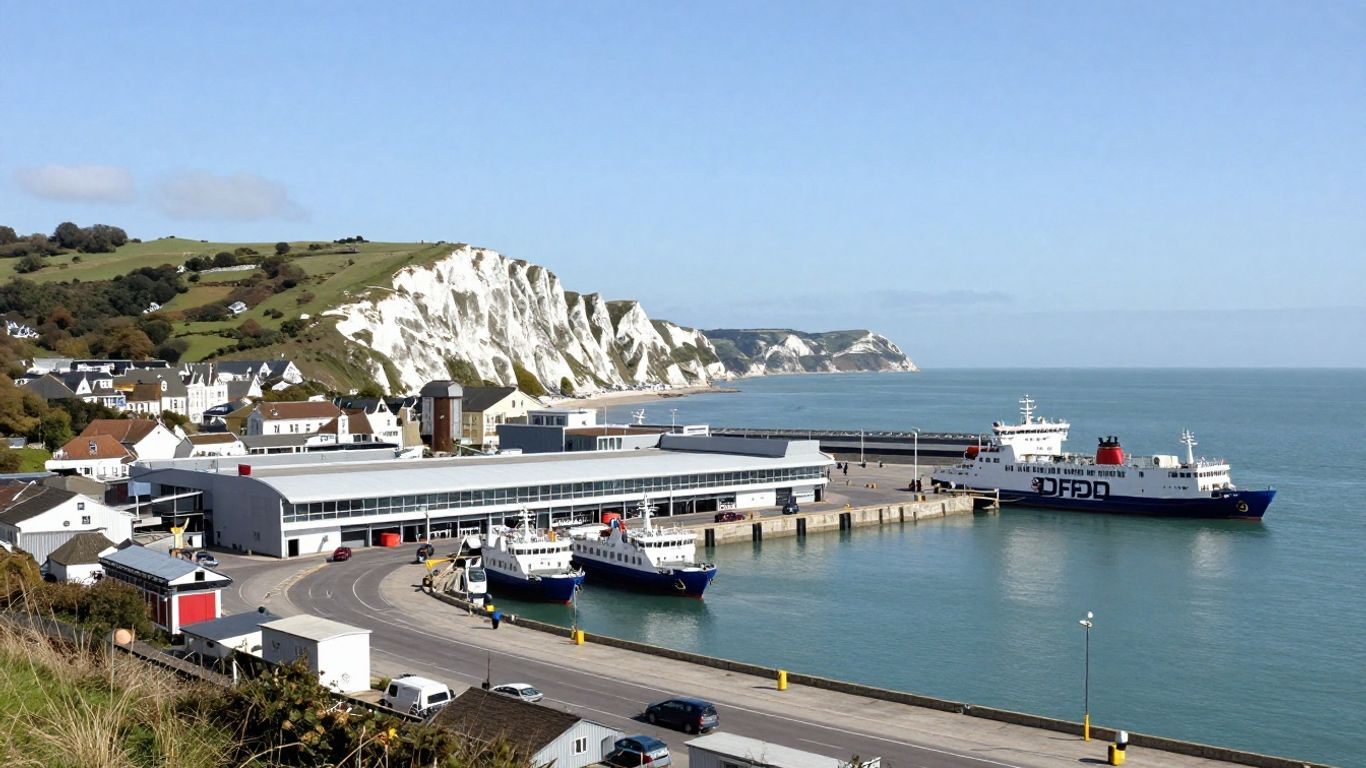
Heading off on a ferry trip from Dover? It can be a bit confusing the first time you go to the Dover DFDS terminal. There’s a lot to think about, from finding the right place to park to knowing what to do once you’re inside. This guide should help make your journey through the Dover DFDS terminal a bit smoother, so you can start your holiday without any extra stress. We’ll cover getting there, what’s inside, and what happens when you board.
Key Takeaways
- Getting to the Dover DFDS terminal is straightforward; just follow the signs for ferries from the A20.
- Check-in at the Dover DFDS terminal is usually quick, but have your booking details and passports ready.
- Inside the terminal, you’ll find places to eat, shop, and use the toilets before you board.
- Boarding the DFDS ferry involves following signs and staff instructions to get your car or yourself onto the ship.
- When you return, you’ll go through customs and immigration checks again at the Dover DFDS terminal.
Arriving At The Dover DFDS Terminal
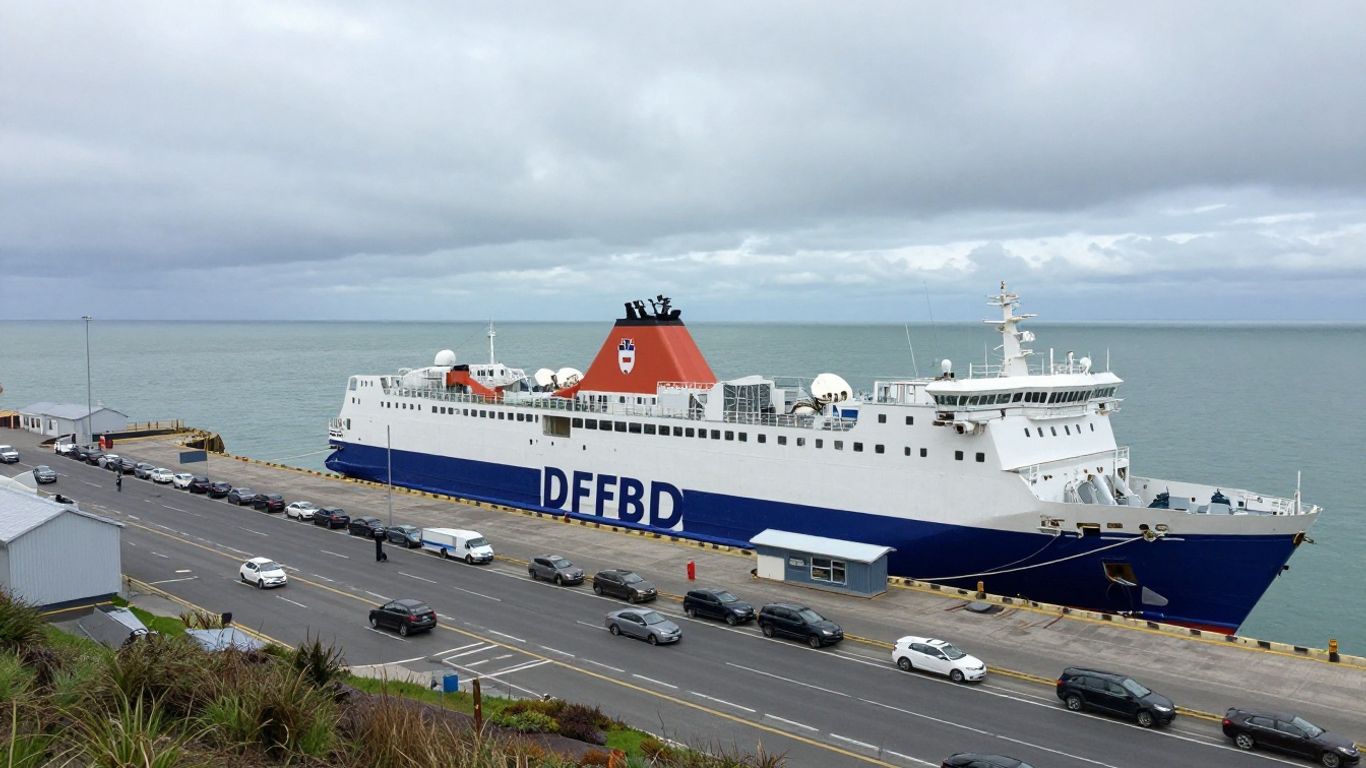
Getting to the ferry terminal in Dover is pretty straightforward, but it’s always good to know what to expect. The main thing is to give yourself plenty of time, especially if you’re driving. Traffic around Dover can be a bit unpredictable, and you don’t want to be rushing.
Finding The Terminal Entrance
The DFDS terminal is well-signposted once you get close to Dover. If you’re coming off the A20, follow the signs for ‘Ferries’ and then specifically for ‘DFDS Seaways’. It’s pretty hard to miss, honestly. Just keep an eye out for the large ferry signs.
Check-In Procedures For DFDS Ferries
When you arrive, you’ll need to head to the check-in booths. Have your booking reference and passports ready. They’ll scan your ticket and check your documents. It’s usually a quick process, but it can get busy during peak times. Remember, check-in usually closes about 45 minutes before your scheduled departure, so don’t be late!
- Have your booking reference to hand.
- Ensure all passports are valid and ready.
- Follow the instructions from the check-in staff.
- Be aware of the check-in closing times.
Parking Facilities At Dover
There are parking options available at the terminal. You can usually park in designated short-stay areas while you check in, or there are longer-term options if you need them. If you’re just dropping someone off, there are usually short-term bays. For longer stays, it’s worth checking the DFDS website for details on parking costs and locations before you travel.
It’s always a good idea to familiarise yourself with the terminal layout online before you set off. This can save a lot of confusion on the day, especially if it’s your first time travelling this route.
If you’re travelling on the Dover to Calais route, the check-in process is quite similar. You’ll need to be there well in advance of your sailing time. Check-in opens 90 minutes before departure and closes 45 minutes prior, so plan accordingly.
Before You Board Your Ferry
Right then, you’ve made it to the terminal, and your ferry isn’t leaving for a bit. What now? Don’t just stand around! There’s actually quite a bit to do and know before you get on that boat.
Passenger Facilities Available
First off, let’s talk about what’s actually in the terminal building for you. It’s not just a waiting room, you know. They’ve got toilets, obviously, which are usually pretty clean. There are also places to grab a coffee or a quick bite if you’re feeling peckish. If you’ve got kids, there’s often a small play area to keep them occupied, which is a lifesaver. And for those who need it, there are accessible facilities too.
- Toilets and baby changing stations
- Cafes and snack bars
- Children’s play areas
- Accessible restrooms and assistance points
- Free Wi-Fi (though it can be a bit spotty sometimes)
It’s always a good idea to use the facilities here before you board. Once you’re on the ferry, things can be a bit busier, and you might have to queue.
Shopping And Dining Options
Fancy a bit of retail therapy or a proper meal before you set sail? The terminal has a few shops selling all sorts of things, from travel essentials to souvenirs and even some duty-free items. Prices can be a bit higher than your local supermarket, but it’s handy if you’ve forgotten something. For food, you’ll find a mix of options. There’s usually a main cafe or restaurant serving hot meals and lighter snacks, plus maybe a smaller kiosk for drinks and pastries. Don’t expect Michelin stars, but it’ll fill a gap. If you’re looking for a wider selection of duty-free goods, you might want to wait until you’re onboard the ferry itself, as the selection can be larger on the ferry.
Essential Information For Travellers
Before you head off, a few bits of advice. Make sure you’ve got your booking confirmation and your passport or ID handy. They’ll need to see these at check-in and again before you board. If you’re travelling with a vehicle, remember to follow the signs for the correct lane. Foot passengers have a separate area. It’s generally recommended to arrive at least 60 to 90 minutes before your scheduled departure time, especially during peak periods. This gives you plenty of time to sort out check-in, security, and any last-minute shopping without feeling rushed. Missing your ferry is a real pain, so give yourself a buffer. You can find out more about the Dover to Calais route if you need specific details.
Navigating The Dover DFDS Terminal Layout
So, you’ve arrived at the Dover DFDS terminal, and now it’s time to figure out where you need to be. It might seem a bit confusing at first, but honestly, it’s pretty straightforward once you get your bearings. The whole place is designed to get you from arrival to your ferry as smoothly as possible.
Key Areas Within The Terminal
When you first come in, you’ll mostly be concerned with a few main spots. There’s the main check-in hall, which is where you’ll sort out your tickets and get your boarding passes. After that, you’ll head towards the departure lounge. This is where you’ll wait before it’s time to get on the ferry. It’s got seating and usually some facilities to keep you occupied. For those travelling with a vehicle, you’ll follow signs directing you to the vehicle lanes, which lead straight to the ferry loading area. It’s all about following the flow.
Understanding Signage And Directions
Don’t worry about getting lost; the signs are pretty clear. You’ll see signs for "Check-In", "Departures", and "Vehicle Lanes". They use standard symbols too, so even if you’re not a native English speaker, you should be able to follow along. Keep an eye out for the DFDS logos – they’re usually prominent on the directional signs. If you’re ever unsure, there are information desks dotted around where staff can point you in the right direction. They’re used to people asking for help, so don’t be shy.
Accessibility For All Passengers
DFDS makes an effort to make sure everyone can get around the terminal easily. There are ramps and lifts available if you have mobility issues. Staff are on hand to help if you need assistance, whether it’s getting to the departure lounge or boarding the ferry. If you know you’ll need extra help, it’s a good idea to let DFDS know when you book your ticket, so they can be prepared. They want your journey to be comfortable from the start. You can find more details about their accessibility services on their website.
Your Journey With DFDS From Dover
Boarding Process Explained
So, you’ve checked in and you’re ready to get on the ferry. The boarding process at Dover is pretty straightforward, but it’s good to know what to expect. After you’ve gone through the initial checks, you’ll be directed towards the lanes for vehicle boarding. Make sure you have your booking reference and passport handy, as these might be checked again before you drive onto the ship. If you’re travelling as a foot passenger, you’ll follow a separate route, usually through a dedicated passenger walkway. It’s all about getting you from the terminal to the ship with minimal fuss.
Onboard Services To Expect
Once you’re on board, there’s quite a bit to keep you occupied during the crossing. DFDS ferries on the Dover to Calais route are well-equipped. You’ll find places to grab a bite to eat, from quick snacks to more substantial meals in the restaurant. There’s also a shop where you can pick up last-minute essentials or souvenirs. For those who just want to relax, there are seating areas, some with nice views of the sea. It’s not exactly a cruise ship, but it’s comfortable enough for the short trip across the Channel.
Here’s a quick rundown of what’s usually available:
- Food & Drink: Cafes, bars, and restaurants.
- Shopping: Duty-free and general merchandise.
- Seating Areas: Lounges and quiet zones.
- Facilities: Toilets and sometimes play areas for kids.
Disembarking In Calais
Arriving in Calais is just as organised as departing Dover. As the ferry approaches the French port, announcements will be made regarding disembarkation. If you’re in a vehicle, you’ll follow the directions to drive off the ship. Remember that you’ll be entering France, so be prepared for French customs and immigration procedures. Foot passengers will disembark separately. The process is usually quite quick, and you’ll soon find yourself on French soil, ready to continue your adventure. It’s a good idea to have your passport ready as you leave the ferry.
The journey across the Channel is relatively short, typically around 90 minutes for the Dover to Calais route. This means you’ll spend more time enjoying your destination and less time travelling. It’s a practical way to get your car to mainland Europe without the hassle of flying.
Preparing For Your Return Journey
Right then, you’ve had a grand time across the Channel, and now it’s time to head back. Getting back to the Dover DFDS terminal is pretty straightforward, but a little bit of planning goes a long way. You don’t want to be rushing around at the last minute, do you?
Returning To The Dover DFDS Terminal
So, you’re making your way back from Calais. The drive to the port is usually well-signposted. Just follow the signs for ‘DFDS Ferries’ or ‘Dover Ferry Port’. It’s a good idea to have your booking reference handy, just in case. You’ll want to aim to arrive with plenty of time before your scheduled departure. DFDS usually recommends arriving at least an hour before you’re due to sail, sometimes more if you’re travelling with a vehicle, especially during busy periods. Check the DFDS website before you leave Calais for any updates on port conditions or traffic – it can save you a headache.
Customs And Immigration Checks
Once you’re back at the Dover terminal, you’ll go through the usual checks. For UK residents returning, this means passport control. You’ll drive your car into a designated lane, and an officer will check your passports. Make sure everyone in the car has their passport ready. It’s pretty quick, usually, but it’s another step that adds a bit of time, so factor that in. If you’re bringing back goods, be aware of the customs allowances. It’s worth having a quick look at the UK government website for the latest rules before you travel, so you don’t get any surprises.
Collecting Your Vehicle
This bit is usually quite simple. If you travelled as a foot passenger, you’ll collect your vehicle from the designated area after disembarking. If you drove onto the ferry, you’ll simply drive off in the order directed by the port staff. They’re pretty good at managing the flow of cars, so just follow their instructions. It’s all about getting you back on the road smoothly. Remember to check your car is all good before you set off from the port – give it a quick once-over. You’ll be heading home before you know it, perhaps already planning your next trip!
All Set for Your Ferry Trip
So, that’s pretty much it for getting through the Dover DFDS terminal. It’s not too much of a fuss if you know what to expect, really. Just have your booking details handy and keep an eye on the signs. It’s a busy spot, so a bit of patience goes a long way. Hopefully, this guide has made things a bit clearer for your next journey across the Channel. Have a good trip!
Frequently Asked Questions
How do I find the DFDS terminal in Dover?
Getting to the DFDS terminal is pretty straightforward. Just follow the signs for ‘Ferries’ and then ‘DFDS’ once you’re in Dover. The postcode for your sat-nav is CT16 1JA. It’s well-marked, so you shouldn’t have any trouble spotting it.
What happens when I get to the terminal for check-in?
When you arrive, you’ll need to have your booking details ready. There are usually ticket machines where you can scan your booking reference, or you can head straight to the check-in desks. They’ll sort out your boarding passes and tell you where to park your car if you’re travelling with one.
Are there places to eat or shop at the terminal?
Yes, there are! Before you board, you can grab a bite to eat at the cafe or pick up some last-minute essentials from the shop. It’s a good chance to stretch your legs and get a drink before your ferry journey begins.
What should I do if I need help getting around the terminal?
The terminal is designed to be accessible for everyone. If you have mobility issues or need assistance, please let the DFDS staff know when you check in. They can help you get to where you need to be and make sure your journey is comfortable.
What’s the boarding process like?
Once check-in is complete and it’s time to board, you’ll be directed to the waiting lanes. If you’re in a car, you’ll drive onto the ferry. Foot passengers will usually wait in a separate area before being guided onto the ship. Just follow the instructions from the staff.
What happens when I arrive in Calais?
When you get to Calais, you’ll drive off the ferry. Depending on the type of travel, you might go through a quick passport check. Then you’re free to continue your journey in France. It’s a smooth process designed to get you on your way quickly.