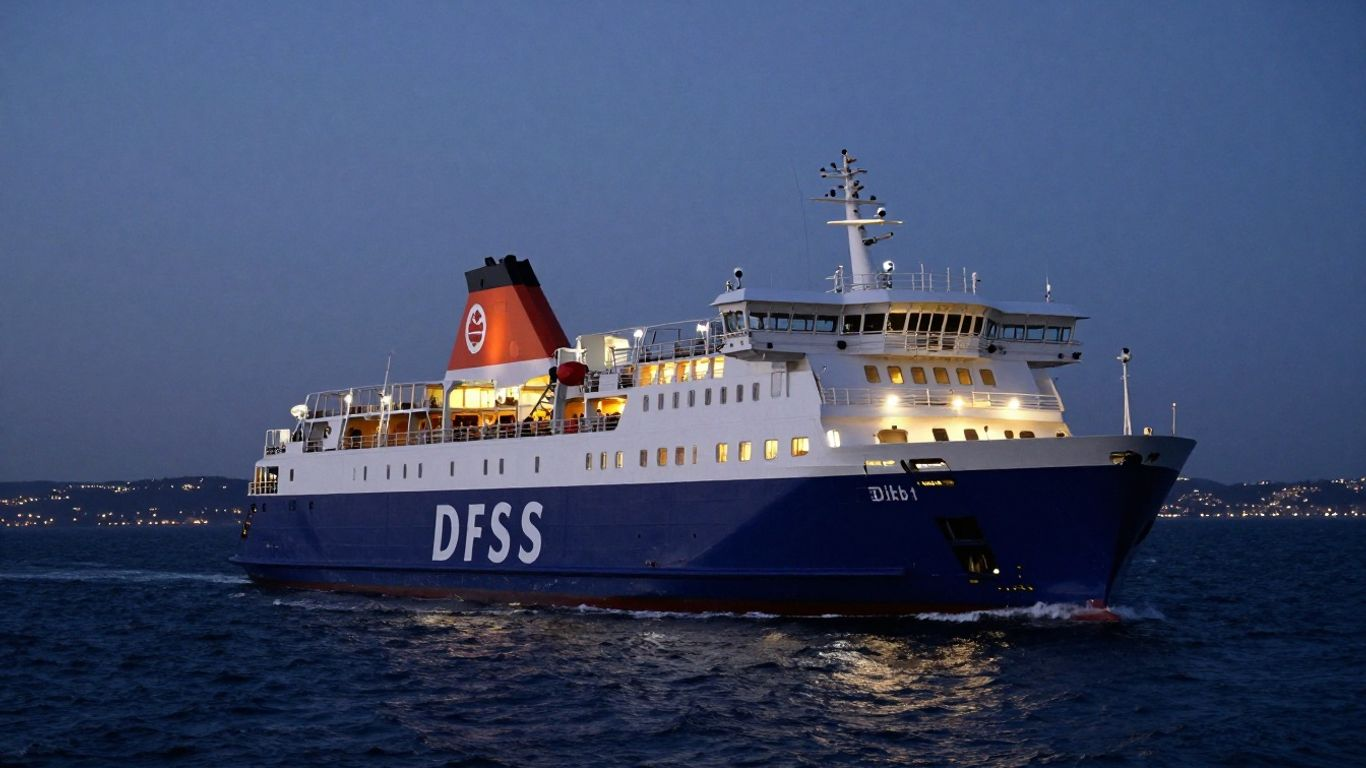
Planning a trip from Newcastle to Amsterdam in 2026? The DFDS ferry is a pretty popular way to go, and honestly, it makes the journey part of the fun. Forget the hassle of airports; this is a different kind of travel. We’ve put together some pointers to help you sort out your **dfds newcastle to amsterdam** adventure, from booking your spot to what to expect when you get there. It’s all about making your sea crossing smooth and your time in the Dutch capital brilliant.
Key Takeaways
- When booking your **dfds newcastle to amsterdam** trip, think about which cabin suits you best – from basic to something a bit fancier.
- Look into the different ticket types for flexibility; sometimes paying a bit more upfront saves hassle later.
- The ferry itself has a few places to eat and things to do, so check out the onboard facilities before you sail.
- Get to the Newcastle terminal with plenty of time before you need to board; know the check-in times.
- Once you arrive in Amsterdam, figure out your transport from the port into the city centre beforehand.
Booking Your DFDS Newcastle to Amsterdam Journey
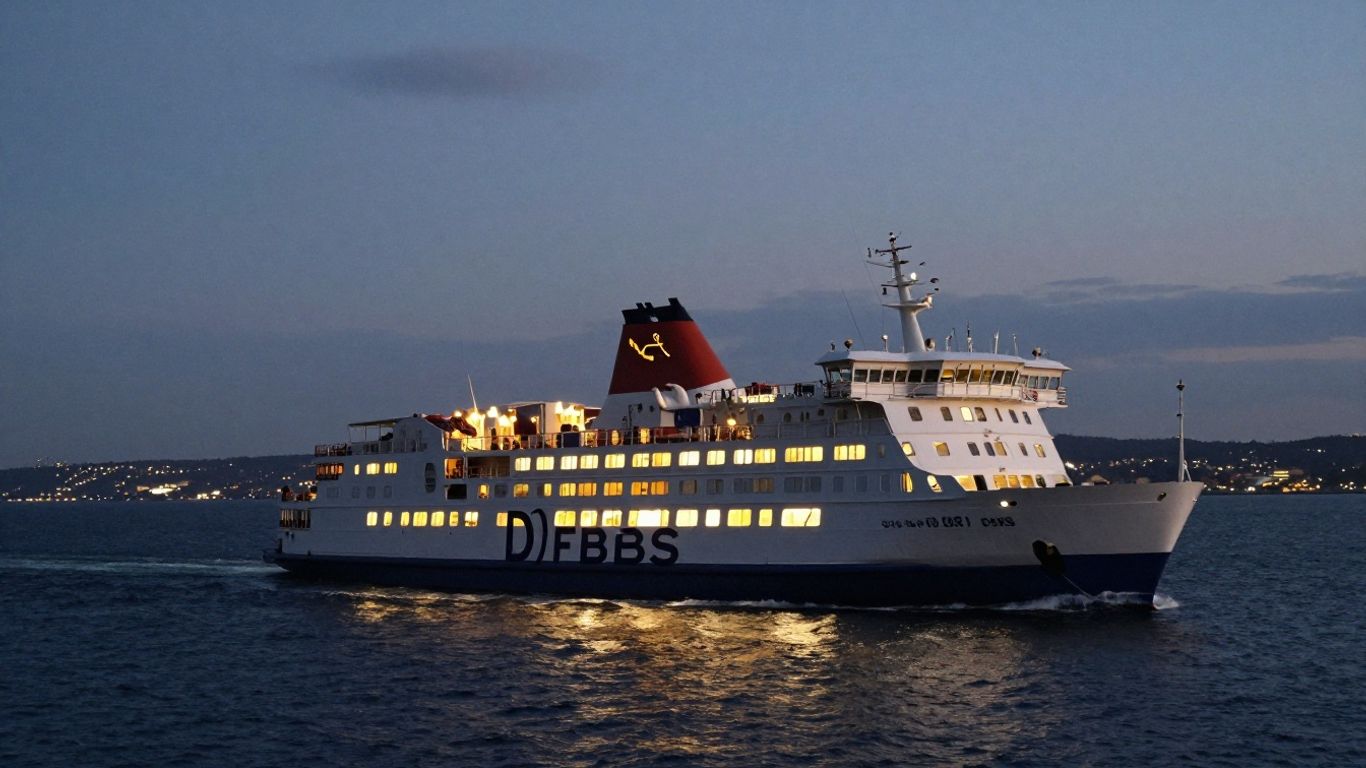
Getting your tickets sorted for the DFDS ferry from Newcastle to Amsterdam is pretty straightforward, but there are a few things to think about to make sure you get the best deal and the right kind of trip for you. It’s not just about picking a date; you’ve got choices to make that’ll shape your whole experience.
Choosing Your Cabin Class
When you book, you’ll see different cabin options. These aren’t just fancy names; they really do make a difference to your comfort, especially on an overnight sailing. You can go for a standard inside cabin, which is basic but perfectly fine for sleeping. Then there are outside cabins, which have a window – nice for seeing the sea if you wake up early. If you’re looking for a bit more space and comfort, the Commodore and Premium cabins are the way to go. They’re bigger, often have better views, and sometimes come with extra perks like a mini-fridge or a TV. For a bit of a treat, I’d recommend splashing out on an outside cabin at least, if your budget allows. It’s nice to wake up and see the daylight.
Understanding Ticket Options and Flexibility
DFDS offers various ticket types, and it’s worth looking at what suits your plans. Most standard tickets are pretty fixed, meaning if you need to change your travel dates or times, you might face fees. However, they sometimes offer more flexible options, which cost a bit more upfront but can save you hassle if your plans are a bit up in the air. It’s always a good idea to check the specific terms and conditions when you book. If you’re travelling with a car, remember to book that in too, as it’s a separate part of the booking process. You can find out more about booking your crossing on the DFDS website.
Tips for Securing the Best Fares
Like most travel, booking in advance is usually your best bet for cheaper prices. DFDS often releases its schedules and fares quite a way ahead, so if you know your dates, get them booked. Keep an eye out for special offers or deals, especially outside of peak holiday times. Sometimes travelling mid-week or on less popular sailing times can also knock a bit off the price. If you’re a member of any motoring organisations, it’s worth checking if they have any partnerships with DFDS that could get you a discount.
Planning ahead really does pay off. The earlier you book, the more likely you are to snag a good price and the cabin you actually want, rather than just whatever’s left.
Don’t forget to factor in any extras you might want, like meals or even just parking at the terminal, when you’re comparing prices. Sometimes a package deal looks good, but it’s always wise to break down the costs to see what you’re really paying for.
Onboard Experience: Life at Sea
So, you’re heading from Newcastle to Amsterdam, and you’re probably wondering what it’s actually like on the ferry. Well, it’s more than just a way to get from A to B; it’s a bit of a mini-break in itself. You can actually relax and enjoy the journey across the North Sea.
Dining Delights and Culinary Choices
When it comes to food, DFDS has you covered. They’ve got a few options, so you’re not stuck with just one thing. There’s the buffet restaurant, which is usually a good bet if you’re feeling a bit peckish and want a bit of variety. Think international dishes, so there’s usually something for everyone. If you’re looking for something a bit more special, there’s often an à la carte restaurant too. This is where you can get a proper sit-down meal, maybe with a nice view of the sea if you’re lucky. It’s a good way to make the trip feel a bit more like a treat. You can check out the dining options before you go to get an idea of what’s on offer.
- Buffet Restaurant: Great for variety and casual dining.
- À la Carte Restaurant: For a more refined, sit-down meal.
- Bars: Plenty of places to grab a drink and unwind.
The food on these ferries can be surprisingly good. Don’t just assume it’s going to be basic; they often put a lot of effort into the menus, especially for the à la carte options. It’s worth having a look at what’s available.
Entertainment and Relaxation Facilities
It’s not all about eating, though. There are usually bars where you can grab a drink and watch the world go by. Sometimes there’s live music, which can be a nice touch. If you just want to chill out, there are plenty of seating areas. You might even find a cinema or a games room, depending on the specific ship. It’s a good chance to switch off from everything. For those who need to stay connected, Wi-Fi is usually available, though it can be a bit pricey and not always the fastest out at sea.
Shopping and Duty-Free Opportunities
Yes, there’s a shop onboard! It’s mainly a duty-free shop, so you can pick up things like perfumes, spirits, chocolates, and tobacco at potentially lower prices than you’d find on land. It’s worth having a browse, especially if you’re looking for gifts or just want to treat yourself. They also sell travel essentials, so if you’ve forgotten something, there’s a good chance you can find it here. Just remember to check the allowances for what you can bring back into the UK.
Navigating the Newcastle Terminal
Getting to the DFDS terminal in Newcastle is pretty straightforward, but knowing a few things beforehand can make your departure day a lot smoother. The key is to arrive with plenty of time to spare. It’s not like catching a train where you can dash on at the last minute; this is a ferry crossing, after all.
Check-In Procedures and Timings
When you arrive at the terminal, you’ll need to check in. This usually involves presenting your booking confirmation and passports. For foot passengers, head to the passenger check-in area. If you’re travelling with a vehicle, you’ll follow signs for vehicle check-in. It’s always best to check the DFDS website for the most up-to-date timings, but generally, check-in for the Amsterdam route opens a few hours before departure. For the overnight sailings, you’ll want to be there well in advance to get settled.
Here’s a rough idea of what to expect:
- Foot Passengers: Aim to arrive at least 90 minutes before the scheduled departure time.
- Vehicle Passengers: Arrive at least 2 hours before departure. This gives you time to get through check-in and board your vehicle.
- Check-in Closure: Be aware that check-in usually closes about 60 minutes before departure for foot passengers and 90 minutes for vehicles. Don’t be late!
Departure Lounge Amenities
Once you’ve checked in, you’ll likely find yourself in the departure lounge. DFDS usually provides a decent space for passengers to wait. You can expect to find facilities like toilets and seating. There’s often a small shop where you can grab snacks, drinks, or any last-minute travel bits you might have forgotten. Some terminals also have Wi-Fi, which is handy for sending off those final emails or catching up on social media before you lose signal at sea. You can find more details on the terminal facilities available.
It’s worth remembering that while the terminal has amenities, they are generally functional rather than luxurious. Think of it as a waiting area, not a destination in itself. Grab a coffee, use the facilities, and get ready to board when your call comes.
Parking and Transport Links
If you’re driving to the terminal, there’s usually parking available, though it might come with a charge. It’s often a good idea to pre-book parking if it’s offered, as spaces can fill up, especially during peak times. Check the DFDS website for specific details on parking costs and availability for your travel date.
For those relying on public transport, the terminal is generally accessible. Newcastle has a good public transport network, including buses and the Metro. You can usually get a bus or Metro to a stop near the ferry terminal, followed by a short walk. Taxis are also readily available and can take you directly to the terminal entrance. Planning your journey to the terminal using local transport options is a good idea, especially if you’re not familiar with the area. The ferry itself is a great way to travel, and the King Seaways ferry has plenty to keep you occupied once you’re onboard.
Arriving in Amsterdam: Your Gateway to the City
After a good night’s sleep, or perhaps a bit of stargazing from the deck, you’ll soon be pulling into the IJmuiden port, the gateway to Amsterdam. It’s a bit of a drive into the city centre itself, so it’s good to have a plan sorted before you disembark. The ferry docks at Felison Terminal, IJmuiden.
Disembarking and Customs
Once the ship docks, it’s time to head off. Follow the signs for disembarkation. You’ll likely need to have your booking details handy. While it’s not like flying, there are still checks, so have your passport ready. It’s usually a pretty straightforward process, but it’s always wise to be prepared. You can check live arrival times before you even get off the ship, which is handy if you’re meeting someone or need to adjust onward travel plans [8b55].
Transport Options from the Port
Getting from IJmuiden to Amsterdam city centre is simple enough, with a few options available. The most common and often easiest is the dedicated DFDS coach service. These coaches usually run to coincide with ferry arrivals and will take you directly to Amsterdam Central Station. It’s a convenient way to start your city exploration without any fuss.
- DFDS Coach: The most popular choice, direct to Amsterdam Central Station.
- Taxi: Available at the port, but will be more expensive than the coach.
- Public Transport (Bus/Train): You can take a local bus from IJmuiden to a nearby train station and then catch a train into Amsterdam, but this takes longer and involves more changes.
Exploring Amsterdam’s Charm
Once you’re in Amsterdam, the real adventure begins! The city is famous for its canals, historic buildings, and vibrant atmosphere. Whether you’re here for a day trip or a longer stay, there’s plenty to see and do.
Amsterdam is a city that rewards exploration. Wander through the narrow streets, discover hidden courtyards, and soak up the unique Dutch culture. Don’t forget to try some local treats while you’re there!
From the central station, you’re perfectly placed to start exploring. You can easily walk to many attractions, or hop on a tram. Consider a canal cruise early on to get your bearings and see the city from a different perspective. And if you’re curious about the ship’s journey, you can even track its progress [38ed].
Making the Most of Your DFDS Newcastle to Amsterdam Trip
So, you’ve booked your ferry and you’re ready for the adventure. Brilliant! Now, let’s talk about how to make this trip from Newcastle to Amsterdam really count. It’s not just about getting from A to B; it’s about the whole experience, from the moment you step onto the ship to when you’re exploring the Dutch capital.
Packing Essentials for the Voyage
Packing smart can make a huge difference. You don’t want to be stuck on the ferry wishing you’d brought that extra jumper or your favourite book. Think layers, especially for the sea air, and comfortable shoes are a must for both the ship and Amsterdam’s cobbled streets. Don’t forget any medications you might need, and a portable phone charger is a lifesaver when you’re out and about. A small backpack for day trips in Amsterdam is also a good idea.
Here’s a quick checklist:
- Comfortable walking shoes
- Waterproof jacket
- Toiletries (though some are available onboard)
- Book or e-reader
- Travel adapter
- Any personal medications
- Small backpack for day use
Maximising Your Time in Amsterdam
Amsterdam is a city that really rewards exploration. The key is to have a rough plan, but stay flexible. You could spend days just wandering through the canals, but if you’ve only got a short time, prioritise what you really want to see. Museums like the Rijksmuseum or the Anne Frank House are popular, so booking tickets in advance is highly recommended. Consider a canal cruise early in your visit; it gives you a great overview of the city’s layout and history. And honestly, just getting lost in the Jordaan district is an experience in itself.
Getting around is pretty easy. You can walk most places, or use the excellent public transport system. Cycling is, of course, the Dutch way, but be aware of the local cycling etiquette – it’s a bit of an art form!
Sustainable Travel Practices
Travelling responsibly is becoming more important, and the ferry itself is a greener way to travel compared to flying. Once you’re in Amsterdam, try to stick to public transport or cycling. Many hotels are also making efforts towards sustainability, so look out for those. Reducing waste, like using a reusable water bottle, is a simple step everyone can take. Remember, we’re visitors, so let’s treat the city and its environment with respect.
The journey itself is part of the holiday. Embrace the slower pace, enjoy the sea air, and see it as a chance to disconnect before diving into the buzz of Amsterdam. The ferry crossing from Newcastle to Amsterdam takes around 16 hours, giving you plenty of time to relax and prepare for your Dutch adventure.
So, is the DFDS Newcastle to Amsterdam trip for you?
Right then, that’s pretty much the lowdown on getting from Newcastle to Amsterdam with DFDS. It’s a decent way to travel, honestly. You get to relax a bit on the ferry, see some sea, and wake up ready to explore a new city. It’s not exactly a quick hop, but it beats sitting in an airport for hours, I reckon. Just make sure you book ahead, especially if you’re going in peak season, and pack a bit of patience for the boarding. All in all, it’s a solid choice for a bit of an adventure without too much fuss. Enjoy Amsterdam!
Frequently Asked Questions
How long does the ferry trip from Newcastle to Amsterdam take?
The ferry journey itself is quite a long one, usually taking around 15 to 16 hours. It’s an overnight trip, so you’ll travel while you sleep and wake up ready to explore Amsterdam!
What kind of rooms can I book on the ferry?
You have a few choices for where you’ll sleep. There are basic inside cabins with no windows, or you can upgrade to outside cabins that have a window so you can see the sea. Some cabins are a bit fancier too, offering more space and better views.
Can I take my car on the ferry?
Yes, absolutely! The DFDS ferry is equipped to carry cars, vans, and even motorbikes. You’ll need to book a space for your vehicle when you buy your ferry ticket, and it’s usually a good idea to do this in advance, especially during busy times.
What is there to do on the ferry during the journey?
Don’t worry about being bored! There are restaurants and bars where you can grab a bite to eat or a drink. You can also enjoy live music, relax in a lounge, or even do a bit of shopping in the onboard shop. It’s like a mini-cruise!
How do I get from the Amsterdam port to the city centre?
Once you arrive in Amsterdam, the port is a short distance from the main city. DFDS usually provides a shuttle bus service that takes you directly to a central spot in Amsterdam, like Centraal Station. From there, you can easily catch trams, buses, or the metro to wherever you need to go.
When should I book my ferry ticket to get the best price?
To snag the best deals, it’s generally a good idea to book your ferry tickets as early as possible. Prices can go up the closer you get to your travel date, especially if you’re travelling during holidays or summer. Keep an eye out for special offers too!