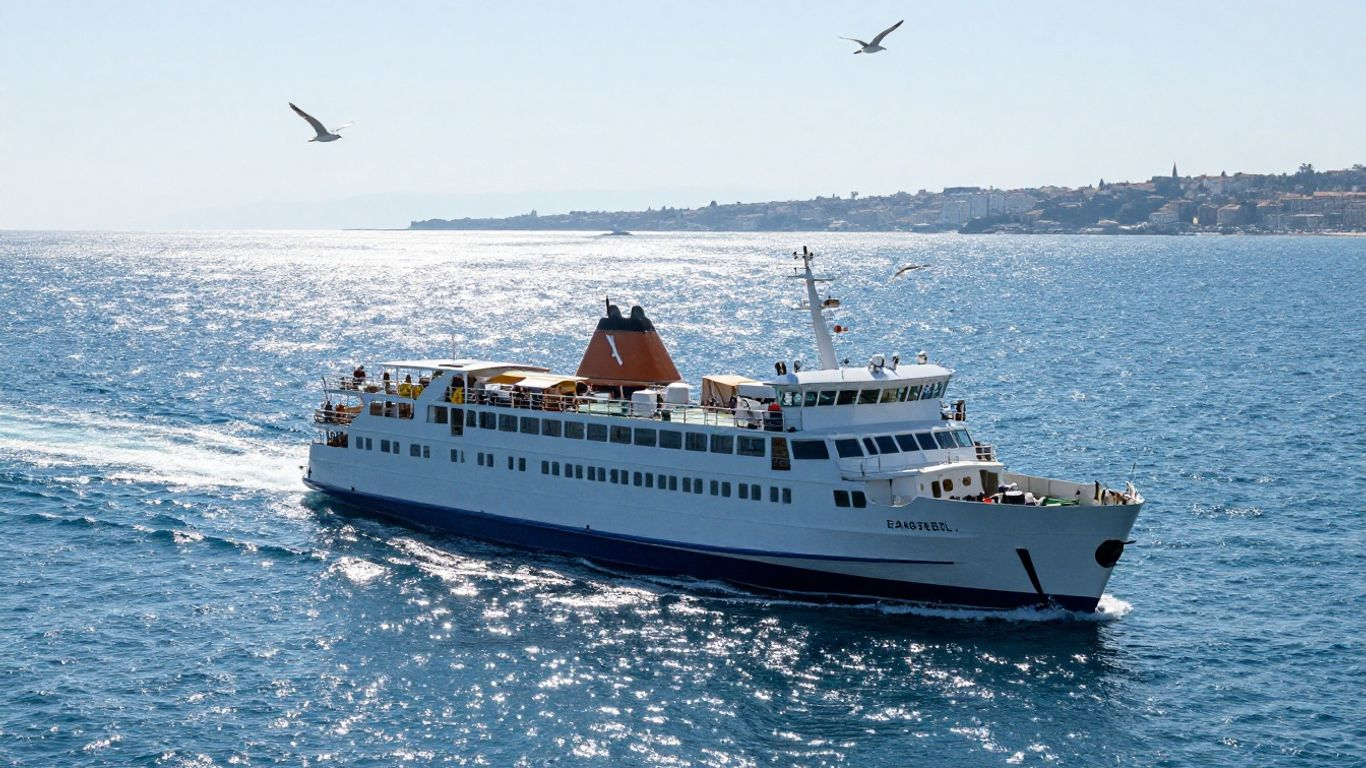
Thinking about a trip from Barcelona to Italy? A ferry might just be the way to go. It’s a bit different from flying, and honestly, quite a nice way to see things. You get to relax, watch the sea, and arrive right in Italy without the hassle of airports. We’ll cover how to find the right routes, book your tickets, and what to expect on the journey. It’s a good option if you’re not in a massive rush and want a more laid-back start to your Italian adventure. The barcelona italy ferry is a solid choice for many travellers.
Key Takeaways
- You can catch ferries from Barcelona to Sardinia, and from there, connect to mainland Italy.
- Booking your barcelona italy ferry tickets in advance is usually a good idea, especially during busy times.
- Compare prices from different ferry companies to get the best deal for your trip.
- Pack wisely for the ferry voyage, considering cabin options and if you’re bringing pets.
- Familiarise yourself with Italian ports and customs before you arrive to make disembarking smoother.
Navigating Barcelona To Italy Ferry Routes
So, you’re thinking about hopping on a ferry from Barcelona to Italy? It’s a pretty cool way to travel, honestly. Instead of flying, you get to see the sea and arrive right in the heart of Italy, ready for an adventure. But before you start dreaming of pasta, let’s talk about the routes.
Direct Ferries To Sardinia
Your most common direct route from Barcelona will likely take you to Sardinia. It’s a big island, and a popular first stop for many heading to Italy by sea. Companies like Grimaldi Lines run services here, usually heading to ports like Porto Torres or Olbia. These aren’t short hops, mind you. We’re talking overnight journeys, so you’ll want to think about a cabin.
- Porto Torres: Often the main destination on Sardinia’s northwest coast.
- Olbia: Located on the northeast, a good gateway to some of the island’s famous beaches.
- Sardinia’s Coastline: The ferry gets you close to some stunning scenery right away.
The journey to Sardinia is a proper sea voyage, so pack accordingly.
Connecting To Mainland Italy
Once you’re on Sardinia, you’ve got options. You can explore the island itself, or you can catch another ferry to the Italian mainland. From Sardinia, you can find connections to ports like Civitavecchia (which is the port for Rome), Livorno (for Florence), or even Genoa and Savona further north. This is where things get a bit more complex, as you’re essentially breaking your trip into two parts. It’s worth looking at ferry routes connecting Spain and Italy to get a feel for the possibilities.
Understanding Ferry Operators
There aren’t a huge number of companies doing this specific Barcelona to Italy run, but the main players are worth knowing. Grimaldi Lines is a big one, often covering the Sardinia routes. Other operators might pop up depending on the season or specific route, sometimes connecting to other parts of Italy indirectly. It’s always a good idea to check a few different comparison sites and the operators’ own websites to see who’s running when you want to travel. You’ll find that different companies have slightly different onboard experiences and pricing, so a bit of research goes a long way.
Remember that ferry schedules can change, especially outside of the peak summer months. Always double-check departure and arrival times closer to your travel date. It’s also wise to be aware of the different types of tickets available, from basic deck passage to private cabins.
Booking Your Barcelona To Italy Ferry Journey
So, you’ve decided on a ferry trip from Barcelona to Italy – brilliant choice! Now comes the part where you actually make it happen. It’s not complicated, but a little planning goes a long way. Getting the right ticket at a good price is totally doable if you know a few things.
When To Book Your Tickets
This is a big one. If you’re planning to travel during the peak summer months (July and August), or around major holidays like Easter, you’ll want to book as far in advance as you possibly can. Seriously, like months ahead. Ferries fill up, especially cabins, and prices tend to creep up the closer you get to the departure date. For off-peak travel, you might have a bit more flexibility, but it’s still a good idea to book at least a few weeks ahead to snag the best deals.
Comparing Ferry Prices
Don’t just go with the first company you see. There are a few ferry operators running routes from Barcelona, and their prices can vary quite a bit. It’s worth spending a bit of time comparing. You can check directly on the ferry companies’ websites, or use comparison sites. Sometimes, booking directly gets you a slightly better deal, other times a comparison site might have a special offer. Keep an eye out for deals, especially if you’re travelling outside of peak season.
Here’s a rough idea of what you might expect, though prices change:
| Route | Operator Example | Typical Price (Foot Passenger) | Typical Price (Car + Driver) |
|---|---|---|---|
| Barcelona to Sardinia | Grimaldi Lines | €50 – €100 | €150 – €300 |
| Barcelona to Genoa | GNV | €60 – €120 | €180 – €350 |
Note: These are just estimates and can fluctuate based on demand, time of year, and how far in advance you book.
Essential Booking Information
When you’re ready to book, make sure you have all the necessary details to hand. This usually includes:
- Passenger details: Full names, dates of birth, and contact information for everyone travelling.
- Vehicle information: If you’re taking a car, you’ll need its make, model, registration number, and dimensions (length and height can sometimes affect price).
- Cabin requirements: If you want a private cabin, decide if you need a 2-berth, 4-berth, or a pet-friendly one.
- Payment method: Have your credit or debit card ready.
It’s always a good idea to double-check all the details before you confirm your booking. A small typo in a name or date can cause headaches later on, and nobody wants that when they’re trying to start their holiday. Read through the booking confirmation carefully once you receive it.
Remember to check the specific luggage allowances for your chosen operator, as these can differ. Some companies are stricter than others, and you don’t want any surprises at the port.
Preparing For Your Ferry Adventure
Right then, you’ve booked your ferry from Barcelona to Italy – brilliant! Now, let’s get you ready so the actual journey is as smooth as possible. It’s not quite like hopping on a plane, but with a bit of thought, you’ll be sailing in no time.
What To Pack For The Voyage
Packing for a ferry trip is a bit different from a short city break. You’ll be on the boat for a good few hours, maybe even overnight, so think comfort and practicality. Don’t forget a good book or some downloaded podcasts; entertainment is key for a long journey.
Here’s a quick list of things that might come in handy:
- Comfortable clothing: Layers are your friend. It can get a bit chilly on deck or in the air-conditioned lounges.
- Travel pillow and blanket: Especially if you’re not booking a cabin, these make a world of difference for catching some sleep.
- Snacks and drinks: While there are places to eat on board, having your own stash can save you a bit of money and means you can have what you fancy, when you fancy it.
- Any necessary medications: Make sure you have enough for the entire trip, plus a little extra just in case.
- Entertainment: Books, tablets, headphones – whatever keeps you occupied.
- Chargers and power bank: You’ll want to keep your devices topped up.
Understanding Cabin Options
If you’re travelling overnight or just fancy a bit more privacy and comfort, booking a cabin is a good idea. Most ferries offer different types, from basic four-berth rooms to more luxurious en-suite options. It’s worth looking at what’s available when you book your tickets. Some cabins have external windows, which can be nice for watching the sea, while others are internal. Think about how much time you’ll actually spend in the cabin; if it’s just for sleeping, a basic option might be perfectly fine.
Here’s a general idea of what you might find:
- Standard Cabins: Usually sleep 2-4 people, often with bunk beds. Basic amenities like a small sink might be included.
- Premium Cabins: These tend to be larger, might have a double bed, and often include an en-suite bathroom with a shower.
- Family Cabins: Designed for families, these can accommodate more people and might have extra features.
It’s a good idea to check the specific ferry operator’s website for details on their cabin types and what’s included. Booking these in advance is usually recommended, especially during peak season, as they can fill up quickly. You can find more details on booking ferry tickets if you need a refresher.
Travelling With Pets
Bringing your furry friends along? Most ferry companies allow pets, but there are rules. You’ll usually need to book a space for them, and they might have to stay in your vehicle or in designated kennels on board. Some newer ferries have pet-friendly cabins, which are a great option if available. Always check the specific pet policy of the ferry operator well in advance. You’ll likely need their vaccination records and possibly a pet passport, depending on the route and destination. It’s a bit more paperwork, but worth it to have your companion with you.
Planning ahead is key for a stress-free ferry journey. Knowing what to pack, understanding your accommodation options, and sorting out pet travel arrangements before you leave Barcelona will make a big difference to your overall experience. Don’t leave these things to the last minute; a little preparation goes a long way.
Onboard Experience And Amenities
So, you’ve booked your ferry from Barcelona to Italy. Now, what’s it actually like on board? It’s not quite a luxury cruise, but these ferries are designed to make your journey across the Mediterranean as comfortable and enjoyable as possible. Most ferries offer a range of facilities to keep you fed, entertained, and rested during your trip.
Dining Options At Sea
When it comes to food, you’ll find a few different choices depending on the ferry operator and the length of your journey. Many larger vessels have a main restaurant serving up a mix of Italian and international dishes. Think pasta, pizza, salads, and some meat or fish options. It’s usually table service, and while it’s not Michelin-star dining, it’s generally decent and a good way to get a proper meal.
For quicker bites, there’s often a self-service cafeteria or bistro. This is great if you’re on a budget or just want something simple like a sandwich, a burger, or some fries. You’ll also find bars and cafes dotted around the ship, perfect for grabbing a coffee, a pastry, or a cold drink. Some ferries even have a small shop selling snacks and drinks, though prices can be a bit higher than you’d expect.
Entertainment And Relaxation
Don’t expect Broadway shows, but there are ways to pass the time. Many ferries have lounges with comfortable seating where you can read, chat, or just watch the sea go by. Some might have a TV showing news or sports. On longer overnight journeys, the focus is more on relaxation.
Some of the bigger ships might have a swimming pool (though often seasonal and weather-dependent), a small gym, or even a children’s play area. It’s worth checking what your specific ferry offers before you travel. For those who just want peace and quiet, finding a spot on deck to soak up the sun and the views is often the best entertainment. Taking the Grimaldi Lines ferry from Barcelona to Rome offers a journey with dated but functional amenities and scenic views. This option provides a way to travel between Spain and Italy, allowing passengers to experience the voyage across the Mediterranean.
Facilities For Families
Travelling with kids? Most ferry companies understand this and try to make things a bit easier. As mentioned, there are often dedicated play areas, which can be a lifesaver when little ones get restless. Some ferries also have family-friendly cabin options, which might be a bit larger or have extra beds.
When it comes to dining, the cafeterias are usually a good bet for picky eaters, and high chairs are generally available. It’s a good idea to pack some of your children’s favourite snacks and drinks, just in case.
Remember that ferry travel is a journey in itself. Embrace the slower pace, enjoy the sea air, and see it as part of the adventure rather than just a way to get from A to B. The views can be quite spectacular, especially as you leave Spain or approach Italy.
Here’s a quick rundown of what you might find:
- Lounges: Comfortable seating for relaxing and reading.
- Restaurants: Table service for full meals.
- Cafeterias/Bistros: Self-service for quicker, casual meals.
- Bars/Cafes: For drinks and light snacks.
- Shops: Selling essentials, snacks, and souvenirs.
- Children’s Play Areas: To keep younger passengers entertained.
- Deck Space: For enjoying the sea views and fresh air.
While not every ferry will have all of these, it gives you a general idea of what to expect. It’s always best to check the specific amenities for the route and operator you choose.
Arrival And Disembarkation Tips
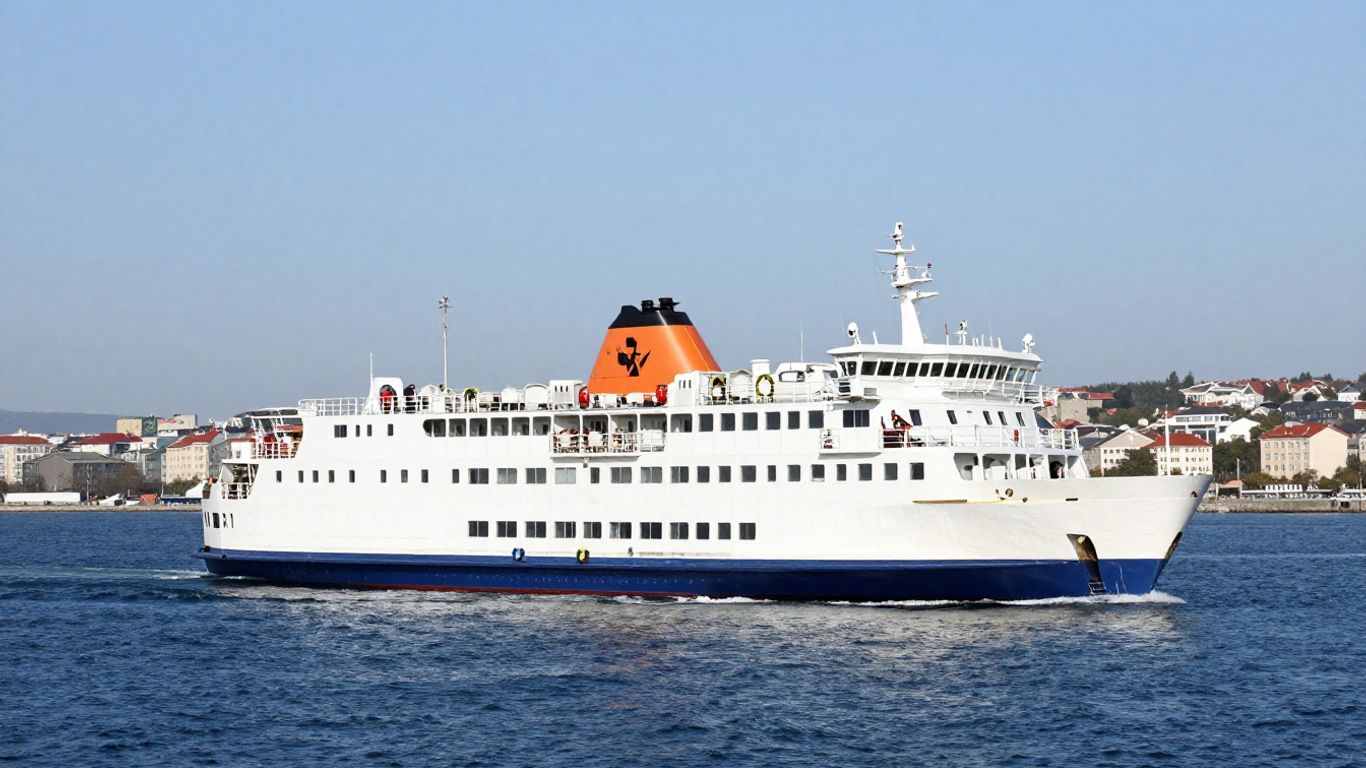
So, you’ve made it across the sea! Arriving in Italy after a ferry trip is a bit different from flying, and knowing what to expect can make the whole process smoother. The key is to stay calm and follow the crew’s instructions.
Navigating Italian Ports
Italian ports can be busy places, especially during peak season. When your ferry docks, don’t rush straight off. Take a moment to gather your belongings and listen for announcements. The port authorities will guide the disembarkation process, usually directing passengers off in stages.
- Check your deck and exit: Make sure you know which deck you need to disembark from. Signs are usually clear, but it’s good to be prepared.
- Follow the flow: Most people will be heading towards the exit. Just follow the crowd, and you’ll be fine.
- Be aware of your surroundings: Keep an eye on your luggage and be mindful of other passengers and vehicles moving around the port area.
Getting To Your Final Destination
Once you’re off the ferry, you’ll need to figure out how to get to your hotel or your next stop. Italian ports often have a range of options available right outside the terminal.
- Taxis: These are usually readily available, but it’s worth checking if there’s a designated taxi rank to avoid unofficial drivers.
- Public Transport: Many larger ports are well-connected by local buses or trains. Look for signs pointing to the bus station or train station.
- Pre-booked Transfers: If you’ve arranged a transfer in advance, look for a sign with your name on it. This can be a really convenient option, especially if you have a lot of luggage or are travelling late at night. It’s a bit like arriving in Ibiza by ferry, where you might want to have your onward journey sorted.
Customs And Immigration Procedures
For most travellers coming from Barcelona, which is within the Schengen Area, you won’t typically go through formal immigration checks upon arrival in Italy. However, there are a few things to keep in mind:
- Identification: Always carry a valid passport or national ID card. While checks are rare on intra-Schengen ferry routes, authorities can ask for identification at any time.
- Baggage Checks: While less common than at airports, random baggage checks can occur. Be prepared to open your luggage if requested by port officials.
- Customs Declarations: If you’re bringing in goods that exceed the standard allowances for personal use (e.g., large quantities of alcohol or tobacco), you may need to declare them. It’s always best to check the latest customs regulations for Italy before you travel.
Arriving by ferry offers a different pace to travel. Instead of the rush of an airport, you get a chance to see the coastline approach. It’s a gentler way to start your Italian adventure, allowing you to ease into the holiday mood right from the moment you step ashore.
Maximising Your Barcelona To Italy Ferry Trip
So, you’ve booked your ferry from Barcelona and you’re heading towards Italy. That’s brilliant! But how do you make the most of it? It’s not just about getting from A to B, is it? It’s about the whole experience.
Exploring Sardinia’s Charms
If your ferry route takes you via Sardinia, you’ve got a fantastic opportunity to break up your journey. This island is seriously beautiful, with stunning beaches and rugged interiors. You could easily spend a few days here.
- Visit the La Maddalena Archipelago: Think crystal-clear waters and amazing boat trips.
- Explore Cagliari: The capital city offers history, great food, and lovely views.
- Hike in the Gennargentu National Park: For a taste of wilder Sardinia.
Even a short stopover can give you a real feel for the island’s unique culture and landscapes. It’s a great way to add another dimension to your trip.
Discovering Italian Coastal Cities
Once you land in Italy, you’re spoiled for choice with coastal gems. Depending on your arrival port, you might be close to some real treasures. Think about places like Genoa, Savona, or even further south if you’ve connected from Sardinia.
- Genoa: A historic port city with a massive aquarium and a fascinating old town.
- Cinque Terre: While not directly on a major ferry route, it’s accessible from nearby ports and offers iconic cliffside villages.
- Naples: If you’re heading further south, this vibrant city is the gateway to Pompeii and the Amalfi Coast.
Don’t just rush to your final destination. Take a day or two to soak in the atmosphere of these Italian seaside spots. You won’t regret it.
Extending Your Italian Holiday
This ferry journey can be the perfect start or middle to a longer Italian adventure. Instead of just a quick visit, why not plan a proper road trip? You could pick up a rental car on arrival and explore.
The ferry itself is a relaxing way to travel, setting a slower pace for your holiday right from the start. It means you can arrive in Italy feeling refreshed, not frazzled from airport queues. Consider booking a cabin for overnight journeys; it makes a huge difference to how rested you feel. You can find some good deals if you book in advance, especially outside of peak season. Remember to check the ferry operator’s website for the latest schedules and prices.
Planning a ferry trip is a bit like planning any holiday, but with a few extra bits to think about. You’ve got the sea crossing to consider, then what happens when you land. It’s all part of the fun, though, isn’t it? Getting to see different places and experience different ways of travelling.
So, That’s the Ferry Trip Sorted
Right then, so that’s the lowdown on getting from Barcelona to Italy by ferry. It’s not exactly a hop, skip, and a jump, but it’s a decent way to travel if you’ve got the time and fancy seeing a bit more of the sea. We’ve gone over the routes, a few bits of advice to make things smoother, and how to actually book it all. It might take a bit longer than flying, sure, but for some, that slower pace is exactly what they’re after. Just remember to book ahead, especially in peak season, and pack a bit of patience. Enjoy the journey!
Frequently Asked Questions
How long does the ferry from Barcelona to Italy take?
The journey time can vary a lot depending on where you’re going in Italy and which ferry company you use. Some trips to Sardinia might take around 10 hours, while others heading to mainland Italy could be much longer, sometimes overnight, taking up to 20 hours or even more. It’s best to check the specific route you’re interested in.
Can I take my car on the ferry?
Yes, most ferries allow you to bring your car, motorbike, or even a campervan. You’ll need to book a space for your vehicle when you buy your ferry ticket. It’s usually a bit extra, so factor that into your budget.
What’s the difference between a seat and a cabin?
A seat is basically like a spot on a plane or train, where you’ll sit for the whole journey. A cabin is a private room, often with beds, which is great for overnight trips so you can get some proper rest. Cabins cost more but can make the journey much more comfortable.
Do I need to book my ferry ticket in advance?
It’s highly recommended to book your tickets ahead of time, especially if you’re travelling during busy periods like summer holidays or weekends. Booking early often means you’ll get better prices and secure your preferred cabin or seat.
What facilities are usually available on the ferry?
Ferries generally have a range of things to do. You can usually find restaurants and cafes for food and drinks, shops for souvenirs or essentials, and sometimes even swimming pools or play areas for kids. There are also lounges where you can relax.
What happens when I arrive in Italy?
When you get to the Italian port, you’ll follow signs to disembark. If you have your car, you’ll drive off the ferry. You might need to go through passport control depending on your nationality and the route, but for most EU travellers, it’s quite straightforward. Then you can head off to explore Italy!