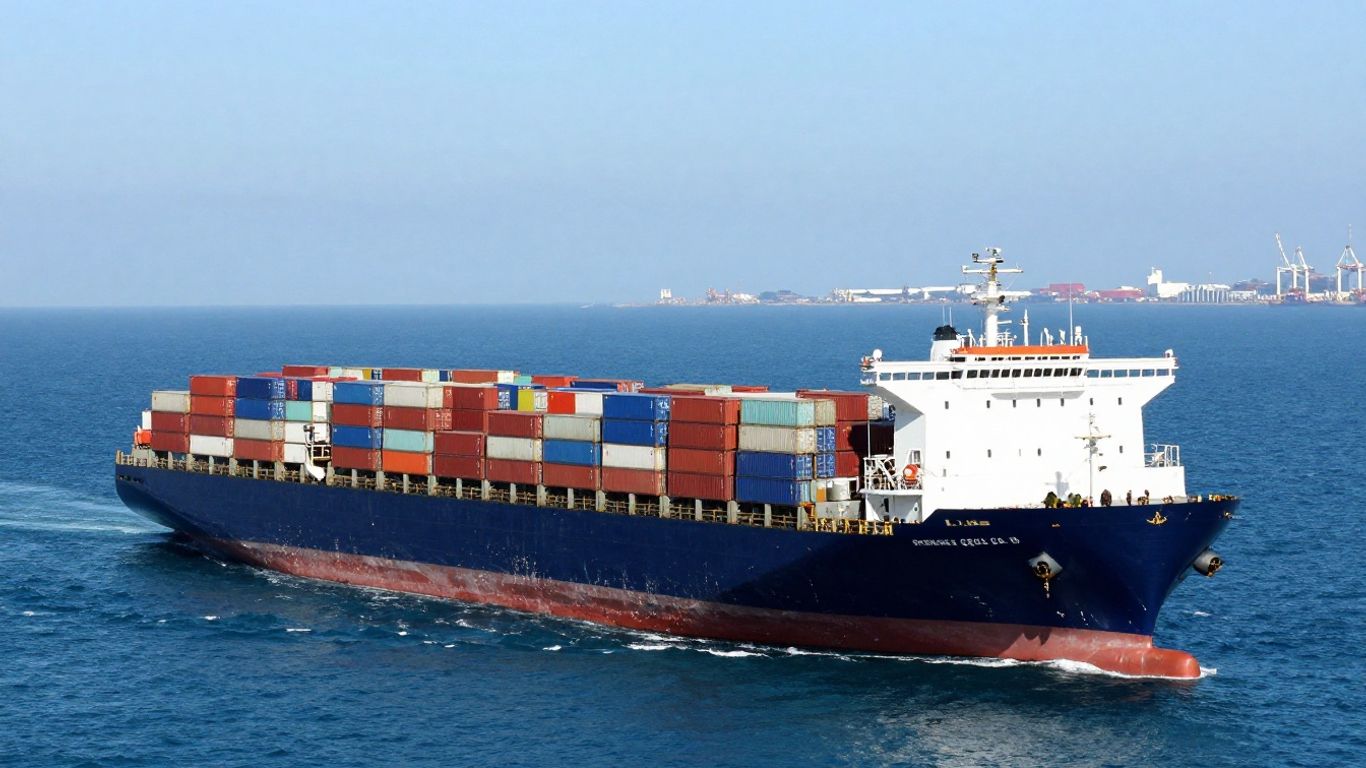
Shipping containers between Felixstowe and Rotterdam is a pretty common route for businesses. It’s a busy stretch of water, and getting your goods from the UK to mainland Europe efficiently matters a lot. This guide is here to help you figure out the basics of the felixstowe rotterdam journey, from picking the right company to getting your stuff there without too many headaches. We’ll cover what you need to know so your cargo arrives as planned.
Key Takeaways
- The Felixstowe to Rotterdam route is a major shipping lane, important for trade between the UK and Europe.
- Choosing the right shipping partner, whether a forwarder or a direct carrier, affects your costs and service.
- Proper paperwork and understanding customs rules are vital for a smooth felixstowe rotterdam shipment.
- Be prepared for potential delays from bad weather or busy ports on this busy route.
- Keep an eye on shipping costs and market changes to plan your budget for the felixstowe rotterdam journey.
Understanding The Felixstowe To Rotterdam Container Route
Key Maritime Corridor Significance
This stretch of water between Felixstowe and Rotterdam isn’t just a short hop across the North Sea; it’s a seriously busy highway for goods. Think of it as one of the main arteries for trade between the UK and mainland Europe. Loads of containers make this journey every single day, carrying everything from car parts and electronics to food and fashion. It’s a vital link that keeps supply chains moving. The sheer volume of traffic means it’s a well-established route, with plenty of shipping lines operating services.
Navigating The North Sea
Sailing the North Sea has its own set of challenges. It’s known for being a bit unpredictable, weather-wise. You can get strong winds and rough seas, especially during the autumn and winter months. This can sometimes lead to delays, as ships might have to slow down or even wait for conditions to improve. It’s not like sailing in calmer waters; you’ve got to respect the sea here. The route is also pretty crowded with other vessels, from huge container ships like the COSCO SHIPPING PLANET [a646] to smaller fishing boats and ferries, so good navigation is key.
The Felixstowe Rotterdam Connection
Felixstowe is the UK’s busiest container port, and Rotterdam is one of Europe’s largest. This makes their connection a natural fit. Ships often travel between these two ports as part of longer journeys, or they might be dedicated shuttle services. It’s a route that’s constantly buzzing with activity. The efficiency of this connection directly impacts how quickly goods can get from the UK to the continent and vice versa. It’s a pretty straightforward journey in terms of distance, but the operational side of things is complex, involving lots of coordination.
The sheer volume of goods passing through this route means that any disruption, whether it’s bad weather or port issues, can have a ripple effect across many industries. It highlights how interconnected global trade really is.
Choosing Your Shipping Partner For Felixstowe To Rotterdam
So, you’ve got your containers ready to go from Felixstowe to Rotterdam. That’s great! But who’s going to actually move them for you? Picking the right company is a big deal, honestly. It’s not just about getting your stuff from A to B; it’s about making sure it gets there without a hitch, on time, and without costing you an arm and a leg.
Evaluating Freight Forwarders
Freight forwarders are like the travel agents for your cargo. They don’t own the ships themselves, but they know all the shipping lines, the routes, and how to get the best deals. They can handle all the paperwork, book your space on a vessel, and sort out any issues that pop up. When you’re looking at them, think about a few things:
- Experience: How long have they been doing this specific route? Do they know the ins and outs of Felixstowe and Rotterdam ports?
- Network: Do they have good relationships with the shipping lines? This can mean better prices and more reliable service.
- Services: What exactly do they cover? Just the sea freight, or do they also handle customs, warehousing, or road transport at either end?
- Communication: Are they easy to get hold of? Do they reply quickly when you have a question? This is super important when things go wrong.
It’s worth getting a few quotes from different forwarders to compare what they offer and how much it costs. You can often compare and book container shipments online which can give you a good starting point.
Direct Carrier Options
Alternatively, you could go straight to a shipping line, like Maersk or MSC. This means you’re dealing directly with the company that owns and operates the ships. It can sometimes be cheaper because you’re cutting out the middleman. However, it also means you’re responsible for more of the organisation yourself. You’ll need to figure out:
- Which shipping line has a service that fits your schedule.
- How to book directly with them.
- What their specific terms and conditions are.
- Who to call if there’s a problem with the vessel itself.
Many lines have online tools where you can find sailing schedules and book directly. It’s a more hands-on approach, but for some businesses, it works well.
Understanding Service Level Agreements
Whatever type of partner you choose, you’ll likely sign some sort of agreement. This document is really important. It lays out exactly what the shipping company promises to do and what you can expect. Make sure you read it carefully before you sign anything. It should cover things like:
- Transit times: How long will the journey take?
- Delivery windows: Are there specific times they aim to arrive?
- Liability: What happens if your cargo is lost or damaged?
- Costs: What’s included, and what are the extra charges?
Sometimes, the cheapest option isn’t the best. A slightly more expensive service might offer better reliability, faster transit, or more comprehensive support, which could save you money and headaches in the long run. Think about the total cost, not just the initial price tag.
Choosing the right partner is about finding a balance between cost, reliability, and the level of service you need. Don’t rush this decision; it can make a huge difference to your shipping experience.
Optimising Your Felixstowe To Rotterdam Container Journey
Getting your containers from Felixstowe to Rotterdam sorted out smoothly is all about being prepared. It’s not just about booking a slot on a ship; there’s a bit more to it if you want things to go without a hitch.
Documentation Essentials
First off, paperwork. You’d be surprised how many issues pop up because of a simple mistake on a form. For this route, you’ll generally need a Bill of Lading, which is basically the contract between you and the carrier. Then there’s the commercial invoice and packing list, detailing exactly what’s in the container and its value. Don’t forget any import/export licenses or certificates of origin if your goods require them. Getting these documents right the first time saves a lot of headaches later. It’s worth double-checking everything, maybe even having someone else look them over before you submit them.
Customs Procedures Explained
Customs can feel like a maze, but for the Felixstowe to Rotterdam route, it’s usually fairly standard, especially within the UK and EU trade framework. You’ll need to make sure your goods are declared correctly to HMRC in the UK and then to the relevant authorities in the Netherlands. This involves providing the right commodity codes for your goods, which dictate the duty and tax rates. If you’re unsure about specific requirements, especially with changing trade rules, it’s a good idea to consult with a customs broker. They know the ins and outs and can help prevent unexpected charges or delays. For general information on trade corridors, looking at resources for the Asia-Europe shipping corridor can sometimes offer insights into broader customs trends.
Tracking Your Shipment
Once your container is on its way, you’ll want to know where it is. Most shipping lines and freight forwarders provide online tracking systems. These usually give you updates on the container’s location, estimated time of arrival (ETA), and any significant status changes, like when it’s loaded or unloaded. Some systems are more detailed than others. It’s good to know what level of tracking your chosen partner offers. A reliable tracking system means you can plan your onward logistics, whether that’s arranging final delivery or preparing for collection at the Rotterdam port. It gives you peace of mind, knowing your goods are progressing as expected.
Keeping a close eye on your shipment’s progress allows for proactive problem-solving. If a delay is flagged early, you can start thinking about alternative arrangements before it becomes a crisis. This foresight is key to maintaining your own supply chain’s reliability.
Navigating Potential Challenges On The Felixstowe Rotterdam Route
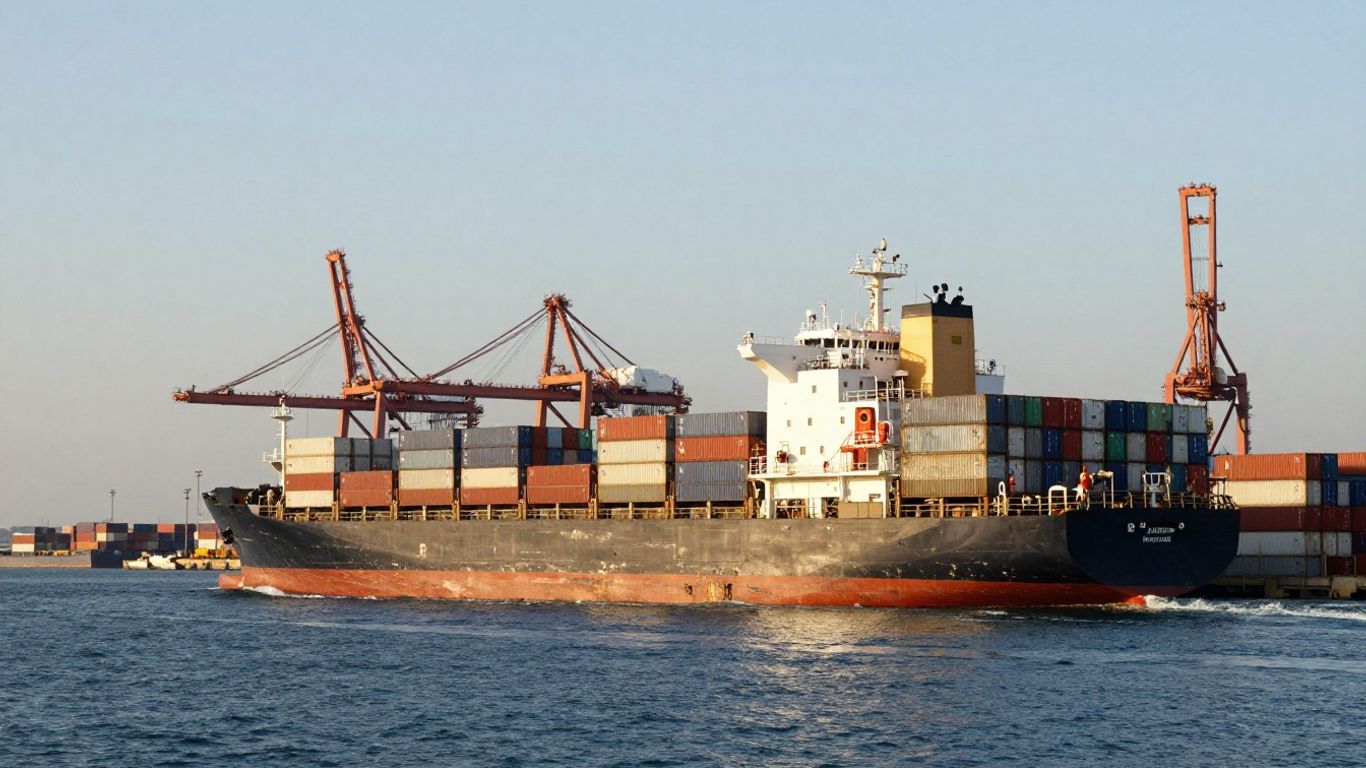
Even on a well-trodden path like Felixstowe to Rotterdam, things don’t always go to plan. Shipping containers across the North Sea is a complex operation, and a few bumps in the road are pretty common. Understanding these potential issues can help you prepare and minimise any disruption to your business.
Weather Impacts And Delays
The North Sea can be a bit unpredictable, to say the least. Strong winds, fog, and rough seas can all play havoc with sailing schedules. While modern vessels are built to handle a lot, extreme weather conditions can force ships to slow down, alter course, or even temporarily suspend operations for safety reasons. This can lead to knock-on effects, pushing back arrival times at Rotterdam.
- Sudden Storms: These can appear quickly, making sea conditions unsafe for extended periods.
- Dense Fog: Particularly common in certain seasons, fog can significantly reduce visibility, forcing vessels to proceed at reduced speeds or anchor.
- High Winds: Strong gales can make loading and unloading operations at port difficult and dangerous, leading to delays.
Port Congestion Considerations
Both Felixstowe and Rotterdam are incredibly busy ports. They handle a massive volume of cargo every single day. Sometimes, the sheer amount of ships wanting to dock, load, or unload can create queues. This congestion means your container might have to wait longer than expected to be moved off the vessel or onto the next stage of its journey. It’s a bit like rush hour on the motorway, but for ships. Recent reports have highlighted how European ports experienced significant shipping delays, with wait times sometimes stretching for days.
Contingency Planning
So, what can you do when things go wrong? Having a plan B is always a good idea. This might involve:
- Building Buffer Time: Don’t schedule your cargo to arrive at its final destination on the absolute last minute. Add a few extra days to your timeline to account for minor delays.
- Alternative Routes: While Felixstowe to Rotterdam is direct, consider if there are other ports or transport methods that could be used if this route becomes severely blocked. For instance, sometimes ferry services like the one from Dover to Dunkirk can offer a different approach for onward travel into mainland Europe.
- Communication: Stay in close contact with your shipping partner. They should be able to provide updates on vessel status and potential issues.
It’s easy to focus on the main route and forget about the smaller details that can cause problems. Thinking about what could go wrong, even if it seems unlikely, is part of smart shipping. It means you’re less likely to be caught out when the unexpected happens.
Being prepared for these common challenges is key to keeping your supply chain moving smoothly.
The Economic Landscape Of Felixstowe To Rotterdam Shipping
Cost Factors For Container Transport
When you’re looking at shipping containers between Felixstowe and Rotterdam, there’s quite a bit that goes into the final price. It’s not just about the distance, though that’s a part of it. You’ve got fuel costs, which can swing around quite a bit depending on what’s happening in the world. Then there are port fees at both ends – Felixstowe and Rotterdam are busy places, and they charge for using their facilities. Don’t forget about the actual vessel operating costs, like crew wages and maintenance. Insurance is another big one; you need to cover your goods against any potential problems. And if you’re using a freight forwarder, their service fee is added on top. The overall cost is a mix of these direct and indirect expenses.
Here’s a rough idea of what influences the price:
- Fuel Surcharges: Directly tied to global oil prices.
- Port Dues: Vary by port and vessel size.
- Container Type: 20ft, 40ft, reefer, etc., all have different rates.
- Transit Time: Faster services often cost more.
- Security Fees: For cargo protection.
Market Trends And Fluctuations
This route, being a major artery for trade, is really sensitive to what’s going on in the wider economy. Think about global demand for goods – if everyone’s buying more, shipping prices tend to go up because there’s more demand for space on ships. Conversely, if things slow down, prices can drop. We’ve seen how disruptions, like those in the Red Sea or even just bad weather, can reroute ships and cause temporary price spikes. It’s a bit of a balancing act. Sometimes, new shipping lanes pop up, like the expedited routes from Asia to Europe that can take as little as 18 days [6371], which might shift demand on established routes like Felixstowe to Rotterdam.
The shipping market is always moving. What seems like a good price today might be different next month. Keeping an eye on global events and economic forecasts is pretty important if you want to get the best deal.
Maximising Value On Your Shipment
Getting the most bang for your buck on this route isn’t just about finding the cheapest option. It’s about balancing cost with reliability and speed. Sometimes paying a little extra for a more reputable carrier or a slightly faster service can save you money in the long run by avoiding costly delays or damaged goods. You also want to think about how much cargo you’re sending. Consolidating shipments where possible can often lead to better rates. Building a good relationship with your shipping partner can also pay off, as they might offer better terms or insights into market changes. Looking at different service levels, from standard to express, and understanding what each offers for the price is key. For example, if you’re shipping something that isn’t time-sensitive, a slower, cheaper option might be perfectly fine. But if you need it there quickly, you’ll have to factor that into the cost. It’s all about matching your needs to the available services and prices.
Future Trends For Felixstowe Rotterdam Container Services
The way we move containers between Felixstowe and Rotterdam is always changing. It’s not just about getting from A to B anymore; it’s about doing it smarter, faster, and with less impact on the planet.
Technological Advancements In Shipping
We’re seeing a lot of new tech pop up. Think about automation in ports – robots moving containers around, making things quicker and safer. Then there’s the data side of things. Companies are getting better at using information to predict when ships will arrive and where containers are. This means fewer surprises and better planning. Digitalisation is really changing the game for shipping operations. It’s not just about fancy gadgets; it’s about making the whole process more efficient. For instance, better tracking systems mean you can see your cargo every step of the way, which is a big plus for businesses. We’re also hearing more about things like AI helping to optimise ship routes, saving fuel and time. It’s all about making the journey smoother.
Sustainability Initiatives
Shipping has a big footprint, so there’s a real push to be greener. This means looking at cleaner fuels for ships, like LNG or even exploring hydrogen down the line. Ports are also getting involved, with more shore power available so ships don’t have to run their engines while docked. This cuts down on air pollution.
Here are some of the key areas being focused on:
- Alternative Fuels: Research and adoption of fuels that produce fewer emissions.
- Energy Efficiency: Ships are being designed to use less fuel, and operational practices are being adjusted.
- Waste Reduction: Better management of waste generated during voyages and at ports.
- Electrification: Exploring electric or hybrid options for port equipment and potentially smaller vessels.
The drive towards sustainability isn’t just about ticking boxes; it’s becoming a commercial necessity. Customers and regulators are paying more attention, and companies that lead the way in green shipping are likely to gain a competitive edge. It’s a long road, but the direction is clear.
Evolving Trade Dynamics
Container volumes in Northern Europe are expected to grow steadily. This means more ships, more containers, and a need for ports to keep up. The economic situation in Europe plays a big part in this, of course. As economies shift, so do trade routes and the types of goods being moved. We might see changes in what’s being shipped between the UK and the continent. For example, if certain industries grow or shrink, that will affect the demand for specific types of container transport. It’s a dynamic picture, and staying informed about European economic factors is key to understanding these shifts. The Felixstowe to Rotterdam route, being such a busy corridor, will certainly feel these changes. It’s important for businesses to be flexible and adapt to these evolving trade patterns to make sure their supply chains remain robust.
Wrapping Up Your Felixstowe to Rotterdam Journey
So, that’s the lowdown on getting your containers from Felixstowe to Rotterdam. It’s not rocket science, but knowing the basics helps. Whether you’re shipping a little or a lot, picking the right service and keeping an eye on the details makes all the difference. We’ve looked at the main ways to do it, and hopefully, it’s made things a bit clearer. Shipping is a big part of trade, and this route is a busy one. Just remember to plan ahead and check your options. Good luck with your next shipment!
Frequently Asked Questions
How long does it usually take for a container to travel from Felixstowe to Rotterdam?
Generally, the journey between Felixstowe and Rotterdam is quite speedy, often taking around 12 to 24 hours. It’s a popular route, so ships are quite frequent.
What are the main things I need to sort out before sending my container?
You’ll need to make sure all your paperwork is in order, like the bill of lading and any export/import documents. Also, understanding the customs rules for both the UK and the Netherlands is super important.
Can I send my container directly with a shipping company, or do I need a middleman?
You have options! You can book directly with a shipping line that operates this route, or you can use a freight forwarder. Forwarders can be really helpful if you need help with all the details and comparing prices.
What happens if the weather is bad at sea?
Bad weather, especially on the North Sea, can sometimes cause delays. Ships might have to slow down or wait for conditions to improve to stay safe. It’s a good idea to ask your shipping partner about their plans for this.
How much does it cost to ship a container between Felixstowe and Rotterdam?
The cost can change depending on a few things. It depends on the size of your container, the type of goods, how quickly you need it there, and what’s happening with fuel prices and demand at the time. It’s best to get a few quotes.
Are there ways to make sure my shipment arrives on time?
To give your shipment the best chance of arriving on time, make sure your paperwork is perfect and submitted early. Booking with a reliable shipping company with a good track record on this route also helps. Staying in touch with your shipping partner for updates is key.