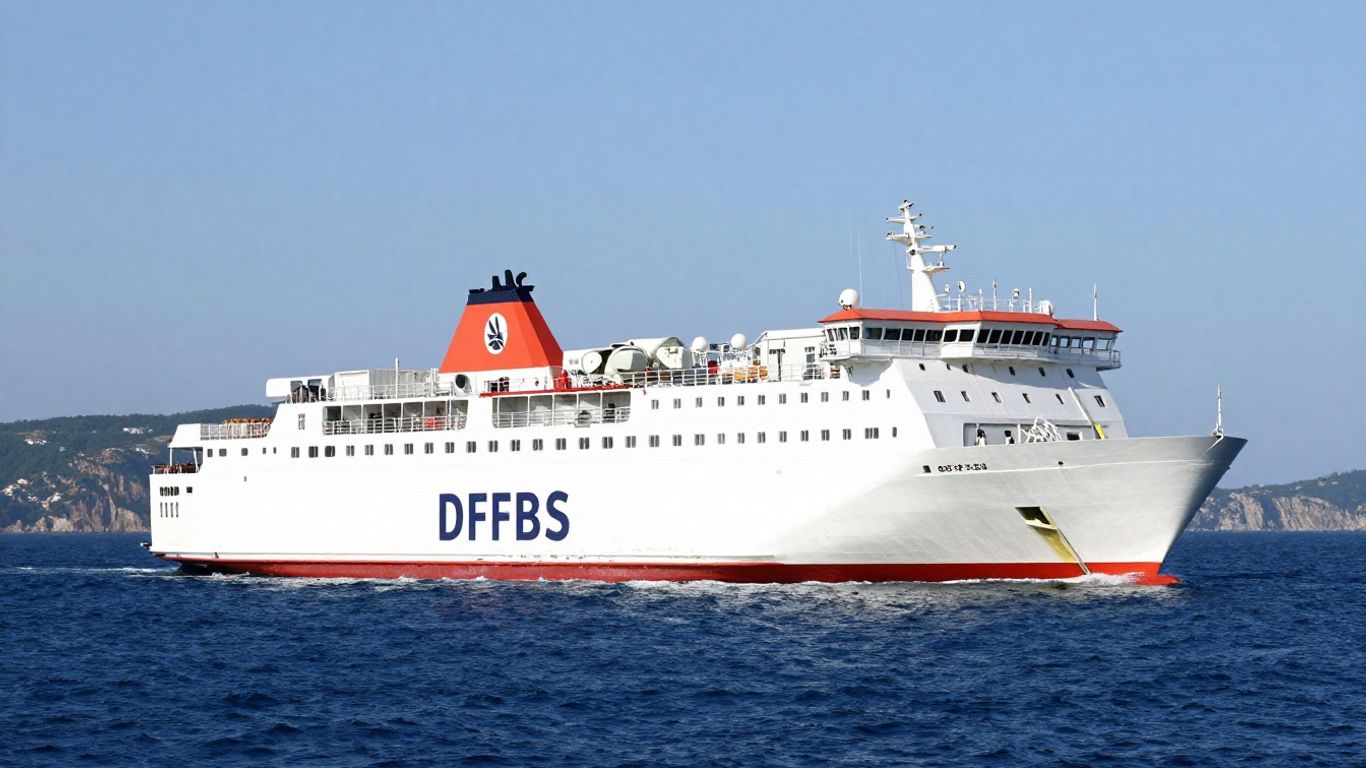
Thinking about a trip across the water with DFDS? It’s a pretty straightforward way to get from the UK to places like France or the Netherlands, and it can be a lot more relaxed than flying. Whether you’re taking your car or just yourself, there are a few things to sort out before you go. This guide will walk you through the whole process, from picking your route to getting off the ferry at your destination. We’ll cover booking your DFDS ferry ticket, what to expect onboard, and some handy tips to make your journey smooth sailing. Let’s get your DFDS ferry adventure planned!
Key Takeaways
- When booking your DFDS ferry, decide on the route and ticket type that suits your trip best. Different options are available for cars, foot passengers, and even pets.
- Booking your DFDS ferry ticket online through their website is the usual method. It’s good to know how to make changes if needed, though there might be fees.
- Familiarise yourself with what’s on the DFDS ferry, like food options and cabin facilities, and check luggage rules and pet policies before you travel.
- Arriving at the DFDS ferry port with enough time for check-in is important. Know the port facilities and how to get there.
- Have all your travel documents ready for your DFDS ferry crossing, and be aware of what to do if your travel plans change unexpectedly.
Planning Your DFDS Ferry Journey
Right then, let’s get down to the nitty-gritty of planning your trip across the Channel with DFDS. It’s not rocket science, but a bit of forethought goes a long way, believe me. I once just turned up expecting a ticket, and well, let’s just say it wasn’t the best start to a holiday.
Choosing Your DFDS Ferry Route
First things first, where are you actually going? DFDS has a few different routes, mainly from the UK to France and the Netherlands. The most popular ones are probably Dover to Calais and Newcastle to Amsterdam. Think about where you’re starting from in the UK and where you want to end up on the continent. Driving from Dover to Calais is pretty straightforward if you’re heading into France, but if you fancy a bit of a city break in the Netherlands, the Newcastle to Amsterdam route might be more up your street. It’s a bit of a longer crossing, but you can have a cabin and wake up ready to explore.
- Dover to Calais: Quickest and most frequent, ideal for onward travel in France or Europe.
- Newcastle to Amsterdam: Great for exploring the Netherlands or Scandinavia, offers overnight travel with cabins.
- Newhaven to Dieppe: A more relaxed option, good for exploring Normandy.
Understanding DFDS Ferry Ticket Options
When you look at booking, you’ll see different ticket types. It’s not just about the crossing itself. You’ve got your basic foot passenger or car tickets, but then there are options for cabins if you’re on a longer journey, especially the overnight ones. Think about what you need. Are you just popping over for the day, or is this the start of a big road trip? For longer trips, a cabin can make a massive difference to how refreshed you feel on arrival. Some tickets might include meals or have different flexibility if your plans change. It’s worth having a look at what’s included.
Don’t just grab the cheapest option without checking what it actually gets you. Sometimes paying a little extra for a better ticket can save you hassle later on, especially if you need to change your booking.
When To Book Your DFDS Ferry Ticket
This is a big one. Generally, the earlier you book, the better the price. It’s a bit like booking flights, really. If you’re planning to travel during peak times like school holidays or bank holidays, you’ll want to get your booking sorted well in advance. I’ve seen prices jump quite a bit closer to the date. For the Dover to Calais route, you can often find decent prices even a few weeks out, but for the Newcastle to Amsterdam crossing, especially if you want a specific cabin, booking months ahead is a good idea. It also means you don’t have to worry about it later. You can check out the DFDS ferry routes to get a feel for the options available.
Making Your DFDS Ferry Booking
Right then, let’s get down to the nitty-gritty of actually booking your ferry trip with DFDS. It’s not rocket science, but a few pointers can make the whole process smoother. The DFDS website is your main port of call for this.
Navigating the DFDS Website
When you land on the DFDS site, you’ll usually see a booking widget right there on the homepage. It’s pretty standard stuff: you’ll need to put in where you’re going from and to, your travel dates, and how many people (and cars, if applicable) are travelling. Don’t get too bogged down if it looks a bit busy at first; just focus on those key bits of information. If you’re planning a trip to France, remember that anyone under 18 needs to be with a parent or guardian when you book tickets [a984].
Booking DFDS Ferry Tickets Online
Once you’ve entered your basic journey details, the site will show you available sailings. You’ll see different times and prices. Sometimes, booking further in advance can get you a better deal, especially if you’re travelling with a car. Keep an eye out for any special offers or deals they might be running. You’ll then move on to selecting your cabin if you’re on a longer crossing, or just confirming your passenger details. Payment is usually straightforward, with most major cards accepted.
DFDS Ferry Booking Amendments
Life happens, doesn’t it? Sometimes you need to change your booking. DFDS does allow amendments, but there might be a fee involved, and it depends on the type of ticket you bought. It’s always best to check the specific terms and conditions for your ticket when you book. If you need to make a change, the easiest way is usually to log into your account on the DFDS website or give their customer service a call. Be prepared to have your booking reference number handy.
It’s a good idea to have all your travel documents, like passports and driving licences, ready before you start booking. This way, you won’t be scrambling to find them mid-process and can just enter the details quickly. Double-checking everything before you hit that final ‘confirm’ button is always a smart move to avoid any last-minute headaches.
Preparing For Your DFDS Ferry Crossing
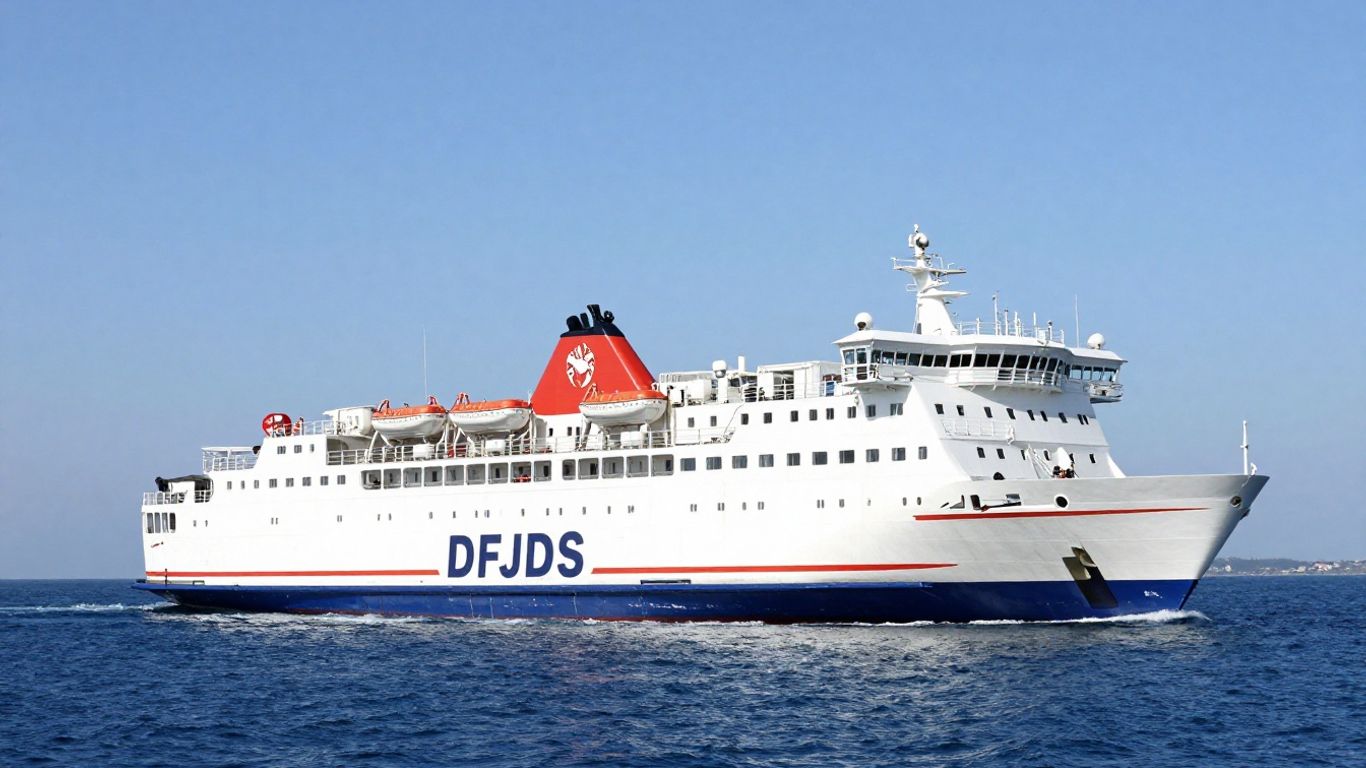
So, you’ve booked your ferry ticket – brilliant! Now comes the part where you get ready for the actual journey. It’s not just about turning up at the port; a bit of preparation makes the whole experience smoother, especially when you’re heading off from the UK.
What To Expect Onboard a DFDS Ferry
DFDS ferries are more than just a way to get from A to B; they’re a floating hub of activity. Depending on the route and the specific ship, you’ll find a range of facilities. Most ferries have places to eat, from cafes serving quick snacks to restaurants offering full meals. There are usually shops where you can pick up last-minute souvenirs or travel essentials. For those who want to relax, there are comfortable seating areas, and some ships even have entertainment options. Don’t forget to check which facilities are available on your specific sailing before you travel. It’s always good to know if you can grab a proper coffee or if it’s just a packet of crisps.
DFDS Ferry Luggage Allowances
When it comes to luggage, DFDS is generally quite relaxed, especially if you’re travelling in a car. You can usually take a good amount of luggage with you, fitting it into your vehicle. If you’re travelling as a foot passenger, there are still allowances, but they’re a bit more defined. It’s worth checking the specifics on the DFDS website before you pack, just to avoid any surprises at the terminal. Generally, you can bring a couple of suitcases and a smaller bag.
Here’s a rough idea for foot passengers:
- Main Luggage: Up to two pieces of luggage, each no larger than 80cm x 60cm x 30cm.
- Hand Luggage: One small bag that can be kept with you.
- Vehicle Contents: Anything that fits safely within your car is usually fine.
Remember that while DFDS is accommodating, you’ll be the one carrying your bags, so pack smart. Think about what you’ll actually need during the crossing and what can wait until you reach your destination.
Travelling With Pets on DFDS Ferries
Taking your furry friends along? DFDS does allow pets on many of its routes, but there are rules. Most commonly, pets need to stay in your vehicle during the crossing, or in designated pet-friendly cabins if you’ve booked one. It’s vital to make sure your pet is comfortable and safe in their environment. For those travelling with pets in their vehicle, ensure the car is well-ventilated and has food, water, and enough space. Always lock your vehicle and disable the alarm for their safety. If you’re unsure about the specific pet policy for your route, it’s best to contact DFDS directly or check their website well in advance.
Arriving At The DFDS Ferry Port
Right then, you’ve booked your ferry, and now it’s time to actually get to the port and get on the boat. It sounds simple enough, but there are a few bits and bobs to know to make sure it all goes smoothly. Nobody wants to be that person holding everyone up, do they?
DFDS Ferry Check-In Procedures
Getting through check-in is usually pretty straightforward. The most important thing is to arrive with plenty of time to spare. DFDS generally recommends arriving at least 90 minutes before your scheduled departure. If you’re travelling with pets or need special assistance, you might want to add an extra 30 minutes to that, so aim for two hours just to be safe. You’ll need to follow the signs for DFDS check-in when you get to the port. Have your booking reference and your passports ready – they’ll scan these and give you your boarding pass. If you’re driving, you’ll then be directed to the vehicle lanes. It’s a good idea to have your booking pass easily accessible on your phone or printed out.
DFDS Ferry Terminal Facilities
Most DFDS ferry terminals are well-equipped, so you won’t be stuck twiddling your thumbs for ages. You’ll usually find places to grab a coffee or a snack, and there are often shops where you can pick up any last-minute essentials or souvenirs. There are usually seating areas, and importantly, toilets. Some larger terminals might have more extensive facilities, like restaurants or play areas for kids, but it’s always worth checking the specific port you’re departing from if you have particular needs. It’s not exactly a holiday destination in itself, but it’s comfortable enough while you wait.
Getting To Your DFDS Ferry Departure Port
This bit really depends on where you’re heading from. If you’re driving, make sure you’ve got your sat nav set up correctly and factor in potential traffic, especially if you’re travelling during peak times. Parking is usually available at the port, though it might be an extra cost, so check that beforehand. For those using public transport, you’ll need to see what train or bus services run to the port. Sometimes, there are specific bus services that connect major towns or train stations directly to the ferry terminal, which can be a lifesaver. For example, getting to the Dover to Dunkirk route involves specific instructions for arrival times and procedures.
Always double-check the specific requirements for your chosen port and route. Things can vary slightly, and a quick look at the DFDS website before you leave home can save a lot of hassle on the day.
DFDS Ferry Travel Tips For UK Travellers
Right then, you’ve booked your ferry, and you’re almost ready to go. But before you head off, there are a few bits and bobs to keep in mind to make sure your trip goes off without a hitch. It’s not complicated, honestly, just a few practical things to sort out.
Essential Documents For Your DFDS Ferry Trip
First things first, documents. This is probably the most important part, so pay attention! For UK travellers heading to France, you’ll need your passport, obviously. Make sure it’s valid for at least three months after you plan to leave France, and that it was issued within the last 10 years. Don’t get caught out by that rule, it’s a common mistake. If you’re travelling with children, remember that anyone under 18 needs to be with a parent or guardian when booking DFDS ferry tickets. It’s also a good idea to have copies of your booking confirmation and any travel insurance details handy, just in case. A printout or a digital copy on your phone will do the trick.
Making The Most Of Your DFDS Ferry Experience
To have a really good time on board, think about what you want to do. Do you fancy a nice meal in the restaurant, or are you happy with a snack from the shop? Booking a cabin if you’re on an overnight crossing can make a big difference to how rested you feel. It’s a bit of an extra cost, but for longer journeys, it’s totally worth it. Also, check out the onboard shop for any last-minute souvenirs or treats. Some people like to just relax with a book, others want to explore the ship. Plan your time a little so you don’t miss out on anything you wanted to do. For some handy advice on what to expect, check out these top tips for taking the DFDS ferry.
Dealing With Potential DFDS Ferry Disruptions
Things don’t always go exactly to plan, do they? Weather can sometimes cause delays or cancellations, especially during the winter months. It’s wise to check the DFDS website or their social media channels for any updates before you leave for the port. If your crossing is affected, DFDS will usually contact you directly with information about rebooking or alternative arrangements. Having some flexibility in your plans can really help if something unexpected happens. It’s also a good idea to have a few snacks and drinks with you, just in case you’re waiting around longer than expected.
Always double-check the latest travel advice and entry requirements for France before you travel. Rules can change, and it’s your responsibility to have the correct documentation and meet any health or entry conditions.
All Set for Your Ferry Trip?
So, there you have it. Booking your DFDS ferry from the UK doesn’t have to be a headache. We’ve gone through the main bits, from picking your route to getting your tickets sorted. It’s pretty straightforward once you know what you’re doing, really. Just remember to check the details, especially if you’re taking a car, and you should be good to go. Have a fantastic trip across the water!
Frequently Asked Questions
How far in advance should I book my DFDS ferry ticket?
It’s a good idea to book your ferry ticket a few months before you plan to travel, especially if you’re going during busy holiday times like summer or Christmas. Booking early often means you’ll get better prices and more choice for your travel dates and times. Think of it like getting the best seats for a show – the sooner you book, the better the pickings!
Can I change my DFDS ferry booking if my plans change?
Yes, you usually can make changes to your booking, but it depends on the type of ticket you bought. Some tickets are more flexible than others. You might have to pay a fee or the difference in price. It’s best to check the terms and conditions of your ticket when you book, or give DFDS a call if you need to make a change.
What should I bring with me on the DFDS ferry?
For your journey, make sure you have your booking confirmation and your passport or other required ID. If you’re travelling with a car, have your vehicle documents ready. On the ferry itself, you might want a book, some snacks, and maybe a jacket as it can get a bit chilly on deck. Don’t forget any medication you might need too.
Can I take my pet on a DFDS ferry?
Absolutely! DFDS generally allows pets, but there are rules. You’ll need to tell them you’re bringing a pet when you book. Depending on the route and type of pet, they might need to stay in your car, in a kennel on the ferry, or travel with you in a pet-friendly cabin. Always check DFDS’s specific pet policy for your chosen route before you travel.
What happens if my DFDS ferry is delayed or cancelled?
If your ferry is delayed or cancelled, DFDS will usually try to inform you as soon as possible. They will offer options like rebooking you on the next available ferry, or sometimes a refund. Keep an eye on your emails and the DFDS website for updates. It’s also wise to have travel insurance that covers delays or cancellations.
How early do I need to arrive at the DFDS ferry port?
You should aim to get to the ferry port at least an hour before your scheduled departure, sometimes even earlier if you’re travelling with a vehicle during peak times. This gives you plenty of time to check in, go through security, and find your way to the ferry without rushing. It’s always better to be a little early than to miss your sailing!