Thinking about taking the ferry from St Malo to Portsmouth? It’s a popular route, and for good reason. You get to skip the airport hassle and wake up in a new country. But like any trip, a bit of planning goes a long way. This guide should help you sort out the details for your ferry St Malo to Portsmouth crossing, from booking to what to expect when you get there.
Key Takeaways
- Booking your ferry St Malo to Portsmouth in advance can often save you money, especially during peak times.
- Check which ferry company you’re travelling with and what ticket options are available to suit your needs.
- Make sure you have all the correct travel documents ready before you arrive at the port.
- Familiarise yourself with the onboard facilities to make your journey more comfortable.
- Know what to do upon arrival at Portsmouth International Port to get to your final destination smoothly.
Booking Your Ferry St Malo To Portsmouth
So, you’ve decided on the St Malo to Portsmouth ferry – smart move! It’s a pretty straightforward route, but like anything, a bit of planning goes a long way. Let’s get you sorted.
Choosing The Right Ferry Company
When it comes to this particular crossing, you’ll likely be looking at Brittany Ferries. They’re the main player on this route, and generally, people find them reliable. It’s always worth a quick look at their website to see exactly what’s on offer for your travel dates. They usually have a few different types of cabins and seating options, so you can pick what suits your budget and comfort level.
Understanding Ticket Options And Prices
Ticket prices can really vary, depending on when you travel, how far in advance you book, and what kind of ticket you go for. You’ll see options for standard seats, reclining seats, and private cabins. Cabins are definitely the way to go if you’re doing the overnight crossing – much more comfortable!
Here’s a rough idea of what you might expect, though prices do change:
| Ticket Type | Typical Price Range (One Way) |
|---|---|
| Standard Seat | £50 – £90 |
| Reclining Seat | £70 – £110 |
| Inside Cabin (2 berth) | £120 – £180 |
| Outside Cabin (2 berth) | £140 – £200 |
Prices are for one adult and a standard car, and can fluctuate.
Booking your ferry ticket well in advance is usually the best way to snag a better deal. It’s also worth checking if they have any special offers running.
When To Book Your Crossing
This is a big one. If you’re planning to travel during peak season – think summer holidays, bank holidays, or Christmas – you absolutely need to book as early as possible. We’re talking months ahead, especially if you need a cabin or are travelling with a car. For off-peak times, you might get away with booking a few weeks in advance, but why risk it? Getting your booking sorted early means less stress later on. You can check out ferry schedules to get an idea of sailing times.
A little tip: if your travel dates are flexible, sometimes shifting your departure or arrival by just a day can make a noticeable difference in price. It’s worth playing around with the dates on the booking site to see if you can find a cheaper option.
Preparing For Your Ferry Journey
Right then, you’ve booked your ferry from St Malo to Portsmouth, brilliant! Now comes the part where you actually get ready for the trip. It’s not exactly rocket science, but a bit of planning goes a long way to making sure you don’t forget anything important. Let’s get you sorted.
What To Pack For The Ferry
Think about what you’ll need during the crossing itself, and then what you’ll need once you get to Portsmouth. It’s a good idea to pack a separate overnight bag or rucksack with your essentials, rather than having to rummage through your main luggage on the ferry. This could include things like:
- Entertainment: A book, downloaded movies, podcasts, or a tablet. While there might be some onboard entertainment, it’s best to have your own backup.
- Comfort items: A travel pillow, a blanket if you get chilly, and comfortable shoes. You’ll be doing a bit of walking around the ship.
- Toiletries: Toothbrush, toothpaste, any personal medications, and perhaps a face wipe for freshening up.
- Snacks and drinks: While there are places to buy food, having your own stash can save you a bit of money and means you’ve got something you definitely like.
Don’t forget to check the weather forecast before you leave, so you can pack appropriate clothing. It can be surprisingly breezy on the ferry deck!
Documents Required For Travel
This is super important. You absolutely cannot travel without the right paperwork. For UK citizens travelling to France and back, you’ll need your passport. Make sure it’s valid for at least three months beyond your intended stay and has at least two blank pages. If you’re not a UK citizen, you’ll need to check the specific entry requirements for France and the UK based on your nationality. It’s always wise to have copies of your important documents stored separately, just in case.
It’s a good habit to make digital copies of your passport, tickets, and any other vital travel documents. Store them in a secure cloud service or email them to yourself. This way, if your physical documents go missing, you’ve still got access to the information you need.
Arriving At The Port Of St Malo
Getting to the ferry terminal in St Malo is usually pretty straightforward. If you’re driving, follow the signs for the ferry port (Gare Maritime). There’s usually parking available, but it’s worth checking in advance if you’re travelling during peak season. If you’re going as a foot passenger, you’ll likely need to get a taxi or local bus to the terminal. Aim to arrive at least an hour and a half before your scheduled departure time. This gives you plenty of time to check in, go through any security checks, and find your way to the departure lounge. You can find more details about the port facilities on their website, which can be helpful.
Life Aboard The Ferry
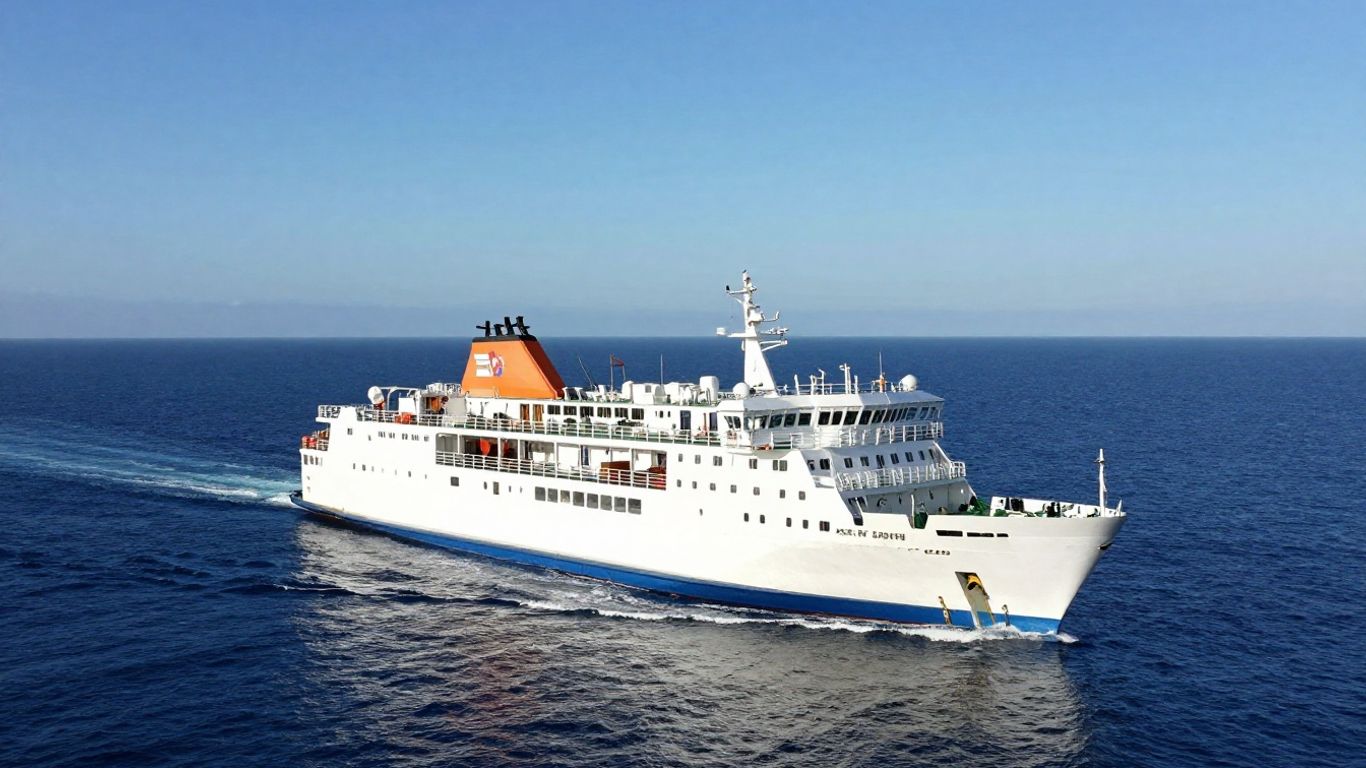
So, you’ve booked your ferry from St Malo to Portsmouth, and now you’re wondering what it’s actually like on board. It’s not just about getting from A to B; the journey itself can be a big part of the holiday. Most people find the crossing quite pleasant, actually. You’ll likely be travelling with Brittany Ferries, and they’ve put a fair bit of thought into making the trip comfortable.
Onboard Facilities And Amenities
When you step onto the ferry, you’ll find a range of things to keep you occupied and comfortable. Think of it like a small, floating hotel. There are usually different seating areas, from standard lounges to perhaps a quieter, more exclusive club if you’ve opted for that.
- Lounges: These are the main communal areas, often with comfy chairs and tables. Good for just chilling out and watching the sea.
- Shops: You’ll find a small shop selling essentials, souvenirs, and maybe some duty-free items.
- Children’s Play Area: If you’re travelling with little ones, there’s usually a dedicated space to keep them entertained.
- Quiet Areas: Some ferries have designated zones where you can read or relax without too much noise.
The overnight crossing means you can get a good night’s sleep and wake up ready to explore your destination. It’s a practical way to travel, saving you a hotel stay.
Dining Options During Your Voyage
Food is definitely a consideration on any journey. The ferries usually have a couple of options.
- Restaurant: This is often the main dining room, serving a range of meals. You might find set menus or à la carte choices. The food quality can vary, but it’s generally decent.
- Café/Bistro: A more casual spot for lighter meals, snacks, sandwiches, and drinks. Perfect if you just want a quick bite.
- Bars: Several bars are usually available, offering alcoholic and non-alcoholic drinks. A nice place to sit with a drink and chat.
Some travellers mention that the food can be a bit pricey, so it’s worth checking out the menus when you board. For a special treat, some routes might have a premium dining option, like the CClub, which sometimes offers a buffet experience, though this can come with a significant price tag.
Entertainment And Relaxation At Sea
Don’t expect a full-blown entertainment complex, but there are ways to pass the time. Many people just enjoy looking out at the sea, especially if the weather is good. You might find:
- Live Music: Occasionally, there’s live music in one of the bars, adding a bit of atmosphere.
- Television Screens: Usually found in the lounges, showing news or general programmes.
- Reading: Bring a good book! The gentle motion of the ship can be quite relaxing for reading.
It’s a good idea to check the ferry operator’s website or the onboard information for any specific entertainment schedules during your crossing. For a stress-free journey, the onboard amenities are designed to make your trip comfortable.
Arriving In Portsmouth
So, you’ve had a good time in France and now it’s time to head back. The ferry docks at Portsmouth International Port, and getting off is usually pretty straightforward. Most of the time, you’ll disembark with your vehicle directly onto the quayside. If you’re a foot passenger, just follow the signs and the crowds. It’s a busy place, but well-organised.
Navigating Portsmouth International Port
Once you’re off the ferry, you’ll find yourself at Portsmouth International Port. It’s a modern terminal, and there are clear signs to guide you. If you’ve got your car, just follow the lanes for vehicle departures. For foot passengers, the main terminal building is where you’ll want to head. Inside, you’ll find facilities like toilets and a small cafe. It’s not a massive airport-style terminal, so it’s pretty easy to get your bearings.
Getting To Your Final Destination
From the port, you’ve got a few options to get where you’re going. If you’ve driven, you’re already set. For those without a car, there are usually taxis waiting just outside the terminal. You can also catch a bus from nearby, though you might need to walk a little way from the port entrance to the main bus stops. Public transport links are decent, but it’s worth checking timetables beforehand, especially if you’re arriving late.
- Taxis: Readily available outside the terminal building.
- Buses: Services run from nearby stops, connecting you to the city centre and beyond.
- Trains: Portsmouth Harbour station is a short taxi or bus ride away, offering connections across the UK.
The port is well-connected, but planning your onward journey, especially if you’re not driving, can save you a bit of hassle upon arrival. It’s always a good idea to have a rough idea of your route before you even step off the ferry.
Exploring Portsmouth Upon Arrival
Portsmouth itself is a fantastic city with loads to see and do. If you’ve got some time before heading home, consider a visit to the historic dockyard. It’s home to famous ships like HMS Victory and the Mary Rose. The city centre also has plenty of shops and places to eat. For a great view, head up the Spinnaker Tower. It’s a proper maritime city, so you’ll find that history and the sea are everywhere you look. You can find out more about what to see in Portsmouth if you fancy a bit of sightseeing.
| Transport Option | Typical Journey Time to City Centre | Notes |
|---|---|---|
| Taxi | 10-15 minutes | Most convenient |
| Bus | 20-30 minutes | Cost-effective, check routes |
| Walking | 45-60 minutes | For the energetic, pleasant along the waterfront |
Tips For A Smooth Ferry St Malo To Portsmouth Trip
So, you’re planning a trip across the Channel from St Malo to Portsmouth? Brilliant! While the journey itself is usually pretty straightforward, a few little bits of advice can make it even better. Let’s get into it.
Travelling With Pets
Bringing your furry friend along? That’s great! Most ferry companies, including the one operating the St Malo to Portsmouth route, have specific rules for pets. You’ll usually need to book their travel in advance, and they might need to stay in your vehicle or in designated kennels onboard. It’s always best to check the exact policy with your chosen ferry operator well before you travel. Some pets might be allowed in pet-friendly cabins, but this is less common on shorter routes. Make sure you have all the necessary pet travel documents, like a pet passport or health certificate, especially if you’re travelling from the UK to France and back.
Accessibility Information
If you or someone you’re travelling with has mobility issues or other accessibility needs, it’s worth getting in touch with the ferry company beforehand. They can usually arrange assistance at the port and make sure your onboard experience is as comfortable as possible. Many ferries are equipped with lifts and accessible toilets, but it’s wise to confirm what’s available. The Saint-Malo ferry port is also generally well-equipped to handle passengers with different needs.
Dealing With Potential Delays
Ferries, like any form of transport, can sometimes be subject to delays due to weather or operational reasons. While it’s not ideal, it happens. The best approach is to stay informed. Check the ferry company’s website or app for updates before you head to the port. If you’re already at the port and a delay is announced, try to stay patient. The staff will do their best to get you on your way as soon as it’s safe. Sometimes, a slight delay can even give you a bit more time to explore the charming streets of St Malo before you board!
It’s always a good idea to have some snacks and a book or downloaded entertainment with you, just in case of unexpected waiting times. Being prepared can turn a potentially frustrating situation into a minor inconvenience.
So, That’s the Ferry Trip Sorted!
Right then, that’s pretty much everything you need to know for your ferry trip from Saint-Malo to Portsmouth. It’s a pretty straightforward journey, really. You’ve got your options for cabins, food, and what to do with your time on board. Just remember to book ahead, especially if you’re travelling in peak season, and pack a bit of patience for disembarking. It’s a good way to get between France and the UK without the hassle of flying, and you get to see a bit of the sea too. Enjoy the crossing!
Frequently Asked Questions
How long does the ferry trip from St Malo to Portsmouth take?
The journey across the Channel can take around 11 to 12 hours, so it’s a good idea to settle in and make the most of the onboard facilities. Some sailings might be a bit quicker or longer depending on the specific ferry and the sea conditions.
Can I take my car on the ferry?
Absolutely! Most ferries on this route allow you to bring your car, van, or even a motorbike. You’ll need to book your vehicle space when you buy your ticket, and it’s usually a bit extra on top of your passenger fare.
What should I do if my ferry is cancelled or delayed?
Ferry companies usually have policies for this. If your ferry is cancelled or significantly delayed, they should offer you options like rebooking for a different sailing, getting a refund, or sometimes even arranging alternative travel. Check the ferry company’s website or give them a call for the latest information.
Are there places to eat on the ferry?
Yes, there are definitely places to grab a bite! Ferries typically have restaurants, cafes, and bars where you can buy meals, snacks, and drinks. It’s a great way to pass the time and enjoy a meal with a view of the sea.
What documents do I need to travel from St Malo to Portsmouth?
Since you’re travelling between France and the UK, you’ll need your passport. Make sure it’s valid for your entire trip. If you’re not a UK or EU citizen, you might also need a visa, so it’s best to check the latest government advice before you travel.
Can I bring my pet on the ferry?
Many ferry companies allow pets, but there are rules. You’ll usually need to book them a spot, and they might have to stay in your vehicle or in special pet-friendly cabins or kennels. Always check the specific pet policy of the ferry company you’re travelling with well in advance.