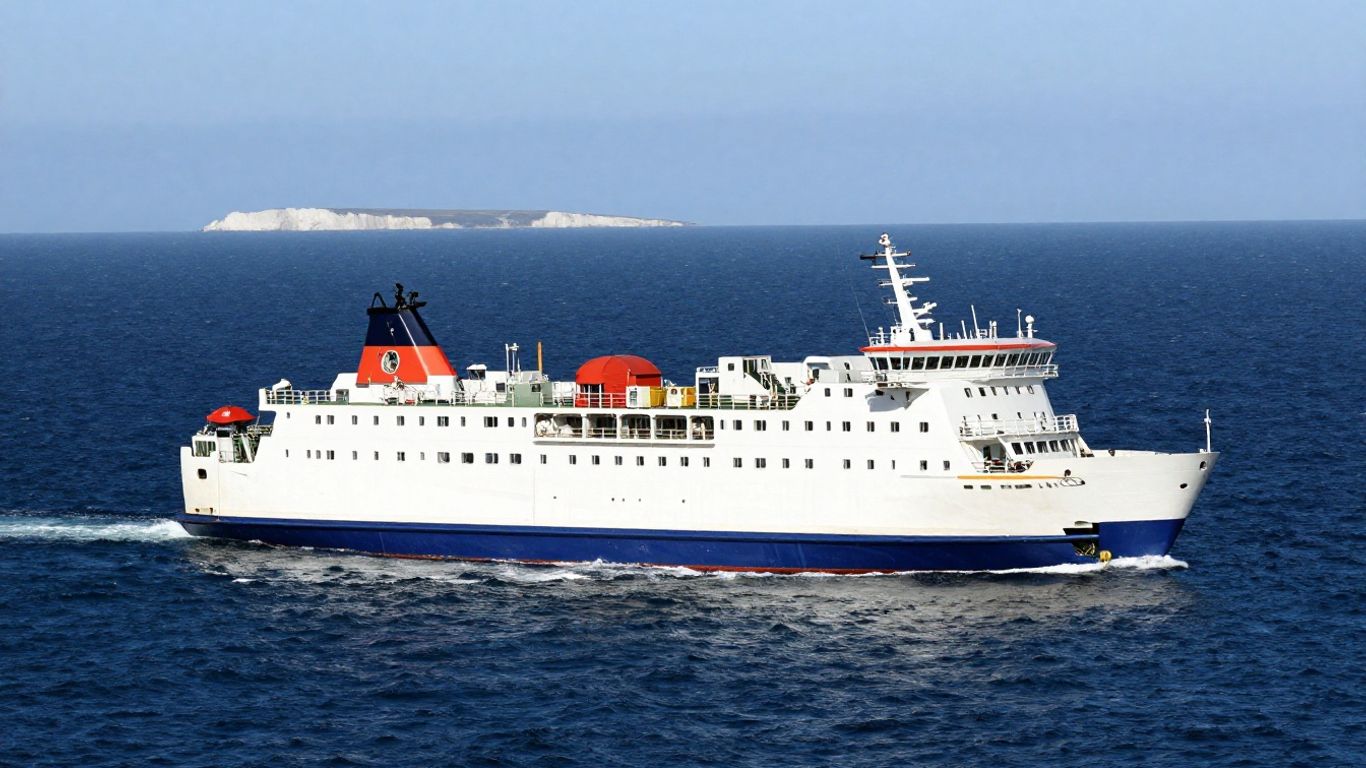
Thinking about a trip from Dover to Dunkirk? It’s a popular route, and for good reason. This guide is here to help you sort out all the details for your dover dunkirk ferry crossing. We’ll cover everything from picking your ferry and booking tickets to what to expect when you get there. Let’s get you ready for the journey across the Channel.
Key Takeaways
- Picking the right ferry company and booking your dover dunkirk ferry tickets in advance can save you time and money.
- Check the ferry schedules for your dover dunkirk ferry trip to plan your departure and arrival times.
- Pack smart for the ferry crossing, considering what you’ll need during the journey and for your onward travel.
- Familiarise yourself with onboard facilities and dining options to make your time on the dover dunkirk ferry more enjoyable.
- Understand the port procedures in Dunkirk and have your travel documents ready for a smooth experience.
Planning Your Dover to Dunkirk Ferry Journey
Right then, let’s get down to the nitty-gritty of sorting out your trip from Dover to Dunkirk. It might seem a bit daunting at first, but honestly, it’s pretty straightforward once you know what you’re doing. The key is to book in advance, especially if you’re travelling during peak times.
Choosing The Right Ferry Operator
For the Dover to Dunkirk route, there’s really only one main player: DFDS Seaways. They run the show on this particular crossing, so your choice is pretty much made for you. They’ve been doing this for a while, so they know the drill. You’ll find they have a good number of sailings each day, which is handy.
Booking Your Dover Dunkirk Ferry Tickets
When it comes to booking, the earlier you do it, the better the prices tend to be. It’s not like trying to get concert tickets, but you can definitely save a few quid by planning ahead. You can book directly through the DFDS website or use various comparison sites. Think about what you need – just yourself, a car, maybe a pet? Make sure you select the right option when you book.
Prices can vary quite a bit depending on the time of year and how far in advance you book. For example, a car with four people might start around £89, but that’s just a ballpark figure. It’s worth checking out DFDS Seaways ferry prices for the most up-to-date information.
Understanding Ferry Schedules
Ferry schedules are pretty frequent on this route. You can expect quite a few departures throughout the day, so you’re not usually stuck waiting around for ages. The crossing itself is quite quick, taking about 2 hours. It’s a good idea to check the schedule when you’re planning your trip to make sure a sailing time works for you. Some days might have more sailings than others, especially around holidays.
- Check the departure times carefully.
- Factor in check-in times, usually at least an hour before sailing.
- Consider the time of day – an early morning ferry can get you to France before lunch.
Planning ahead means less stress on the day. Knowing your ferry times and having your tickets sorted means you can just turn up and get on with it. It really does make a difference to the overall experience.
Preparing For Your Channel Crossing
Right then, getting ready for your ferry trip from Dover to Dunkirk is pretty straightforward, but a bit of forethought can make all the difference. It’s not like hopping on a train, you know? You’ve got a few more bits to think about, especially if you’re taking your car or bringing the dog along.
What To Pack For The Ferry
When you’re packing, think about what you’ll actually need during the crossing itself, and what can stay stowed away in the car. You don’t want to be rummaging around for ages trying to find your book or a snack.
- Travel Documents: Passport, booking confirmation, driving license – the usual suspects. Keep these somewhere easily accessible.
- Entertainment: A good book, downloaded podcasts, or a fully charged tablet. The 2-hour crossing flies by when you’re occupied.
- Snacks and Drinks: While there are places to buy food, having your own stash can save you a few quid and means you’ve got exactly what you fancy.
- Comfort Items: A neck pillow or a cosy jumper can be a lifesaver, especially if you plan on having a little nap.
Remember, you’ll be leaving your car for the duration of the journey, so anything you need during the crossing needs to come with you into the passenger areas. It’s a good idea to pack a small overnight bag with your essentials.
Travelling With Pets On The Dover Dunkirk Ferry
Bringing your furry friends along is usually fine on this route, which is a big plus for many travellers. DFDS, who run the service, have specific rules about pets, so it’s worth checking these out before you book.
Generally, dogs need to stay in your vehicle during the crossing, unless they are assistance dogs. You’ll need to make sure your pet has enough water and that the car is well-ventilated. Some routes might have pet-friendly lounges, but it’s best to confirm this directly with the ferry operator. You can find more details about travelling with pets on their website.
Vehicle Requirements For The Crossing
If you’re taking your car, there aren’t usually any super complicated requirements, but a few checks beforehand are wise. Make sure your car is roadworthy, obviously. Check your tyre pressure, oil, and water levels before you set off for the port.
- Fuel: Ensure you have enough fuel for the journey to the port and a little bit extra for when you arrive in France. You don’t want to be running on fumes.
- Documentation: Your vehicle registration documents and insurance are a must. Make sure your insurance covers you for driving in France.
- Safety Equipment: While not always strictly enforced for this short crossing, it’s good practice to have a high-visibility vest and a warning triangle in your car, as these are required in France.
It’s a good idea to arrive at the port with plenty of time to spare. This gives you a chance to sort out any last-minute worries and get parked up without feeling rushed. The Dover to Dunkirk ferry route is popular, so being organised really helps.
Onboard The Dover to Dunkirk Ferry
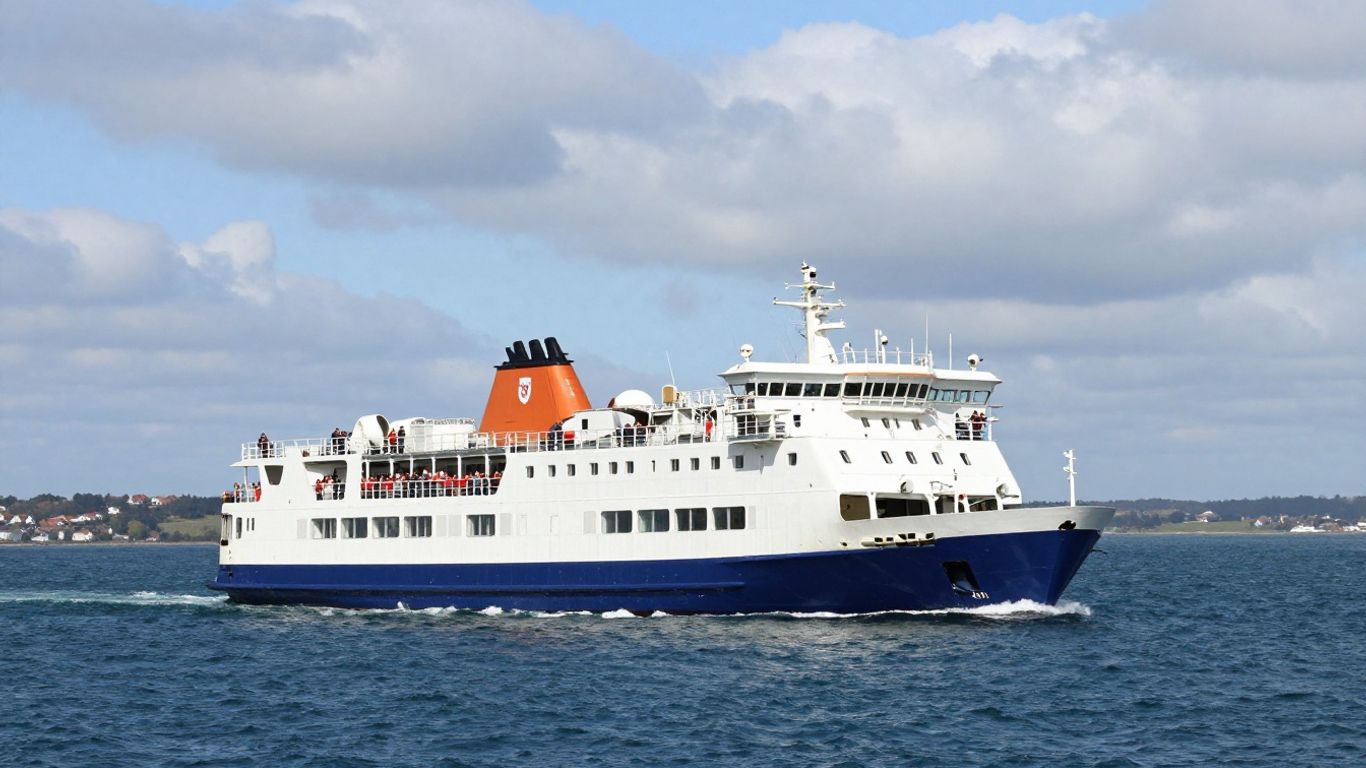
So, you’ve booked your tickets and you’re ready to head over to France. What’s it actually like on the ferry itself? Well, the Dover to Dunkirk route is pretty straightforward, taking about two hours, which means you won’t be bored stiff, but you’ll have enough time to actually relax a bit. Most people find the journey quite pleasant, especially if the weather’s good.
Onboard Facilities And Amenities
These ferries aren’t just big boats; they’re practically floating mini-towns. You’ll find a few different areas to explore. There are usually shops where you can pick up some last-minute bits or maybe a treat. For families, there are often play areas for the kids, which is a lifesaver if you’ve got little ones who get restless. Plus, there are plenty of seats, some with nice views of the sea, and others in quieter spots if you just want to read a book.
- Shops for souvenirs and essentials
- Children’s play areas
- Seating areas with sea views
- Quiet zones for relaxation
The ferry is more than just a way to get from A to B; it’s part of the holiday experience. Take a moment to step out on deck (weather permitting, of course!) and just breathe in the sea air. It’s a nice break from being in the car.
Dining Options During Your Trip
When it comes to food, you’ve got options. You can grab a quick coffee and a pastry if you’re just after a snack, or sit down for a proper meal. They usually have a restaurant area that serves up hot food. Think burgers, fish and chips, that sort of thing. There are also usually lighter bites available, like sandwiches and salads. If you have specific dietary needs, like being vegetarian or needing gluten-free, it’s worth checking out the DFDS menu beforehand, as they often cater for these.
| Meal Type | Examples | Price Range (approx.) |
|---|---|---|
| Snacks | Sandwiches, pastries, crisps | £2 – £5 |
| Meals | Burgers, fish & chips, pasta | £8 – £15 |
| Drinks | Coffee, tea, soft drinks, beer, wine | £2 – £5 |
Entertainment And Relaxation At Sea
Beyond the shops and food, what else is there? Well, it depends on the specific ferry, but often there are lounges where you can just chill out. Some ferries might have a small bar area too, which is nice for a quiet drink. If you’re travelling with kids, the play areas are a big plus. For most people, though, the main entertainment is simply watching the sea go by and enjoying the break from driving. It’s a good chance to catch up on emails or just have a nap. You can find out more about the onboard experience on the ferry operator’s site.
Arriving In Dunkirk
So, you’ve made it across the Channel! The ferry docks in Dunkirk, France, and it’s time to disembark. It’s usually a pretty straightforward process, but knowing what to expect can make it even smoother.
Navigating The Dunkirk Port
When the ferry pulls into port, just follow the signs for vehicle or foot passenger departures. If you’re in a car, you’ll drive off the ferry and follow the designated lanes. For foot passengers, there are usually clear walkways leading from the ship to the terminal building. The port itself is quite modern and well-organised, making it easy to find your way. You’ll likely go through a quick passport check here, especially if you haven’t already done so on the ferry. It’s worth having your documents ready to hand.
Getting To Your Final Destination From Dunkirk
Once you’re through the port, you’ll find various options to continue your journey. If you’ve driven, you’ll be able to join the French road network pretty quickly. The A16 motorway is easily accessible from the port, heading south towards Calais or north towards Belgium. For those travelling without a car, there are usually taxis waiting outside the terminal. You can also find bus services that connect to the town centre and the train station. The train station is a good hub if you’re heading further into France or even into Belgium. It’s a good idea to check the DFDS ferry schedule before you travel to get an idea of arrival times.
Exploring Dunkirk After Your Ferry
Don’t just rush off if you have some time! Dunkirk itself has a lot to offer. It’s a city with a rich history, particularly known for its role in World War II. You can visit the Dunkirk War Museum (La Dunkerque 1940 Museum) to learn more about the evacuation. The seafront is also lovely for a stroll, and there are plenty of cafes and restaurants if you fancy a bite to eat or a coffee. The town centre has some nice shopping areas too. It’s a great place to stretch your legs after the crossing and get a feel for northern France.
Arriving in a new country can feel a bit daunting, but Dunkirk port is designed to be user-friendly. Just take your time, follow the signs, and you’ll be on your way in no time. Remember to have your travel documents handy for any checks.
Here’s a quick rundown of transport options:
- By Car: Direct access to the A16 motorway for onward travel.
- Taxi: Available outside the terminal for immediate transport.
- Bus: Connects to the town centre and train station.
- Train: From Dunkirk station, you can reach many destinations across France and Belgium.
If you’re planning a longer trip, it might be worth looking into the different ferry routes available to France, just to compare.
Tips For A Smooth Dover Dunkirk Ferry Experience
Getting across the Channel from Dover to Dunkirk is pretty straightforward, but a few little things can make the whole trip even better. It’s not just about getting from A to B; it’s about starting your holiday or trip off right.
Dealing With Seasickness On The Ferry
Nobody wants to spend their crossing feeling green around the gills. If you’re prone to motion sickness, there are a few things you can do. Firstly, try to get some fresh air on the deck if the weather’s okay. Looking out at the horizon can really help. Some people find ginger biscuits or ginger ale work wonders, and there are also over-the-counter travel sickness tablets you can take before you board. It’s always a good idea to have a small bag handy, just in case.
Maximising Your Time Onboard
That 2-hour journey might seem short, but you can actually get quite a lot done. If you’re travelling for work, the onboard cafes often have decent Wi-Fi, so you can catch up on emails. For families, it’s a good chance to let the kids burn off some energy before you land, or perhaps have a relaxed meal together without the usual rush. You could also use the time to plan the first part of your trip in France. DFDS runs this route, and they have a good range of facilities to keep you occupied.
Essential Travel Documents For The Crossing
This is a big one. Don’t get to the port and realise you’ve forgotten something vital. You’ll need your passport, obviously, and if you’re driving, make sure your vehicle’s documentation is in order – that includes your driving licence, insurance, and MOT if it’s due. If you’re travelling with pets, double-check their pet passport or health certificate requirements well in advance. It’s worth having copies of important documents stored separately, either digitally or as photocopies, just in case.
A little bit of preparation goes a long way. Checking the ferry company’s website for any last-minute updates or advice before you leave home can save you a headache at the port. It’s also wise to know the basic rules of the road for France before you arrive.
So, That’s the Dover to Dunkirk Trip Sorted
Right then, that’s pretty much the lowdown on getting from Dover to Dunkirk. It’s not exactly a long journey, but knowing a few bits and bobs beforehand can make it a lot smoother. Whether you’re driving, cycling, or just walking on, the ferry crossing itself is usually pretty straightforward. Just remember to book ahead, especially if you’re travelling at busy times, and have your documents ready. It’s a simple way to hop across the Channel and start your French adventure. Enjoy the ride!
Frequently Asked Questions
How long does the ferry trip from Dover to Dunkirk take?
The ferry journey across the Channel from Dover to Dunkirk is pretty quick! It usually takes around 2 hours, give or take a little depending on the ferry and the weather. So, you’ll be in France before you know it.
Which ferry companies go from Dover to Dunkirk?
The main ferry company sailing this route is DFDS. They run lots of ferries each day, so you’ve usually got plenty of options to choose from when you want to travel.
Can I take my car on the ferry to Dunkirk?
Absolutely! You can definitely take your car, van, or even a motorhome on the ferry. Just make sure you book it in when you get your ferry ticket, as they need to know how much space to leave for vehicles.
What should I bring with me on the ferry?
It’s a good idea to pack some essentials. Think snacks and drinks if you don’t want to buy them onboard, a book or some games for entertainment, and maybe a travel pillow if you fancy a nap. Don’t forget your passport and any other travel documents you might need!
Is there food and drink available on the ferry?
Yes, there is! Most ferries have a cafe or restaurant onboard where you can grab a bite to eat, from a full meal to a quick snack. There’s usually a shop too, where you can pick up drinks and other bits.
What happens when I arrive at Dunkirk port?
When you get to Dunkirk, you’ll follow the signs to drive off the ferry. The port is well-organised, and there will be signs to help you find your way. From there, you can head straight to your next stop or explore Dunkirk itself!