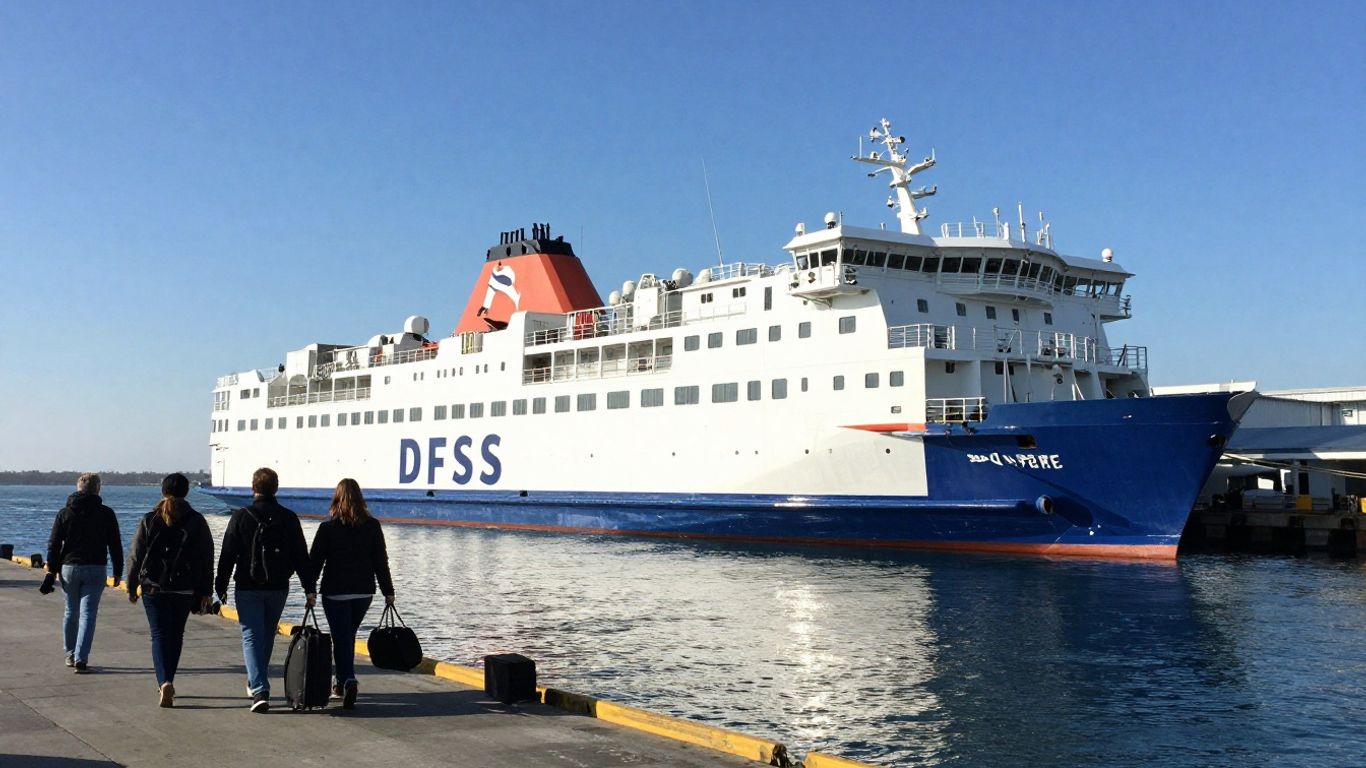
Heading off on a DFDS ferry trip? Brilliant! Getting to the port and checking in can feel a bit daunting if it’s your first time. But honestly, it’s pretty straightforward once you know what to do. This guide is here to walk you through the whole process, from getting your booking details ready to actually getting on the ship. We’ll cover everything you need to know for a smooth check-in dfds experience, whether you’re travelling with a car or just on foot.
Key Takeaways
- Have your booking reference and passenger details handy before you start.
- Check the DFDS website for specific check-in dfds deadlines for your route.
- Know where to go at the terminal; signs are usually quite clear.
- If you have a vehicle, have your car documents ready.
- Foot passengers need to present valid identification for check-in dfds.
Preparing For Your DFDS Check-in
Right then, let’s get you ready for your DFDS ferry trip. It’s not complicated, but a little bit of prep work goes a long way to making things smooth on the day. You don’t want to be scrambling around at the last minute, do you?
Gather Your Booking Information
First things first, you need your booking details handy. This is usually an email confirmation you’ll have received when you booked. It’ll have your booking reference number, passenger names, and details about your journey – like the ferry route and times. Having this readily available will speed up the check-in process no end. It’s a good idea to print it out or have it saved on your phone, just in case.
Understand Check-in Deadlines
DFDS, like most ferry companies, has specific times by which you need to check in. These aren’t just suggestions; they’re important for getting everyone processed and on board on time. Missing the deadline can mean you won’t be able to travel on your booked ferry, which would be a real pain. The exact times can vary depending on the route and whether you’re travelling with a vehicle or as a foot passenger, so it’s worth double-checking this before you set off. For example, travelling from Dover to Dunkirk usually requires you to be there at least 90 minutes before departure, and sometimes even longer if it’s a busy period or you have pets arrive at the port at least 90 minutes prior to departure.
Familiarise Yourself With Terminal Layouts
If you’ve not travelled from a particular port before, it can be a bit daunting. Most ferry terminals are well-signposted, but knowing roughly where you need to go can save you time and stress. A quick look at the DFDS website for the specific port you’re departing from might show you a map or give you directions. This helps you know if you need to head straight for vehicle check-in or if there’s a separate area for foot passengers. It’s also a good idea to check if you need any specific travel authorisations before you travel, as these can take time to sort out Apply early for systems such as ETIAS, ETA, or eVisas.
A little bit of planning before you leave home can make a big difference to your travel day. It means you can relax a bit more and focus on enjoying your trip, rather than worrying about missing your ferry.
Online Check-in DFDS Procedures
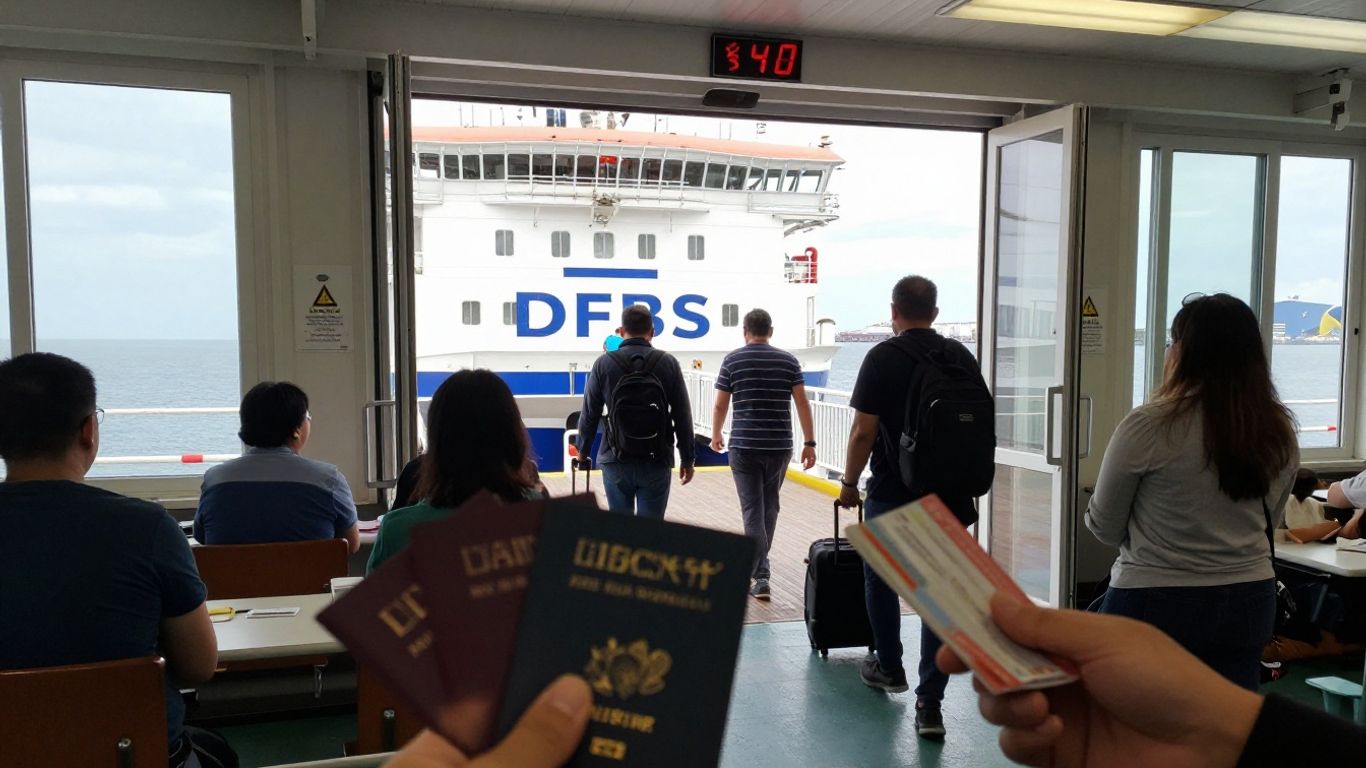
Checking in online before you head to the port can save you a bit of time and hassle. It’s pretty straightforward, really. Most of the time, you can complete this process from the comfort of your own home. It means less to worry about when you’re actually at the ferry terminal, trying to find your way around.
Accessing Your Booking Online
First things first, you’ll need to get to the DFDS website. Once you’re there, look for the ‘Manage My Booking’ or a similar section. You’ll usually need your booking reference number, which you’ll have received when you first booked your trip. It’s often a mix of letters and numbers. You might also need the surname of the lead passenger. It’s a good idea to have your email handy, as that’s where your booking confirmation will have been sent. If you can’t find it, a quick search in your inbox for ‘DFDS’ should do the trick. You can usually book your ferry tickets well in advance online.
Completing Passenger Details
Once you’ve accessed your booking, you’ll be prompted to fill in or confirm passenger details. This typically includes names, dates of birth, and sometimes passport information, especially if you’re travelling to certain destinations. Make sure all this information is spot on – any errors could cause problems later. It’s not just for adults; you’ll need to add details for any children travelling too. Double-check everything before you move on. It’s a bit like filling out a form, but for your holiday.
Receiving Your Boarding Pass
After you’ve confirmed all the passenger information, you’ll usually be issued with your boarding pass. This might be a digital pass that you can save to your phone, or you might have the option to print it out. Some people prefer to have a physical copy, just in case their phone battery dies. Whatever you choose, make sure it’s easily accessible. You’ll need to show this when you arrive at the terminal, so don’t lose it! It’s your ticket to getting on the ferry, after all.
It’s worth noting that online check-in often closes a specific amount of time before your ferry is due to depart. Always check the exact timings for your route to avoid disappointment.
For example, on the Dover to Dunkirk route, check-in usually closes 45 minutes before departure. It’s a good idea to be aware of these check-in deadlines for your specific journey.
Arriving At The Ferry Terminal
So, you’ve done the online bit, gathered your documents, and now it’s time to actually get to the ferry terminal. Don’t panic, it’s usually pretty straightforward. The key is to give yourself enough time. Rushing never ends well, especially when you’ve got a ferry to catch!
Locating The DFDS Check-in Area
When you get close to the port, keep an eye out for signs. DFDS usually has clear signage directing you. Look for the distinctive DFDS logo. Follow the signs for ‘Ferry Check-in’ or ‘DFDS Departures’. If you’re driving, you’ll likely be directed towards specific lanes. If you’re a foot passenger, there might be a separate entrance or parking area. It’s worth checking your booking confirmation beforehand, as it sometimes includes a map or specific instructions for your departure port.
Navigating Through The Terminal
Once you’re inside the terminal building, or at the vehicle check-in booths, it’s time to get your paperwork sorted. For drivers, this usually means pulling up to a booth where an attendant will check your booking and vehicle documents. They’ll tell you which lane to go into. For foot passengers, you’ll head inside to a check-in desk. You’ll need to show your booking confirmation and passports here. They’ll then issue your boarding pass, if you haven’t already got it digitally. It’s a good idea to know roughly where you’re going before you arrive, so maybe have a quick look at the terminal layout online if you’re feeling unsure.
Remember to have your booking reference number and all necessary travel documents easily accessible. Fumbling around for them at the last minute can hold things up for everyone.
Vehicle Check-in DFDS Process
Right then, if you’re bringing your car, van, or even a motorbike along for the ride, the check-in process is a bit different from just walking on. It’s all about getting you and your vehicle sorted efficiently so you can get on board without a fuss. Make sure your vehicle is clean and tidy before you arrive at the port.
Presenting Vehicle Documentation
When you get to the check-in booths, they’ll want to see a few things. It’s not just about you; it’s about the vehicle too. They need to match your booking to the car you’re driving.
- Booking Reference: Have your booking confirmation handy. This is the golden ticket that tells them who you are and what you’re travelling in.
- Vehicle Registration Document: Sometimes they might ask for this, especially if you’re travelling on a commercial vehicle or if there’s any doubt. It proves the vehicle is registered correctly.
- Driver’s Licence: The driver will need to show their licence.
Following Directional Signage
Once you’ve cleared the initial check, you’ll be directed where to go. The ports can be busy places, so paying attention to the signs is key. They’ll guide you through the lanes towards the ferry.
- Follow the signs for ‘Vehicles’ or ‘Car Ferry Check-in’.
- Keep an eye out for the specific lane assigned to your ferry departure.
- Listen to instructions from the port staff; they’re there to help keep things moving.
Boarding Procedures For Vehicles
Getting your vehicle onto the ferry is the final step. It’s a bit like a well-orchestrated dance. You’ll drive onto the car decks, and then it’s time to head off to your cabin or the passenger areas.
- Drive slowly and carefully onto the ferry ramp when instructed.
- Park your vehicle in the space indicated by the deck crew. Make sure to engage your handbrake.
- Remember to take all your passengers and any essential personal belongings with you. You won’t be able to get back to your car once the vehicle decks are closed.
It’s a good idea to have your booking details and any required documents easily accessible. Fumbling around at the check-in booth can hold things up for everyone. A bit of preparation goes a long way to making this part of your journey smooth sailing.
For routes like Dover to Dunkirk, arriving with enough time is always recommended, especially during peak periods. You can find more details about specific routes and what to expect on the DFDS website.
Passenger Check-in DFDS Requirements
Right then, let’s talk about getting yourself checked in as a passenger, whether you’re bringing a car or just rocking up on foot. It’s pretty straightforward, but there are a few bits and bobs you’ll need to have sorted.
Required Identification Documents
First things first, you absolutely need to have your identification ready. This isn’t just a suggestion; it’s a firm requirement for boarding. What you need depends on where you’re travelling from and to, but generally speaking, you’ll be looking at:
- For travel within the Schengen Area: A valid national identity card or passport is usually sufficient.
- For travel outside the Schengen Area (e.g., UK to France): A valid passport is mandatory. Make sure it’s not expired and has enough validity left for your trip – some countries require at least six months remaining.
- Visas (if applicable): Depending on your nationality and destination, you might need a visa. It’s your responsibility to check this well in advance.
It’s always best to double-check the specific requirements for your route on the DFDS website before you leave home. A quick look at their travel information page can save a lot of hassle later on. Check your passport validity.
Checking In As A Foot Passenger
If you’re travelling without a vehicle, you’re a foot passenger. The process is usually quite simple. You’ll head to the passenger check-in area, which is clearly signposted within the terminal. Have your booking reference and your identification documents ready for the staff. They’ll verify your details and issue your boarding pass.
Remember that not all routes accept foot passengers. For example, the Dover to Dunkirk route currently doesn’t allow foot passengers, so it’s vital to confirm this when you book. Always arrive at the terminal with plenty of time to spare, typically at least 60-90 minutes before your scheduled departure, especially if you’re travelling during peak times. This gives you breathing room for check-in and any unexpected queues.
Once checked in, you’ll usually be directed to a waiting area where you can relax until boarding commences. Staff will announce when it’s time to board the ferry, and you’ll typically walk across a gangway to get onto the ship. It’s a bit different from driving on, but just as easy.
Troubleshooting Common Check-in Issues
So, you’ve got your ferry trip booked with DFDS, but something’s gone a bit pear-shaped with the check-in? Don’t panic! It happens to the best of us. Let’s sort out some of the common hiccups you might run into.
What If You Miss The Check-in Deadline?
This is probably the most stressful one. If you’re running late and think you might miss the cut-off time, your first port of call should be to contact DFDS customer service as soon as possible. They might be able to help, depending on how late you are and the specific route. Don’t just turn up late hoping for the best, as you could be denied boarding.
- Call them immediately: Have your booking reference handy.
- Explain your situation: Be honest about why you’re delayed.
- Ask about alternatives: See if there’s a later sailing you can switch to (there might be a fee).
Missing the check-in deadline can mean you forfeit your booking, so it’s always best to aim to arrive with plenty of time to spare. Check the specific arrival times for your route before you travel.
Resolving Booking Discrepancies
Sometimes, the details on your booking might not quite match up with reality. Maybe a passenger’s name is slightly misspelled, or perhaps the vehicle type wasn’t entered correctly. It’s best to get these sorted out before you get to the terminal.
- Check your confirmation email: Look for any errors in passenger names, dates, or vehicle details.
- Contact DFDS: If you spot a mistake, get in touch with their customer support. They can usually amend minor errors.
- Vehicle details: If you booked the wrong type of vehicle (e.g., a car instead of a van), you’ll likely need to pay the difference at the port, so try to get it right when booking.
Assistance At The Terminal
If you’re having trouble finding the right desk, understanding instructions, or dealing with any other issue on arrival, don’t hesitate to ask for help. There are staff members around specifically to assist passengers. You can usually spot them by their uniforms or ID badges. If you’re travelling with specific needs, like requiring assistance due to mobility issues, it’s always a good idea to let DFDS know when you book, as mentioned in their frequently asked questions. They can make arrangements to support you on your journey.
All Set for Your Ferry Trip!
So there you have it, checking in for your DFDS ferry really isn’t too tricky once you know the steps. Whether you’ve done it online beforehand or plan to do it at the port, following these simple pointers should make the whole process smooth sailing. It means you can get on with the important stuff, like finding a good spot on the ferry or planning your first meal. Have a fantastic journey!
Frequently Asked Questions
When should I aim to check in for my DFDS ferry trip?
It’s best to arrive at the ferry terminal with plenty of time to spare. DFDS usually has specific times when check-in closes, often an hour or so before the ferry sails. Always double-check your booking details or the DFDS website for the exact cut-off times for your specific route, as missing it means you might not be able to travel.
Can I check in online before I get to the port?
Yes, absolutely! DFDS often allows you to check in online before you travel. This can save you time at the terminal. You’ll usually need your booking reference number and passenger details. Once done, you might get a digital boarding pass or instructions on what to do when you arrive.
What documents do I need to bring for check-in?
You’ll definitely need proof of your booking, usually the booking confirmation email or reference number. For travel, especially if crossing borders, make sure you have your valid passport or national ID card ready. If you’re travelling with a vehicle, remember your vehicle registration documents too.
What happens if I arrive at the terminal after the check-in deadline?
Unfortunately, if you miss the check-in deadline, DFDS might not let you board the ferry. It’s really important to be aware of these times. If something unexpected happens and you’re running late, contact DFDS customer service as soon as possible to see if there are any options, though it’s not guaranteed.
How do I check in if I’m travelling without a car (foot passenger)?
Checking in as a foot passenger is usually straightforward. Head to the passenger check-in area at the terminal. You’ll need to show your booking details and your identification. Staff will guide you through the process, and you’ll likely proceed to a waiting area before boarding.
What if my booking details don’t seem right when I check in?
If you notice any mistakes with your booking information, like incorrect names or dates, it’s best to sort it out before you get to the terminal. Try contacting DFDS customer support beforehand. If you only spot it at the port, find a DFDS staff member straight away – they can help you sort out any problems.