Planning a trip through Dover Docks? Getting there is usually the first hurdle. Knowing the right postcode is a big help, especially if you’re driving or using a sat nav. This guide will help you get to the right place without any fuss, covering the main postcode and how to find your way around once you’re there. We’ll also touch on what else is nearby, so you’re fully prepared.
Key Takeaways
- The main postcode for Dover Docks is CT17 9BU, useful for sat navs and driving directions.
- This postcode primarily directs you to the ferry terminal area.
- When driving, follow signs for ‘Dover Ferry Port’ once you are close.
- The port has separate areas for passengers and freight, so pay attention to signs.
- There are parking options available, and the port is set up for travellers with different needs.
Understanding The Dover Docks Postcode
The Primary Dover Docks Postcode
When you’re planning a trip to Dover Docks, knowing the right postcode is pretty important. It’s the main postcode that covers the port area, and it’s what you’ll likely use for general directions or when sending mail to the port authority. The primary postcode for Dover Docks is CT17 9BU. This postcode is a good starting point for most GPS devices and mapping apps. It’s worth noting that the port is a large place, so while this postcode gets you to the general vicinity, you might need more specific directions once you’re inside the port complex, depending on where you’re headed. The Port of Dover is a really busy hub, connecting the UK to mainland Europe.
Navigating To The Ferry Terminal
Getting to the right terminal within Dover Docks can sometimes feel a bit like a treasure hunt, especially if it’s your first time. While the main postcode CT17 9BU will get you to the port, different ferry operators have their own specific areas and sometimes even slightly different entry points. It’s always a good idea to check your ferry ticket or booking confirmation for any specific terminal information. Most signs within the port will direct you to the relevant ferry company, whether you’re travelling with DFDS, P&O Ferries, or another operator.
Here’s a quick breakdown of what to expect:
- Follow Port Signs: Once you’re near the port, keep an eye out for the large directional signs. They’re usually quite clear and will point you towards the ferry terminals.
- Check Your Operator: Different companies use different terminals. Your booking details should specify which one.
- Prepare for Queues: Especially during peak times, there can be queues for check-in and security, so allow plenty of time.
It’s always best to arrive a bit earlier than you think you need to. This gives you a buffer for any unexpected traffic or delays, and it means you can get your bearings without feeling rushed. Plus, nobody likes that last-minute panic!
If you’re unsure, the port’s information services are usually available to help guide you. They’re used to people needing directions, so don’t hesitate to ask if you get a bit turned around.
Finding Your Way To Dover Docks
So, you’re heading to Dover Docks and need to know how to get there. It’s not as complicated as it might seem, especially if you’ve got the right postcode. Getting your bearings before you set off can save a lot of hassle on the day.
Using Sat Nav With The Dover Docks Postcode
Most modern sat nav systems and smartphone apps will get you right to the port using the postcode. The main postcode for Dover Docks is CT17 9BU. This should direct you to the general vicinity of the port complex. However, remember that the port is quite large, so once you’re close, keep an eye out for specific signs for your ferry operator or terminal. Sometimes, just the postcode isn’t enough to pinpoint your exact departure point within the busy docks.
- Enter CT17 9BU into your GPS device.
- Follow the on-screen directions.
- Look for signs indicating ‘Dover Ferry Port’ or your specific ferry company.
It’s always a good idea to have a backup plan, like a printed map or knowing the general area, just in case your electronic device decides to play up. Technology is great, but it’s not always foolproof, especially in areas with lots of signals bouncing around.
Directions For Driving To The Port
If you’re driving, the port is well-signposted from the A20. When you approach Dover, follow the signs for ‘Dover Ferry Port’. The main routes into the port are clearly marked. If you’re coming from the M20, you’ll join the A20 and continue towards Dover. The journey is pretty straightforward, but traffic can build up, particularly during peak travel times, so allow extra time. You can find more detailed information on getting to the Port of Dover online.
Here’s a general idea of the approach:
- From the M20: Continue onto the A20 towards Dover.
- Approaching Dover: Follow signs for ‘Dover Ferry Port’.
- Entering the Port: Follow signs for your specific ferry terminal (e.g., P&O, DFDS).
Don’t forget to check live traffic updates before you leave home. It can make a big difference to your journey time. You might also want to check out Dover Docks for general location details.
Key Locations Within Dover Docks
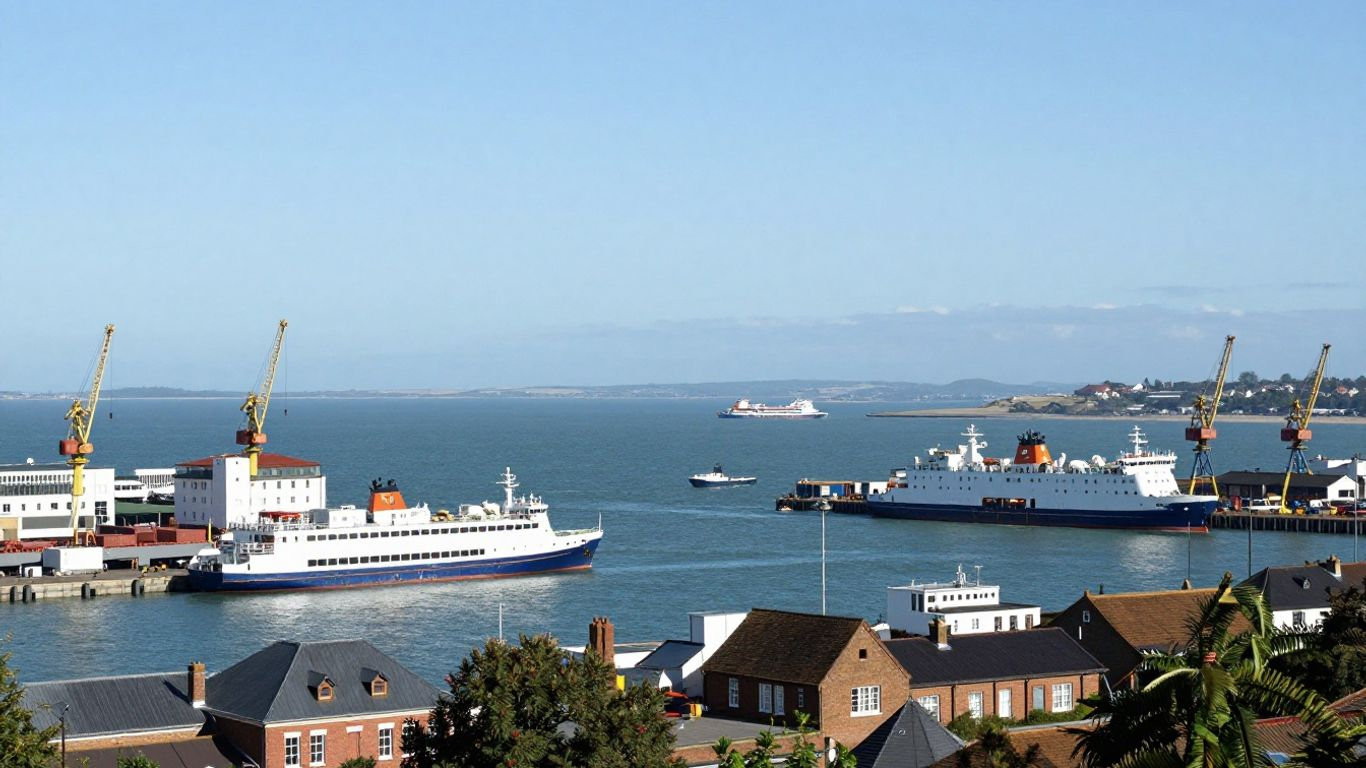
Right then, so you’re heading to Dover Docks and need to know where things are. It’s a pretty big place, so knowing the layout helps. You’ve got the main ferry terminals, obviously, and then there are separate bits for passengers and the lorries. It’s all pretty well signed, but a heads-up never hurts.
Ferry Operator Terminals
When you arrive, you’ll see different buildings for the ferry companies. Each one handles its own check-ins and departures. It’s worth knowing which company you’re travelling with beforehand so you head to the right spot. For example, if you’re taking the ferry to France, you’ll likely be looking for the DFDS terminal. They run the Dover to Dunkirk route, which is a popular choice for many travellers.
- DFDS Seaways: Usually found on the western side of the port.
- P&O Ferries: Typically located more centrally.
- Other Operators: Depending on your destination, there might be other smaller operators.
Passenger And Freight Areas
It’s not just cars and people, you know. Dover Docks is a major hub for freight too, so there are distinct areas for lorries and commercial vehicles. These are usually kept separate from the passenger areas to keep things moving smoothly. You’ll see signs directing cars, coaches, and foot passengers to their respective check-in zones. Lorries have their own dedicated lanes and processing points, which makes sense given the sheer volume.
The port is a hive of activity, especially during peak times. It’s designed to handle a lot of traffic, both people and goods, so don’t be surprised by the scale of it all. Just follow the signs for your specific journey.
Essential Information For Visitors
Right then, you’re heading to Dover Docks, and you need to know a few bits and bobs before you get there. It’s not just about the postcode, is it? There’s parking to think about, and making sure everyone can get around easily, especially if you’ve got mobility issues or you’re travelling with little ones. Let’s get into the practical stuff.
Parking Facilities At Dover Docks
When you’re planning your trip, figuring out where to leave your car is a big one. Dover Docks has a few options, and it’s worth knowing what’s what. You’ve got short-stay areas, which are handy if you’re just dropping someone off or picking them up. Then there are the longer-term options, which are usually the best bet if you’re heading off on a ferry for a few days. Prices can vary depending on how long you’re staying, so it’s a good idea to check the latest rates before you arrive. They often have different zones for different ferry operators, so pay attention to the signs when you get close.
Here’s a quick rundown of what you might find:
- Short-Stay Parking: Ideal for quick stops. Usually located close to the main terminals.
- Long-Stay Parking: For longer trips. Often requires a bit more of a walk or a shuttle bus.
- Dedicated Coach Parking: If you’re arriving by coach, there are specific spots for those.
- Disabled Parking: Spaces are available for blue badge holders, typically nearer the terminal entrances.
Accessibility For All Travellers
Getting to and from your ferry should be as smooth as possible, no matter your needs. The port authorities have put measures in place to help out. Most of the main terminal buildings are accessible, with ramps and lifts where needed. If you’re travelling with a disability, it’s always a good plan to let your ferry operator know in advance. They can often arrange assistance, like help with your luggage or getting you to your cabin.
Getting around a busy port can be a bit of a challenge, but Dover Docks tries to make it work for everyone. Think about what you might need before you set off – whether it’s a quiet spot to wait, help with bags, or just knowing where the accessible toilets are. A bit of pre-planning goes a long way.
For general information on getting to the port, including driving directions, you can find useful details on arrival procedures.
If you’re looking for a bit more insight into the area once you’re there, perhaps after your journey, there are even options for guided tours that can show you the local sights.
Beyond The Dover Docks Postcode
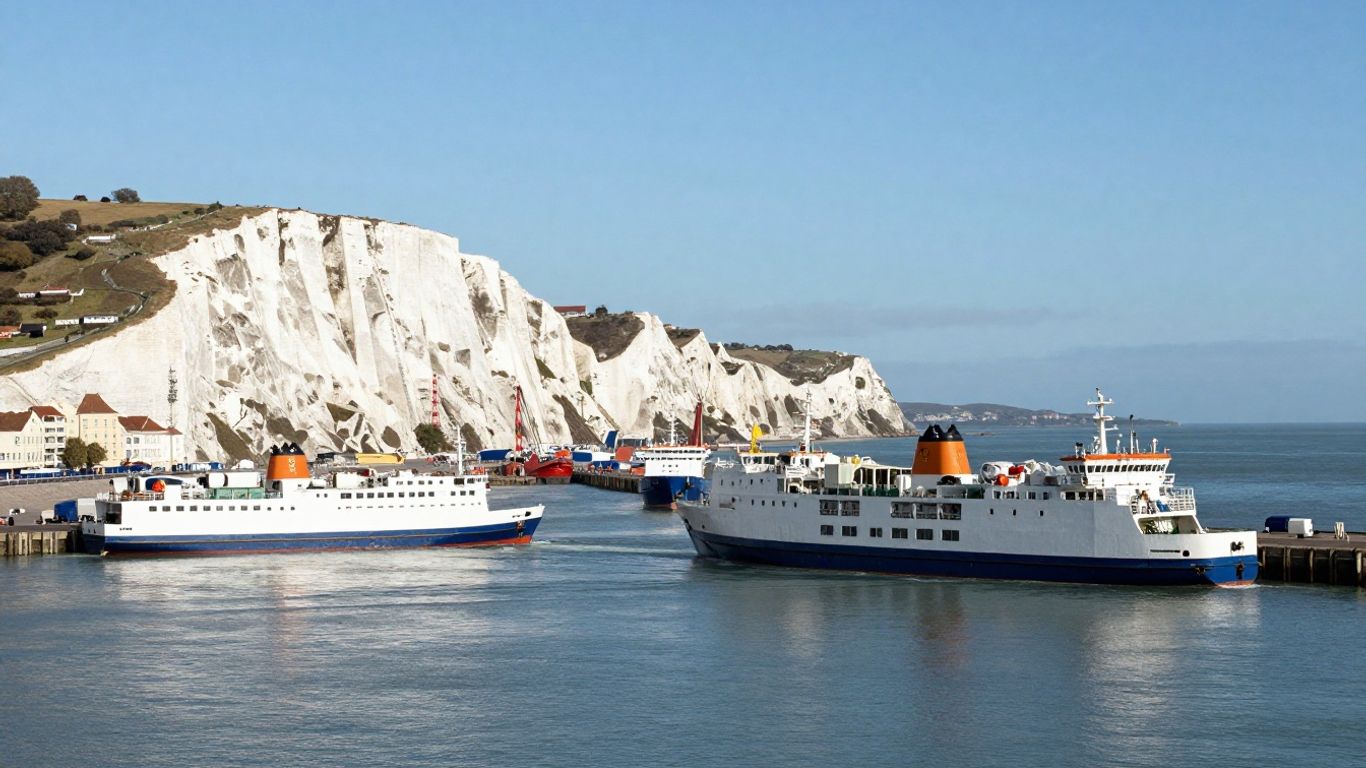
So, you’ve got your ferry sorted, your bags are packed, and you’re ready to head off. But what happens after you leave the port? Dover’s a pretty interesting place, and there’s more to it than just the ferry terminal. It’s worth knowing a bit about what’s around, just in case you have some time to kill or need to grab something before you set sail.
Exploring Dover Town Centre
Just a short hop from the docks, Dover town centre offers a bit of a break from the hustle and bustle of the port. You can find your usual high street shops here, perfect for picking up any last-minute essentials or maybe a souvenir. There are also a few cafes and pubs if you fancy a sit-down and a cuppa or a pint before your journey. The town itself has a long history, much of it tied to its strategic position overlooking the Channel. If you’ve got a bit of extra time, a quick wander can be quite pleasant.
Local Amenities Near The Port
Right around the port area, you’ll find a few useful spots. There are petrol stations for topping up your car, and a couple of supermarkets if you need snacks or drinks for the ferry. You might also spot some fast-food places if you’re in a hurry and need a quick bite. For those travelling with pets, there are usually designated areas nearby where they can stretch their legs. Remember, new border checks are coming into play for EU travel, so keep an eye on any updates regarding the EU Electronic Entry/Exit System.
It’s also good to know that there are other ways to cross the Channel if the ferry isn’t your first choice. The Dover to Dunkirk route, for example, is a popular option with frequent sailings and takes about two hours. It’s a solid alternative to consider for your cross-Channel connection.
While the port is the main focus for travellers, the surrounding area has practical facilities that can make your trip smoother. Don’t forget to factor in a little extra time to explore these if needed.
So, That’s Dover Docks Sorted
Right then, hopefully, that clears things up about finding Dover Docks. It’s not exactly rocket science, but knowing the right postcode, CT17 9DQ, just makes life a bit easier, doesn’t it? Whether you’re heading off on a ferry adventure or meeting someone, having that postcode handy means less faffing about and more time for whatever you’re actually there to do. So, next time you need to get to Dover Docks, just punch in CT17 9DQ and you should be right on track. Easy peasy.
Frequently Asked Questions
What’s the main postcode for Dover Docks?
The main postcode you’ll want to use for Dover Docks is CT17 9DE. This should get you right to the heart of the port area, perfect for catching your ferry.
How do I find the ferry terminal using the postcode?
Once you’ve put CT17 9DE into your sat nav or map app, it will guide you towards the port. Just follow the signs for the specific ferry company you’re travelling with once you’re inside the port complex.
Can I use a sat nav to get to Dover Docks?
Absolutely! Punching CT17 9DE into your sat nav is the easiest way to find your way. It’s designed to lead you directly to the port entrance, making your journey smoother.
Where do the different ferry companies have their terminals?
Each ferry company has its own designated area within the docks. The signs at the port will clearly show you where to go for P&O Ferries, DFDS, or any other service you’re using. They’re usually well-marked.
Is there parking available at Dover Docks?
Yes, there are parking options available. You’ll find different car parks for short stays and longer periods, depending on how long you’ll be away. It’s a good idea to check the port’s official website for the latest details on parking.
What if I need help getting around the docks?
The port is set up to help everyone. There are usually staff around to give directions, and facilities are in place for travellers with mobility needs. Just look for information points or ask a member of the port staff if you need assistance.