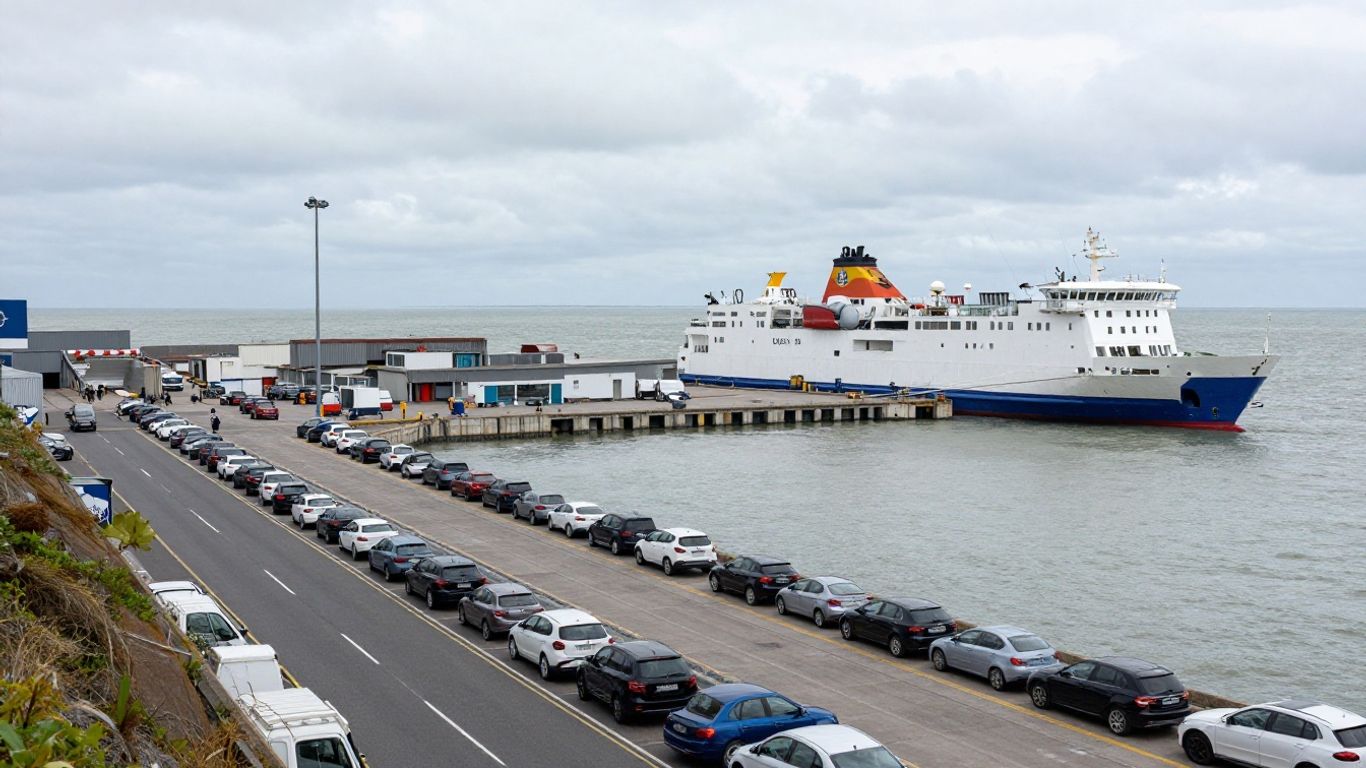
Heading to France via the ferry from Calais? It can feel a bit daunting, especially if it’s your first time. Getting to the port and then finding your way around once you’re there needs a bit of planning. This guide is here to help make your trip to the Calais ferry port as easy as possible, covering everything from getting there to what to do when you arrive. We’ll give you the lowdown on calais ferry port directions so you don’t have to worry.
Key Takeaways
- Plan your route to Calais Ferry Port well in advance, noting down the best driving directions from major UK cities.
- Familiarise yourself with French road signs leading to the port to avoid confusion upon arrival.
- Know the correct ferry terminal and have your tickets and documents ready for quick checks.
- Understand the process for vehicle queuing and boarding the ferry to save time.
- Be aware of the port’s layout and available facilities, and know how to contact port authorities if needed.
Navigating To Calais Ferry Port
Right then, getting to the Calais ferry port is pretty straightforward, but a bit of planning never hurt anyone, did it? Especially if you’re driving from the UK, you’ll want to know the best way to get there without any last-minute panics.
Driving Directions From Major UK Cities
Most people will be coming from the south of England, so let’s focus on that. If you’re heading from London, you’ll want to get onto the M20 motorway, which pretty much takes you straight to Folkestone, where you’ll catch your ferry. From other major cities like Birmingham or Manchester, you’ll need to make your way south first, likely using the M1 or M6, and then join the M20. The key is to aim for Folkestone and follow the signs for the Eurotunnel or the ferry port. It’s a fairly simple drive once you’re on the right motorway.
Understanding Road Signs To The Port
Once you’re in the vicinity of the port, the signs become quite specific. Look out for signs with a ferry symbol and the word ‘Calais’. They’re usually quite clear and in both English and French. Don’t get too distracted by signs for the Eurotunnel if you’re taking the ferry; they’re separate terminals, though close by. You’ll see signs directing you to the correct lane for your ferry operator. It’s worth remembering that the French side has its own set of signs once you disembark, but we’ll get to that later.
Essential GPS Coordinates For Calais Ferry Port
While road signs are helpful, a GPS is your best friend. For the Calais ferry terminal, you can generally use these coordinates: 50.9597° N, 1.8597° E. This should get you right to the general area. However, remember that different ferry companies might have slightly different entry points, so it’s always a good idea to double-check with your specific booking details. A quick search for ‘Calais Ferry Port’ on your GPS should also do the trick.
Getting to the port involves a bit of motorway driving, followed by specific signage. Pay attention to the signs indicating the ferry terminal, especially if you’re travelling during peak times. It’s always wise to allow a little extra time for unexpected traffic or diversions.
Here’s a quick rundown of what to expect on the approach:
- Motorway Driving: Primarily the M20 in the UK, leading to Folkestone.
- Ferry Port Signs: Look for the ferry symbol and ‘Calais’.
- Terminal Identification: Distinguish between ferry and Eurotunnel terminals.
If you’re planning your trip, knowing the crossing time can help you time your arrival perfectly.
Arrival Procedures At Calais Ferry Port
Identifying The Correct Ferry Terminal
Right, so you’ve made it to the port area. The first thing you’ll want to do is figure out which terminal is yours. It sounds simple, but with a few different ferry companies operating, it’s easy to get a bit turned around. Look out for the signs for your specific ferry operator – whether it’s P&O, DFDS, or Irish Ferries. They’re usually pretty clear, but keep your eyes peeled. Don’t just follow the general ‘Ferry’ signs if you can help it.
Ticket And Document Checks
Once you’re at the right terminal, you’ll need to have your tickets and all your paperwork ready. This usually means your booking confirmation and your passport. If you’re travelling with a vehicle, make sure your V5C (logbook) and insurance documents are easily accessible too. They’ll scan your ticket and give everything a quick look-over. It’s a good idea to have your booking details handy on your phone or printed out.
Vehicle Queuing And Boarding
After the checks, you’ll be directed into a lane for your ferry. The lanes are usually marked by destination or ferry company. Just follow the instructions from the port staff. They’ll guide you where to go. Once it’s time, you’ll drive onto the ferry. Remember to put your vehicle in park and engage the handbrake. The crew will tell you where to park your car on the ship.
It’s worth noting that the Port of Calais is a busy place, with departures happening quite often. This means things move along pretty quickly, so staying alert and following directions is key to a smooth process. You’ll find departures are frequent, with one leaving roughly every 45 minutes on average.
Here’s a quick rundown of what to expect:
- Ticket Scan: Have your booking reference or ticket ready.
- Document Check: Passports and vehicle papers will be inspected.
- Lane Assignment: Follow signs to the correct queue for your ferry.
- Boarding: Drive onto the ferry when instructed by staff.
- Vehicle Secure: Park and secure your vehicle as directed.
Onward Travel From Calais Ferry Port
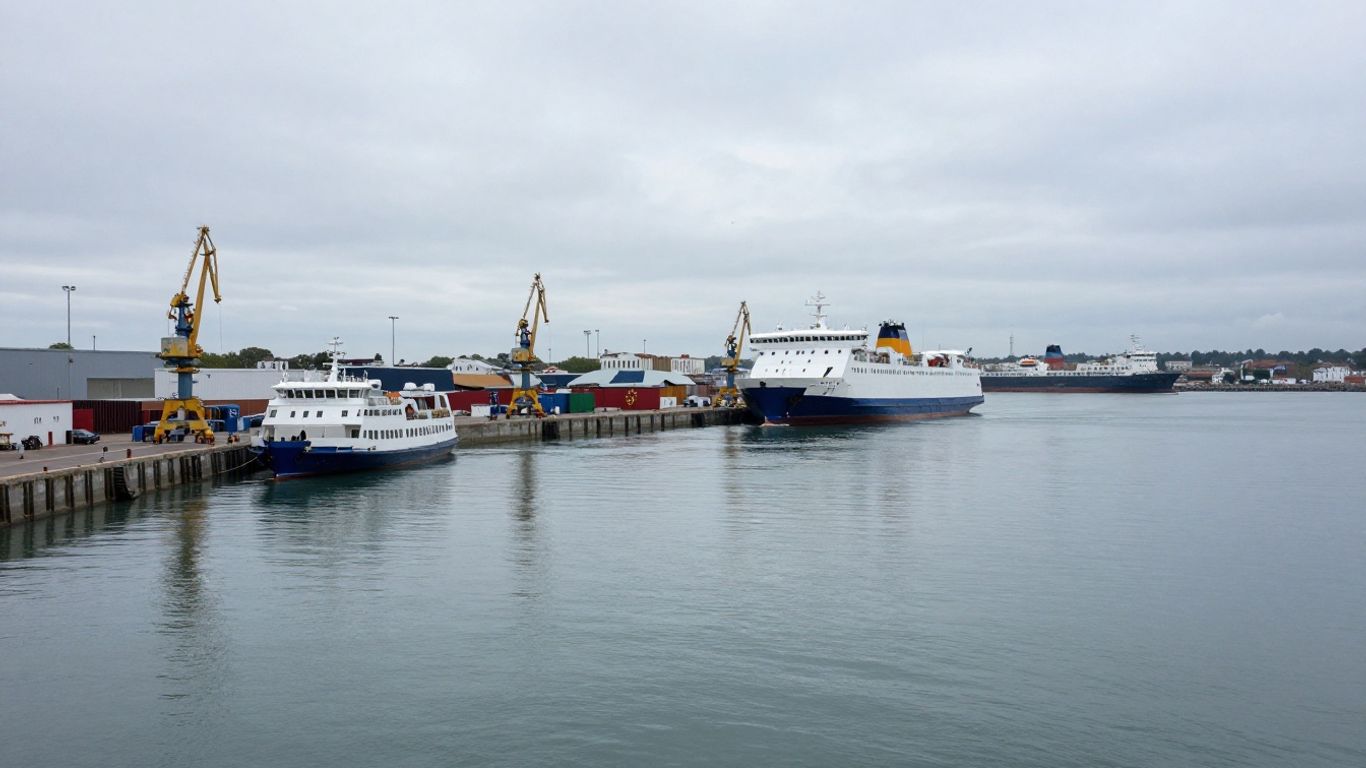
Right then, you’ve made it across the Channel, and now it’s time to get going. Calais isn’t just a ferry port; it’s a gateway to the rest of France and beyond. So, what’s next?
Accessing French Motorways
Getting onto the French motorway network from the port is pretty straightforward. You’ll see signs for the A16, which is the main route heading south towards Boulogne-sur-Mer and Paris, and also north towards Dunkirk and Belgium. Keep an eye out for the blue signs with white lettering indicating the motorway (autoroute). It’s a good idea to have your route planned before you arrive, especially if you’re heading further afield. Tolls are common on French motorways, so be prepared for that. You can pay with cash or card at the toll booths.
Finding Local Transport Options
If you’re not driving your own car, there are options. Taxis are usually available just outside the ferry terminal. You can also find bus services, though these might be less frequent and more geared towards local travel. For longer distances or if you’re heading to a specific train station, booking a taxi in advance might be wise. The local train station in Calais is a short taxi ride away and connects you to other French cities.
Navigating To Popular European Destinations
From Calais, the world really opens up. Here’s a rough idea of how long it might take to reach some popular spots by car, assuming decent traffic:
| Destination | Approximate Driving Time |
|---|---|
| Paris | 3.5 – 4 hours |
| Brussels | 2.5 – 3 hours |
| Amsterdam | 4 – 4.5 hours |
| Lille | 1 – 1.5 hours |
| Reims | 3 – 3.5 hours |
Remember, these times don’t include stops or potential delays. Planning your route using a GPS or mapping app is always a good shout. The Dover to Calais ferry route is a popular and convenient way to travel between the UK and mainland Europe, and getting from Calais is just the next step.
The French road system is generally well-maintained, but it’s worth noting that speed limits can vary. Always pay attention to the signs, especially as you leave built-up areas. Driving on the right-hand side of the road will be the main adjustment for most UK drivers.
If you’re planning a trip, it’s worth looking into the different ferry operators and booking your crossing in advance, especially during peak times. This can often save you money and hassle. The Dover to Calais ferry crossing is a well-trodden path, and getting your onward journey sorted is part of the adventure.
Key Information For Your Journey
Right then, before you even think about hitting the road towards the port, let’s get a few things straight. Knowing your way around the port itself and what’s on offer can make a big difference to your trip. It’s not just about getting to the ferry; it’s about making the whole experience a bit less stressful.
Understanding Port Layout
Calais Ferry Port is pretty big, and it can feel a bit like a maze the first time you’re there. You’ve got different areas for different ferry operators, check-in booths, and waiting zones. It’s a good idea to familiarise yourself with a map beforehand if you can. Most operators will have signs pointing you in the right direction once you’re approaching the port area, but having a general idea of where you need to go can save you some last-minute panic.
Facilities Available At The Port
Don’t expect a five-star hotel, but Calais Port does have the basics covered. You’ll find places to grab a coffee or a quick bite, usually a shop for any last-minute essentials, and of course, toilets. Some terminals might have more extensive facilities, like seating areas or even small play zones for kids. If you’re travelling with P&O Ferries, they have specific passenger information that might be helpful for your trip P&O Ferries passenger information.
Contacting Port Authorities
If you’ve got a real problem, like a missed ferry or a vehicle issue, you’ll want to know who to talk to. Each ferry operator will have its own customer service desk or contact number. For general port information, there’s usually a main information point, but it’s often best to go straight to your ferry company. They’re the ones who can sort out your specific booking or travel plans. The Calais-Dover crossing itself is a busy route with nearly 40 departures daily, so there are plenty of resources available if you need them Calais-Dover crossing details.
It’s always wise to have your booking reference and all your travel documents easily accessible. Fumbling around for your passport or ticket when you’re in a queue is never fun and can hold things up for everyone.
Planning Your Ferry Crossing
Right then, let’s talk about getting your ferry booked. It sounds simple enough, but a bit of planning goes a long way to making sure your trip across the Channel is as smooth as possible. Choosing the right ferry operator and booking in advance can save you time and money.
Choosing The Right Ferry Operator
There are a few companies running services between Dover and Calais, and they all have slightly different things to offer. It’s worth having a quick look at what each one provides. Think about things like:
- Price: Obviously, a big one for most people. Prices can vary quite a bit depending on the time of year and how far in advance you book.
- Sailing Times: Do you need to travel at a specific time, or are you flexible? Some operators have more frequent sailings than others.
- Onboard Facilities: Are you planning to have a meal, do some shopping, or just relax? Check what’s available on board – restaurants, cafes, shops, play areas for kids, that sort of thing.
- Pet Policies: If you’re travelling with a furry friend, make sure the operator’s policy suits you both.
Booking Your Crossing In Advance
Honestly, booking your ferry ticket ahead of time is usually the way to go. It often works out cheaper than just turning up on the day, and it means you’ve got your spot sorted. You can usually book directly on the ferry company’s website or through a travel agent. Keep an eye out for special offers too; sometimes you can snag a good deal if you book during a sale period. The Dover to Calais route is a popular one, so booking early is a good idea, especially during peak holiday times. It’s a pretty straightforward process, usually involving selecting your dates, times, vehicle details, and passenger numbers. You’ll then pay and receive your booking confirmation.
The journey itself is quite short, typically taking around 90 minutes. This means you spend less time travelling and more time enjoying your destination. It’s a quick hop across the water, really.
Understanding Ferry Schedules
Ferry schedules can change, especially with the seasons and demand. Most operators run services pretty frequently, often multiple times a day and sometimes even overnight. It’s always best to check the latest timetable directly with the operator you’re considering. You can usually find this information on their website. Remember that schedules can be affected by weather, so it’s wise to have a bit of flexibility in your plans if possible. If you’re aiming for a specific time, double-check it closer to your travel date, just in case of any last-minute adjustments. This route connects England and France, and with up to 30 sailings daily, it’s a very convenient option for many travellers.
All Set for Your Ferry Trip?
So there you have it, a quick rundown on getting to Calais ferry port. It might seem a bit much at first, but once you know the basics, it’s really not that tricky. Just remember to check your route, give yourself plenty of time, and have your documents ready. Hopefully, this guide has made things a bit clearer and taken some of the stress out of planning your journey. Have a good trip across the Channel!
Frequently Asked Questions
How do I get to the ferry port in Calais by car?
Getting to the Calais ferry port is pretty straightforward. If you’re driving from major UK cities, you’ll usually take a ferry or the Eurotunnel across the Channel. Once you arrive in France, follow the signs for ‘Calais’ and then look for signs specifically pointing to ‘Ferry Terminal’ or ‘Porte Ferry’. They are usually well-marked with blue signs. It’s a good idea to have your GPS ready, just in case!
What should I do when I arrive at the ferry port?
When you get to the port, the first thing to do is find the right terminal for your ferry company. You’ll then need to show your ticket and any important documents, like your passport. After that, you’ll be directed to a lane where you’ll wait to board the ferry with your vehicle. Just follow the instructions from the port staff.
Can I easily get onto French roads after the ferry?
Yes, absolutely! Once you disembark in Calais, signs will guide you towards the main French motorways, known as ‘autoroutes’. These are usually marked with a blue ‘A’ followed by a number. If you need to catch a local bus or train, there are usually transport options available near the port, and signs will point you in the right direction.
What facilities are there at the Calais ferry port?
The port has quite a few things to make your wait easier. You’ll find places to grab a bite to eat, like cafes and restaurants. There are also shops where you can pick up last-minute items or souvenirs. Toilets are readily available, and sometimes there are even lounges if you have a bit of waiting time.
How do I book my ferry ticket?
Booking your ferry ticket in advance is usually the best way to go. You can do this online through the ferry company’s website. It’s often cheaper to book ahead, and it guarantees you a spot on the ferry you want. It’s also wise to check the ferry schedules to make sure you pick a time that suits you.
What happens if I get lost or need help at the port?
Don’t worry if you feel a bit lost! The port is designed to be navigated. You’ll see information signs everywhere. If you’re really unsure, look for an information desk or ask any of the uniformed staff. They are there to help you find your way. You can also usually find contact numbers for the port authorities on their websites before you travel.