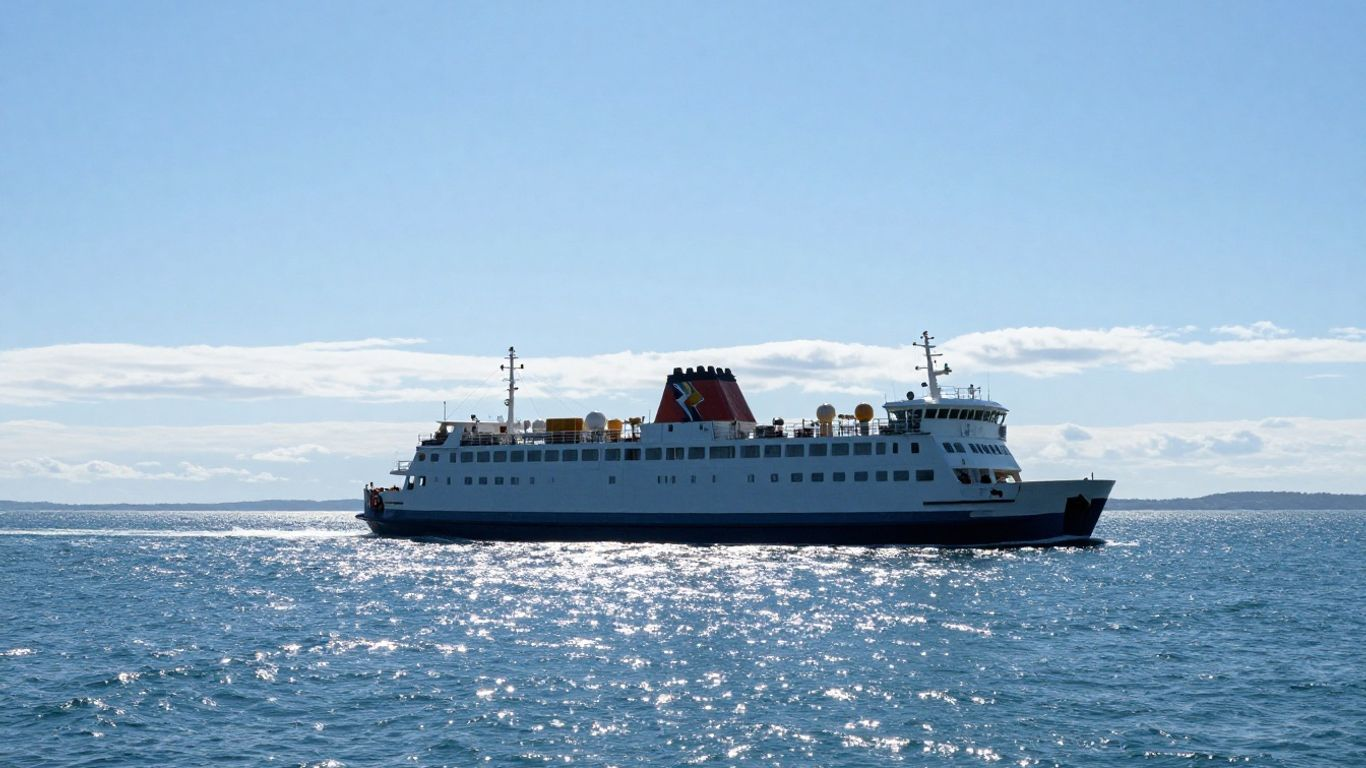
Thinking about a trip across the sea from Newcastle? The ferry from Newcastle is a pretty straightforward way to get to the continent, and honestly, it beats flying for a lot of people. You get to relax, enjoy the views, and your car can come along too. This guide is here to help you sort out all the bits and pieces, from booking your ticket to what to do when you get off at the other end. We’ll cover the important stuff so your journey goes smoothly.
Key Takeaways
- Book your ferry from Newcastle tickets ahead of time, especially during busy periods, to get the best prices and availability.
- Figure out if you need a cabin for an overnight trip or if a comfortable seat will do for your journey.
- Check the ferry schedules carefully to match your travel plans, noting departure and arrival times.
- Know how to get to the North Shields terminal and what parking or public transport options are there.
- Pack smart for the crossing, including any documents you need for customs and immigration.
Planning Your Ferry from Newcastle
Getting your ferry trip from Newcastle sorted is the first step to a good holiday. It’s not complicated, but a bit of planning goes a long way. Booking your ticket in advance is usually the best way to get a good price and make sure you have a spot, especially if you’re travelling during busy periods.
Booking Your Ferry Ticket
When you’re looking to book, you’ll find that companies like DFDS run the routes from Newcastle. It’s pretty straightforward to check out the available sailings and prices online. You can usually see the whole year’s timetable, which is handy if you’re planning way ahead.
- Check the DFDS website for the most up-to-date schedules.
- Compare prices for different dates and times – sometimes a mid-week sailing is cheaper.
- Look out for any special offers or discounts that might be running.
Choosing Your Cabin or Seat
Once you’ve picked your sailing, you’ll need to decide on your onboard accommodation. For the overnight ferry to Amsterdam, you’ll likely want a cabin. These range from basic en-suite rooms to more comfortable options. If you’re on a shorter trip or just want to save a bit of money, you can opt for a reclining seat instead. These are usually in a shared lounge area.
Think about how much sleep you’ll need and what level of comfort you’re after. An overnight cabin means you can properly rest and wake up ready to explore your destination, whereas a seat might be fine if you plan to stay up and make the most of the onboard facilities.
Understanding Ferry Schedules
Ferry schedules can change, so it’s always worth double-checking closer to your travel date. The Newcastle to Amsterdam route typically runs overnight. This means you’ll usually depart in the afternoon and arrive the following morning. Knowing the departure and arrival times helps you plan your journey to the terminal and your onward travel from the port.
| Departure Port | Arrival Port | Typical Departure Time | Typical Arrival Time |
|---|---|---|---|
| Newcastle | Amsterdam | Late Afternoon | Early Morning |
It’s a good idea to familiarise yourself with the ferry schedules and prices when you start planning.
Getting to the Ferry Terminal
So, you’ve booked your ferry ticket and you’re ready to head off on your adventure. The next step is getting to the North Shields ferry terminal. It’s not exactly in the city centre, so a bit of planning is a good idea.
Directions to North Shields Ferry Terminal
The terminal is located at International Ferry Terminal, North Shields, Tyne and Wear, NE29 6TW. If you’re driving, you’ll want to follow signs for the ferry terminal once you get close to North Shields. It’s pretty well signposted from the main roads.
Parking Facilities at the Terminal
If you’re planning to drive your car to the terminal, there’s parking available. It’s a secure car park, which is good to know. Prices can vary, so it’s worth checking the latest rates before you go, especially if you’re leaving your car for the duration of your trip. They usually have different rates for short-term and long-term stays.
Public Transport Options
Don’t fancy driving or paying for parking? No worries, there are public transport options. The most convenient is often the dedicated bus service. DFDS runs a bus that picks up from Newcastle city centre, specifically from Bewick Street. It’s a pretty straightforward way to get there and back, and it’s usually quite affordable. You can find more details about the bus transfer service online.
Getting to the terminal with plenty of time to spare is always a good plan. You don’t want to be rushing around at the last minute, trying to find your way or dealing with unexpected delays. Give yourself a buffer, grab a coffee, and relax before you board.
Onboard the Ferry Experience
So, you’ve made it to the terminal and you’re ready to set sail. What’s it actually like on the ferry? Well, it’s not just about getting from A to B; there’s quite a bit to keep you occupied. The journey itself can be a relaxing part of your holiday.
Dining and Refreshment Options
When hunger strikes, you’ll find a few places to grab a bite. Most ferries have a main restaurant serving hot meals, often with a carvery option. There are usually cafes too, good for a quick sandwich, coffee, or a pastry. Prices are pretty standard for travel catering, so maybe pack a few snacks if you’re on a budget. Some routes might even have a bar area if you fancy a drink.
Entertainment and Facilities
Don’t expect a full-blown cruise ship, but there are usually some decent facilities. You’ll find comfortable seating areas, often with TVs showing news or films. Some ferries have small play areas for kids, which can be a lifesaver for parents. There are also usually shops selling gifts, toiletries, and sometimes even duty-free items. Free Wi-Fi is often available, though it can be a bit hit-and-miss depending on where you are on the sea. If you’re looking for a bit more peace, check if there’s a premium lounge you can pay to access; these often have quieter seating and sometimes better Wi-Fi. For those travelling with vehicles, remember there are no strict luggage weight limits, but foot passengers should be mindful of what they can comfortably manage [6564].
Travelling with Pets
Bringing your furry friend along? It’s usually possible, but policies vary. On many routes, pets have to stay in your vehicle for the duration of the crossing, or they might need to be booked into kennels onboard. Some newer ferries might have pet-friendly cabins or designated areas. It’s really important to check the specific pet policy of your ferry operator well in advance. You’ll need to have their vaccination records and any other required documentation ready.
The sea air can be quite bracing, so even if you plan to spend most of your time inside, a light jacket or jumper is a good idea. It’s also worth having something to keep you entertained, like a book or downloaded films, just in case the onboard Wi-Fi isn’t up to scratch or you just want some quiet time away from the main areas.
Arriving at Your Destination
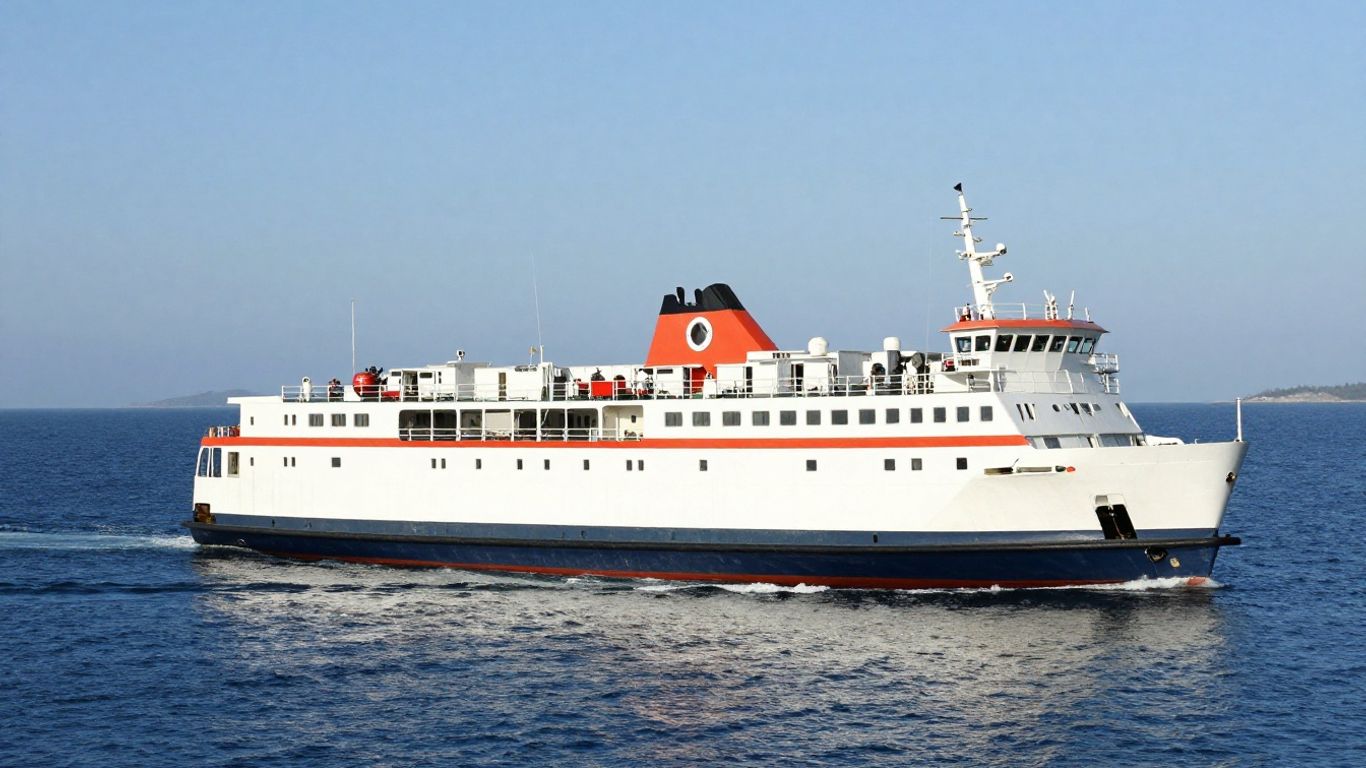
So, you’ve had a good rest, maybe caught up on some reading or enjoyed a meal, and now the ferry is nearing Amsterdam. It’s time to think about what happens next. Disembarking is usually a pretty straightforward process, but knowing what to expect can make it even smoother.
Disembarking Procedures
Once the ferry docks at the terminal in IJmuiden (which is the port for Amsterdam), announcements will be made. If you’re travelling with a vehicle, you’ll typically be directed to disembark in your car. Follow the signs and the instructions from the ferry staff. For foot passengers, it’s usually a case of heading to the passenger areas and following the flow of people off the ship. It’s a good idea to have your passport and any other travel documents ready, just in case.
Connecting Transport from Amsterdam
From the IJmuiden ferry terminal, you’ll need to get to the city centre of Amsterdam. DFDS usually provides a coach service that connects directly with the ferry arrival. This is often the easiest way to get into the city, especially if you’re not familiar with the area or don’t fancy driving. You can usually book this in advance when you book your ferry ticket, or sometimes pay onboard.
Alternatively, there are local bus services that run from near the terminal into Amsterdam. Taxis are also available, though they will likely be more expensive. It’s worth checking the latest transport options before you travel to see what suits you best.
Exploring Amsterdam After Your Ferry
Arriving in Amsterdam after your overnight journey is quite exciting. You’ll likely be arriving in the morning, which is perfect for starting your exploration. Whether you’re heading straight to your accommodation or planning to drop off your bags and start sightseeing, the city has so much to offer.
Here are a few ideas for your first day:
- Canal Cruise: A classic Amsterdam experience. See the city from its waterways.
- Museum Quarter: Home to world-class museums like the Rijksmuseum and the Van Gogh Museum.
- Jordaan District: Wander through charming streets, independent boutiques, and cosy cafes.
- Anne Frank House: A poignant and important historical site (book tickets well in advance).
Remember that Amsterdam is a very walkable city, and cycling is also a popular way to get around. Be mindful of the bike lanes and the local cyclists – they know where they’re going!
Getting your bearings is the first step. The city centre is quite compact, and most of the main attractions are within easy reach of each other. Enjoy your time in this vibrant Dutch capital!
Essential Tips for Your Ferry Journey
So, you’re all set for your ferry trip from Newcastle to Amsterdam. Brilliant! A bit of preparation goes a long way, and I’ve picked up a few things over the years that make the whole experience smoother. It’s not quite like hopping on a plane, and that’s part of its charm, really.
What to Pack for the Crossing
Packing smart can make a big difference, especially since you’ll be on the ferry for a good while. Think layers, because the temperature can change, and you might be moving between different areas of the ship. Definitely bring something comfy to wear for sleeping if you’ve not booked a cabin – a tracksuit and some warm socks are your best friends here. Don’t forget any medications you might need, and a good book or downloaded movies are a must for downtime. Also, a small backpack for essentials you want to keep with you is handy, rather than hauling your main luggage around.
- Comfortable clothing (layers are key)
- Toiletries (though some are available onboard)
- Entertainment (books, tablets, chargers)
- Any personal medications
- Travel pillow for extra comfort
Navigating Customs and Immigration
This part can feel a bit different from flying. You’ll need your passport, of course, and make sure it’s valid for at least six months beyond your travel date. If you’re travelling from outside the Schengen Area, you might need a visa, so double-check that well in advance. The ferry company will have specific check-in times, usually a couple of hours before departure, so don’t be late. They’ll check your booking and your travel documents. It’s always wise to have copies of your important documents separate from the originals, just in case.
Remember that while the ferry journey is part of the adventure, border control is still a serious matter. Be prepared with all your paperwork and follow the instructions of the ferry staff and border officials carefully. Any issues with your documentation could lead to delays or even prevent you from travelling.
Making the Most of Your Travel Time
This ferry trip is a great chance to relax and recharge before you hit Amsterdam. Instead of rushing, see it as part of your holiday. You could catch up on sleep, enjoy a meal in one of the restaurants, or just sit on deck and watch the sea. If you’re travelling for work, it’s a good opportunity to get some tasks done without the usual distractions. Some people even use the time to plan their itinerary for the destination. For those travelling with children, the ferry often has play areas, which can be a lifesaver.
Here’s a quick look at what you might find onboard:
| Facility | Description |
|---|---|
| Restaurants | Various dining options, from casual to formal |
| Bars | Places to relax with a drink |
| Shops | Duty-free and convenience items |
| Lounges | Comfortable seating areas |
| Children’s Playroom | Entertainment for younger travellers |
Don’t forget to check the ferry operator’s website for specific details about their onboard services before you travel. It’s also a good idea to book any special meals or entertainment in advance if possible, especially during busy periods. This can save you time and sometimes money. You might even find some quiet spots to just enjoy the journey and the sea air. Check ferry schedules to plan your departure and arrival times effectively.
So, That’s the Ferry!
Right then, that’s pretty much it for our quick look at getting the ferry from Newcastle. Hopefully, this has given you a good idea of what to expect, from checking the times to actually getting on board. It’s not exactly rocket science, but knowing a few bits and bobs beforehand can make the whole thing a lot smoother. Remember to book ahead if you can, especially during busy periods, and have your tickets ready. Enjoy your trip across the water – it’s a decent way to travel, really.
Frequently Asked Questions
How far in advance should I book my ferry ticket from Newcastle?
It’s a good idea to book your ferry ticket a few weeks ahead, especially if you’re travelling during busy times like school holidays or summer. This often gets you better prices and makes sure you get the cabin or seat you want.
What’s the difference between a cabin and a seat on the ferry?
A cabin is like a small private room on the ship where you can sleep and relax. A seat is more like a chair in a shared lounge area. Cabins are great for overnight journeys for more comfort, while seats are a more budget-friendly option.
Can I take my pet on the ferry to Amsterdam?
Yes, you can usually bring your pet along! Most ferry companies have specific rules and facilities for pets, like pet-friendly cabins or kennels. You’ll need to check the ferry company’s policy when you book and make sure your pet has all the right travel documents.
What kind of food is available on the ferry?
There are usually a few places to eat on board. You can expect a restaurant with a range of meals, a cafe for lighter bites and snacks, and sometimes even a bar. It’s a good idea to check what’s offered by your specific ferry operator.
Do I need to go through passport control before boarding?
Yes, you will need to pass through passport control before you get on the ferry. Make sure you have your passport and any other necessary travel documents ready. This is part of the security checks before sailing.
What is there to do on the ferry during the journey?
Most ferries are like mini-cruises! You can enjoy meals, relax in lounges, watch films in cinemas (on some ships), do some shopping, or just enjoy the sea views. Some ferries also have entertainment like live music.