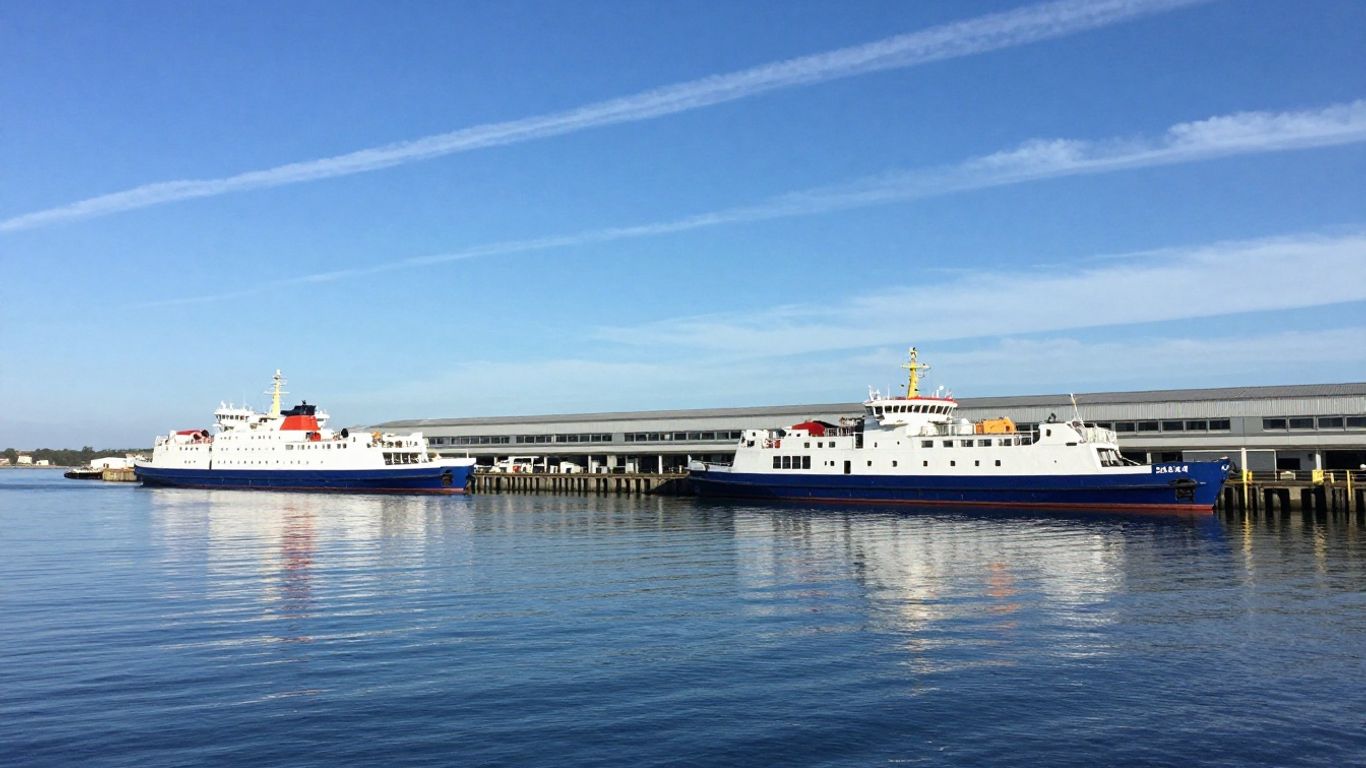
Planning a trip across the Channel from Dunkirk? It’s a pretty straightforward process, but a little bit of planning goes a long way. This guide is here to help you get from A to B without any fuss. We’ll cover getting to the dunkirk ferry terminal, booking your tickets, and what to do once you’re there. Think of it as your friendly helper for a stress-free journey.
Key Takeaways
- Getting to the dunkirk ferry terminal is easy by car or public transport, with parking available.
- Book your ferry crossing in advance, choosing the operator and ticket type that suits you best.
- The dunkirk ferry terminal has facilities for passengers, including shops and places to eat.
- Be ready for check-in and have your documents handy when travelling from the dunkirk ferry terminal.
- Consider exploring Dunkirk itself and plan your travel times for a smoother experience.
Navigating To The Dunkirk Ferry Terminal
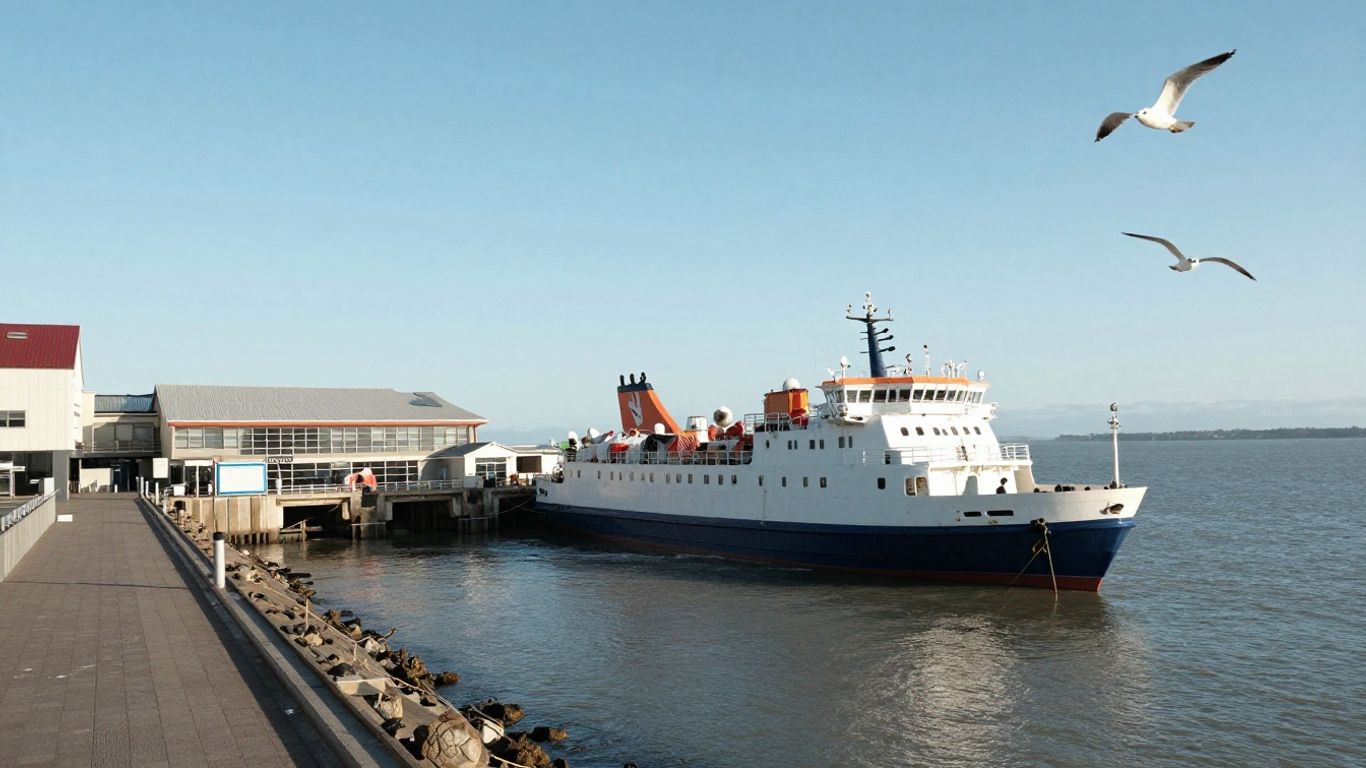
Getting to the Dunkirk ferry terminal is pretty straightforward, whether you’re driving or planning to use public transport. It’s a busy hub, so knowing the best way to get there can save you a lot of hassle.
Driving Directions To The Terminal
If you’re coming by car, follow the signs for ‘DFDS’ or ‘Ferries’ once you’re in the Dunkirk area. The port is well-signposted from the main roads. From the A16 motorway, take exit 54 (Dunkerque-Port). You’ll then want to follow signs for ‘Terminal Ferry’. The postcode for the terminal is 59140 Dunkerque. It’s a good idea to have a sat-nav, but the signs are generally clear. Remember that traffic can build up, especially during peak holiday times, so give yourself plenty of extra time.
Public Transport Options
While driving is common, you do have options if you’re not travelling by car. Dunkirk has a local bus network, and some routes will take you close to the ferry port. You can check the local public transport website for the most up-to-date routes and timetables. If you’re arriving by train at Dunkirk station, you’ll likely need to take a taxi or a bus from there to the terminal itself. It’s not a long journey, but it’s something to factor into your travel plans.
Parking Facilities At The Dunkirk Ferry Terminal
There are parking facilities available at the terminal. For those travelling as foot passengers, there’s usually a designated area for short-term parking. If you’re taking your car across, you’ll be parking it on the ferry itself. For longer stays or if you need to leave your vehicle while you explore France, it’s worth checking with DFDS in advance about any specific long-term parking arrangements they might offer or recommend nearby.
Getting to the port with plenty of time to spare is always a good idea. This way, you can avoid any last-minute stress and start your holiday feeling relaxed. Check the ferry company’s recommended arrival time before you set off.
Booking Your Crossing Via Dunkirk Ferry Terminal
So, you’ve decided Dunkirk is your gateway to France. Brilliant choice! Now comes the part where you actually book your ferry. It’s not complicated, but a little planning goes a long way to making sure you get the best deal and the right crossing for you.
Choosing Your Ferry Operator
When it comes to crossing from the UK to Dunkirk, there’s one main player you’ll be looking at: DFDS Seaways. They run the route pretty much exclusively, so your options are fairly straightforward here. DFDS offers frequent sailings, making it a reliable choice for getting you and your vehicle across the Channel. They’ve got a good reputation for service, and the journey itself is quite short, usually around two hours.
Understanding Ticket Options
When you go to book, you’ll notice a few different ticket types. Most people will be looking at standard vehicle crossings, which usually include your car and a set number of passengers. It’s worth checking the exact number of people included in the base price, as adding extra passengers might cost a bit more. Sometimes, they offer special deals, especially if you book well in advance or travel during off-peak times. Keep an eye out for these!
Here’s a rough idea of what you might expect:
- Standard Car + Passengers: Covers your vehicle and up to 4 or 5 passengers (check the specifics).
- Foot Passenger: If you’re not taking a car, this is the ticket for you.
- Motorcycle: A specific ticket type for two-wheeled travellers.
- Oversized Vehicles: For larger vans, campers, or vehicles with trailers.
Remember to factor in the time of year and day of the week when looking at prices. Weekend trips and school holidays will almost always be more expensive than a mid-week crossing in the middle of February.
Making A Reservation Online
Booking online is definitely the easiest way to go. You can do it directly through the DFDS website. It’s usually best to book as far in advance as you can, especially if you have specific dates or times in mind. This not only secures your spot but often gets you a better price. You’ll need to know:
- Your departure and arrival ports (Dover to Dunkirk).
- Your desired travel dates and times.
- The type and dimensions of your vehicle (if applicable).
- The number of passengers travelling.
- Your contact details.
Once you’ve filled in all the details and paid, you’ll receive a confirmation email with your booking reference. Keep this handy – you’ll need it for check-in. The whole process is pretty slick, and you can usually make changes to your booking online too, though there might be fees involved depending on the ticket type and how close to your travel date you are. The Dover to Dunkirk route is popular, so don’t leave it too late, particularly during busy periods.
Services Available At The Dunkirk Ferry Terminal
So, you’ve booked your ferry from Dunkirk and you’re wondering what’s actually at the terminal itself. It’s not just a place to park your car and hop on a boat, you know. There are quite a few things to make your wait or your pre-departure preparations a bit easier.
Passenger Amenities
When you arrive at the terminal, you’ll find a decent range of facilities designed for travellers. There are restrooms, of course, and usually places to sit down while you wait for your check-in to open. For those who need to stay connected, Wi-Fi is generally available, though it’s always a good idea to have a backup plan or check the specifics with your ferry operator. If you’ve got a bit of time to kill, you might find vending machines for snacks and drinks. It’s worth noting that the specific amenities can vary slightly, but the basics are pretty much always covered.
Shops And Dining
Need to grab some last-minute essentials or a bite to eat before you set sail? The Dunkirk terminal usually has a few options. You can expect to find a small shop selling travel necessities, perhaps some snacks, newspapers, and souvenirs. For food, there’s often a cafe or a small restaurant area. It’s not fine dining, mind you, but it’s perfectly adequate for a coffee, a sandwich, or a quick meal. Think of it as convenient fuel for your journey rather than a culinary destination. The DFDS ferry route from Dunkirk is a popular choice, and the terminal reflects the needs of its passengers.
Information Desks
If you’re feeling a bit lost or have a question about your sailing, the information desk is your best bet. Staff here can help with a variety of queries, from check-in times and boarding procedures to general travel advice. They’re usually quite helpful and can point you in the right direction. It’s a good idea to have your booking reference handy when you approach them.
Arriving at the terminal with a bit of buffer time is always wise. It takes the pressure off and allows you to familiarise yourself with the layout and services without feeling rushed. Plus, you might discover a little something extra you need or fancy before you board.
For those heading to the UK, the Dover to Dunkirk ferry is a straightforward option, and the terminal services are geared towards making that transition smooth.
Preparing For Your Journey From Dunkirk
Right then, you’ve booked your ferry from Dunkirk, and now it’s time to get ready. It’s not complicated, but a little bit of prep goes a long way to making sure you don’t have any last-minute panics. Getting your paperwork sorted is the most important bit.
Check-In Procedures
When you arrive at the terminal, you’ll need to head to the check-in booths. This is where they’ll scan your booking and check your vehicle. It’s a good idea to have your booking confirmation and your vehicle documents handy. They usually have lanes for different operators, so keep an eye out for the signs for your specific ferry company. It’s generally pretty straightforward, but if you’re unsure, just ask one of the staff members.
Required Documentation
This is the bit that catches people out sometimes. Depending on where you’re travelling to and from, you’ll need specific documents. For travel from Dunkirk to the UK, you’ll definitely need your passport. Make sure it’s valid for at least six months beyond your intended stay. If you’re driving, your vehicle’s registration documents (V5C) are also a must. Don’t forget your driving licence, of course. For those travelling with pets, there are extra requirements, which we’ll cover next. It’s always best to double-check the latest government advice before you travel, as rules can change. Having the right paperwork means you can avoid delays and get on your way without any fuss. Check the latest travel advice before you set off.
Travelling With Pets
Taking your furry friends across the Channel? It’s definitely doable, but there are rules. Your pet will need a valid pet passport or an animal health certificate (AHC), depending on the type of travel and your destination. They also need to be microchipped and have had their rabies vaccination at least 21 days before travel. Some breeds might have specific restrictions, so it’s worth looking into that well in advance. You’ll usually need to declare your pet when you book your ferry ticket, and there might be designated areas or kennels on board. It’s a bit of extra admin, but seeing your pet happy and safe makes it all worthwhile.
Packing smart can make a big difference to your journey. Think about things like snacks, entertainment, and comfort items. A good book or some downloaded music can make the crossing fly by. For longer trips, a travel pillow is a lifesaver. Don’t forget any medications you or your family might need, and keep them easily accessible.
Exploring The Local Area Around Dunkirk
So, you’ve booked your ferry from Dunkirk and you’ve got a bit of time before you need to be at the terminal, or maybe you’re planning a longer stay? Dunkirk and its surroundings have more to offer than you might think. It’s not just a port; it’s a place with a story.
Attractions Near The Port
Right on your doorstep, you’ve got the coast. The Plage de Malo-les-Bains is a lovely stretch of sand, perfect for a stroll or just to get some fresh sea air. It’s a popular spot for locals, especially on a sunny day. If history is more your thing, the Museum Dunkerque 1940 Operation Dynamo is a must-visit. It really brings to life the incredible events that happened here during the war. You can also find other smaller museums dotted around that focus on different aspects of the town’s past and maritime heritage.
Accommodation Options
If you’re staying overnight, there are a few choices. You’ll find standard chain hotels not too far from the port, which are usually pretty reliable. For something a bit more local, there are some smaller independent hotels and guesthouses in the town centre. These can offer a more personal touch. Booking in advance is always a good idea, especially during peak travel times.
Local Cuisine To Savour
When in France, you’ve got to eat, right? Dunkirk has its share of restaurants. You’ll find places serving up classic French dishes, of course. Think steak frites, moules marinières (mussels in white wine), and plenty of fresh seafood. Being a port town, the fish is usually top-notch. Don’t forget to try some local pastries from a boulangerie – they’re usually amazing. For a real taste of the region, look out for dishes that use local produce.
It’s worth remembering that Dunkirk has a strong connection to its maritime past and the significant events of World War II. This history is woven into the fabric of the town and is reflected in many of its attractions and its general atmosphere.
Tips For A Smooth Experience At Dunkirk Ferry Terminal
Getting through the ferry terminal without a hitch is all about being prepared. It’s not complicated, but a few pointers can make your trip much easier.
Best Times To Travel
If you can, try to avoid the absolute peak times. Weekends, especially Friday evenings and Sunday afternoons, tend to be the busiest. Mid-week crossings, particularly early mornings or late evenings, are often quieter. This means less queuing and a more relaxed start to your journey. For example, travelling on a Tuesday morning might be a good bet if you’re looking for a calmer experience.
What To Expect On Arrival
When you get to the terminal, follow the signs for your ferry operator. You’ll usually need to have your booking reference and passport ready. There’s a check-in process where they’ll scan your ticket and verify your documents. After that, you’ll be directed to the waiting area or straight to your vehicle if you’re driving. If you’re travelling as a foot passenger, you’ll go through security and then board the ferry. Don’t forget to check the latest travel requirements before you leave home.
Here’s a rough idea of what happens:
- Check-in: Present your booking and ID.
- Security: Similar to airport security, but usually quicker.
- Boarding: Follow staff instructions to get onto the ferry.
- Onboard: Find your seat or head to the passenger areas.
The ferry terminal itself is pretty straightforward. Just keep an eye on the information screens for updates on your sailing. It’s easy to get a bit flustered if you’re running late, so giving yourself a bit of extra time is always a good shout.
Contacting The Dunkirk Ferry Terminal
If you have specific questions about your booking or need to make changes, it’s best to contact your ferry operator directly. DFDS, for instance, handles all bookings for the Dover to Dunkirk route. Their website usually has a contact section with phone numbers and email addresses. For general terminal information, you might find details on the port authority’s website, but for anything ticket-related, the ferry company is your first port of call. It’s worth noting that the Dunkirk to Dover ferry is a popular choice, so expect them to be busy during peak hours.
All Set for Your Ferry Trip?
So, that’s pretty much it for getting to grips with the Dunkirk ferry terminal. Hopefully, you’ve got a clearer picture now of what to expect, from finding your way around to sorting out your tickets and getting on board. It’s not the most complicated place, but knowing a few things beforehand can save you a bit of hassle. Just remember to give yourself enough time, especially if you’re driving, and keep your documents handy. Have a good journey!
Frequently Asked Questions
How do I get to the Dunkirk ferry terminal?
You can drive there using your car, following signs for the ferry port. If you prefer public transport, there are buses that go near the terminal. Check local bus routes for the best option for you.
Where can I park my car at the terminal?
Yes, there are parking spots available at the Dunkirk ferry terminal. You’ll find different options, so it’s a good idea to check with your ferry company beforehand about specific parking arrangements.
Which ferry companies operate from Dunkirk?
The main ferry company sailing from Dunkirk is DFDS. They offer regular trips across the channel, so it’s worth looking at their schedule.
What should I bring with me for the ferry trip?
Make sure you have your booking confirmation and valid passports or ID cards. If you’re travelling with a pet, you’ll need their specific travel documents too. It’s always wise to double-check the latest requirements before you leave.
What facilities are there at the terminal while I wait?
The terminal has toilets and places to sit. You can also find shops if you need to grab a snack or a last-minute item. There are usually information points if you have any questions.
When should I arrive at the terminal before my ferry?
It’s best to arrive at least an hour before your ferry is due to depart, especially if you’re travelling with a vehicle. This gives you plenty of time to check in and get to your ferry without rushing.