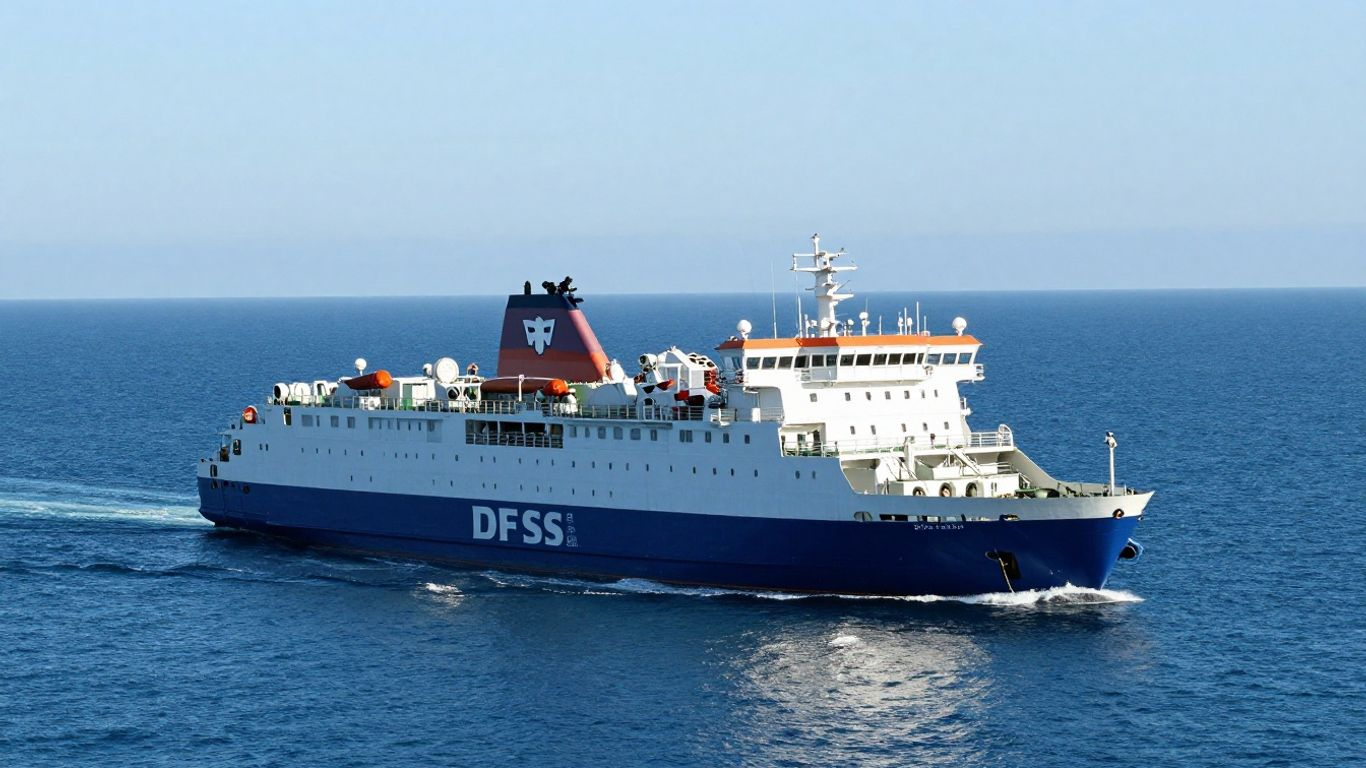
Thinking about shipping goods across Europe? Freight DFDS is a name you’ll likely come across. It’s a big player in the ferry and transport game, and for good reason. Whether you’re a business owner or just curious about how goods move around, understanding how Freight DFDS works can be pretty useful. This guide is here to break down what they do, how to use their services, and why they might be a good choice for your shipping needs. We’ll cover everything from planning your shipment to getting it to its destination.
Key Takeaways
- Freight DFDS offers a wide network of routes connecting various European countries, making it a solid choice for international transport.
- They handle a range of cargo types, so it’s worth checking if your specific goods fit their capabilities.
- Booking your shipment with Freight DFDS involves understanding their process, from initial quote to final confirmation.
- Proper preparation of your goods, including correct packaging and documentation, is vital for a smooth Freight DFDS journey.
- Choosing Freight DFDS can be a reliable and cost-effective method for moving your freight, with attention also paid to environmental factors.
Understanding Freight DFDS Services
So, you’re looking into shipping your goods with DFDS? It’s a pretty big operation, and getting a handle on what they actually do is the first step. They’ve got a whole network set up to move stuff, and it’s worth knowing the basics before you get started.
Overview of Freight DFDS Routes
DFDS operates a pretty extensive network of ferry routes, connecting various parts of Europe. Think of it like a spiderweb, but for cargo ships. They’ve got major lines running between the UK and mainland Europe, for instance, the popular Dover to Calais route is a big one. But it’s not just that; they also have services linking Scandinavia, the Baltics, and other key regions. Knowing which routes are available is key to figuring out the most direct and cost-effective way to get your goods where they need to go. It’s not just about getting from A to B, but doing it efficiently. They also offer freight forwarding services to help you manage the whole process, including customs clearance.
Types of Cargo Handled by Freight DFDS
What can you actually send with them? Well, it’s a wide range. They handle standard unitised cargo, like containers and trailers, which is probably the most common. But they also deal with bulk goods, project cargo, and even vehicles. If you’ve got something a bit unusual, it’s always best to check with them directly, but generally, if it can fit on a trailer or in a container, they’re likely equipped to move it. They’re set up for everything from everyday consumer goods to larger industrial equipment.
Booking Your Freight DFDS Shipment
Booking is usually done through their online portal or by speaking with a sales representative. You’ll need to provide details about your cargo, the origin and destination, and when you need it to arrive. They’ll then give you a quote based on the specifics. It’s a good idea to have all your information ready before you start the booking process. This includes:
- Type and dimensions of cargo
- Weight of the shipment
- Desired departure and arrival dates
- Any special handling requirements
Getting the booking right from the start saves a lot of hassle down the line. Double-checking all the details you provide is really important, as mistakes can lead to delays or extra charges. It’s better to be thorough now than to deal with problems later on.
Preparing Your Goods for Freight DFDS
Getting your shipment ready for its journey with Freight DFDS is pretty straightforward, but there are a few things you’ll want to get right. It’s all about making sure your goods arrive safely and without any hold-ups. Think of it as packing for a big trip – you wouldn’t just throw things in a bag, would you?
Packaging and Labelling Requirements
First off, how you pack your items really matters. You want to use sturdy packaging that can handle being moved around. For most shipments, this means strong boxes, pallets secured with shrink wrap, or containers that are built to last. Loose items or poorly packed boxes are just asking for trouble.
- Pallets: Make sure they are stable and shrink-wrapped tightly. Nothing should be overhanging the edges.
- Boxes: Use good quality cardboard and tape them up well. Don’t overfill them, as they can split.
- Loose Cargo: If you’re sending something that can’t be boxed or palletised, it needs to be secured properly to prevent movement.
Labelling is just as important. Each item or pallet needs a clear label with the destination address and any handling instructions. A clear, durable label is your shipment’s passport. This helps the DFDS team know exactly where it’s going and how to treat it. Missing or unclear labels can cause delays, and nobody wants that.
Documentation for International Shipments
When you’re shipping internationally, the paperwork can seem a bit daunting, but it’s really just about providing the right information. For Freight DFDS, you’ll typically need a commercial invoice, a packing list, and a bill of lading. The commercial invoice details the sale, the packing list itemises what’s in each package, and the bill of lading is the contract of carriage. Depending on the goods and the destination, you might also need certificates of origin or import/export licenses. It’s worth double-checking the specific requirements for your route, as customs procedures can vary.
Getting the documentation right from the start saves a lot of headaches later on. It’s better to have a bit of extra paperwork than to have your shipment held up at the border because something was missing or incorrect.
Customs Procedures with Freight DFDS
Dealing with customs is a standard part of international shipping. Freight DFDS works to make this as smooth as possible, but you, as the shipper, have a role to play. You’ll need to provide accurate customs declarations. This includes details about the goods, their value, and their origin. If you’re unsure about the process, especially for new routes or types of goods, it’s a good idea to speak with a customs broker or consult the DFDS customs information. They can help you understand tariffs, duties, and any specific regulations that apply to your shipment. Being prepared means your goods can pass through customs without unnecessary delays, getting them to their final destination quicker.
| Document Type | Purpose |
|---|---|
| Commercial Invoice | Details the transaction and value of goods. |
| Packing List | Lists contents of each package. |
| Bill of Lading | Contract of carriage and receipt. |
| Certificate of Origin | States where the goods were manufactured. |
Optimising Your Freight DFDS Experience
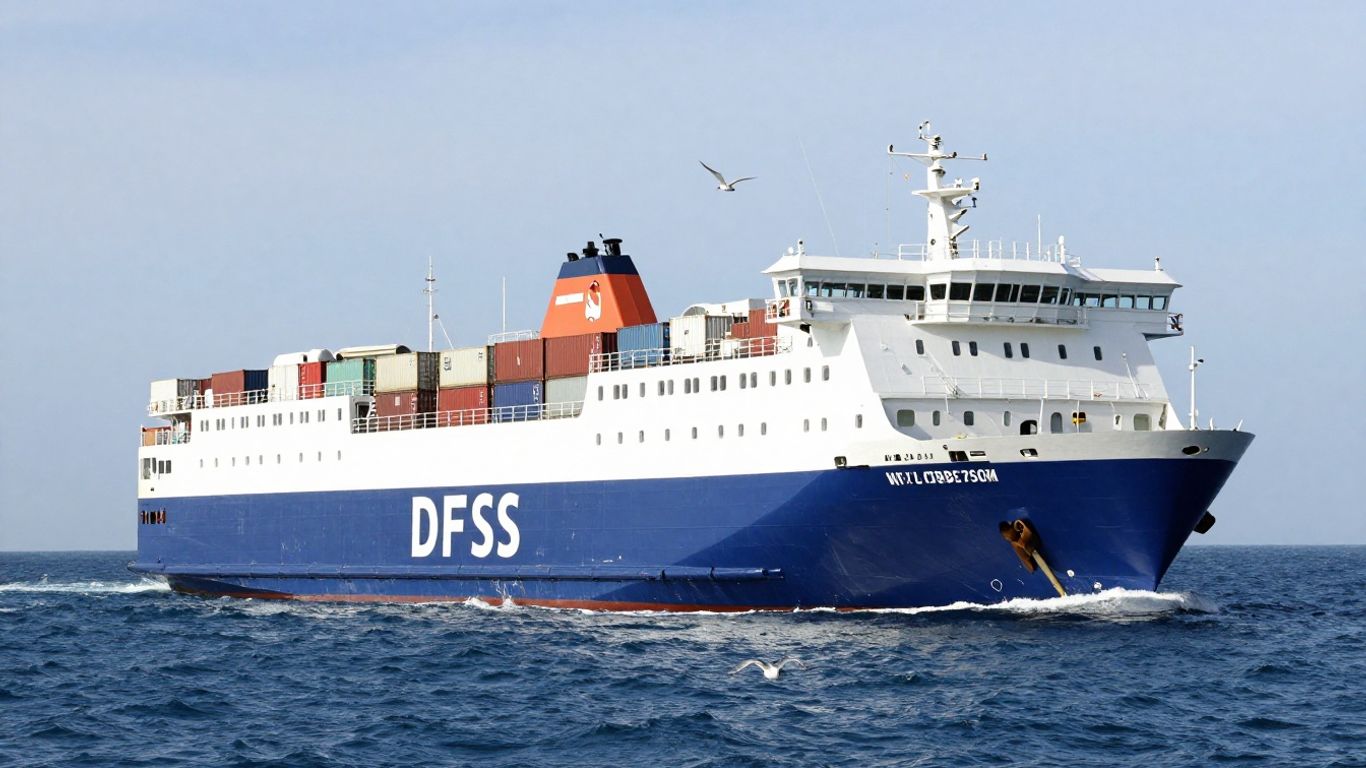
So, you’ve booked your shipment with Freight DFDS. That’s the first step done. Now, how do you make sure everything runs as smoothly as possible from start to finish? It’s all about being prepared and knowing what tools are at your disposal. Paying attention to the details can really make a difference.
Tracking Your Shipment with Freight DFDS
One of the best things about modern shipping is being able to see where your goods are. Freight DFDS provides ways to keep an eye on your cargo as it makes its way across the seas. You’ll usually get a tracking number when you book, which you can use on their website. This lets you see the status of your shipment, whether it’s at the port, on the ferry, or nearing its destination. It’s good to know this information, especially if you have tight deadlines or need to coordinate with the receiving party.
- Get your tracking number: This is usually provided at the time of booking or shortly after.
- Visit the DFDS tracking portal: Use the number to find your shipment’s current location.
- Understand the status updates: Familiarise yourself with what each status means (e.g., ‘In Transit’, ‘Arrived at Port’).
Customer Support for Freight DFDS Users
Sometimes, things don’t go exactly to plan, or you might just have a question. Freight DFDS has customer support teams ready to help. They can assist with a range of issues, from booking queries to problems with your shipment. It’s a good idea to have their contact details handy. They can often sort out problems quickly, saving you time and stress. Remember, they are there to help make your shipping experience better.
Don’t hesitate to reach out if you’re unsure about anything. A quick call or email can often clear up confusion and prevent bigger issues down the line. It’s better to ask than to guess when it comes to your freight.
Maximising Efficiency with Freight DFDS
To really get the most out of using Freight DFDS, think about how you can streamline the whole process. This involves a bit of planning ahead. For instance, making sure all your paperwork is in order before you need it can save a lot of hassle at the port. Also, understanding the different shipping options available might help you choose the most suitable and cost-effective method for your specific needs. Being organised is key to a smooth operation.
Here are a few tips:
- Prepare documentation in advance: Have all necessary bills of lading, customs forms, and any other required documents ready well before your shipment is due.
- Communicate clearly: Ensure clear communication with your transport partners, both at the origin and destination.
- Understand port procedures: Familiarise yourself with the specific procedures at the ports you are using, including drop-off and pick-up times.
By taking these steps, you can help ensure your goods move efficiently and without unnecessary delays, making your overall experience with Freight DFDS a positive one.
Key Freight DFDS Destinations and Hubs
Major Ports Served by Freight DFDS
Freight DFDS connects a good number of ports across Europe, making it a solid choice for moving goods. They’ve got a strong presence in the UK, with key ports like Dover and Immingham being really important. From the UK, you can easily get to places like France and the Netherlands. The Dover to Dunkirk ferry route is a good example, offering a slightly different option to the busier Calais crossing. On the continent, ports like Rotterdam, Amsterdam, and Ghent are major players in their network. It’s not just about the big names, though; they also serve smaller, strategic locations that help make the whole system work smoothly.
Connecting Europe via Freight DFDS
DFDS really shines when it comes to linking up different parts of Europe. Think of it like a spiderweb, with their ferries acting as the threads. They have regular services that make it simple to move cargo between the UK and mainland Europe, and then further into the continent. For instance, getting goods from the UK to Belgium or the Netherlands is pretty straightforward. The Dover to Calais route, while busy, is a workhorse for many businesses. They also have routes that go further afield, helping to connect Scandinavia with the rest of Europe. It’s this extensive network that really helps businesses get their products where they need to be without too much fuss.
Strategic Hubs for Freight DFDS Operations
Beyond just the ports, DFDS has developed several strategic hubs. These aren’t just places where ships dock; they’re centres for logistics and distribution. Think of places like Ghent in Belgium or Klaipeda in Lithuania. These hubs are well-connected by road and rail, meaning your cargo can be efficiently moved inland once it arrives by sea. This integration is key to making the whole transport process quicker and more reliable. They’ve put a lot of thought into where these hubs are located to make sure they serve the main trade lanes effectively.
Having a good understanding of these key locations and how they fit together can really help you plan your shipments more effectively. It’s about knowing the best starting and ending points for your goods.
Here’s a look at some of the main areas they cover:
- UK: Dover, Immingham, Felixstowe
- France: Calais, Dunkirk
- Netherlands: Rotterdam, IJmuiden
- Belgium: Ghent, Antwerp
- Scandinavia: Gothenburg, Oslo, Copenhagen
- Baltics: Klaipeda, Paldiski
The Benefits of Choosing Freight DFDS
So, why should you consider Freight DFDS for your shipping needs? It really comes down to a few key things that make a big difference when you’re moving goods.
Reliability of Freight DFDS Services
When you’ve got cargo to move, the last thing you want is uncertainty. DFDS has been around for a long time, and they’ve built a reputation for being dependable. Their extensive network means they can get your goods where they need to go, pretty much on schedule. They run a lot of services every day, so if one ship is delayed, there are usually others ready to pick up the slack. It’s not just about getting there, but getting there when you expect to. This consistency is a big deal for businesses that rely on timely deliveries to keep their own operations running smoothly. Think about it – if your stock doesn’t arrive, your customers can’t buy it, and that’s a problem.
Cost-Effectiveness of Freight DFDS
Let’s be honest, cost is always a factor. Shipping can get expensive quickly, but DFDS often provides a good balance between price and service. They have different options depending on what you’re sending and how quickly it needs to get there. For example, the Dover to Dunkirk ferry route is a popular choice for many businesses looking for a straightforward and reasonably priced way to cross the Channel. It’s often more economical than other methods, especially for bulkier items or when you’re not in a super rush. Plus, by consolidating your shipments or choosing the most efficient route, you can often save money in the long run. It’s about finding the smart way to ship, not just the cheapest.
Environmental Considerations with Freight DFDS
In today’s world, thinking about the planet is more important than ever. Shipping by sea is generally a greener option compared to flying goods, and DFDS is making efforts to be more environmentally friendly. They’re investing in newer, more efficient ships and looking at ways to reduce their emissions. Choosing sea freight means you’re already making a more sustainable choice for your supply chain. It’s good to know that while you’re getting your products moved efficiently, you’re also contributing to a lower carbon footprint.
When you’re choosing a shipping partner, it’s not just about the price tag. You need to think about how reliable they are, how much it all adds up to, and what kind of impact it has on the environment. DFDS ticks a lot of these boxes.
Here are some of the advantages:
- Regular Departures: Frequent sailings mean less waiting time.
- Network Reach: Access to many ports across Europe.
- Reduced Emissions: Sea freight is typically better for the environment than air freight.
- Onboard Services: For driver-accompanied freight, there are amenities to make the journey more comfortable.
Wrapping Up Your Freight Journey
So, that’s pretty much it for getting your goods from A to B with DFDS Freight. We’ve gone over what they do, how to book things, and what to watch out for. It’s not always the easiest thing, shipping stuff, but knowing the basics helps a lot. Hopefully, this guide has made it a bit clearer for you. Remember to check the details, pack well, and you should be good to go. Happy shipping!
Frequently Asked Questions
What kind of stuff can I send with Freight DFDS?
Freight DFDS can handle a wide range of goods, from everyday items and food to larger things like cars and building materials. If you’re unsure, it’s always best to check with them directly about your specific cargo.
How do I book a shipment with Freight DFDS?
Booking is usually done online through their website. You’ll need to provide details about your cargo, where it’s going, and when you need it to arrive. They often have a system where you can get a quote and then confirm your booking.
Do I need special boxes or labels?
Yes, generally your goods need to be packed securely to withstand the journey. Labels should be clear and show all the necessary information, like addresses and handling instructions. DFDS will have specific guidelines on their website to help you get this right.
What papers do I need for sending things overseas?
For international trips, you’ll need documents like a bill of lading (which is like a receipt and contract), invoices, and potentially customs declarations. The exact paperwork depends on where you’re sending your goods to and from.
Can I see where my shipment is?
Absolutely! Freight DFDS offers a tracking service, usually through their website. You’ll get a reference number for your shipment, which you can use to see its progress from start to finish.
Why should I pick Freight DFDS over other companies?
DFDS is known for being dependable, meaning your goods are likely to arrive on time. They often offer good prices, making it a smart choice for your budget. Plus, they’re working to be more eco-friendly in how they transport goods.