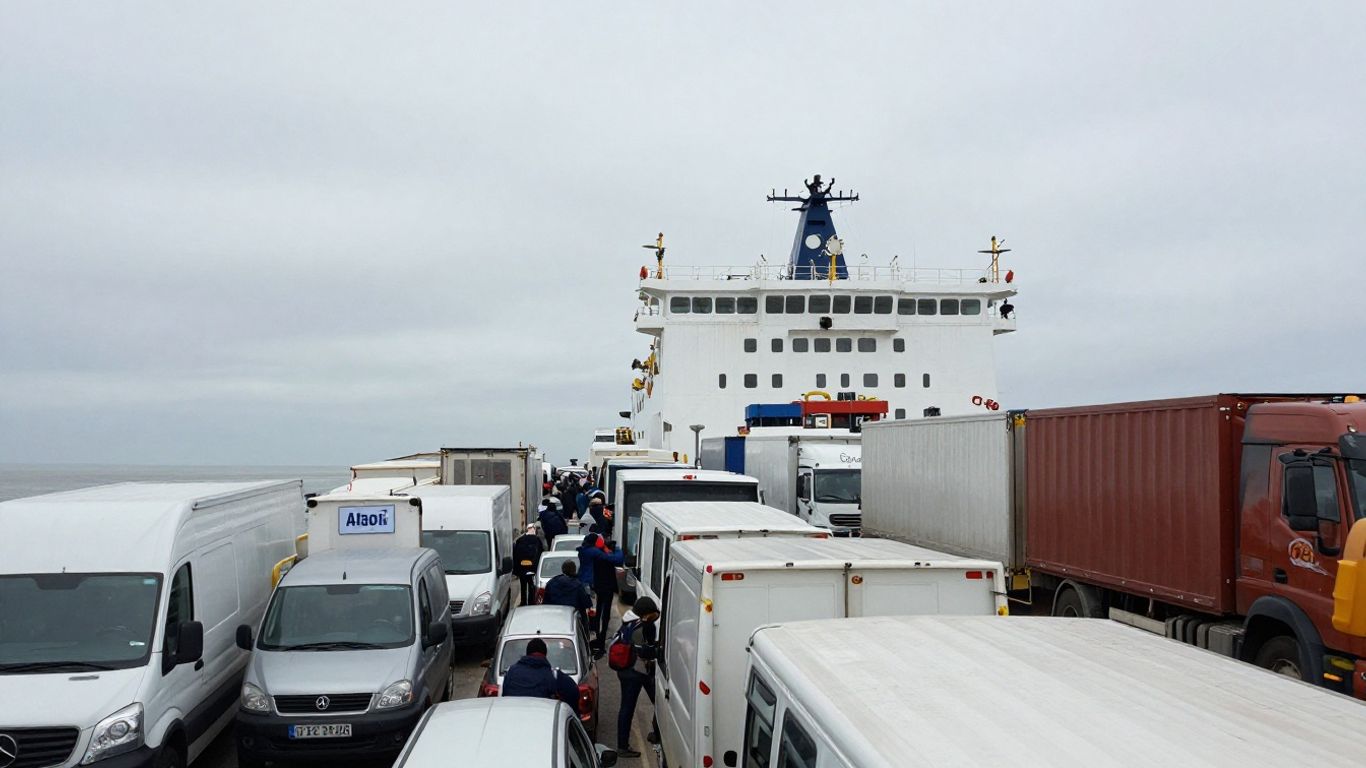
Planning a trip to or from the UK via Calais? You might have heard about the recent issues causing hold-ups. It’s a bit of a headache, honestly, and can really throw a spanner in the works for your travel plans. This article is here to give you the lowdown on what’s happening with delays at Calais, and more importantly, how you can get through it with as little fuss as possible. We’ll cover why things are slow, how to get ready, and what to do when you’re actually there. Let’s get you sorted.
Key Takeaways
- Understand the main reasons behind the current delays at Calais to be better prepared.
- Check all your paperwork well before you travel to avoid extra hold-ups.
- Consider travelling at less busy times and give yourself plenty of extra time.
- Look into alternative ways to cross the Channel if delays at Calais are severe.
- Stay updated on the latest news from official sources regarding delays at Calais.
Understanding the Current Delays at Calais
Right then, let’s get stuck into why Calais seems to be a bit of a bottleneck lately. It feels like every time you plan a trip across the Channel, there’s a new reason for things to be slow. It’s not just one thing, but a mix of factors causing the hold-ups.
Recent Causes of Congestion
There have been a few things popping up that are making the queues longer. For starters, there’s the ongoing situation with new EU border technology. While they keep talking about rolling out things like the Entry/Exit System (EES), it’s been a bit of a stop-start affair. This system is meant to make checks smoother in the long run, but right now, it’s causing confusion and extra time at the booths. We’ve seen reports that these new biometric border checks, which were supposed to be in place at places like Dover and the Eurotunnel, have been pushed back again. It’s a bit of a relief for travellers in the immediate sense, but it also means the system isn’t quite ready yet, adding to the uncertainty.
Beyond the tech side of things, you’ve also got the usual suspects. Increased traffic volumes, especially during peak holiday periods or around major events in France, can quickly overwhelm the system. Add to that any industrial action or unexpected staffing issues at the port or terminal, and you’ve got a recipe for delays.
Impact on Ferry and Eurotunnel Services
When things get backed up at Calais, it doesn’t just affect cars. Both the ferry companies and Eurotunnel Le Shuttle feel the pinch. Ferries might have to wait longer to dock or depart, leading to knock-on delays for subsequent sailings. This can mean your booked 90-minute crossing turns into a much longer affair, especially when you factor in getting to and from the terminal.
For Eurotunnel, while they generally have a more controlled environment, significant queues on the approach roads can still impact the flow of vehicles getting to the check-in booths. It means that even if your train is running on time, getting to it might take longer than you’d planned.
Anticipating Future Disruptions
Looking ahead, it’s hard to say exactly what will happen. The EU’s new Entry/Exit System (EES) is still on the horizon, and when it does finally get implemented properly, it’s likely to cause some initial teething problems. Travellers are being advised to allow extra time for border crossings, and it’s probably wise to do just that when heading to Calais.
We might also see more delays if there are further changes to border control procedures or if security alerts lead to increased checks. It’s a bit of a waiting game to see how these systems bed in and what other unforeseen issues might crop up.
It’s always a bit of a gamble when you’re travelling through Calais. You hope for the best, but you’ve got to be prepared for things not going exactly to plan. A bit of patience and a good book usually do the trick for me.
Preparing for Your Journey Amidst Delays at Calais
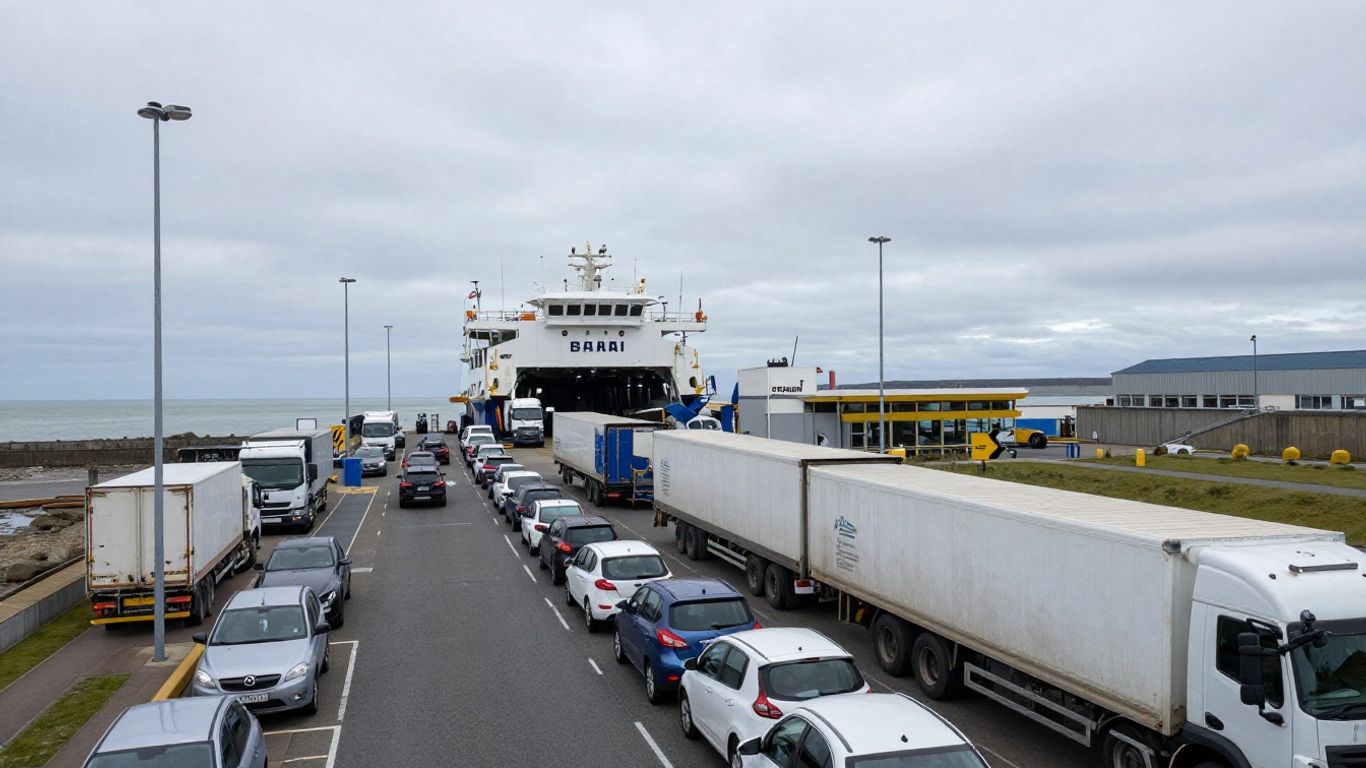
Right, so you’re heading over to France, or maybe coming back, and you’ve heard about the queues at Calais. It’s not ideal, is it? But a bit of planning can make a world of difference. Getting your paperwork sorted before you even leave the house is the biggest thing you can do. It sounds simple, but trust me, fumbling for documents when you’re already stressed is the last thing you need.
Essential Documentation Checks
First things first, passports. Make sure everyone’s passport is valid and has enough time left on it. For France, you generally need at least three months validity beyond your intended stay, and it should have been issued within the last 10 years. Don’t forget your driving licence if you’re planning on driving, and your vehicle’s V5C logbook. If you’re taking a pet, you’ll need their pet passport or health certificate, which needs to be sorted well in advance. It’s also worth double-checking any specific entry requirements for France that might have changed recently, especially with the EES system being a bit of a moving target. France has delayed the implementation of biometric EES checks at border crossings facing the UK, so for now, manual passport stamping is still the order of the day. This means you’ll still need to present your physical passport, so have it ready. To speed things up at passport control, have your passport open to the photo page and remove any hats or sunglasses. These simple steps help expedite the process for everyone.
Recommended Travel Times
When should you aim to get to the port or terminal? This is where it gets a bit tricky with the current situation. While it used to be a case of ‘turn up an hour before’, that’s probably not enough anymore. For ferries, aiming for at least two to three hours before your scheduled departure is a sensible shout. For Eurotunnel, it’s often a bit quicker once you’re through check-in, but the initial queues can be long, so give yourself plenty of buffer time. It’s a bit of a gamble, but better to be waiting around for a bit than to miss your crossing entirely. Check the operator’s website before you travel for their most up-to-date recommendations.
Alternative Routes and Modes of Transport
If the thought of the Calais queues is just too much, or if you’re running late, what are your options? Well, you could consider other ferry ports. Dunkirk is often a good alternative, though it can also get busy. If you’re heading further south in France, then ports like Dieppe or Le Havre might be worth looking into, though these are longer ferry journeys. For those who absolutely cannot face the ferry or tunnel, flying is an option, but that obviously means getting to and from airports, which has its own set of stresses. It really depends on where you’re going in France and how much luggage you have. Sometimes, just accepting the potential wait and planning for it is the easiest way forward.
The key is to be prepared for the worst but hope for the best. Having all your documents in order and knowing what to expect can significantly reduce your stress levels, even if the queues themselves are unavoidable.
Tips for Minimising Your Wait
Right, so you’re heading to Calais and you’ve heard about the queues. Nobody likes waiting around, do they? Especially when you’ve got places to be. Luckily, there are a few things you can do to make the whole process a bit smoother. Being prepared is half the battle.
Booking in Advance
This might sound obvious, but seriously, book your ferry or Eurotunnel crossing well ahead of time. Last-minute bookings are almost always more expensive and, more importantly, you’re more likely to hit peak times when everyone else is trying to get across. Think about it – if you leave your booking until the day before, you’re probably going to be travelling with the biggest crowds. It’s like trying to get on the last train home on a Saturday night; it’s just going to be packed.
Arriving Early at the Port
This is a big one. While you don’t want to be too early and end up sitting around for hours, turning up a bit before your scheduled departure is a good idea. For ferries, aim for at least an hour and a half before, maybe even two if it’s a busy period. For Eurotunnel, check their recommended arrival times, but generally, arriving a bit earlier than strictly necessary can mean you get through the initial checks before the main rush hits. It gives you a buffer if anything unexpected pops up. It’s better than being stuck in traffic miles away and missing your slot entirely.
Staying Informed on Traffic Updates
Things change, don’t they? Roadworks pop up, accidents happen, and suddenly that clear run you were expecting turns into a standstill. Keep an eye on traffic apps and local radio stations for updates on the roads leading to the port. Knowing about a problem before you get stuck in it can save you a lot of stress and time. Sometimes, a slight detour can save you an hour. You can also check the official websites for P&O Ferries or DFDS Seaways, and of course, Eurotunnel Le Shuttle for any specific port or service updates. It’s worth downloading their apps if they have them.
The key is to build a little bit of wiggle room into your schedule. Rushing to the port only adds to the stress if something goes wrong. A relaxed approach, even with potential delays, makes the journey much more pleasant.
What to Expect When You Arrive
Right, so you’ve made it to the French side, or at least the staging area for your crossing. It’s not always a walk in the park, especially when things are busy. Here’s a breakdown of what you’re likely to encounter.
Navigating the Ferry Terminal
If you’re heading for the ferry, the process can feel a bit like a well-oiled machine, or sometimes, a bit of a scrum. You’ll typically follow signs for your specific ferry operator. The key is to have your booking reference and passports ready from the get-go.
- Check-in Booths: This is where your booking is confirmed and your vehicle checked. They’ll scan your ticket and often give you a sticker for your car.
- Holding Pens: After check-in, you’ll be directed to a holding area. Depending on how busy it is, you might be waiting here for a while. It’s a good time to use the facilities or grab a quick drink.
- Boarding: When it’s time, you’ll be guided onto the ferry. Follow the instructions from the port staff carefully, especially if you’re in a larger vehicle.
Remember that post-Brexit rules mean you’ll need to present your passport and any other required travel documents at the French border control before you even get to the ferry check-in. This is a significant change from previous travel.
The Eurotunnel Experience
For those opting for the Eurotunnel Le Shuttle, it’s a bit more streamlined, especially for cars. You drive straight through.
- Ticket Checks: You’ll pass through automated barriers using your booking reference or a barcode.
- Pet Reception (if applicable): If you’re travelling with pets, there’s a dedicated area to get them checked and their paperwork verified.
- Border Control: This is done before you board the train. You’ll drive through booths where French immigration officers will check your passports and visas (if needed).
- Waiting Area: Once through border control, you’ll join a queue of cars waiting to board the train. You stay in your vehicle for the entire journey.
Customs and Border Control Procedures
This is where things can get a bit more involved, depending on what you’re carrying and the current security climate. For UK travellers heading to France, you’ll go through French border control. For those returning to the UK, you’ll go through UK border control.
- Passport Checks: This is standard for everyone. Make sure all your documents are in order, especially with the new EES system potentially coming into play (though its implementation has been postponed).
- Vehicle Searches: Random checks can happen. It’s wise to be aware of what’s in your car and that you’re not carrying anything prohibited.
- Baggage Scans: Sometimes, especially if you’re travelling as a foot passenger on the ferry, your luggage might be scanned.
It’s always a good idea to check the latest travel advice for France before you set off, just to be absolutely sure you’ve got everything covered.
Managing Your Trip with Delays at Calais
Right, so you’re stuck at Calais, and the queues are looking a bit grim. It’s not ideal, is it? But don’t let it spoil your trip. A bit of planning can make a world of difference when you’re facing a longer-than-expected wait.
Keeping Children Entertained
If you’ve got little ones in the car, a long delay can be a real test of patience. Having a few tricks up your sleeve is key.
- Activity Packs: Pack colouring books, crayons, sticker books, or even a travel-sized board game. Anything to keep their hands and minds busy.
- Screen Time: Load up tablets or phones with their favourite films, shows, or games. Just remember to pack chargers or a power bank!
- I-Spy: A classic for a reason. Make it more interesting by creating a list of things to spot around the port or on other vehicles.
- Story Time: Bring along some favourite books or make up your own stories together. It’s a great way to pass the time and create memories.
Snacks and Refreshments
Don’t get caught out with rumbling tummies. Being prepared with food and drinks can make a huge difference to everyone’s mood.
- Plenty of Water: Staying hydrated is important, especially if the car is warm.
- Easy-to-Eat Snacks: Think fruit, biscuits, crisps, and sandwiches. Avoid anything too messy!
- Treats: A few special treats can go a long way to making a delay feel a bit more bearable.
Comfort and Facilities Available
While you’re waiting, comfort is paramount. If you’re in the car for a long time, it’s good to know what to expect.
Sometimes, the best thing you can do is just accept the situation. Getting frustrated won’t make the queue move any faster. Take a deep breath, put on some music, and try to make the best of it. Remember, you’re on your way to somewhere new, and this is just a temporary hurdle.
If you’re using the ferry, check out the onboard facilities information, as some of these might be accessible even before you board, depending on the specific port arrangements. For those using the Eurotunnel, while the experience is different, knowing about the operational status can help manage expectations about how long you might be stationary.
Official Advice on Delays at Calais
When you’re planning a trip across the Channel, especially through Calais, it’s always a good idea to check what the official sources are saying. Things can change pretty quickly, and knowing where to look can save you a lot of hassle.
Government Travel Advisories
The UK government often puts out advice for travellers heading abroad. They’ll usually highlight any known issues at border crossings or specific countries. For Calais, this might include warnings about potential queues or changes to border procedures. It’s worth checking the Foreign, Commonwealth & Development Office (FCDO) website before you leave for any alerts that might affect your journey.
Sometimes, new rules or unexpected events can cause hold-ups. The government’s role is to give you a heads-up so you can prepare as best you can. They can’t stop the delays, but they can help you be aware of them.
Information from Ferry Operators
If you’re planning to take the ferry, the companies themselves are a great source of real-time information. Operators like P&O Ferries and DFDS Seaways will often post updates on their websites or social media channels about current waiting times or any disruptions. They want your journey to be as smooth as possible, so they’re usually pretty good at keeping passengers informed. You can often find live updates on their Dover to Calais ferry route pages.
Here’s what you might expect:
- Live Queue Times: Some operators provide estimated waiting times at the port.
- Service Updates: Information on any delays to sailings or cancellations.
- Port Information: Details about check-in procedures and what to do on arrival.
Updates from Eurotunnel Le Shuttle
For those travelling with Eurotunnel Le Shuttle, their dedicated channels are your best bet for the latest news. They’ll have information specific to the shuttle service, including any impacts on departure or arrival times. Like the ferry companies, they usually have a section on their website for travel updates and often use social media to broadcast urgent information. The Eurotunnel Le Shuttle service is a popular choice, and they aim to keep passengers informed about any significant hold-ups.
So, What’s the Takeaway?
Right then, it’s clear that heading over to France via Calais isn’t quite as straightforward as it used to be. The delays seem to be a bit of a recurring theme lately, and it’s definitely worth keeping an eye on the latest updates before you set off. Packing a bit of extra patience, maybe a good book, and checking traffic reports religiously seems like the sensible approach. Hopefully, things will smooth out soon, but for now, a bit of planning goes a long way to making sure your trip doesn’t get off to a stressful start. Safe travels, everyone!
Frequently Asked Questions
Why is Calais port so busy right now?
Sometimes, lots of people want to travel at the same time, or there might be fewer staff, or even unexpected problems like strikes or bad weather. These things can cause traffic jams and long waits.
How much longer will I have to wait at Calais?
It’s hard to say exactly when things will get better. Delays can change quickly. The best thing to do is check the latest news from the ferry companies or Eurotunnel before you leave.
Can I use a different way to get to France instead of Calais?
Yes, you might be able to! You could try other ports like Dover to Dunkirk, or even fly or take a train. Sometimes these can be quicker if Calais is really busy.
What should I bring with me if I’m going to be waiting a while?
It’s a good idea to pack snacks, drinks, and things to keep you busy, like books or games, especially if you have kids. Make sure you have all your travel documents ready too.
How do I find out about delays before I travel?
You can check the websites of the ferry companies (like P&O Ferries or DFDS) or Eurotunnel Le Shuttle. They often have live updates. Also, look at UK government travel advice websites.
What happens if my ferry or train is cancelled?
If your journey is cancelled, the ferry company or Eurotunnel should tell you what to do next. They might offer you a different time, a different route, or a refund. Keep your booking details safe.