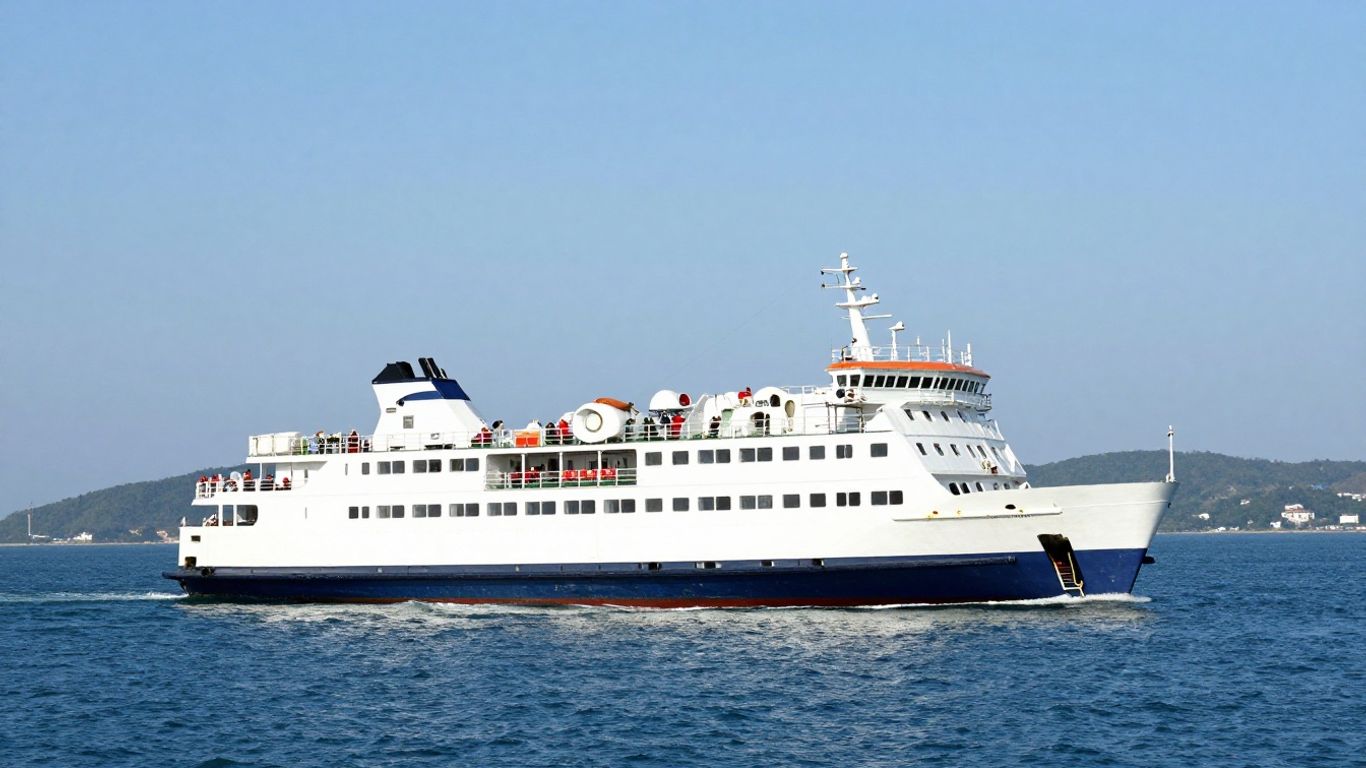
Thinking about a trip from England to Germany without flying? A ferry trip might be just the ticket. It’s a bit different from hopping on a plane, offering a chance to see the sea and relax a bit before you get to your destination. This guide is here to help you figure out the whole process, from booking your ticket to what to expect when you get off the boat in Germany. We’ll cover all the bits you need to know for your ferry from England to Germany.
Key Takeaways
- Plan your ferry from England to Germany by looking at different routes and booking ahead, especially during busy times.
- Pack smart for the ferry trip, remembering any documents you need and getting your car ready if you’re taking it.
- Make the most of your time on the ferry by checking out the facilities, food options, and ways to relax.
- Understand what happens when you arrive in Germany, including getting off the ferry and finding your way from the port.
- Consider other ways to travel, like the Eurotunnel or driving through Europe, if a ferry isn’t quite right for you.
Planning Your Ferry from England to Germany
So, you’re thinking about taking the ferry from England to Germany? It’s a bit of an adventure, and honestly, a really nice way to travel if you’ve got the time. Forget the rush of airports; this is more about the journey itself. But before you start dreaming of German pastries, there’s a bit of planning to do. Getting this bit right makes the whole trip much smoother.
Choosing the Right Ferry Route
This is probably the most important decision you’ll make. There isn’t a direct ferry from England straight into Germany. Nope, you’ll need to go via another country, usually France or the Netherlands. The most common way is to take a short hop across the Channel to France, and then drive through France and Belgium (or the Netherlands) to reach Germany. The Dover to Calais ferry is a classic for a reason – it’s quick, frequent, and gets you onto the continent fast. From Calais, you’ve got a decent drive ahead of you, but it’s manageable. Alternatively, you could look at ferries from, say, Harwich to the Hook of Holland. This gets you further north, potentially cutting down your driving time once you’re in mainland Europe, depending on where in Germany you’re headed. It’s a longer sea crossing, though, so think about what suits you best.
Booking Your Ferry Ticket
Once you’ve picked your route, it’s time to book. Websites for ferry companies like P&O, DFDS, and Stena Line are your best bet. You’ll need to know your travel dates, how many people are travelling, and if you’re taking a vehicle – car, motorbike, campervan, the lot. Prices can change quite a bit, especially during peak season or holidays, so booking in advance is usually a good idea. Sometimes, you can find deals if you’re flexible with your travel times. Keep an eye out for special offers, too.
- Vehicle Type: Make sure you select the correct size and type of vehicle. This affects the price and the space allocated on the ferry.
- Number of Passengers: Include everyone travelling, including children.
- Cabin vs. Seat: For longer journeys, especially overnight ones, consider booking a cabin. It’s more comfortable than trying to sleep in a reclining seat.
- Add-ons: Think about meals or other extras you might want to pre-book.
Understanding Ferry Schedules
Ferry schedules aren’t like train timetables; they can change. Things like the weather can cause delays or cancellations, though it’s not super common. The number of sailings can also vary depending on the time of year. For example, there are approximately 67 daily ferry sailings to Germany, but this figure can fluctuate. It’s always wise to check the ferry company’s website a day or two before you travel for any updates. If you’re travelling overnight, you’ll want to know the departure and arrival times precisely so you can plan your onward journey.
Planning ahead is key. Don’t leave booking your ferry ticket until the last minute, especially if you’re travelling with a car during busy periods like school holidays or bank holidays. You might find yourself with limited options or paying a premium.
Preparing for Your Ferry Journey
So, you’ve picked your route and booked your ticket – brilliant! Now comes the part where you get everything ready for the actual trip. It’s not complicated, but a bit of forethought can make things much smoother.
What to Pack for a Ferry Trip
Packing for a ferry trip is a bit like packing for any holiday, but with a few ferry-specific bits to think about. You’ll want to have your essentials easily accessible, not buried deep in your main luggage. Think about things you might need during the crossing, like a good book, headphones, or any medication.
- Travel Documents: Passport, booking confirmation, driving licence (if driving), and any other ID. Keep these handy!
- Comfort Items: A neck pillow, a blanket, or comfy clothes for the journey.
- Entertainment: Books, magazines, downloaded movies, or games.
- Snacks and Drinks: While there are places to buy food, having your own can save money and give you options.
- Toiletries: A small bag with essentials like toothbrush, toothpaste, and any personal items.
Documents Required for Travel
This is super important. Without the right paperwork, you won’t be getting on that ferry. Always double-check the specific requirements for your chosen route and destination. Generally, you’ll need:
- Passport: Make sure it’s valid for at least six months beyond your intended stay.
- Ferry Ticket/Booking Confirmation: Have this ready to show.
- Driving Licence: If you’re taking a car, your licence is a must.
- Vehicle Documents: This includes your V5C (logbook) if you own the car, or hire car documentation if you’re renting. You might also need your insurance details.
It’s a good idea to make photocopies or take photos of all your important documents. Store them separately from the originals, just in case.
Preparing Your Vehicle for the Ferry
If you’re taking your car, there are a few things to do before you get to the port. It’s not just about having the right paperwork, though that’s a big part of it. You want your car to be in good shape for the journey and for driving on the other side.
- Check Fluids: Make sure your oil, coolant, and screenwash are topped up.
- Tyre Pressure: Check your tyres are inflated to the correct pressure, especially if you’ll be carrying a lot of luggage.
- Fuel: Start with a decent amount of fuel. You don’t want to be running on fumes when you disembark.
- Cleanliness: Give your car a quick clean, inside and out. It’s a nice way to start your trip.
Remember to check the specific rules for your ferry operator regarding vehicle preparation. Some might have restrictions on what you can leave inside your car during the crossing. For example, the Dover to Calais ferry route has specific guidelines you should follow.
Onboard Experience During Your Ferry Crossing
So, you’ve booked your ferry and you’re ready to set sail from England to Germany. What’s it actually like on board? Well, it’s not quite like a cruise ship, but it’s certainly more comfortable than you might imagine. Most ferries on this route are pretty modern and have a decent range of facilities to keep you occupied during the crossing.
Onboard Facilities and Amenities
Ferries are basically floating hotels, and the ones crossing the Channel and North Sea are no exception. You’ll find places to sit, relax, and even grab a bite. Most have:
- Shops: Usually selling essentials, souvenirs, and maybe some duty-free items. Don’t expect a huge department store, but handy for forgotten toiletries or a holiday read.
- Lounges: Comfortable seating areas, often with views out to sea. Some have quieter zones if you just want to read or nap.
- Toilets: Clean and accessible, spread throughout the ferry.
- Wi-Fi: This can be a bit hit-and-miss, and often comes with a charge. It’s worth checking the ferry operator’s policy beforehand if you need to stay connected.
The most important thing is to find a comfortable spot early on, especially if you’re travelling during peak times.
Dining Options on the Ferry
Food is a big part of any journey, right? Ferry dining is usually pretty straightforward. You’ll typically find a main restaurant or buffet area, and often a more casual café or bar.
- Buffet Restaurant: This is common on longer routes. You pay a set price and can usually help yourself to as much as you like from a selection of hot and cold dishes. Think roast dinners, pasta, salads, and desserts. It’s a good way to get a filling meal.
- Café/Bar: For lighter snacks, sandwiches, pastries, coffee, and alcoholic drinks. This is usually a more budget-friendly option if you don’t want a full meal.
Prices can be a bit higher than on land, so it’s worth considering bringing some of your own snacks, especially if you’re travelling with kids. Remember to check if your ticket includes any meals, though this is rare for standard passenger bookings.
Entertainment and Relaxation at Sea
Don’t expect West End shows, but there are ways to pass the time. Many ferries have:
- Children’s Play Areas: If you’re travelling with little ones, these can be a lifesaver. They’re usually basic but give kids a space to burn off some energy.
- Sky TV/Screens: You might find screens in the lounge areas showing news or sports. It’s not a cinema, but it’s something to watch.
- Quiet Zones: As mentioned, some ferries have designated quiet areas, perfect for reading or just enjoying the peace.
While the journey might not be packed with activities, it’s a great chance to disconnect. Take the opportunity to read that book you’ve been meaning to get to, listen to a podcast, or simply gaze out at the water. It’s a different pace of travel, and that’s part of the appeal. You’ll need your passport and booking confirmation for check-in, so keep those handy. Arrive at the terminal with plenty of time to spare.
Arriving in Germany by Ferry
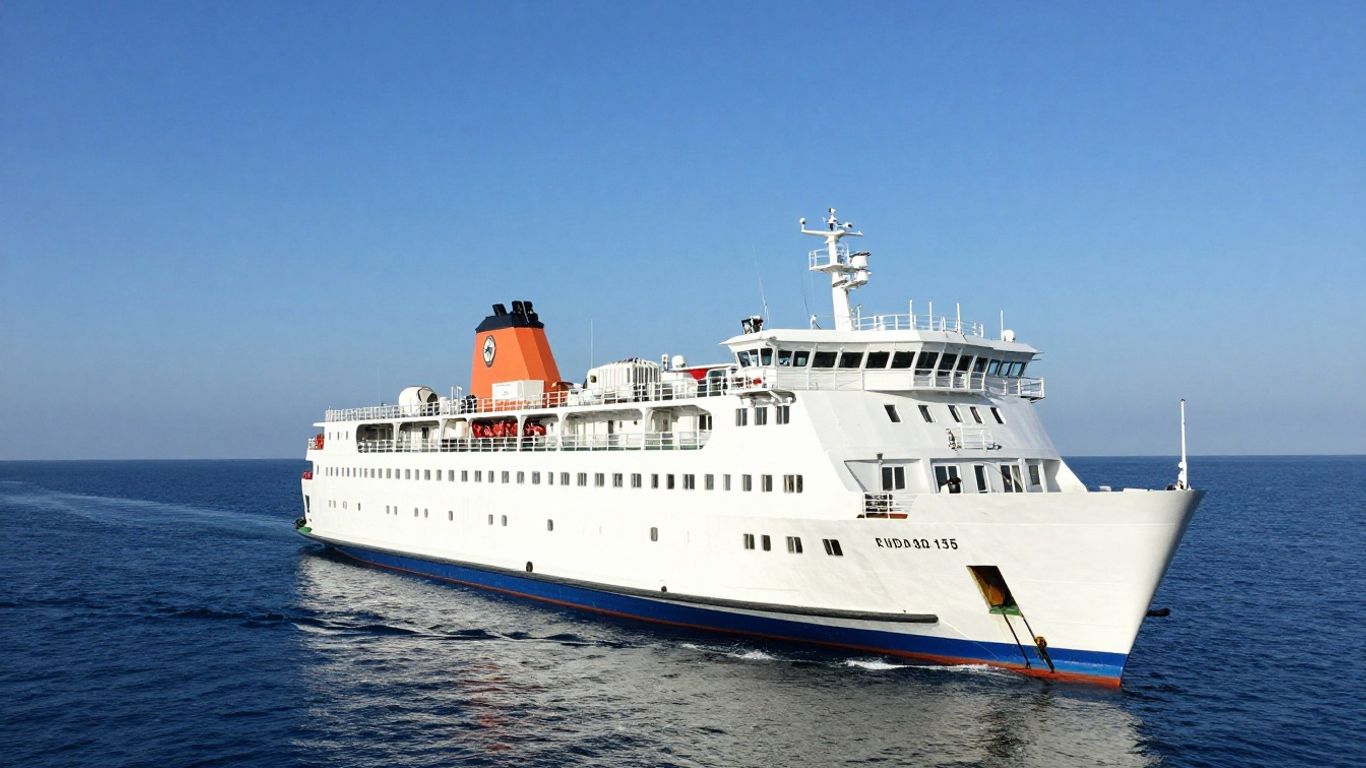
So, you’ve spent a good chunk of time at sea, maybe even had a decent kip, and now the German coastline is coming into view. It’s a bit of a different feeling to flying in, isn’t it? More gradual, more real. The disembarkation process is usually pretty straightforward, but it’s good to know what to expect.
Disembarking Procedures
Once the ferry docks, there’s a bit of a waiting game. The crew will announce when it’s time to head back to your vehicle if you’ve brought one, or to the passenger decks if you’re on foot. They usually let vehicles off deck by deck, starting from the front. It can feel a bit slow, especially if you’re eager to get going, but patience is key. Make sure you’ve got all your belongings together before you get to the car deck, or if you’re a foot passenger, have your bags ready to go.
- Listen carefully for announcements from the ferry crew.
- Have your travel documents (passport, any visas) easily accessible.
- If you’re in a vehicle, follow the directions of the crew for exiting the ferry.
- If you’re a foot passenger, make your way to the designated disembarkation area.
Navigating German Ports
Most major German ports where ferries arrive, like Kiel or Hamburg, are well-equipped. You’ll find clear signage, though it’s mostly in German, obviously. Don’t panic if your German isn’t up to scratch; most signs will have international symbols too. If you’re driving, follow the signs for ‘Ausfahrt’ (exit) or specific onward travel routes. Public transport links are usually available right at the port, with buses and sometimes trains connecting you to the city centre or further afield. It’s worth checking the port’s website beforehand if you want to be super organised.
It’s always a good idea to have a basic map of the port area or your destination city downloaded onto your phone, just in case mobile signal is patchy or you prefer to go offline.
Continuing Your Journey from the Port
Once you’re through the port, your German adventure truly begins. If you’ve driven, you’ll be joining the German road network, which is generally excellent. Remember, the speed limits can be different to what you’re used to, and while the Autobahn famously has sections with no limit, many parts do. If you’re relying on public transport, look for train stations or bus stops. Germany has a fantastic rail network, so catching a train to your next destination is often a very pleasant experience. You can usually buy tickets at the station or sometimes on the bus. For longer distances, booking train tickets in advance can sometimes save you a bit of money.
- Driving: Familiarise yourself with German road signs and speed limits. Consider purchasing a vignette if you plan on using certain motorways in neighbouring countries.
- Public Transport: Check timetables for buses and trains. Apps like DB Navigator are really useful for planning train journeys across Germany.
- Taxis/Ride-Sharing: These are available at most ports, but can be more expensive than public transport options.
Alternative Travel Options to Consider
So, you’re thinking about heading from England to Germany, and the ferry is on your mind. That’s great! But what if it’s not quite the right fit for you? Don’t worry, there are other ways to make this trip. It’s always good to know your options, right?
Flying vs. Ferry: A Comparison
Let’s be honest, flying is usually the quickest way to get from A to B. You can be in Germany in a couple of hours, assuming everything runs smoothly. It’s often pretty straightforward, especially if you’re just travelling with hand luggage. However, you’ve got to factor in getting to and from the airports, which can add a good chunk of time and cost. Plus, there’s the whole security hassle and the potential for delays.
Ferries, on the other hand, take longer, obviously. But they can be a lot more relaxed. You can take your car, which is a big plus for many people, and you don’t have to worry about luggage restrictions in the same way. It feels a bit more like a mini-holiday before you even get there.
Here’s a quick look:
| Travel Method | Typical Journey Time (Total) | Cost Considerations | Vehicle Transport | Baggage Allowance | Vibe |
|---|---|---|---|---|---|
| Flying | 4-6 hours | Can be cheap if booked early, but add airport transfers | Not applicable | Strict limits | Fast-paced, can be stressful |
| Ferry | 12-24+ hours | Varies, can be cost-effective for groups/cars | Yes | Generous | Relaxed, scenic |
When you’re weighing up flying versus the ferry, think about what’s most important for your trip. Is it speed, cost, convenience with your car, or just the experience of travelling itself? Sometimes the cheapest flight isn’t the best value when you add everything up.
Eurotunnel as Another Option
Another popular choice, especially if you’re taking your car, is the Eurotunnel. This is basically a train that goes under the English Channel. It’s super quick – the actual crossing takes about 35 minutes. You stay in your vehicle the whole time, which is pretty neat. It’s a bit like driving through a tunnel, but on a train.
From Folkestone in England, you arrive in Calais, France. From there, it’s a straightforward drive through France and Belgium to get to Germany. It’s a good middle ground between the speed of flying and the more leisurely pace of a ferry. You avoid the sea sickness potential too, which is a bonus for some!
Driving Through Europe
Of course, you could just drive the whole way. This gives you the ultimate freedom. You can stop wherever you fancy, explore little towns, and really make the journey part of your holiday. It’s a fantastic way to see more of Europe.
However, it’s also the longest option and can be quite tiring, especially if you’re doing it solo. You’ll need to consider fuel costs, potential overnight stops, and tolls in different countries. If you’re looking for an adventure and have the time, driving is brilliant. For a quicker trip, you might want to combine it with the Eurotunnel or a ferry crossing.
There are loads of ways to get to Germany from England, and each has its own pros and cons. Think about what kind of trip you want, and pick the one that suits you best!
So, is it worth it?
Right then, so we’ve gone through the whole ferry trip from England to Germany. It’s not exactly a quick hop, is it? You’ve got to be prepared for a bit of a journey, but honestly, it can be a really nice way to travel if you’ve got the time. Forget the stress of airports and all that rushing about. You can just sit back, watch the sea, maybe grab a bite to eat. It’s a different pace, and for some people, that’s exactly what they’re looking for. Just make sure you book ahead, especially if you’re taking a car, and pack a good book. Enjoy the ride!
Frequently Asked Questions
Can I actually take a ferry straight from England to Germany?
Unfortunately, there aren’t any direct ferry routes that go straight from England to Germany these days. You’ll usually need to take a ferry to a country like France or the Netherlands first, and then either drive or take another ferry from there to Germany.
How long does the ferry journey take?
The length of the ferry trip can vary a lot. If you’re going to a nearby country like France, it might only take a few hours. But if you’re travelling to the Netherlands or further, it could be an overnight journey, lasting around 10-18 hours, sometimes even longer depending on the exact route and ferry company.
How much does a ferry ticket usually cost?
Ticket prices change depending on when you book, the time of year, and if you’re taking a car. Booking in advance is usually cheaper. For a foot passenger, it could be around £50-£150 for a one-way trip to a nearby country, but prices go up if you add a car or choose a longer route.
What should I bring with me on the ferry?
It’s a good idea to pack comfortable clothes, especially if it’s an overnight trip. Bring snacks and drinks, as onboard food can be pricey. Don’t forget any entertainment like books or a tablet. If you’re taking your car, make sure you have all your driving documents ready.
Do I need a passport to travel by ferry to Germany?
Yes, you absolutely will need a valid passport. Even though you’re travelling within Europe, the UK is no longer part of the EU, so passports are required for all travellers entering Germany from the UK.
What’s the best way to get from the German ferry port to my final destination?
Once you arrive, most ports have good connections. You can usually find taxis, buses, or train stations nearby. If you’ve brought your car, you can simply drive. It’s worth checking the public transport options for your specific arrival port before you travel.