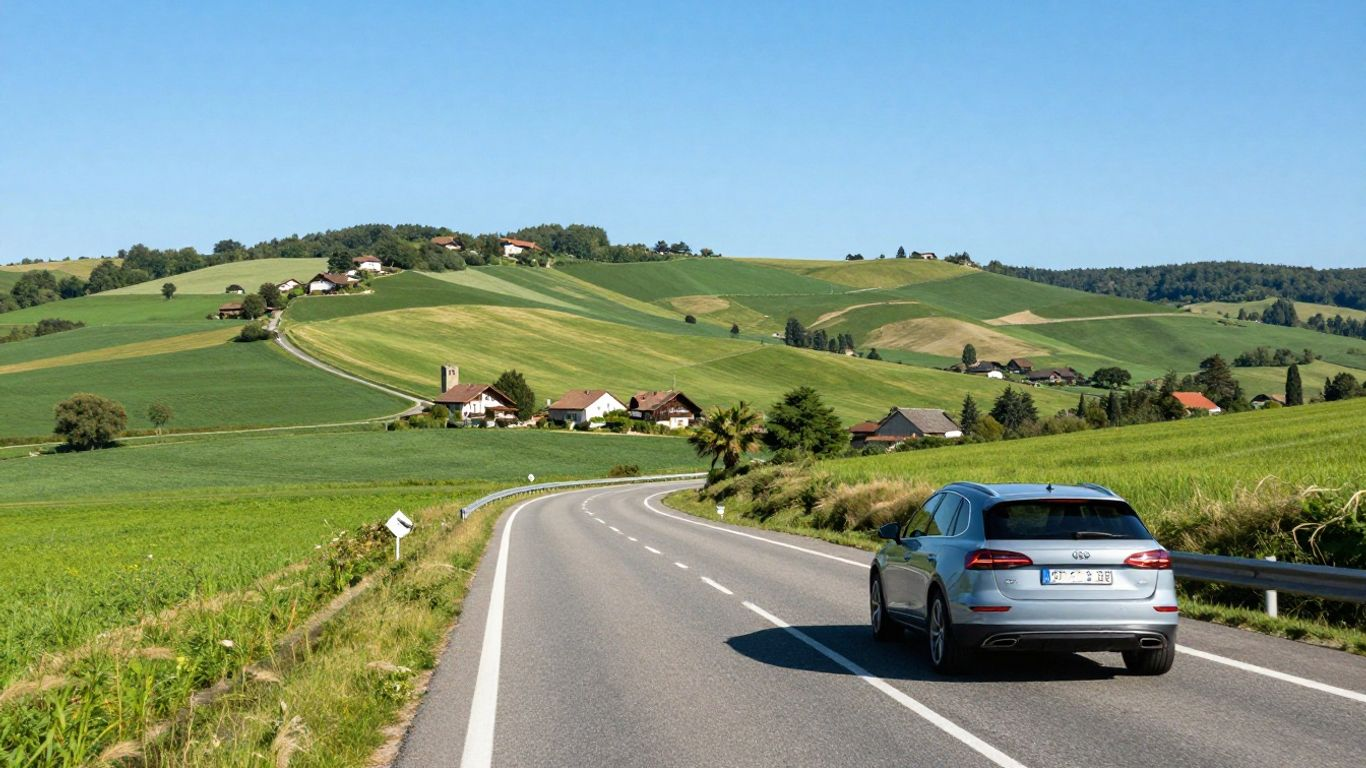
Planning a road trip from Calais to Cologne by car sounds like a grand adventure, doesn’t it? It’s a journey that takes you from the French coast, through Belgium, and finally into Germany. We’ll cover all the bits you need to think about, from getting your car ready to what you’ll see along the way. This guide is all about making your calais to cologne by car trip as smooth and enjoyable as possible.
Key Takeaways
- Before you set off on your calais to cologne by car journey, give your car a good once-over. Check the tyres, oil, and lights – you don’t want any nasty surprises.
- Figure out your route beforehand. Having a map or a sat-nav ready will make driving much easier, especially when crossing borders.
- Keep an eye on road tolls and any special stickers (vignettes) you might need for different countries. It saves hassle later.
- Think about where you might want to stop. Lille in France, or cities like Ghent or Bruges in Belgium, are great places for a break and to see something new.
- When you get to Germany, remember the Autobahns have different rules. Be ready for faster speeds and plan your arrival in Cologne, especially where to park.
Planning Your Calais To Cologne By Car Adventure
Right then, getting your car ready for a trip across the Channel and into Germany is half the fun, or at least, it should be! Before you even think about packing snacks, let’s sort out the practical bits. This journey from Calais to Cologne is pretty straightforward, but a bit of prep work goes a long way.
Essential Vehicle Checks Before You Depart
First things first, your car needs to be in good nick. Nobody wants to break down in a foreign country, right? A quick once-over can save you a lot of hassle later on.
- Tyres: Check the pressure and tread depth. Make sure they’re suitable for the distances you’ll be covering.
- Fluids: Top up your screenwash, oil, and coolant. It’s easy to forget, but important.
- Lights: All your lights – headlights, brake lights, indicators – need to be working perfectly.
- Brakes: Give them a test run. If they feel spongy or make odd noises, get them checked.
- Documents: Ensure your V5C (logbook), MOT certificate, and insurance documents are up-to-date and easily accessible.
Navigating The Route: Maps And Sat-Nav
While modern sat-navs are brilliant, it’s always wise to have a backup. Things can go wrong with electronics, and sometimes a good old-fashioned map is just the ticket. Planning your route beforehand is a good idea, especially if you want to avoid certain roads or find specific stops. You can use apps like Google Maps or Waze, but consider downloading offline maps too, just in case you lose signal. For a more structured approach to planning your trip, this guide offers some helpful tips for organizing your journey.
Understanding Road Tolls And Vignettes
This is where things can get a bit tricky, as different countries have different rules. France has toll roads, known as ‘péages’, which you’ll pay as you go. Belgium generally doesn’t have tolls for cars, but it’s worth double-checking closer to your travel date. Germany, famously, has no general tolls for passenger cars on its Autobahns, which is a big plus! However, some cities in Germany have low-emission zones, so you might need a specific sticker for your car depending on where you’re going. Always check the latest regulations for each country you’ll be driving through.
It’s a good idea to have some Euros in cash for tolls, especially in France, as not all booths accept cards. While many modern cars can handle the journey with ease, a little preparation makes the whole experience smoother. Think of it as setting yourself up for success on the road.
The French Leg: From Calais To The Belgian Border
Right then, you’ve landed in Calais, or perhaps you’ve just rolled off the ferry. The first part of your road trip is all about getting your bearings in Northern France before you head east. It’s not just a quick hop; there’s some lovely scenery and a few interesting places to see if you’ve got the time.
Exploring Northern France’s Coastal Charm
While Calais itself is often seen as a gateway, the coastline just west of it has a certain rugged appeal. Think wide, sandy beaches, often with dramatic skies. It’s a bit windswept, sure, but it’s a proper seaside feel. If you’ve got an extra hour or two, a quick detour along the coast road can be quite refreshing. You might even spot some of the old wartime defences dotted around. It’s a good chance to stretch your legs after the ferry crossing and get a feel for the French countryside.
A Stopover In Lille: Culture And Cuisine
If you’re looking for a proper break before hitting Belgium, Lille is a fantastic option. It’s a vibrant city, not too far inland from Calais, and it’s got a really different feel to the coast. The Grand Place is impressive, surrounded by Flemish-style architecture that hints at its historical ties. You could spend an afternoon wandering through the old town, popping into little shops, and maybe trying some local specialities. Moules-frites (mussels and chips) are a big thing here, as is the local beer. It’s a good place to refuel and get a taste of French urban life.
- Wander the Old Town: Get lost in the cobbled streets around the Vieille Bourse (Old Stock Exchange).
- Sample Local Food: Try a carbonnade flamande (beef stew) or some cheese.
- Visit a Brewery: Lille has a growing craft beer scene.
Crossing Into Belgium Seamlessly
Leaving France and entering Belgium is usually pretty straightforward. The roads are generally well-maintained, and you’ll see signs for the E17 or A1/E17 motorway heading towards the border. There aren’t usually any major border checks these days, especially within the Schengen Area, so you can just drive on through. It’s a good idea to have your car documents handy, just in case, but for the most part, it’s a simple transition. You’ll notice the road signs change language, and the general vibe shifts slightly as you enter a new country. It’s a good moment to check your fuel levels, as prices can vary.
The journey from Calais into Belgium is more than just a drive; it’s the first real taste of continental Europe after your crossing. Take a moment to appreciate the changing landscapes and the anticipation of what lies ahead on your road trip.
Remember to check the latest travel rules for the Dover to Calais route before you set off, as regulations can change. This will help ensure your initial leg of the journey is as smooth as possible.
Through Belgium: Scenic Drives And City Stops
Right then, after leaving France, you’ll be rolling into Belgium. It’s a country that’s surprisingly diverse for its size, offering everything from bustling city life to quiet, green landscapes. You’ve got a few cracking options for how to spend your time here, depending on what you’re after.
Discovering Brussels: Capital City Delights
Brussels is often the first port of call for many, and it’s easy to see why. It’s a city that’s got a bit of everything. You can wander through the Grand Place, which is just stunning, especially at night when it’s all lit up. And of course, there are the famous Manneken Pis statue (don’t expect anything huge!) and the Atomium, which looks like something out of a sci-fi film. Food-wise, you absolutely have to try the waffles and the frites – they’re proper Belgian specialties. If you’re into beer, well, you’re in for a treat; Belgium has hundreds of different types.
Ghent Or Bruges: Medieval Masterpieces
If you prefer something a bit more… well, medieval, then Ghent or Bruges are your best bet. Bruges is the one most people know, often called the ‘Venice of the North’ because of its canals. It’s incredibly picturesque, with cobbled streets and old buildings. You can take a boat trip on the canals, which is a lovely way to see the city. Ghent is a bit less touristy but just as beautiful, with a really impressive castle and a lively student population that gives it a bit of a buzz.
- Bruges: Think canals, chocolate shops, and horse-drawn carriages.
- Ghent: A bit more of a lived-in feel, with a great mix of history and modern life.
- Getting between them: They’re only about a 30-minute train ride apart, so you could even visit both if you have the time.
The Ardennes Forest: A Natural Escape
For a change of pace, head south towards the Ardennes. This is a beautiful, hilly, forested region that’s perfect for a bit of fresh air. It’s great for walking, cycling, or just driving through. You’ll find some charming little towns dotted around, like Durbuy, which claims to be the smallest city in the world. It’s a really different side to Belgium compared to the cities, and it’s a nice way to break up the drive before you head into Germany. It’s a good spot to just relax for a day or two if your schedule allows. You might even spot some wildlife if you’re lucky.
Belgium is a country that punches above its weight when it comes to interesting places to see. Don’t just rush through it on your way to Germany; take a moment to appreciate the history, the food, and the scenery. It really does add something special to the road trip.
Entering Germany: The Final Stretch To Cologne

Navigating German Autobahns
So, you’ve made it through Belgium and are now heading into Germany. The landscape might start to change a bit, perhaps becoming a little more rolling as you get closer to the Rhine. The big thing about German roads, of course, is the Autobahn. While many sections have no speed limit, don’t go thinking it’s a free-for-all. There are still plenty of areas with limits, especially around cities and roadworks. It’s best to keep an eye on the signs and drive to the conditions. You’ll find the Autobahn generally well-maintained and often quite busy, especially with lorries. Paying attention to other drivers and understanding the etiquette is key. For a smooth journey, it’s worth checking out some general advice for driving to Germany from the UK before you set off.
Aachen: A Historic German Gateway
Before you hit the bustling streets of Cologne, consider a stop in Aachen. It’s a city with a really long history, famous for its cathedral, which was Charlemagne’s favourite spot. It’s not too far off the main route and offers a nice break from the motorway. You can wander through the old town, grab a traditional Aachener Printen (a type of gingerbread biscuit), and stretch your legs. It’s a good place to get a feel for Germany without being overwhelmed by a major city just yet.
Approaching Your Cologne Destination
As you get closer to Cologne, you’ll notice more signs for the city. The Autobahn will likely get busier, and you’ll start seeing more local traffic. Keep your wits about you, as junctions can come up quickly. The city itself is well-signposted, so just follow the directions for the city centre or your specific accommodation. Remember that traffic can build up, particularly during peak hours, so allow a little extra time for this final part of your drive. It’s the last leg, so try to enjoy the anticipation of arriving in Cologne!
Making The Most Of Your Cologne Arrival
Parking Options In Cologne
So, you’ve finally made it to Cologne! The first thing on your mind might be where to put the car. Finding parking can be a bit of a puzzle, especially in the city centre. There are plenty of underground car parks, often run by big companies like Contipark or APCOA. They’re usually well-signed, but can get pricey. Street parking is also an option in some areas, but watch out for resident permit zones and time limits. It’s worth checking out the city’s official parking guidance before you arrive to get a feel for the different zones and prices. Having a plan for parking will save you a lot of hassle.
Here’s a quick look at some common parking types:
- Underground Car Parks: Convenient, secure, but often the most expensive.
- Street Parking: Cheaper, but requires more attention to signs and time limits.
- Park & Ride: Located on the outskirts, these are great for saving money and avoiding city centre traffic. You can then hop on public transport into town.
First Impressions Of The Cathedral City
As you drive into Cologne, the sheer scale of the Kölner Dom (Cologne Cathedral) is something else. It really dominates the skyline and is just breathtaking, even from a distance. You’ll probably notice the Rhine River too, with its bridges and busy shipping traffic. The city has a mix of old and new architecture, with some really lovely historic buildings alongside more modern structures. It feels like a city with a lot of history, but also one that’s very much alive and kicking.
Cologne has a unique vibe. It’s a place where ancient history meets modern life, all set against the backdrop of the mighty Rhine. You can feel the centuries of stories in the air, from Roman times right up to today’s bustling metropolis.
Settling Into Your Accommodation
Once you’ve sorted the car, it’s time to check in. Depending on where you’re staying, you might need to use public transport or even walk from your parking spot. If you’re staying in the Altstadt (Old Town), be aware that some streets are pedestrian-only, so driving right up to the door might not be possible. Most hotels will have information on their website about the best way to reach them and any parking arrangements they might have. Don’t forget to ask about local transport passes if you plan on using trams or buses a lot – it can save you a few quid. For a taste of what to do once you’re settled, exploring the Old Quarter is a good start.
So, What’s Next?
Right then, that’s the Calais to Cologne road trip covered. We’ve looked at the route, some places to stop, and a few bits and bobs to think about. It’s a decent drive, not too long, not too short, and you get to see a bit of France and Belgium before hitting Germany. Remember to sort out your car bits before you go, and maybe have a rough idea of where you fancy stopping. It’s not rocket science, but a bit of planning makes it a lot more fun. Enjoy the journey, and hopefully, you’ll get some good stories out of it. Safe travels!
Frequently Asked Questions
How long does it take to drive from Calais to Cologne?
The drive itself usually takes around 6 to 7 hours without any stops. However, most people like to break up the journey, so plan for a full day or even two if you want to see some sights along the way!
Do I need any special stickers or permits for my car?
In Germany, you’ll need an ‘Umweltplakette’ or environmental sticker to drive into certain city centres. You can usually buy these at garages or official inspection centres. In France and Belgium, there aren’t usually any special stickers needed for standard cars, but always check the latest rules before you go.
Are there many road tolls on this route?
Yes, you’ll encounter tolls, especially in France. Belgium has some tolls on its motorways, but they’re often included in the price of a vignette. Germany’s autobahns are generally free for cars, which is a nice bonus!
What’s the best way to navigate?
A sat-nav or a good map app on your phone is a must. Make sure your maps are up-to-date! Having a physical map as a backup is also a smart idea, just in case technology lets you down.
Can I drive through the French countryside instead of the motorway?
Absolutely! While the motorways are quickest, taking smaller roads can be really rewarding. You’ll see charming villages and beautiful landscapes, but it will add a lot more time to your trip.
What currency should I use?
Since you’ll be in France, Belgium, and Germany, all of which use the Euro (€), you won’t need to worry about changing money. Your Euros will work everywhere!