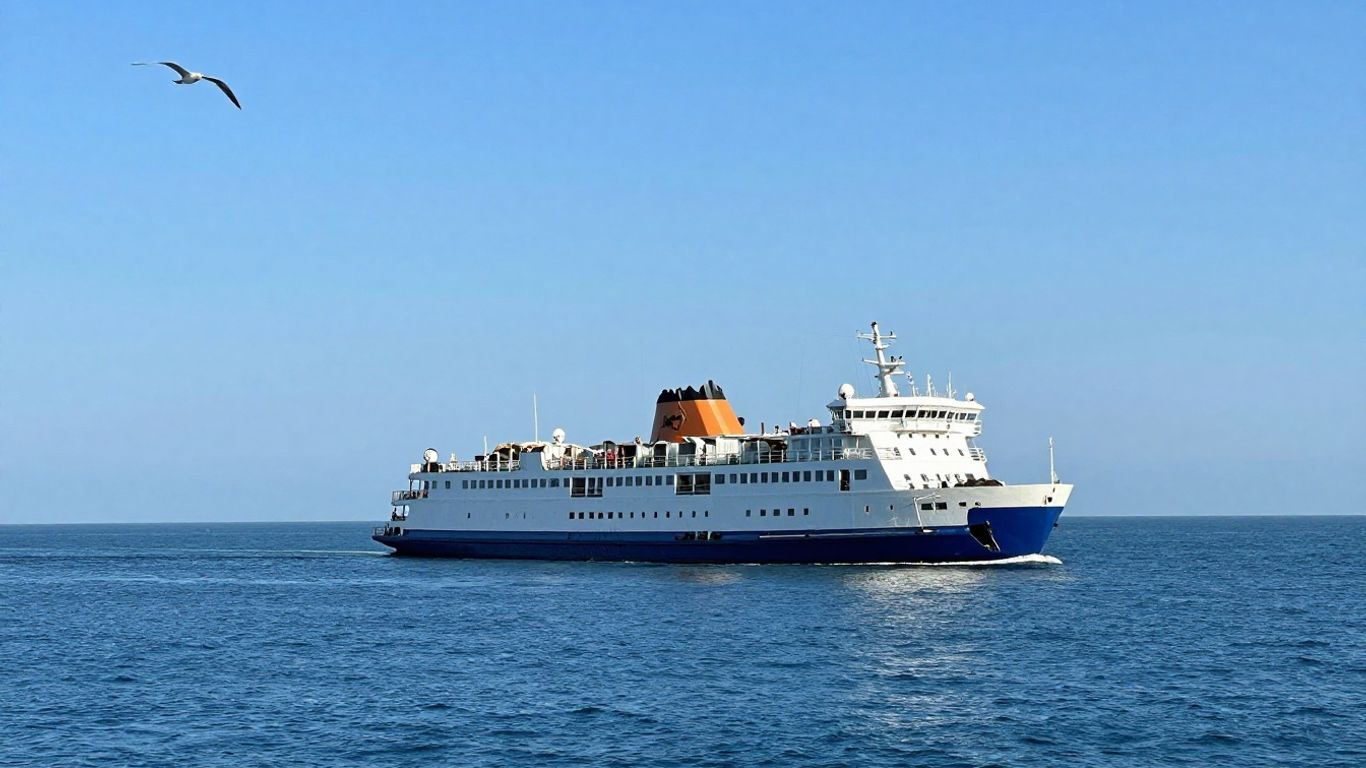
Thinking about a ferry trip from Dieppe to Newhaven? It’s a popular route, and knowing what to expect is half the battle. We’ll break down the dieppe newhaven crossing time, what happens before, during, and after your journey, so you can just relax and enjoy the sea air. No surprises here, just a straightforward guide to get you from France to the UK.
Key Takeaways
- The typical ferry journey between Dieppe and Newhaven takes around 4 hours, but this can change.
- Factors like weather and specific ferry schedules can affect how long your trip lasts.
- Booking in advance is a good idea, and arriving on time for check-in is important.
- Once on board, there are places to eat and relax while you cross the Channel.
- Disembarking in Newhaven is usually quick, and from there you can continue your travels.
Understanding The Dieppe Newhaven Crossing Time
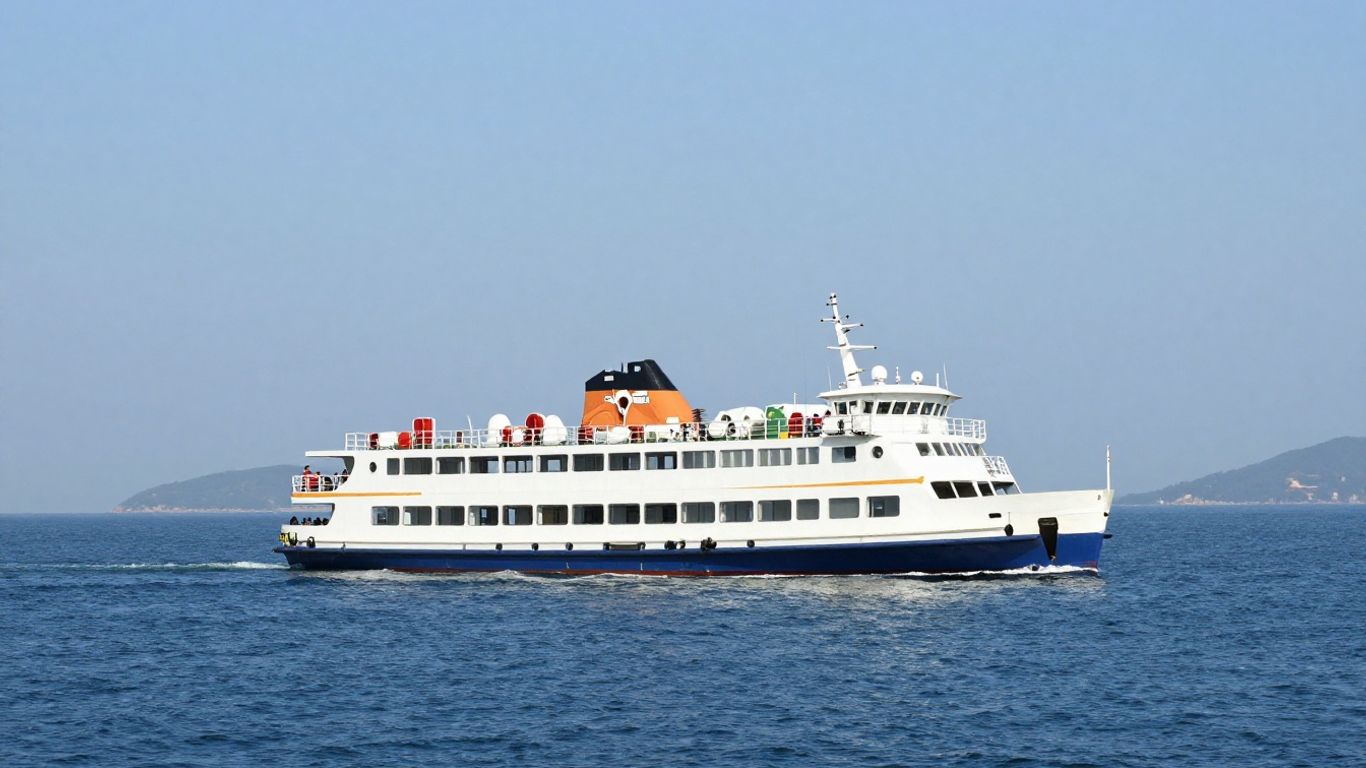
So, you’re planning a trip across the Channel from Dieppe to Newhaven. One of the first things you’ll want to get your head around is how long the actual ferry journey takes. It’s not just a quick hop, but it’s also not an all-day affair either. The typical ferry duration for the Dieppe to Newhaven crossing is around 4 hours. This is the figure you’ll see most often when you’re looking at schedules and booking your tickets.
Typical Ferry Duration
While 4 hours is the standard, it’s good to know that this is an average. The actual time can vary slightly depending on the specific sailing and the conditions on the day. It’s a decent amount of time to settle in, grab a bite, or just watch the waves go by. It’s a bit longer than some of the shorter routes, like the Dover to Calais crossing which can be as quick as 90 minutes, but it offers a more relaxed pace.
Factors Influencing Journey Length
Several things can nudge that 4-hour mark up or down a little. The main one is the weather, of course. If the sea is a bit choppy or there’s a strong headwind, the ferry might take a little longer to make its way across. The type of ferry itself can also play a small part, though most operators use similar vessels on this route. It’s always worth checking the specific sailing time when you book, just to be sure.
Here’s a general idea of what to expect:
- Calm Seas: Usually close to the advertised 4 hours.
- Moderate Conditions: Might add 15-30 minutes.
- Rougher Weather: Could extend the journey by up to an hour in some cases.
Remember that this crossing is a bit longer than some of the UK’s busiest routes, but it’s a trade-off for a more direct link to this part of France and a less crowded experience. It’s a good middle ground for many travellers.
When you’re looking at ferry options, you might see different departure times. Choosing a sailing that fits your schedule is key. For instance, an early morning departure means you can be in Newhaven and ready to start your day, while an afternoon sailing lets you have a leisurely breakfast before you set off. You can find more details on booking your crossing on the DFDS website.
Planning Your Ferry Trip: Departure To Arrival
Getting your ferry booked and sorted is the first step to a smooth trip. It’s not complicated, but a little bit of organisation goes a long way.
Booking Your Crossing
When you’re looking to book your ferry from Dieppe to Newhaven, the first thing you’ll want to do is check out the ferry operator’s website. You can usually find the best deals and the most up-to-date schedules there. Think about when you want to travel – are you after a quick hop or a more relaxed journey? Prices can change depending on the day of the week, the time of year, and even the time of day you choose to sail. Booking in advance is generally a good idea, especially if you’re travelling during busy periods like school holidays or bank holidays. It’s also worth checking if you can get a better price by booking a return trip at the same time. Some people find that booking their ferry is similar to booking a flight; the earlier you book, the better the price often is. You might also want to consider different ferry companies if there are any operating on this route, though for Dieppe to Newhaven, it’s typically one main operator. Remember to have your travel dates, passenger numbers, and vehicle details (if applicable) ready when you book. It’s a good idea to compare prices across different booking platforms too, just to be sure you’re getting a good deal. For example, the Dover to Dunkirk route often has competitive pricing, so it’s worth seeing how Dieppe-Newhaven compares.
Check-In Procedures
Arriving at the port with enough time is key. Most ferry companies recommend arriving at least an hour before your scheduled departure, sometimes even earlier if you’re travelling with a vehicle. This gives you plenty of time to get through check-in, show your booking confirmation and any necessary travel documents, and then proceed to the waiting area. They’ll usually give you a boarding pass and direct you where to go next. Don’t forget your passport and any other required identification – it’s easy to overlook these in the rush. If you’re driving, make sure your car is ready to go, with all windows up and any pets secured. It’s a good idea to have your booking reference easily accessible, perhaps on your phone or printed out.
Boarding The Ferry
Once check-in is complete, you’ll be guided towards the ferry. If you’re in a car, you’ll follow the signs and the instructions from the port staff to drive onto the ferry. They’ll direct you to a specific parking bay on one of the vehicle decks. Once parked, you’ll be asked to switch off your engine and lock your vehicle. It’s important to take all your valuables and anything you’ll need for the journey with you, as you won’t be able to access your car during the crossing. Passengers travelling on foot will usually board through a separate entrance, often via a passenger terminal building, and will be directed to the passenger areas of the ship. Make sure you have your boarding pass ready for inspection as you go through the gangway.
Getting to the port a bit earlier than strictly necessary can really take the stress out of the whole process. It means you can park up, find your bearings, and have a moment to relax before the boarding begins. It’s much better than rushing and feeling flustered.
Here’s a quick rundown of what to expect when boarding:
- Vehicle Passengers: Follow the signs for vehicle check-in and then drive onto the ferry as directed by staff. Remember to take your essentials with you and leave your car.
- Foot Passengers: Head to the passenger terminal, complete check-in, and then proceed to the gangway to board the ferry.
- Documentation: Have your booking confirmation, passport, and any other required travel documents ready at check-in and for boarding.
Life Aboard The Ferry: During The Crossing
So, you’ve checked in, you’re on the ferry, and the coast is receding. What now? The journey from Dieppe to Newhaven isn’t just about getting from A to B; it’s a chance to actually relax a bit. Most of the crossing takes place while you’re enjoying the sea air and the facilities onboard.
Onboard Amenities
Ferries on this route are generally well-equipped to keep you comfortable. You’ll usually find:
- Shops: Stocked with essentials, gifts, and maybe some holiday reading.
- Lounges: Comfortable seating areas, often with great views of the sea.
- Play Areas: If you’re travelling with kids, these can be a lifesaver.
- Wi-Fi: Available on most sailings, though it might cost extra or be a bit patchy.
Relaxing During The Journey
This is your time to switch off. Grab a coffee, find a comfy seat in a lounge, and just watch the waves. If the weather’s good, heading out onto the deck for a bit of fresh air is highly recommended. It’s a different perspective to see the coastline from the water. For those who prefer to stay connected, check the availability of onboard Wi-Fi before you sail.
The rhythm of the sea can be quite soothing. It’s a good opportunity to read that book you’ve been meaning to get to, listen to a podcast, or simply do nothing at all. Don’t feel pressured to be constantly entertained; sometimes, just gazing out at the horizon is enough.
Dining Options
Hungry? You won’t go without. Most ferries have at least a cafe or a bistro. You can usually get anything from a quick snack and a sandwich to a more substantial hot meal. It’s not fine dining, of course, but it’s perfectly adequate for breaking up the journey. Think standard cafe fare – burgers, chips, salads, that sort of thing. It’s worth checking out the dining options beforehand if you have specific dietary needs or preferences, though the Dieppe-Newhaven route is generally well-catered for.
Arriving In Newhaven: What To Expect
So, you’ve made it across the Channel! Disembarking the ferry in Newhaven is usually a pretty straightforward affair, but it’s good to know what’s what. The whole process is designed to get you off the ship and on your way as smoothly as possible.
Disembarkation Process
Once the ferry docks, you’ll usually hear an announcement telling you when it’s time to head back to your vehicle or to the passenger areas. If you’re in a car, you’ll follow the signs to drive off the ferry. It’s a bit like leaving a multi-storey car park, really. For foot passengers, it’s a case of following the crowd off the ship and through the terminal building.
- Vehicle Passengers: Wait for the ‘all clear’ announcement before starting your engine. Follow the marked lanes off the ferry. Keep an eye out for any staff directing traffic.
- Foot Passengers: Make your way to the designated passenger exits. You’ll typically walk through the terminal building where you can find facilities and onward travel information.
- Baggage: If you’ve checked in luggage, there will be a designated area where you can collect it after disembarking.
Navigating The Port
Newhaven Port itself is quite functional. It’s not a massive, sprawling complex, which is actually a good thing when you’re trying to get your bearings. You’ll find the usual facilities you’d expect, like toilets and information desks. If you’ve got a car, you’ll drive straight out of the port area onto the local roads. For those without a car, there are usually taxis waiting, and the train station is conveniently located nearby, making onward travel pretty simple. You can find out more about arriving at the port on the Newhaven ferry terminal page.
Continuing Your Journey
Once you’re through the port, the real adventure begins! If you’ve driven, you’re free to explore the South Downs National Park or head towards Brighton and beyond. For foot passengers, the train station is your best bet for getting around. It connects you to major towns and cities along the coast and inland. Buses are also an option, serving local routes. It’s worth having a quick look at the train times before you even get off the ferry, just to save yourself a bit of faff.
It’s always a good idea to have a rough plan for your onward journey before you even board the ferry. Knowing whether you’re catching a train, meeting someone, or driving straight off helps make the arrival process much less stressful. Plus, you can relax a bit more on the crossing knowing you’ve got your next steps sorted.
Maximising Your Dieppe Newhaven Ferry Experience
So, you’ve booked your ferry from Dieppe to Newhaven, and now you’re thinking about how to make the most of it. It’s not just about getting from A to B, is it? A little bit of planning can really make the journey more enjoyable. Let’s look at how you can get the best out of your trip.
Choosing The Right Sailing Time
When you book, you’ll notice there are different sailing times available. Some people prefer to travel overnight, getting a full night’s sleep (or trying to!) and waking up ready to start their day at the destination. Others like a daytime crossing, perhaps to enjoy the views or because their schedule just works better that way. Consider what kind of traveller you are and what fits your holiday plans best. If you’re arriving in Newhaven and plan to head straight out exploring, an early morning ferry might be ideal. If you’re looking for a more relaxed start, a mid-morning or afternoon sailing could be perfect. It’s worth checking the port information to see what suits your onward travel plans.
Preparing For Your Voyage
Being prepared is half the battle, right? Before you even get to the port, think about what you’ll need. Pack a small bag with essentials you’ll want during the crossing – things like a book, headphones, any medication, and snacks. This saves you rummaging through your main luggage on the ferry. Also, check the weather forecast for both Dieppe and Newhaven. It can make a difference to how you feel on board, especially if you’re prone to seasickness. Having a few entertainment options ready is always a good idea, whether it’s downloaded podcasts or a good playlist.
Making The Most Of Your Time
Once you’re on board, don’t just sit there! The ferry journey is part of your holiday. Take a walk around the different decks, see if there’s a viewing area where you can watch the waves. If you’re travelling with kids, they’ll likely appreciate a bit of exploration. The crossing itself takes about four hours, which is a decent amount of time to relax. You could catch up on some reading, enjoy a meal in the restaurant, or simply sit back and watch the world go by.
Remember that the ferry isn’t just transport; it’s a space to transition between countries and moods. Use the time to decompress, plan your next steps, or just enjoy the break from driving.
Here are a few ideas for your time onboard:
- Relaxation: Find a comfortable seat, perhaps in a quieter lounge area, and just unwind. Close your eyes, listen to the sea, and let the gentle motion of the boat soothe you.
- Dining: Treat yourself to a meal or a drink at the onboard restaurant or bar. It’s a nice way to break up the journey and enjoy some local flavours if available.
- Observation: Spend some time on deck (weather permitting) or by a window, watching the coastline recede and the sea stretch out before you. It’s a unique perspective you don’t get from other modes of travel.
By thinking ahead and using the time wisely, your ferry trip can be a really pleasant part of your overall travel experience.
So, What’s the Verdict?
Right then, that’s pretty much the lowdown on the Dieppe to Newhaven ferry trip. It’s not a long journey, which is handy if you’ve got places to be or just fancy getting on with your day. You’ll get a bit of sea air, maybe a cuppa, and before you know it, you’re docking. It’s a straightforward way to get between France and the UK, no fuss really. Just remember to check the timings and book ahead, especially if you’re travelling during busy periods. Enjoy the crossing!
Frequently Asked Questions
How long does the ferry trip from Dieppe to Newhaven usually take?
Most of the time, the ferry journey between Dieppe and Newhaven takes about 4 hours. It’s a pretty straightforward trip across the English Channel.
Can the ferry crossing time change?
Yes, sometimes the time can be a bit longer or shorter. Things like the weather out on the sea can affect how quickly the ferry travels. It’s always a good idea to check the latest information before you travel.
What should I do when I arrive at the ferry port in Dieppe?
When you get to Dieppe, you’ll need to check in your ferry ticket. Then, you’ll follow the signs to join the queue to drive or walk onto the ferry. Make sure you have your booking details handy!
What can I do on the ferry while I’m travelling?
There’s usually plenty to keep you busy! Ferries often have places to eat and drink, shops to browse, and comfy seats where you can just chill out and watch the sea. Some might even have play areas for kids.
Is it easy to get off the ferry when we reach Newhaven?
Yes, getting off is usually quite smooth. You’ll follow the instructions from the ferry crew to leave the ship, either by car or on foot. The port staff at Newhaven will then guide you.
What’s the best way to prepare for the ferry journey?
It’s wise to book your ticket in advance, especially during busy times. Pack anything you might need during the crossing, like a book or snacks, and arrive at the port with enough time before your ferry is due to leave. This helps make your trip stress-free.