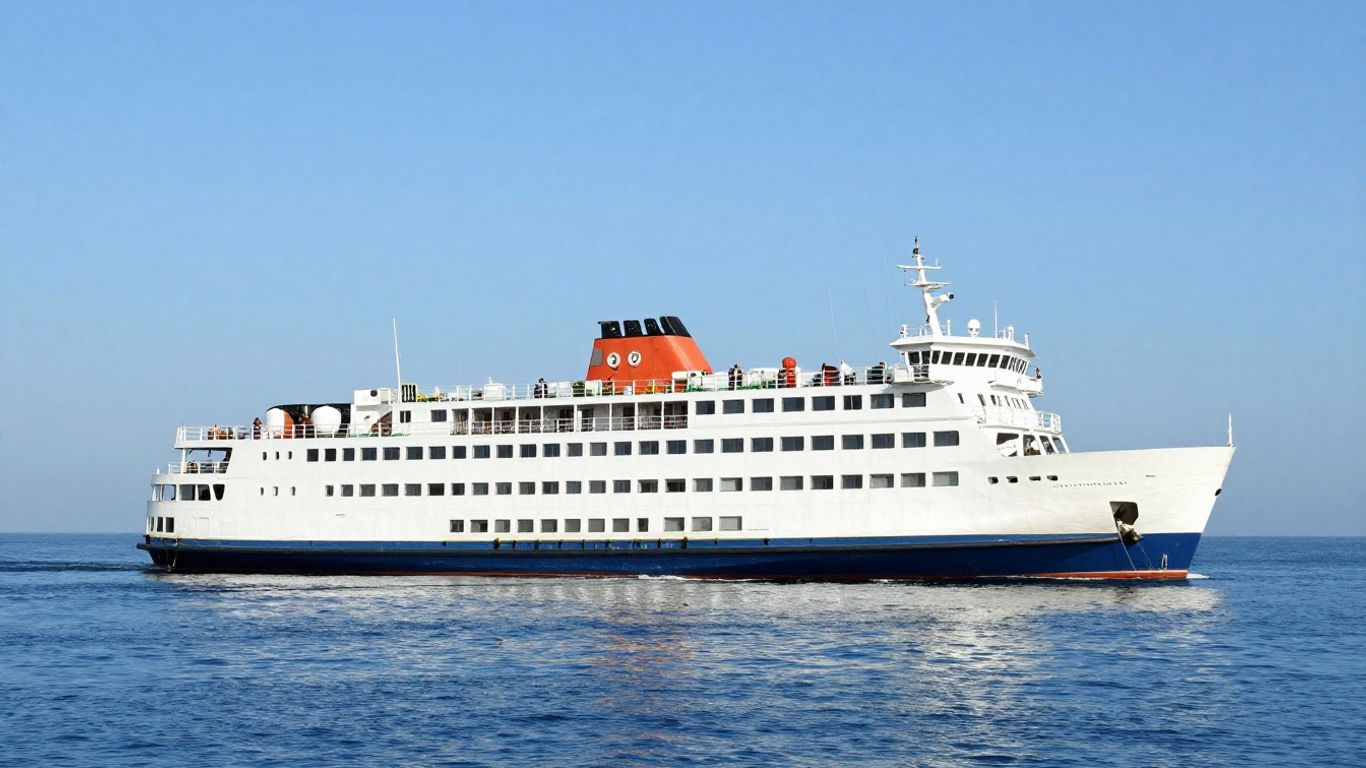
Thinking about a trip from Germany to Lithuania? The kiel ferry to klaipeda route is a popular choice for many. It cuts out a long drive and lets you relax on the water. This guide is here to help you sort out all the details, from when to go and how to book, to what to expect when you get there. We’ll cover everything you need to know for a straightforward journey.
Key Takeaways
- The kiel ferry to klaipeda is a straightforward way to travel between Germany and Lithuania, avoiding a lengthy drive.
- Booking your ferry tickets in advance is generally recommended, especially during peak travel times, to secure your spot and potentially get better prices.
- Familiarise yourself with the ferry timetable, noting that schedules can change with the seasons and it’s wise to check for real-time updates.
- Be prepared for your journey by knowing what to pack and what to expect onboard the ferry, including any facilities available.
- Once you arrive in Klaipeda, plan your onward travel to the city centre and consider what sights you might want to see in the area.
Planning Your Kiel Ferry to Klaipeda Journey
So, you’re thinking about taking the ferry from Kiel to Klaipeda? It’s a pretty straightforward trip, but like anything, a bit of planning goes a long way. Let’s break down what you need to know before you even think about packing.
Understanding the Kiel to Klaipeda Route
This ferry route connects Germany’s Baltic coast with Lithuania’s main port city. It’s a popular choice for travellers heading east, especially those with vehicles or who prefer not to fly. The journey itself is overnight, meaning you can wake up in a new country without using up precious daylight hours. The ferry operator DFDS runs this service, and it’s a good way to travel if you want to bring your car or even a motorhome.
Choosing the Right Travel Dates
When you decide to travel can make a difference. Summer months, particularly July and August, are peak season. This means more people, potentially higher prices, and busier ferries. If you can, consider travelling in the shoulder seasons – spring (April to June) or autumn (September to October). The weather is usually still pleasant, and you’ll likely find fewer crowds and maybe even better deals. Weekends can also be busier than weekdays.
Booking Your Kiel Ferry to Klaipeda Tickets in Advance
Seriously, don’t leave this to the last minute. Booking your ferry tickets ahead of time is a really good idea. It’s not just about getting a spot, especially if you’re travelling with a vehicle, but you can often snag better prices. Ferry companies sometimes offer early bird discounts or special deals if you book well in advance. It also gives you peace of mind knowing your travel is sorted. You can usually book directly with the ferry operator or through various online travel agents. Remember to check the terms and conditions for any changes or cancellations, as these can vary.
It’s always worth double-checking what’s included with your ticket. Sometimes, meals or specific cabin types might cost extra, and knowing this upfront saves any surprises when you’re onboard.
Navigating Ferry Timetables
Figuring out the ferry schedule might seem a bit tricky at first, but once you get the hang of it, it’s pretty straightforward. The key is to know when the ferries typically run and then check the most up-to-date information.
Typical Departure and Arrival Times
Most of the time, the ferries between Kiel and Klaipeda operate on a fairly regular schedule. You’ll usually find departures happening in the late afternoon or early evening. This is often the case because it’s an overnight journey, meaning you can sleep on board and wake up in your destination. Arrivals are generally in the morning.
Here’s a general idea of what to expect:
- Departures from Kiel: Often between 3:00 PM and 7:00 PM.
- Arrivals in Klaipeda: Typically between 8:00 AM and 11:00 AM the following day.
Remember, these are just typical times. It’s always best to confirm the exact times for your chosen travel date.
Seasonal Variations in Sailings
Like many ferry routes, the Kiel to Klaipeda service can change its schedule depending on the time of year. During the busy summer months, you might find more sailings available, perhaps even an extra departure day each week. Conversely, in the quieter winter period, the frequency might reduce slightly. This is pretty standard for travel services, so don’t be surprised if the schedule looks a bit different between July and January.
It’s worth noting that ferry operators often adjust their timetables to match demand. Peak seasons usually mean more options, while off-peak times might see fewer sailings per week.
Checking Real-Time Ferry Schedules
Because schedules can change due to weather, maintenance, or other operational reasons, it’s really important to check the live timetable before you travel. The ferry operator, DFDS, provides this information on their website. Always double-check the schedule a day or two before your departure. You can usually find this information easily on their booking pages or a dedicated ‘sailing information’ section. This is also where you’ll find out about any delays or cancellations, which is good to know so you aren’t left waiting at the terminal.
Checking the DFDS ferry schedule is your best bet for the most accurate, up-to-the-minute details.
Securing Your Kiel Ferry to Klaipeda Tickets
Right then, let’s talk about actually getting your hands on those tickets for the ferry from Kiel to Klaipeda. It’s not exactly rocket science, but there are a few ways to go about it, and doing it right can save you a bit of hassle and maybe even some cash.
Online Booking Platforms
Most people these days just hop online to sort this sort of thing out, and it’s usually the easiest way. You’ve got a couple of options here. You can go directly to the ferry company’s website, which is often a good bet for the most up-to-date info and sometimes special deals. Alternatively, there are third-party booking sites that compare prices across different operators, though for this specific route, it’s likely just one main company running the show. Booking your tickets well in advance is generally a good idea, especially if you’re travelling during peak season or holidays. It means you’re guaranteed a spot, and you might snag a better price than leaving it to the last minute. For example, booking 4-6 weeks ahead can often lead to savings.
Directly with the Ferry Operator
If you prefer a more direct approach, or if you’ve got specific questions about your journey, contacting the ferry operator directly is always an option. This could be via their website, a phone call, or even an email. It’s particularly useful if you have special requirements, like travelling with a large vehicle, a pet, or if you need specific assistance onboard. They can usually provide the clearest information on their policies regarding changes or cancellations, which is handy to know. You’ll want to check their specific policies for booking changes and cancellations, especially if your plans might shift.
Understanding Ticket Types and Inclusions
When you’re looking at tickets, you’ll notice there are often different types available. These can vary quite a bit. Some tickets might just cover your passage and your vehicle (if you have one), while others could include meals or cabin accommodation. It’s worth looking closely at what’s included in the price. For instance, a basic ticket might mean you’re heading to the general seating areas, whereas a cabin ticket gives you your own private space for the journey. Think about how long the trip is and what you’ll need to be comfortable. If you’re travelling overnight, a cabin is probably a good shout. Remember to check if things like meals are included or if they’re an extra cost.
It’s always a good idea to have your booking confirmation and identification ready when you arrive at the terminal. This helps speed up the check-in process, whether you’re travelling as a foot passenger or with a vehicle. Having passports required for check-in is also a must.
Here’s a quick rundown of what you might find:
- Standard Passage: Covers your seat in a communal area.
- Cabin Accommodation: Includes a private cabin for sleeping.
- Vehicle Ticket: For cars, motorbikes, or larger vehicles.
- Pet Ticket: If you’re bringing a furry friend along.
Make sure you understand what each ticket type covers before you click ‘buy’ to avoid any surprises later on.
Preparing for Your Ferry Crossing
So, you’ve got your tickets sorted and you’re ready to head off on your adventure from Kiel to Klaipeda. That’s great! But before you even get to the port, there are a few things to think about to make sure the actual crossing goes as smoothly as possible. It’s not just about turning up; a little bit of prep goes a long way.
What to Expect Onboard
Ferries on this route are generally quite comfortable, especially compared to older vessels. You’ll find different seating areas, from standard lounges to perhaps more private cabins if you’ve booked one. Most ferries have at least a cafe or a restaurant, so you won’t go hungry. There’s usually a shop too, for any last-minute bits and bobs. Don’t expect a cruise ship experience, but it’s a solid way to travel. Think of it as a floating hotel for the night. Some ferries might have entertainment, but it’s usually low-key – maybe some background music or a small bar area. If you’re travelling with a vehicle, you’ll be directed where to park it on the car deck, and then you’ll head up to the passenger areas. It’s all pretty straightforward, really.
Packing Essentials for the Voyage
When packing, think about what you’ll need during the crossing itself, rather than just what you’ll need at your destination. You won’t have easy access to your car or main luggage once you’re onboard, especially if you’re in a cabin or a seating area away from the vehicle decks. So, pack a small overnight bag with:
- Toiletries: Toothbrush, toothpaste, any personal medications.
- Entertainment: A book, headphones, a tablet – anything to pass the time.
- Comfort items: A neck pillow, a warm jumper (it can get a bit chilly sometimes).
- Snacks and drinks: While there are onboard facilities, having your own can save money and be handy.
It’s also a good idea to have your travel documents easily accessible. You can find a good general packing list for sea travel here.
Arriving at the Kiel Ferry Terminal
Getting to the terminal in Kiel is usually quite simple. If you’re driving, follow the signs for the ferry port. There’s usually parking available, though it might be paid. If you’re arriving by public transport, check the local bus or train routes beforehand. The terminals themselves are generally well-signposted. You’ll need to check in, and this is where you’ll present your tickets and any identification. If you’re travelling with a car, you’ll be given instructions on when and where to drive your vehicle onto the ferry. It’s worth arriving a little earlier than strictly necessary, just to avoid any last-minute stress. You can usually find information about the specific terminal facilities on the ferry operator’s website, like this.
It’s always a good idea to double-check the specific terminal address and opening times a day or two before you travel, just in case there are any last-minute changes or disruptions. A quick look online can save a lot of hassle.
Exploring Klaipeda Upon Arrival
So, you’ve made it across the Baltic Sea from Kiel, and now you’re standing in Klaipeda. What’s next? This port city is Lithuania’s third-largest and has a really interesting vibe, a mix of old and new. Getting from the ferry terminal to the heart of the city is pretty straightforward.
Getting from the Port to the City Centre
Once you disembark, you’ll find a few options to get you settled. Taxis are usually waiting near the ferry terminal, which is the quickest way if you’ve got luggage. Just agree on the fare before you set off. Public buses are also an option, and they’re a bit easier on the wallet. You’ll want to look for routes heading towards the city centre. It might take a little longer, but it’s a good way to see a bit more of the local area.
- Taxis: Convenient and fast, but can be pricier.
- Buses: Budget-friendly, good for experiencing local transport.
- Walking: If you’re feeling energetic and don’t have too much baggage, the city centre isn’t too far.
Key Attractions in Klaipeda
Klaipeda has a surprising amount to offer for its size. You can’t miss the Old Town, with its charming cobblestone streets and historic buildings. The Theatre Square is a central spot, often buzzing with activity. For something a bit different, the Lithuanian Sea Museum is a big hit, especially if you’re interested in marine life and the region’s maritime history. It’s located on the Curonian Spit, which is a whole other adventure in itself. You can also find some quirky sculptures dotted around the city, like the ‘The Black Ghost’.
Klaipeda’s history is tied closely to the sea, and you can feel that connection everywhere, from the architecture to the local dialect. It’s a place that feels both ancient and alive.
Further Travel Options from Klaipeda
Klaipeda is also a great jumping-off point for exploring more of Lithuania. The most famous excursion is undoubtedly to the Curonian Spit, a UNESCO World Heritage site. It’s a narrow strip of sand dunes separating the Curonian Lagoon from the Baltic Sea, and it’s absolutely stunning. You can get there by ferry from the city. If you’re looking to head inland, bus and train connections are available to other major Lithuanian cities like Vilnius and Kaunas. You can also find various tours that can help you see the best of the region without the hassle of planning it all yourself.
Tips for a Smooth Kiel Ferry to Klaipeda Experience
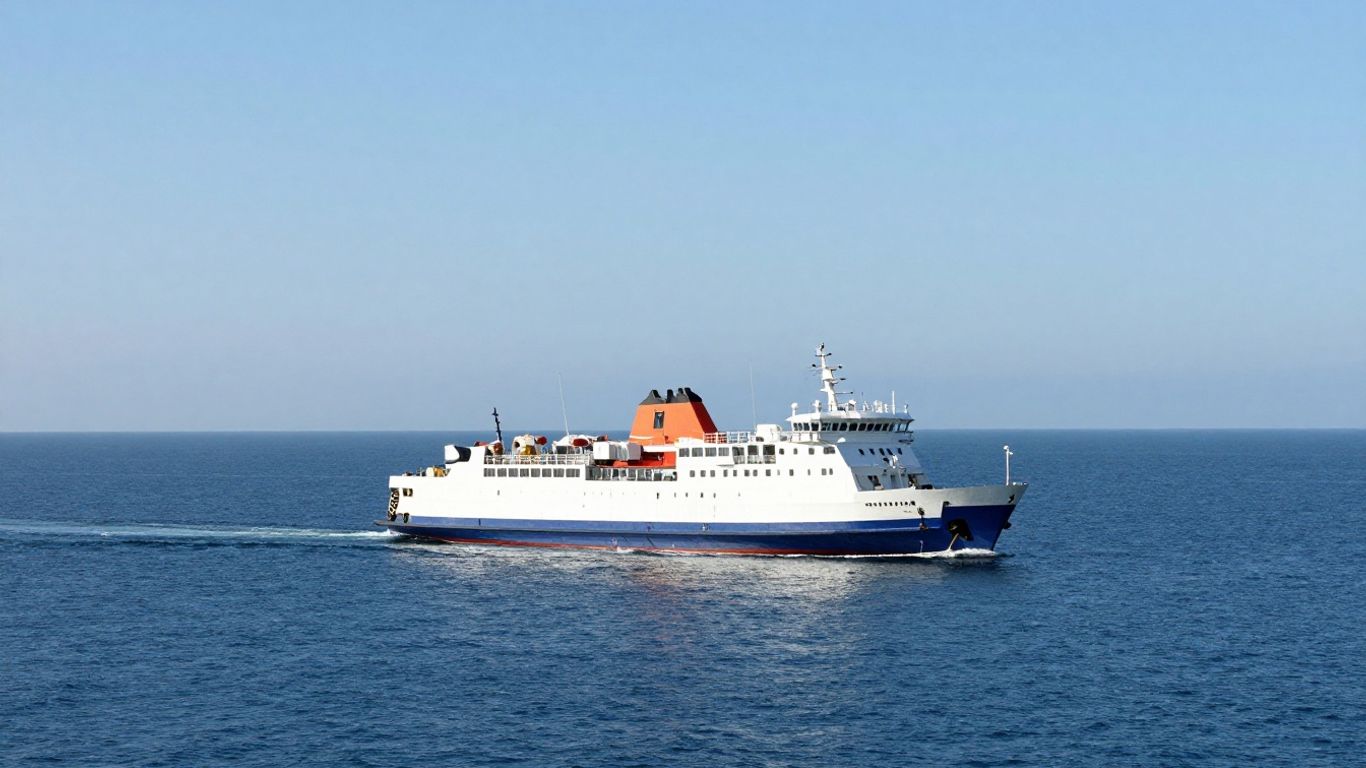
So, you’re all set for the ferry from Kiel to Klaipeda. Great! A little bit of preparation can make the whole trip much more pleasant. Let’s go over a few things to keep in mind.
Travelling with Pets or Vehicles
If you’re bringing your car, make sure you’ve booked it in when you got your ticket. It’s usually a separate category. You’ll drive it onto the ferry and it’ll be parked in the car decks. Remember to take anything valuable with you, as you won’t be able to access your car during the crossing. For pet owners, most ferry companies allow pets, but you’ll need to declare them when booking. Some might have specific kennels or require pets to stay in the vehicle, so check the rules beforehand. It’s always a good idea to have your pet’s travel documents handy, just in case.
Dining and Entertainment Options
Don’t expect a five-star restaurant, but the food onboard is generally decent. You’ll find a restaurant or buffet, and often a cafe or bar. The food on the DFDS service from Kiel has been noted as quite good, offering a nice change from being stuck in a car. It’s a good chance to relax and have a proper meal. There might be some entertainment, like live music on certain sailings, or just a quiet lounge area to read a book. It’s worth checking the ferry operator’s website for specifics on what’s available on your particular sailing.
Maximising Your Comfort on the Sea
Long ferry journeys can be tiring, so think about how to make yourself comfortable. Pack a small bag with essentials you’ll want during the trip – think a book, headphones, a travel pillow, and any medications. If you’re prone to seasickness, bring along remedies like ginger sweets or medication. The sea can be unpredictable, so being prepared is key. You might also want to bring a portable charger for your devices, as not all cabins or public areas have readily available power sockets. A good night’s sleep can make all the difference, so consider booking a cabin if your budget allows, especially for overnight journeys. It gives you a private space to rest and recharge before arriving in Klaipeda. Planning ahead, like booking your tickets a few months in advance, can also help secure better prices and availability, particularly if you’re travelling during busy periods.
The ferry journey itself is part of the adventure. Instead of just focusing on getting from A to B, try to enjoy the experience of being at sea. Watch the coastline recede and the open water appear. It’s a different pace of travel, and that’s part of its charm.
So, That’s the Kiel to Klaipeda Ferry
Right then, that’s pretty much the lowdown on getting yourself from Kiel over to Klaipeda by ferry. We’ve gone over the times, how to sort out your tickets, and a few bits and bobs to keep in mind. It’s not the most complicated trip, but a bit of planning goes a long way, doesn’t it? Hopefully, this has made things a bit clearer for you. Have a good journey!
Frequently Asked Questions
How long does the ferry trip from Kiel to Klaipeda usually take?
The ferry journey across the Baltic Sea typically lasts around 20 to 22 hours. It’s a good amount of time to relax and enjoy the sea air before reaching Lithuania.
Can I take my car on the ferry to Klaipeda?
Absolutely! The ferries are well-equipped to carry cars, vans, and even larger vehicles. You’ll just need to book a space for your vehicle when you get your ticket.
What should I do if my ferry is delayed or cancelled?
Ferry services can sometimes be affected by weather or other issues. It’s always best to check the ferry operator’s website or contact them directly for the latest updates. They’ll usually let you know about any changes and what your options are.
Are there places to eat and sleep on the ferry?
Yes, most ferries have restaurants or cafes where you can grab a meal or a snack. For overnight trips, you can usually book a cabin for a more comfortable sleep, or simply relax in the common seating areas.
How far in advance should I book my ferry ticket?
Booking your ticket a few weeks ahead is a smart move, especially if you’re travelling during busy periods like holidays or summer. It often helps you get better prices and ensures you have a spot, particularly if you’re bringing a vehicle.
What’s the best way to get from Klaipeda port to the city centre?
Once you arrive in Klaipeda, the port is quite close to the city centre. You can easily catch a local bus, a taxi, or even take a pleasant walk if you fancy stretching your legs and seeing the surroundings.