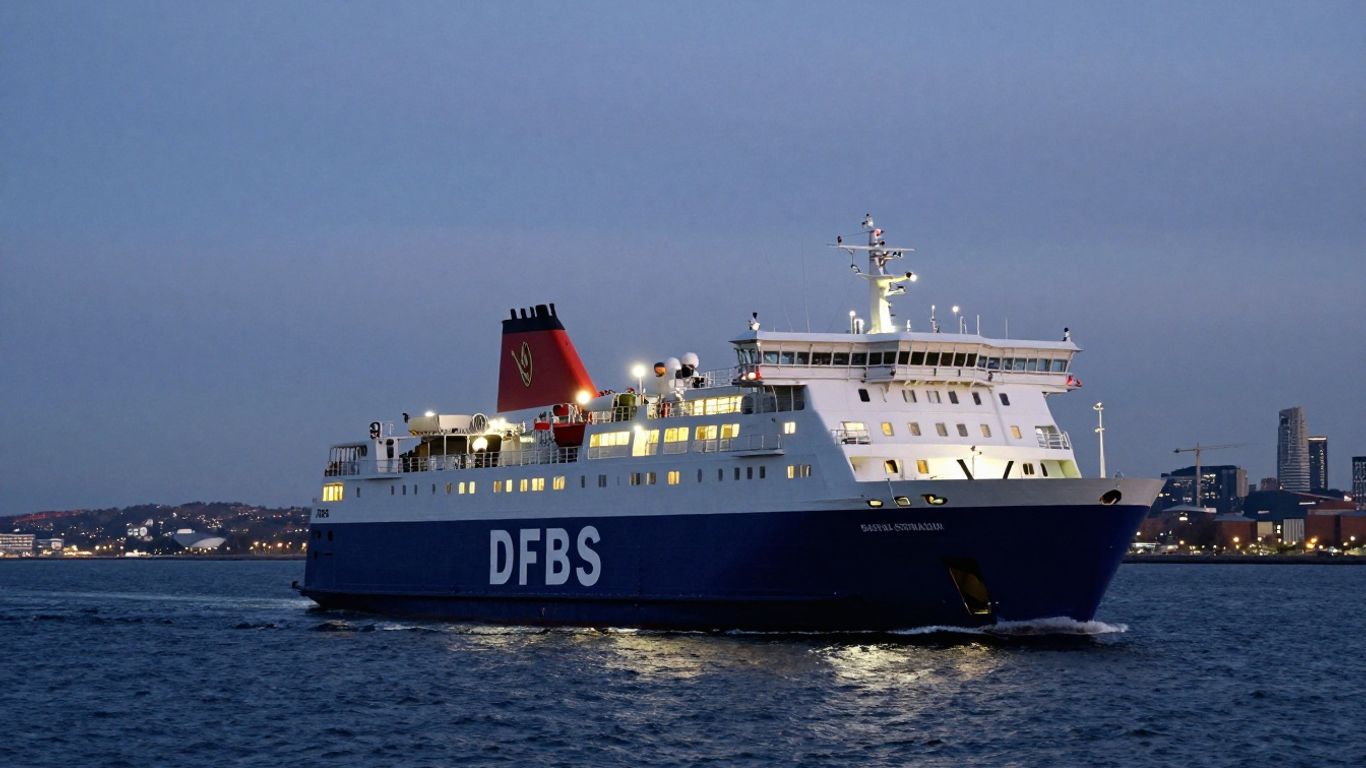
Planning a trip from the North East of England to the Dutch capital? The DFDS ferry from Newcastle to Amsterdam is a popular way to travel, offering a different experience to flying. It’s an overnight journey, so you wake up ready to explore. This guide covers everything you need to know for your DFDS ferry Newcastle to Amsterdam trip, from booking to getting around once you arrive.
Key Takeaways
- Booking your DFDS ferry Newcastle to Amsterdam involves choosing dates, cabin types, and any extras you might need.
- Prepare for your trip by packing smart for an overnight journey and understanding the check-in process.
- Onboard the ferry, you’ll find various dining options, entertainment, and comfortable cabins for your rest.
- Upon arrival in IJmuiden, you’ll need to arrange transport to get to the heart of Amsterdam.
- Make the most of your Amsterdam visit by planning your sightseeing and knowing how to get around the city.
Booking Your DFDS Ferry Newcastle to Amsterdam
Getting your ferry booked for the trip from Newcastle to Amsterdam is pretty straightforward, but there are a few things to think about to make sure you get the best deal and the right setup for your journey. It’s worth spending a little time on this part to make your trip smoother.
Choosing Your Ferry Crossing Dates
When you’re planning your trip, picking your dates is the first big step. The ferry runs overnight, so you’ll be travelling while you sleep. Prices can change depending on the day of the week and the time of year. Weekends and school holidays are usually more expensive, so if you can be flexible, travelling mid-week or outside of peak times might save you some cash. You can check the DFDS website for their timetable and prices. Remember, this route is a great way to get to the continent, and it’s also handy if you’re heading further north in the UK too convenient access to Scotland.
Selecting Your Cabin Type
Since it’s an overnight trip, you’ll want a cabin. There are a few options available, from basic inside cabins to ones with sea views. The inside cabins are cheaper and perfectly fine for sleeping, but if you fancy waking up to the sight of the sea, a sea view cabin is a nice treat. They also have different sizes, so whether you’re travelling solo, as a couple, or with family, you can find something suitable. Some cabins have en-suite bathrooms, which is always a bonus.
Understanding Ticket Options and Extras
When you book, you’ll see different ticket types. Most standard tickets will include your ferry crossing and your cabin. You can also add meals in advance, which can sometimes be cheaper than buying them on board pre-booking meals. Think about whether you need to bring a car, as this will affect your booking. Other extras might include things like travel insurance or even pet-friendly cabins if you’re bringing your furry friend along. It’s a good idea to look at everything that’s included and what costs extra before you finalise your booking.
Always double-check the details of your booking before you confirm. Things like the number of passengers, cabin type, and any added extras should be exactly what you expect. It’s easy to make a small mistake when booking online, so a quick review can save a lot of hassle later on.
Preparing For Your DFDS Ferry Journey
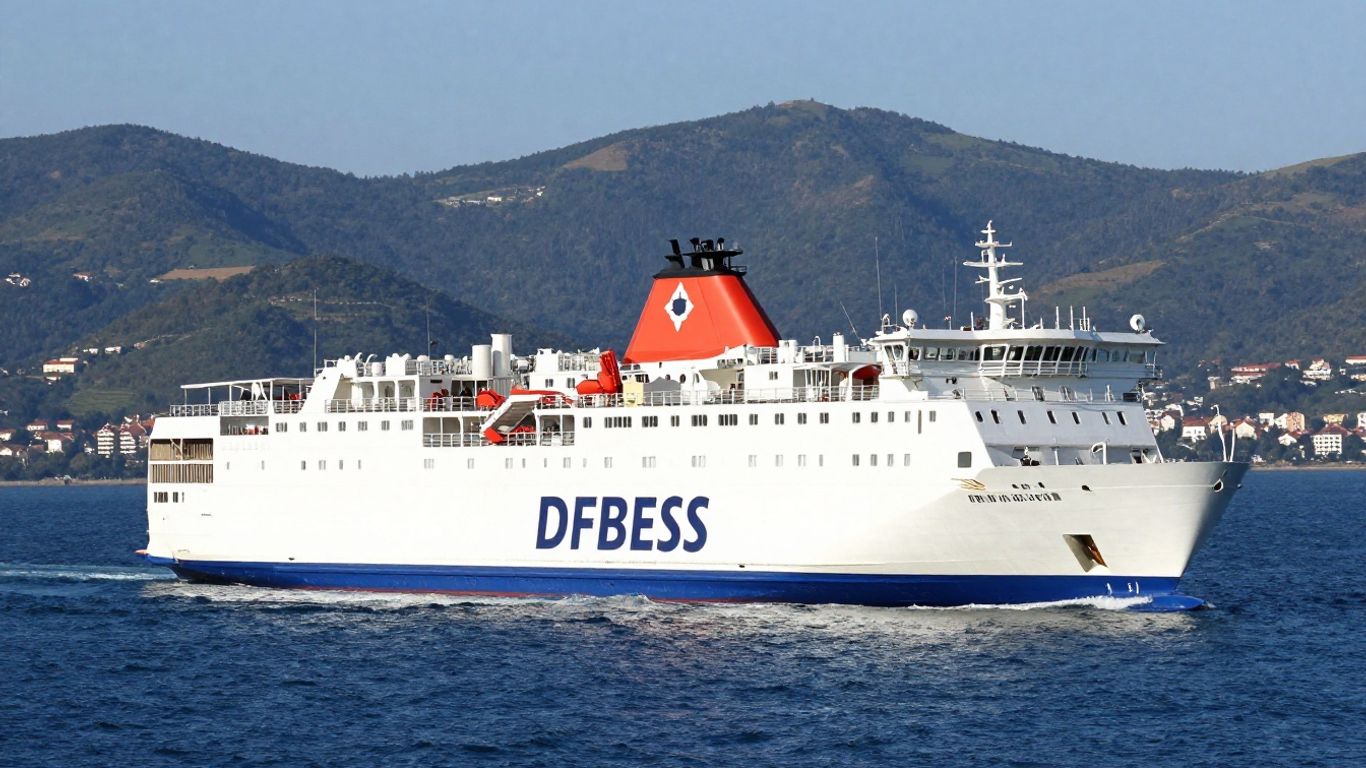
So, you’ve booked your ferry to Amsterdam – brilliant! Now, let’s get you ready for the trip. It’s not quite like hopping on a plane, but it’s pretty straightforward once you know what to expect.
What to Pack for the Overnight Ferry
Since you’ll be travelling overnight, packing smart makes a big difference. Think of it like packing for a short hotel stay. You’ll want:
- Comfortable clothes: Layers are your friend, especially for sleeping. Pyjamas are a must, obviously.
- Toiletries: Bring your usual toothbrush, toothpaste, and any other bits you need for your morning routine. While there are en-suite bathrooms in the cabins, you might want your own familiar products.
- Entertainment: A good book, downloaded podcasts, or a tablet can be great for winding down. There’s usually WiFi, but it can be a bit hit-and-miss, so don’t rely on it for anything vital.
- Chargers: Make sure you have chargers for all your devices. There are usually plug sockets in the cabins, but it’s always good to be prepared.
- Snacks: While there are places to eat on board, having a few of your favourite snacks can be a nice treat, especially if you get peckish late at night.
Don’t forget any necessary travel documents; you’ll need these at various points.
Check-in Procedures and Timings
Getting to the terminal on time is key. DFDS usually recommends arriving a bit before the scheduled departure. It’s not usually as hectic as an airport, but you still want to give yourself plenty of breathing room.
- Arrival Time: Aim to be at the terminal at least 60 to 90 minutes before your ferry is due to set sail. This gives you time to park, check in, and get to the boarding gate without rushing.
- What You’ll Need: Have your booking confirmation (a printed copy or on your phone is usually fine) and your passports ready. They’ll scan your boarding pass and check your documents.
- Vehicle vs. Foot Passenger: If you’re travelling with a car, you’ll follow a different process than foot passengers. Car passengers usually drive straight onto the ferry after check-in.
It’s always a good idea to double-check the specific check-in times for your sailing on the DFDS website before you travel. Things can sometimes change, and you don’t want to miss the boat, literally!
Navigating the Newcastle Terminal
The DFDS terminal in Newcastle is where your adventure begins. It’s pretty well signposted, so you shouldn’t have too much trouble finding your way around. If you’re driving, follow the signs for the ferry terminal. Once you’re there, you’ll head into the passenger building. Inside, you’ll find check-in desks and waiting areas. It’s a good spot to grab a coffee or use the facilities before you board. If you’re a foot passenger, you’ll check in here and then usually wait for a shuttle bus or be directed to the boarding area. For those travelling with a vehicle, you’ll check in and then follow the instructions to drive your car onto the ferry. It’s all quite organised, really. You can find more details about travel documents and preparation on the DFDS site if you’re unsure about anything.
Life Aboard the DFDS Ferry
So, you’ve settled into your cabin and the ship’s pulled away from the Newcastle shore. Now what? Well, the DFDS ferry isn’t just about getting from A to B; it’s a bit of a destination in itself. There’s actually quite a lot to keep you occupied during the overnight journey.
Dining Options and Restaurants
When it comes to food, you’ve got a few choices. The main buffet restaurant is usually the most popular spot. It’s a good way to get a bit of everything, from salads to hot mains and desserts. It’s pretty straightforward – you pay a set price and can go back for more if you’re still peckish. If you’re after something a bit more special, there’s often an à la carte restaurant too. This is where you can get a proper sit-down meal, choosing from a menu. It’s a bit pricier, naturally, but can be a nice treat. Don’t forget the bars, either; they serve snacks and drinks throughout the day and night.
Here’s a rough idea of what to expect:
- Buffet Restaurant: All-you-can-eat style, varied international dishes.
- À la Carte Restaurant: Table service, set menu with higher quality dishes.
- Bars: Lighter snacks, drinks, and a more casual atmosphere.
The food on these ferries can be surprisingly good. While the buffet is convenient, treating yourself to a meal in the more formal restaurant is definitely worth considering for a special start or end to your trip.
Entertainment and Onboard Facilities
Don’t expect a full-blown cruise ship, but there are ways to pass the time. Most ferries have a lounge area where you can relax, read, or just watch the sea go by. There’s usually a bar in this area too, often with live music on some sailings, which can be quite lively. Some ships might have a small shop selling essentials, souvenirs, and maybe some duty-free items. If you’re travelling with kids, there might be a small play area, though it’s not usually extensive. For those who just want to chill, finding a quiet spot with a view is always an option. It’s a good chance to disconnect a bit, which is nice these days. You can check out the different ferry routes DFDS operates to get a feel for their services.
Relaxing in Your Ferry Cabin
Your cabin is your private space for the journey. They come in different sizes, from basic inside cabins with no window to larger outside cabins with a sea view. Some even have a double bed if you’re travelling as a couple. All cabins have an en-suite bathroom, which is a definite plus. You’ll find beds, a small seating area, and storage space for your luggage. It’s the perfect place to get a good night’s sleep before you arrive in Amsterdam. Make sure you unpack enough to be comfortable for the evening and morning. Bringing a book or downloading some podcasts beforehand is a good idea, as Wi-Fi can be a bit hit-and-miss and costly. It’s your little haven for the night, so make the most of the peace and quiet.
Arriving in Amsterdam by Ferry
After a good night’s sleep, you’ll wake up to the sight of the Dutch coastline. The ferry docks at IJmuiden, which is the port for Amsterdam, not the city centre itself. Don’t be surprised by the location; it’s a common setup for ferries serving major cities.
Disembarking in IJmuiden
Disembarking is usually pretty straightforward. Follow the signs and the flow of passengers. If you’re travelling with a car, you’ll follow specific instructions for vehicle decks. It’s a good idea to have your booking details handy, just in case. You can check live departure and arrival times to get an idea of when you’ll be docking.
Transport Options to Amsterdam City Centre
Once you’re off the ferry, you’ll find various ways to get to Amsterdam. The most common and often easiest is the bus service that runs directly from the ferry terminal. These buses are timed to meet the ferry arrivals.
Here’s a breakdown of your options:
- Bus: The dedicated IJmuiden ferry bus (often line 352) is the most popular choice. It takes you directly to Amsterdam Sloterdijk station, from where you can easily connect to other public transport.
- Taxi: Taxis are available outside the terminal, but they will be more expensive than the bus.
- Ride-sharing: Services like Uber might also be available, depending on demand.
The bus is generally the most cost-effective and convenient way to reach the city, especially if you’re not familiar with the area. It’s designed to make the transition from sea to land as smooth as possible.
Exploring Amsterdam’s Waterfront
As you travel from IJmuiden towards the city, you’ll start to see glimpses of the Dutch landscape. The journey itself offers a bit of a preview of the country’s relationship with water. Once you arrive in Amsterdam, the waterfront areas, like the IJ waterfront or the historic harbour, are worth exploring. They offer a different perspective on the city, with houseboats, modern architecture, and remnants of its maritime past.
Making the Most of Your Amsterdam Adventure
So, you’ve arrived in IJmuiden, and Amsterdam is calling! It’s a city that’s got a bit of everything, really. From world-class museums to just chilling by the canals, there’s plenty to keep you busy. Don’t try to cram too much into one day; Amsterdam is best enjoyed at a relaxed pace.
Key Amsterdam Attractions
When you think of Amsterdam, you probably picture the canals, right? They’re pretty special, and a boat trip is a must-do. You can get all sorts of tours, from big shared boats to smaller, more personal ones. It’s a great way to see the city from a different angle.
- Rijksmuseum: Home to Dutch Masters like Rembrandt. It’s huge, so give yourself a good few hours.
- Anne Frank House: A really moving experience. Book your tickets way in advance, seriously.
- Van Gogh Museum: If you’re a fan of his work, this is the place to be.
- Canal Ring: Just wandering through the Jordaan district and along the main canals is an attraction in itself.
Local Cuisine and Dining Experiences
Food in Amsterdam is a mixed bag, but in a good way. You’ve got your traditional Dutch snacks, but also a massive international food scene. Don’t leave without trying some of these:
- Stroopwafels: Warm, gooey caramel waffles. You can find them fresh from street vendors.
- Bitterballen: Deep-fried, meaty snacks, perfect with a beer.
- Haring (Herring): If you’re brave, try raw herring with onions and pickles. It’s a Dutch classic.
- Indonesian Rijsttafel: A legacy of Dutch colonial history, this is a feast of small dishes.
There are loads of great places to eat, from fancy restaurants to casual cafes. We found some really nice spots just off the main tourist drags. It’s worth exploring a bit to find those hidden gems.
The city’s layout, with its concentric canals, can seem a bit confusing at first. But honestly, getting lost is part of the fun. You’ll stumble upon charming little streets and quiet squares you wouldn’t have found otherwise. Just keep a general sense of direction and enjoy the discoveries.
Getting Around the City
Amsterdam is a city made for walking and cycling. Seriously, watch out for the bikes – they come out of nowhere!
- Walking: The best way to see the smaller streets and soak up the atmosphere.
- Cycling: Rent a bike for a true Amsterdam experience. Just be mindful of the rules and other cyclists.
- Trams: Efficient for covering longer distances within the city. You can buy day passes.
- Ferries: Free ferries run from behind Centraal Station across the IJ river, useful if you’re exploring Amsterdam Noord.
If you’re planning on heading further afield, perhaps to explore other parts of the Netherlands, remember that the ferry from Newcastle docks in IJmuiden. From there, it’s a short bus or taxi ride to the city centre. It’s a pretty straightforward process, and the buses are frequent. You can find more information on transport options to Amsterdam city centre if you need it.
Returning to Newcastle via DFDS Ferry
So, your Amsterdam adventure is drawing to a close, and it’s time to head back to the ferry terminal in IJmuiden. Don’t worry, the return journey is just as straightforward as the trip over. Getting back to Newcastle is a breeze with DFDS.
Boarding the Ferry in IJmuiden
Make sure you know your boarding time – it’s usually a few hours before departure. Head back to the terminal building, and you’ll go through check-in again. They’ll scan your ticket and direct you to the waiting area. It’s a good idea to have your booking confirmation handy, just in case. Remember, the ferry sails on a schedule, so don’t be late!
Your Return Journey Experience
Once you’re on board, you can settle back into your cabin or explore the ship again. Many people find the return trip a bit more relaxed, perhaps because they’ve already got their bearings. You might want to grab a final meal in one of the restaurants or just enjoy the sea views from the deck. It’s a good chance to reflect on your trip and maybe get some rest before you arrive back in the UK.
The overnight sailing means you can wake up refreshed and ready for the day ahead in Newcastle. It’s a pretty neat way to travel, saving you a hotel night and a long drive.
Arrival Back in Newcastle
Disembarking in Newcastle is usually a smooth process. Follow the signs and the crew’s instructions. You’ll head back through the terminal building, and from there, you can make your way home or to your next destination. The ferry terminal is well-connected, making your onward travel simple. It’s a good idea to check the latest sailing times before you travel, just to be sure.
Here’s a quick rundown of what to expect:
- Check-in: Arrive at the IJmuiden terminal with plenty of time.
- Boarding: Follow crew instructions to get onto the ferry.
- Onboard: Settle into your cabin or enjoy the ship’s facilities.
- Disembarking: A straightforward process upon arrival in Newcastle.
- Departure: Head home or to your next stop from the terminal.
So, is the DFDS ferry from Newcastle to Amsterdam worth it?
Right then, that’s pretty much the lowdown on the DFDS ferry trip from Newcastle to Amsterdam. It’s a bit of a different way to travel, isn’t it? Instead of rushing through an airport, you get to relax, see the sea, and arrive right in the city. We found it a pretty chilled-out experience, honestly. You can grab a bite, watch a film, or just stare out at the water. It’s not the quickest way to get there, sure, but for a bit of a break from the usual travel grind, it’s a solid option. If you fancy a journey that feels more like part of the holiday than just a way to get from A to B, then this ferry might just be your ticket.
Frequently Asked Questions
How long does the ferry trip from Newcastle to Amsterdam take?
The ferry journey across the North Sea is an overnight trip. You’ll set sail in the afternoon and arrive in the Netherlands the next morning, giving you plenty of time to relax and enjoy the facilities on board.
What kind of rooms can I book on the ferry?
DFDS offers different types of cabins for your comfort. You can choose from basic inside cabins, which are cosy and affordable, or opt for a sea view cabin if you fancy watching the waves. There are also larger family cabins available for groups or families travelling together.
Can I take my car on the ferry?
Absolutely! If you’re planning a road trip, you can bring your car, motorbike, or even a caravan along for the journey. Just make sure to book your vehicle space when you purchase your ferry tickets to guarantee a spot.
What is there to do on the ferry during the crossing?
There’s quite a bit to keep you entertained! You can grab a bite to eat in one of the restaurants, enjoy a drink at the bar, catch some live music, or simply unwind in your cabin. There are also shops for a bit of retail therapy.
How do I get from the ferry port in the Netherlands to Amsterdam city centre?
The ferry arrives at IJmuiden, which is a short drive from Amsterdam. You can catch a bus that’s timed to meet the ferry, or if you’ve brought your car, you can drive yourself. Taxis are also available if you prefer.
What should I pack for an overnight ferry trip?
It’s a good idea to pack an overnight bag with essentials like pyjamas, toiletries, and a change of clothes, just as you would for a hotel stay. Don’t forget any entertainment like books or chargers for your devices. You’ll leave your main luggage with your car or in the luggage area.