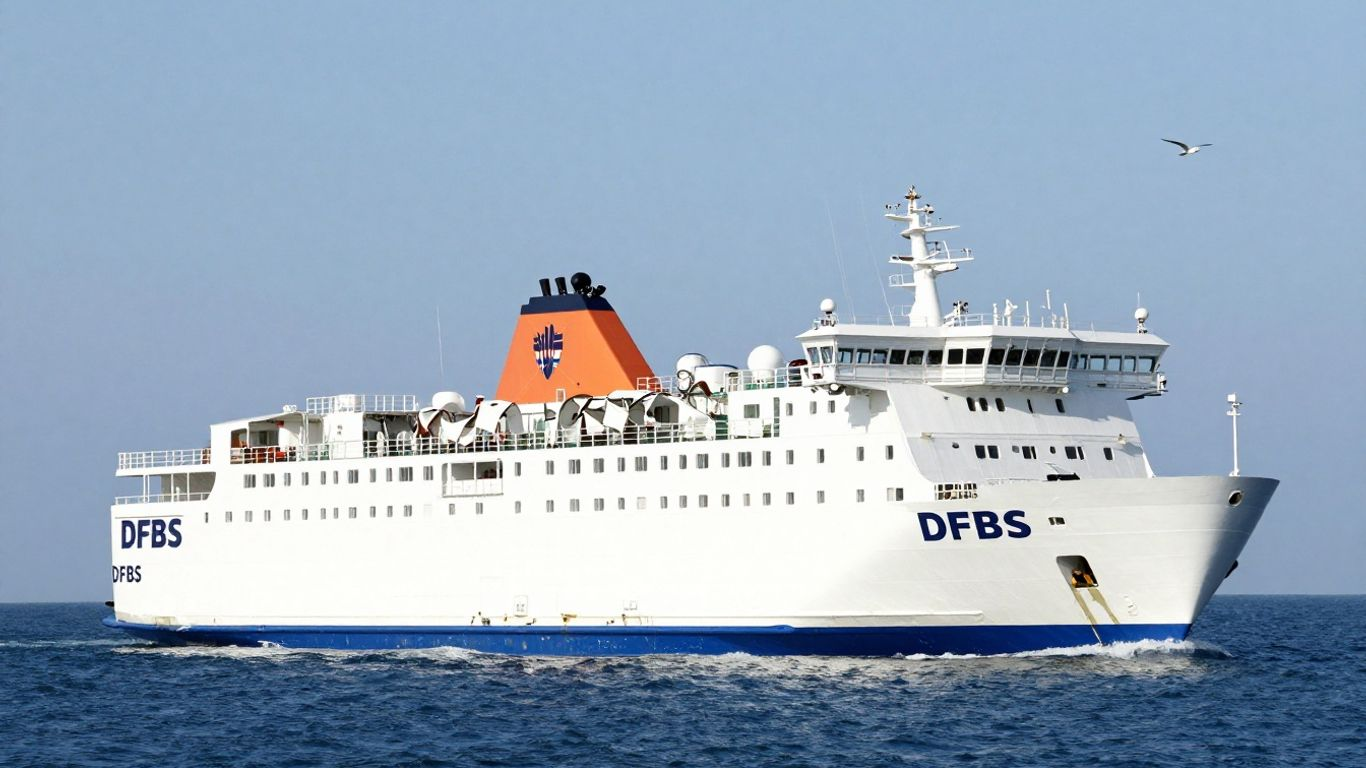
Thinking about taking a trip across the water? A DFDS Seaways ferry could be just the ticket. It’s a pretty straightforward way to travel, whether you’re heading off on a holiday or just a quick break. This guide is here to help you get ready for your DFDS Seaways ferry journey, making sure everything goes smoothly from start to finish. We’ll cover booking, what to expect on board, and what to do when you arrive. Let’s get you sorted for your next adventure.
Key Takeaways
- When booking your DFDS Seaways ferry, pick your route and dates carefully, look at the different ticket types available, and make sure your booking is secure.
- Before you travel, pack smart, have your travel documents ready, and know how to get to the ferry terminal on time.
- On the DFDS Seaways ferry, check out the facilities, decide where you’ll eat, and find ways to relax or keep yourself entertained.
- When you arrive, follow the steps for getting off the ferry, start exploring your new location, and plan how you’ll continue your trip.
- For a better DFDS Seaways ferry trip, think about travelling with kids or pets, make yourself comfortable on the ship, and know who to contact if you need help.
Booking Your DFDS Seaways Ferry Journey
Getting your ferry booked is the first step to a proper holiday, and with DFDS, it’s pretty straightforward. You’ll want to get this sorted well in advance, especially if you’re travelling during busy periods like school holidays or bank holidays. It just makes sense to have it all sorted.
Choosing Your Route and Dates
DFDS runs a few different routes, so you’ll need to pick the one that best suits where you’re going. The Dover to Dunkirk route is a popular choice, taking about two hours. It’s a good option if you’re heading further into Europe, like Belgium or the Netherlands. You can check out the Dover to Dunkirk ferry route details to see if it fits your plans. Think about when you want to travel too. Prices can change depending on the day of the week and the time of year, so being a bit flexible might save you some money.
Understanding Ticket Options
When you book, you’ll see different ticket types. Most standard tickets cover your vehicle and passengers. Sometimes there are options for different cabin types if you’re on a longer crossing, or maybe just a standard seat. For shorter trips, you might not need a cabin at all. If you’re thinking about travelling without a car, it’s worth checking if foot passenger tickets are available for your chosen route. Some routes, like Newhaven to Dieppe, do allow travel as a foot passenger.
Making a Secure Booking
Once you’ve decided on your route, dates, and ticket type, it’s time to book. The DFDS website is where you’ll do this. You’ll need to enter your details, vehicle information if applicable, and payment details. Always double-check all the information before you confirm your booking to avoid any mistakes. They use secure payment systems, so your details should be safe. Keep a copy of your booking confirmation handy, either printed or on your phone, as you’ll need it when you check in.
Booking in advance is generally a good idea. It often means better prices and more choice, especially for specific times or cabin preferences. Last-minute bookings can sometimes be more expensive or have limited availability.
Preparing For Your DFDS Seaways Ferry Trip
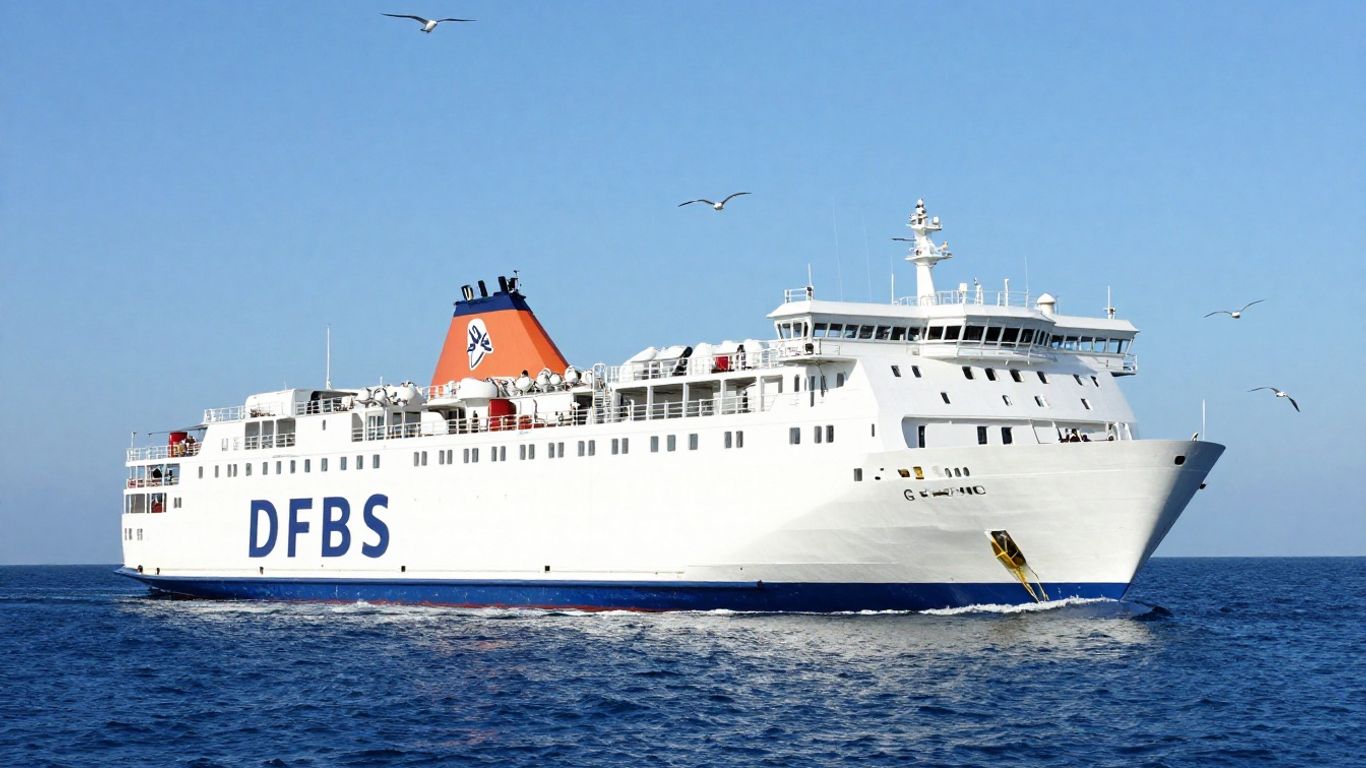
Right then, getting ready for your ferry trip with DFDS is pretty straightforward, but a bit of planning goes a long way. You don’t want to be scrambling at the last minute, do you?
What to Pack for the Crossing
Think about what you’ll need during the journey itself, not just for your destination. It’s easy to forget that once you’re on board, you might not want to keep going back to your car for every little thing. So, a small bag with essentials is a good idea. This could include:
- Snacks and drinks (though there are places to buy these onboard, having your own is handy).
- Entertainment – a book, tablet, or headphones for music.
- Any medication you might need.
- A jumper or light jacket, as it can sometimes feel a bit cooler on the ferry.
- Your phone charger.
Essential Documents for Travel
This is a big one, and you absolutely don’t want to get this wrong. Make sure all your travel documents are up-to-date and easily accessible. For most trips within Europe, you’ll need your passport. If you’re travelling to the UK from mainland Europe, you’ll need your passport and potentially a visa depending on your nationality. Always check the latest government advice for both your departure and arrival countries before you travel. For car travel, don’t forget your driving licence and vehicle registration documents.
It’s worth double-checking the specific requirements for your route and nationality well in advance. Things can change, and it’s better to be over-prepared than to face a problem at the port.
Arriving at the Ferry Terminal
DFDS usually recommends arriving a good while before your scheduled departure. For car passengers, it’s often around 90 minutes before. This gives you plenty of time to check in, get your boarding pass, and find your way. Foot passengers might have a slightly different check-in time, so it’s always best to confirm this when you book. You’ll need to head to the designated check-in area, where staff will guide you through the process. They’ll check your booking and your documents. For the Dover to Dunkirk route, for example, arriving with enough time is key to a relaxed start to your trip. Remember, check-in for foot passengers often closes about 40 minutes before departure, so don’t be late!
Life Aboard Your DFDS Seaways Ferry
So, you’ve booked your trip and you’re wondering what it’s actually like on the ferry itself. Well, DFDS really tries to make the journey part of the holiday, not just a way to get from A to B. There’s quite a bit going on to keep you occupied and comfortable.
Onboard Facilities and Amenities
When you step onto the ferry, you’ll find a decent range of facilities. Think of it like a small, floating town. There are places to sit and relax, some with nice views of the sea. You’ll also find shops where you can pick up souvenirs or any last-minute bits you might have forgotten. For families, there are often play areas to keep the little ones entertained, which is a lifesaver on longer trips. Free WiFi is usually available, though it can be a bit hit-and-miss depending on where you are in the Channel. If you fancy a bit more peace and quiet, you can sometimes pay a little extra for access to a premium lounge. These usually have comfier seats and maybe some complimentary snacks and drinks.
Dining Options and Refreshments
Food is a big part of any trip, right? DFDS ferries usually have a few different places to grab a bite. You’ll typically find a main restaurant serving up meals, often with a buffet style option so you can go back for seconds if you’re really hungry. There are also usually cafes or bistros offering lighter snacks, sandwiches, and hot drinks. It’s worth checking the specific route you’re travelling on, as the exact choices can vary. For example, the Dover to Dunkirk route has a good selection of places to eat.
Entertainment and Relaxation
Beyond just eating and shopping, there are ways to pass the time. Some ferries have lounges where you can just sit back and watch the waves. If you’re travelling with kids, look out for any onboard entertainment they might have, like quizzes or play zones. It’s not exactly a cruise ship with West End shows, but it’s enough to make the crossing fly by. You can also just find a quiet spot on an outdoor deck if the weather’s nice and enjoy the sea air.
Remember to pack a separate bag with anything you might need during the crossing. You usually can’t get back to your car once you’re onboard, so having essentials like medication, snacks, or entertainment for the kids easily accessible is a good idea.
Overall, the onboard experience is designed to be straightforward and pleasant. You can find a range of onboard facilities to suit most needs, making your journey a relaxing part of your holiday.
Navigating Your DFDS Seaways Ferry Arrival
So, you’ve had a great trip and the ferry is pulling into port. What happens next? It’s usually pretty straightforward, but knowing what to expect can make things even easier.
Disembarking Procedures
Once the ferry has docked, you’ll usually hear an announcement telling you when it’s okay to start getting ready. Don’t rush to the car deck straight away; wait for the all-clear. If you’re on foot, you’ll typically disembark first. For those travelling by car, stay put until instructed to drive off. The crew will guide you, so just follow their directions. It’s a good idea to have your travel documents handy, just in case.
- Listen for disembarking announcements.
- If travelling by car, wait for instructions to drive off.
- Have your passport and any other required documents ready.
- Follow the directions of the ferry staff.
Exploring Your Destination
As soon as you’re off the ferry, you’ll find yourself in a new place, ready for your next adventure. Whether you’ve arrived in France, the Netherlands, or another exciting location, take a moment to get your bearings. Signs at the port will usually direct you towards onward travel options, whether that’s car hire, public transport, or simply finding your way to your accommodation. If you’re driving, remember to check your route before you leave the port area. It’s worth noting that arrival times can sometimes vary slightly due to tides or port traffic, so it’s always wise to have a little flexibility in your plans. For example, arriving in Calais often means following signs for the exit roads leading to the A16 motorway.
It’s always a good idea to have a rough plan for what you’ll do immediately after disembarking. This could be as simple as knowing which direction to walk or drive, or having your next transport connection confirmed.
Continuing Your Journey
Once you’ve cleared the port, your onward travel begins. If you’ve driven, you’ll likely be joining the local road network. Familiarise yourself with the road signs in your new country, as they can differ. For those relying on public transport, check the schedules and locations of train stations or bus stops near the ferry terminal. DFDS often provides information on local transport links, which can be really helpful. If you’re meeting someone, make sure you have a clear meeting point. Having a map or a reliable GPS system is a lifesaver.
| Transport Option | What to Expect |
|---|---|
| Car | Follow port exit signs, check local road rules. |
| Train | Locate nearest station, check timetables. |
| Bus | Find bus stops, confirm routes and times. |
| Taxi | Pre-book or find designated taxi ranks. |
Tips for a Seamless DFDS Seaways Ferry Experience
Travelling with Children or Pets
Taking the ferry with little ones or your furry friends? DFDS makes it pretty straightforward. For families, think about booking a family cabin if you’re on an overnight trip – it gives everyone a bit more space to spread out. Pack a bag of their favourite snacks and some entertainment; a tablet with downloaded shows or a few small toys can be a lifesaver. Remember to check the ferry’s specific rules for bringing pushchairs or travel cots onboard.
If you’re travelling with pets, most routes allow them, but they usually need to stay in your vehicle during the crossing, or in designated pet-friendly cabins or kennels. It’s really important to book this in advance, as spaces are limited. Make sure your pet has enough water and is comfortable before you leave them. You’ll want to check the latest pet travel requirements well before your departure date to avoid any last-minute surprises.
Maximising Your Onboard Comfort
Want to make your time on the ferry as pleasant as possible? A little preparation goes a long way.
- Pack smart: Bring a small overnight bag with essentials like toiletries, a change of clothes, and any medication you might need. This saves you rummaging through your main luggage.
- Stay hydrated: Ferry air can be a bit dry. Keep a water bottle handy.
- Book ahead: If you fancy a specific meal in the restaurant or want to guarantee a spot in the cinema, booking in advance is a good idea, especially during busy periods.
- Embrace the view: Don’t forget to spend some time on deck. The sea air and views are often the best part of the journey.
Consider bringing a travel pillow and blanket for extra comfort, especially if you plan on resting during the day or if your cabin is a bit cooler than you’d like.
Customer Service and Support
Should you need any assistance during your trip, the DFDS crew are generally very helpful. Don’t hesitate to approach them with any questions or concerns. They can help with everything from finding your cabin to understanding onboard services.
It’s always a good idea to have your booking reference and any important contact numbers easily accessible. This way, if you do run into any issues, you can sort them out quickly and efficiently.
For any pre-travel queries or specific needs, contacting DFDS customer support before you travel is recommended. They can provide detailed information about Dover terminal facilities or any other specific route queries you might have. Remember, a little communication beforehand can prevent a lot of hassle later on.
All Set for Your Ferry Trip?
So, there you have it. A bit of planning goes a long way when you’re heading off on a DFDS Seaways ferry. We’ve covered getting your tickets sorted, what to expect when you get to the port, and just a few tips for making the journey itself a bit more pleasant. It’s not complicated, really. Just remember to pack a bit of patience, maybe a good book, and you’ll be fine. Enjoy the sea air and the break from the road – it’s a different way to travel, and often a much more relaxing one. Have a great trip!
Frequently Asked Questions
How do I pick the best ferry route for my trip?
Think about where you want to go and when. DFDS offers lots of different routes, so check their website to see which ones fit your holiday plans. You can usually see a map and a list of destinations. It’s a good idea to book ahead, especially during busy times like summer holidays, to get the dates you want.
What different types of tickets can I buy?
DFDS has a few ticket options. You might find standard tickets, or ones that let you be more flexible if your plans change. Sometimes there are special deals or packages available, especially if you’re travelling with a car or a larger group. Always read the details of each ticket type to see what’s included.
What should I bring with me on the ferry?
Pack like you’re going on a short trip! Essentials include your travel documents (like passports or ID) and your booking confirmation. Comfortable clothes are a must for the journey. If you plan to relax, maybe bring a book or some headphones. Don’t forget any medicines you might need.
What facilities are on the ferry?
Ferries are like mini-cruises! You’ll find places to eat, like restaurants and cafes, selling snacks and meals. There are often shops where you can buy souvenirs or travel essentials. Some ferries have play areas for kids, lounges to sit back in, and sometimes even entertainment. It’s worth checking what’s on your specific ferry before you travel.
Can I take my pet on the ferry?
Yes, you can usually bring your pet! DFDS has rules about where pets can travel, often in kennels or sometimes in your car. You’ll need to check the specific pet policy when you book and make sure you have all the right paperwork for your animal, especially if you’re travelling to another country.
What happens when we arrive at the destination port?
When the ferry docks, follow the signs and instructions from the crew. If you’re in a car, you’ll drive off the ferry. If you’re a foot passenger, you’ll walk off. Make sure you have your bags ready. Once you’re off the ferry, you can start exploring your new destination or head to your next mode of transport.