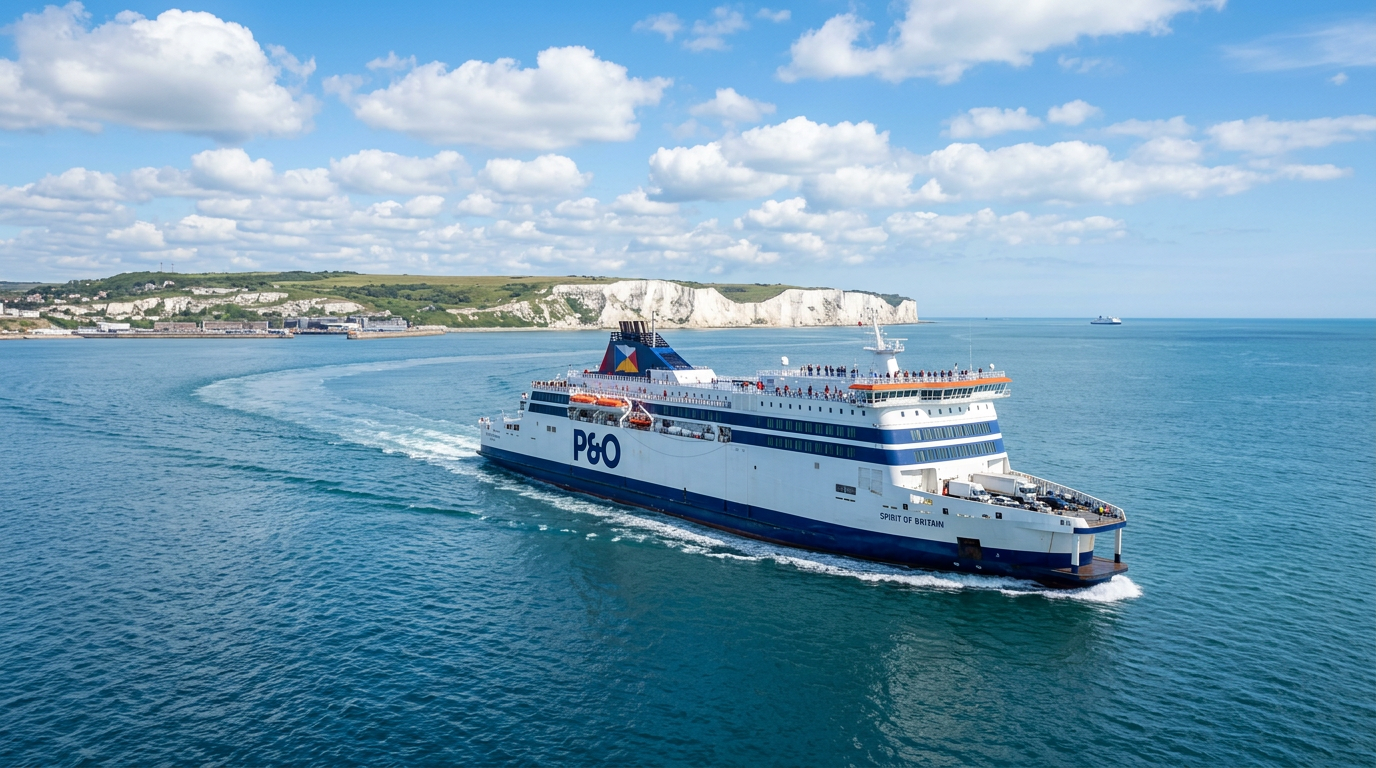
The car ferry to france cost typically ranges from as little as £50 for a one-way off-peak crossing on a short route to £250 or more for a return trip on a longer route during peak season. The final price depends on the route, time of travel, ferry operator, and how far in advance you book.
Taking your car to France by ferry offers a fantastic blend of convenience and freedom, allowing you to pack everything you need and explore the country at your own pace. However, understanding the pricing structure can feel complex. This guide breaks down the elements that influence the final cost, helping you find the best value for your trip.
Key takeaways
- The car ferry to France cost varies widely from around £50 to over £250 each way, depending on the route, season, and time of booking.
- Booking your ferry well in advance, especially for peak summer travel, is the most effective way to secure lower prices.
- The shortest and most frequent route, Dover to Calais, is generally the cheapest option for crossing the English Channel.
- Ticket prices are influenced by the time of day, with overnight or very early morning sailings often being more affordable.
- Comparing different ferry operators like P&O Ferries, DFDS Seaways, and Brittany Ferries can reveal significant price differences for similar crossings.
What Determines the Price of a Car Ferry to France?
The total car ferry to france cost is determined by several key factors, including the route you choose, the time of year you travel, how far in advance you book, and the ferry operator. The size of your vehicle and any extras like cabins or pets will also affect the price. Understanding these variables allows you to make informed decisions and find a fare that fits your budget.
Each element plays a crucial role. For instance, travelling during the school summer holidays will always be more expensive than in the middle of term time. Similarly, a last-minute booking for a weekend sailing will command a premium. Being flexible with these details is the key to unlocking better prices.
How Do Ferry Routes Affect the Cost?
The ferry route has the single biggest impact on price. Shorter crossings, like Dover to Calais, are typically the most economical, while longer routes from western ports like Portsmouth or Plymouth cost more due to the greater distance and longer sailing time. These longer routes, however, can save you significant driving time in France.
The Dover to Calais ferry crossing is the busiest and often most competitive route, leading to lower prices from operators like P&O Ferries and DFDS. Other routes offer different advantages, such as arriving closer to your final destination in Normandy or Brittany.
Common Ferry Routes and Price Levels
To give you an idea of how prices vary, here is a comparison of popular routes. Prices are dynamic, but this table shows the general cost level you can expect.
| Route | Departure Port | Arrival Port | Typical Price Level |
|---|---|---|---|
| Dover – Calais | Dover | Calais | £ |
| Dover – Dunkirk | Dover | Dunkirk | £ |
| Newhaven – Dieppe | Newhaven | Dieppe | ££ |
| Portsmouth – Caen | Portsmouth | Caen | £££ |
| Portsmouth – St Malo | Portsmouth | St Malo | ££££ |
| Poole – Cherbourg | Poole | Cherbourg | £££ |
As you can see, the short strait crossings from Dover are the most budget-friendly options. The journey gets progressively more expensive as you move west along the English coast, but this can be offset by savings on fuel and tolls in France.
When Is the Cheapest Time to Travel?
The cheapest time to take a car ferry to France is during the off-peak seasons of autumn and winter, outside of major holidays. Mid-week and late-night sailings also offer lower prices compared to peak weekend and daytime crossings. Demand dictates price, so avoiding popular travel times is crucial for saving money.
Peak times to avoid if you’re on a tight budget include:
- Summer Holidays: July and August are the most expensive months.
- School Half-Terms: October, February, and May holidays see a surge in demand.
- Bank Holiday Weekends: Easter and May bank holidays are particularly pricey.
- Weekends: Friday and Saturday sailings are almost always more expensive than Tuesday or Wednesday sailings.
The time of day also matters. A 2 AM sailing will often be significantly cheaper than a 10 AM one. If your schedule is flexible, an unsociable travel time can lead to substantial savings on the car ferry to france cost.
Which Ferry Operators Go to France?
Several major operators, including DFDS Seaways, P&O Ferries, Irish Ferries, and Brittany Ferries, run services from the UK to France, each with different pricing structures and service levels. DFDS and P&O Ferries dominate the short crossings from Dover, while Brittany Ferries is the primary operator on the longer western channel routes.
- DFDS Seaways: Operates from Dover to Calais and Dunkirk, and Newhaven to Dieppe. Often one of the most budget-friendly options.
- P&O Ferries: Operates the popular Dover to Calais route with a car, known for frequent services.
- Irish Ferries: A newer competitor on the Dover to Calais route, often providing competitive pricing.
- Brittany Ferries: Specialises in routes from Portsmouth, Poole, and Plymouth to destinations in Normandy and Brittany, offering a more cruise-like experience with higher-quality onboard facilities.
Comparing these operators is essential. While one may be cheaper for your outbound journey, another might offer a better deal for the return leg.
How Do Onboard Extras Impact the Final Price?
Optional onboard extras like cabin accommodation, reserved seating, premium lounges, and meal packages can significantly increase the total cost of your ferry crossing. While a basic ticket includes your vehicle and passengers, these add-ons provide extra comfort, especially on longer or overnight sailings.
On a short Dover to Calais crossing, most passengers find extras unnecessary. However, for a 6-hour journey from Portsmouth to Caen or an overnight trip to St Malo, a private cabin becomes a welcome luxury. These can range from a basic inside cabin to premium suites with balconies, with prices varying accordingly.
Top Tips for Finding Cheaper Ferry Tickets
To find the cheapest fares, you should book as early as possible, be flexible with your travel dates and times, compare different routes and operators, and look out for special offers. A little research goes a long way in reducing the car ferry to france cost.
Follow these steps to maximise your savings:
- Book Early: The golden rule of ferry travel. Prices are at their lowest when first released (typically 9-12 months in advance) and rise as the departure date approaches.
- Travel Off-Peak: Choose mid-week, late-night, or term-time sailings for the lowest fares.
- Be Flexible: Use a fare comparison website and check dates either side of your ideal departure. Shifting your trip by a day or two can unlock huge savings.
- Consider Different Routes: Check prices for both Dover to Calais and Dover to Dunkirk. For longer journeys, compare the cost of a western channel crossing against a cheaper short crossing plus the additional driving.
- Look for Deals: Operators often have promotions, especially in the off-season. Sign up for their newsletters to be notified.
Is the Ferry Cheaper Than Eurotunnel?
The ferry is often cheaper than the Eurotunnel Le Shuttle service, particularly if you book in advance or can travel at less popular times, though Eurotunnel can be competitive. While the tunnel offers a much faster crossing time (35 minutes vs 90 minutes for a ferry), this speed comes at a premium.
For a detailed comparison, it’s worth reading an in-depth analysis of the ferry versus the Eurotunnel. The best choice depends on your priorities: budget or speed. The ferry provides a relaxing break from driving with sea views and onboard amenities like restaurants and shops. The Eurotunnel is a functional, rapid transit where you remain in your vehicle for the entire journey. Both options have their merits, but the ferry usually wins on price.
Related reading
- Dover to Dunkirk Ferry Luggage Allowance: A Full Guide
- Your Guide to a Cross Channel Ferry with Pets
- Best Dover to Dunkirk Ferry Deals: A Guide
Frequently Asked Questions
How much does it cost to take a car on the ferry to France?
The cost varies significantly, from around £50 for a one-way, off-peak ticket on a short route like Dover-Calais, up to £250 or more for a peak season return journey on a longer western channel route. Booking in advance and travelling mid-week offers the best prices.
Is it cheaper to book a ferry to France in advance?
Yes, absolutely. Booking your ferry ticket several months in advance is the most effective way to secure the lowest prices. Fares increase significantly as the travel date gets closer, especially for popular routes and peak holiday periods. Last-minute bookings are always the most expensive.
What is the cheapest ferry route to France?
The cheapest ferry route to France is almost always Dover to Calais. The high frequency of sailings and competition between operators like P&O Ferries, DFDS, and Irish Ferries keeps prices low. The nearby Dover to Dunkirk route is also a very cheap alternative.
Can I take my dog on the ferry to France?
Yes, all ferry operators allow you to travel with a dog, but the rules and facilities vary. Some require pets to remain in the vehicle, while others offer pet-friendly cabins or dedicated lounges. You must have a valid Animal Health Certificate and ensure all vaccinations are up to date.
How long is the ferry crossing from Dover to Calais?
The ferry crossing from Dover to Calais is very short, taking approximately 90 minutes. This makes it the fastest ferry route across the English Channel. The check-in process and disembarkation will add extra time to your total journey.
Are ferries to France running normally?
Ferry services to France generally run to a regular and frequent schedule, 24 hours a day on the busiest routes. However, services can be subject to delays or cancellations due to adverse weather conditions or operational issues. Always check with your operator before you travel.