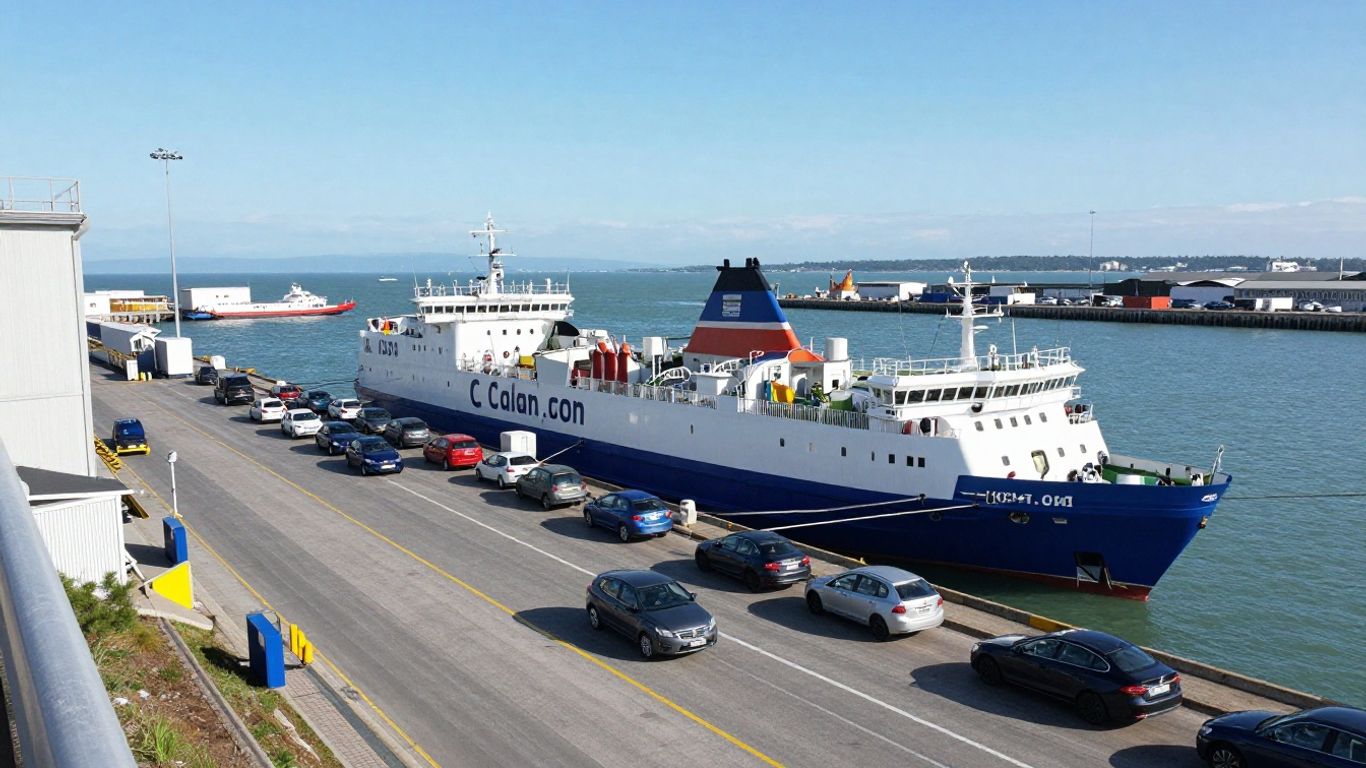
Planning a trip across the Channel? Getting to the Calais ferry port can seem a bit daunting, especially if it’s your first time. This guide is here to make things simple. We’ll walk you through everything you need to know, from finding the right roads to what to do when you get there. Think of this as your friendly chat about Calais ferry port directions, cutting out all the fuss so you can just get on with your journey.
Key Takeaways
- Know your route: Get familiar with driving directions to Calais ferry port from major UK starting points before you leave.
- French road signs: Understand what the signs mean in France to avoid getting lost.
- App power: Use navigation apps on your phone to help you find your way easily.
- Terminal check-in: Make sure you know where to go and what to do when you arrive at the ferry terminal.
- Ferry prep: Have your ticket and documents ready, and pack a few bits for the trip across the water.
Navigating To Calais Ferry Port
Right then, getting to the Calais ferry port is pretty straightforward, but a bit of planning never hurt anyone, did it? Especially if you’re driving from the UK, you’ll want to know what you’re getting into before you even leave the house.
Driving Directions From Major UK Cities
Most folks will be heading down to Dover to catch the ferry. From London, it’s usually the M20 all the way. Just follow the signs for Dover, and then you’ll see signs for the ferry port itself. It’s pretty well signposted once you get close. If you’re coming from further afield, say the Midlands or the North, you’ll likely be aiming for the M25 orbital motorway first, then heading south towards Kent. The key is to keep an eye on the signs for Dover Eastern Docks.
Here’s a rough idea for some major cities:
- London: M20 (Junction 11 for Dover Ferry Port)
- Birmingham: M40 South, M25 South, M20 East (Junction 11)
- Manchester: M6 South, M1 South, M25 South, M20 East (Junction 11)
- Bristol: M4 East, M25 South, M20 East (Junction 11)
Understanding Road Signage In France
Once you’ve landed in Calais, the signs are generally pretty clear. You’ll see signs for ‘Calais Centre’ and then specific signs for ‘Ferry Terminal’ or ‘Port’. They usually have a little ferry symbol on them. The main roads are good, and generally, French drivers are quite orderly. Just remember they drive on the right, which takes a bit of getting used to if you’re not a regular visitor. You can find more details about the Port of Calais online.
Essential Navigation Apps For Your Trip
Honestly, having a good navigation app on your phone is a lifesaver. Google Maps or Waze are brilliant for real-time traffic updates and will guide you right to the terminal. Make sure you download offline maps before you go, just in case you lose signal, which can happen.
Don’t forget to check your phone’s data roaming charges before you set off. Sometimes, getting a local SIM or a travel eSIM can save you a fortune, especially if you plan on using your phone a lot for directions or staying in touch.
Apple Maps is also a decent option and provides driving directions directly to the port, which can be handy.
Arriving At The Ferry Terminal
Right then, you’ve made it to the port. The next bit is getting yourself sorted for the ferry. It can feel a bit chaotic, especially if it’s your first time, but honestly, it’s pretty straightforward if you know what to look for.
Identifying The Correct Departure Area
When you get close to the ferry terminal, keep an eye out for signs. They’ll usually point you towards the different ferry companies. Each company will have its own check-in lanes, so it’s important to get into the right one. Look for the big signs with the ferry operator’s logo – P&O, DFDS, or whoever you’ve booked with. Don’t just follow the car in front; make sure it’s your company’s lane. It’s easy to end up in the wrong queue and then have to do a bit of a shuffle, which nobody wants.
Checking In For Your Ferry Crossing
Once you’re in the right lane, you’ll eventually get to the check-in booth. This is where you’ll show your booking confirmation and your travel documents. They’ll scan your ticket, check your passports and any other paperwork you might need, like your vehicle registration. If you’re travelling with a pet or have any special requirements, now’s the time to mention it. They might give you a sticker for your car windscreen, showing you’re checked in and ready to go. Some people find it helpful to have their booking reference number ready on their phone or printed out, just in case.
Preparing For Security Checks
After check-in, you’ll move towards the security area. This is a bit like going through airport security, but for cars. You’ll drive through a scanner, and your vehicle might be subject to random checks. Make sure any luggage or items in your car are easily accessible, just in case they need to have a quick look. It’s all about making sure everything is safe and sound for the journey. Remember to have your passports and boarding passes handy for this stage too.
It’s worth noting that the port operates on a schedule, with ferries departing from Calais to Dover quite frequently. Knowing the general timetable can help you gauge how busy things might be when you arrive. For example, departures often happen at regular intervals throughout the day, so you’re unlikely to be waiting for hours if you’ve arrived on time.
Here’s a quick rundown of what to expect:
- Signage: Follow the signs for your specific ferry operator.
- Documents: Have your booking confirmation, passports, and vehicle documents ready.
- Vehicle Scan: Drive through the security scanner as directed.
- Random Checks: Be prepared for your vehicle to be checked if selected.
If you’re travelling with a vehicle, you might need to present your GMR barcode at check-in to confirm carnet clearance, which allows boarding. This is particularly relevant if you’re using a carnet for your journey. Check your carnet instructions before you arrive to make sure you have everything in order.
Onboard Your Ferry
Right, so you’ve made it through check-in and security, and now you’re heading onto the ferry itself. It can feel a bit like a floating town, can’t it? Don’t worry, finding your way around is usually pretty straightforward.
Finding Your Vehicle On The Car Deck
This is probably the most important bit when you first get on. You don’t want to be wandering around for ages looking for your car later, especially if it’s busy. Most ferry companies have a system to help you remember where you parked. Often, they’ll have deck numbers and sometimes even coloured lines or signs to guide you. Make a note of your deck number and the nearest pillar number as soon as you park. Seriously, it’s a lifesaver.
- Look for signs indicating deck numbers (e.g., Deck 3, Deck 5).
- Pay attention to any coloured lines painted on the floor or walls.
- Note the nearest numbered pillar or bay marker.
Locating Passenger Facilities
Once your car is sorted, you’ll want to find the passenger areas. These are usually well-signposted. You’ll find places to sit, grab a bite to eat, and maybe even do a bit of shopping. The layout can vary a lot between different ferry companies, but generally, the main lounges and food areas are on the upper decks. Some ferries even have play areas for kids, which is a bonus if you’re travelling with little ones. You can often pick up a deck plan from the information desk if you’re feeling lost. It’s worth checking out the onboard shops too; you might find some bargains, especially with the duty-free options available on some routes. You can discover a variety of onboard shops on the Dover to Calais route.
Understanding Safety Procedures
Safety is obviously a big deal on any ferry. You’ll usually see signs pointing to life jackets and emergency exits. They often do a quick safety announcement over the tannoy system as you leave port, so it’s worth paying a bit of attention to that. It’s not just about knowing where the lifeboats are, but also understanding what to do in different situations. They’ll tell you about muster stations – that’s basically where you’d go in an emergency.
While it might seem like a formality, familiarising yourself with the safety information provided is a sensible step. It’s all there to help keep everyone safe during the crossing.
Most ferries will have:
- Clearly marked emergency exits.
- Information points about safety equipment.
- Announcements regarding procedures during the voyage.
Disembarking In Calais
Right then, you’ve made it across the Channel! Disembarking in Calais is usually pretty straightforward, but it’s good to know what to expect. The key is to stay calm and follow the signs.
Following Exit Routes From The Ferry
Once the ferry docks, you’ll hear announcements telling you when it’s safe to start your vehicle. Don’t rush it; there’s no prize for being the first one off. Listen carefully to the crew’s instructions. They’ll guide you on which decks to exit from and the general direction to head. Usually, it’s a case of following the car in front of you down the ramp. If you’re on foot, you’ll likely be directed to a separate passenger exit, often a bit later than the cars.
Navigating The French Port Layout
Calais port is a busy place, so keep your wits about you. The signs are mostly in French and English, which is a relief. You’ll see signs for ‘Sortie’ (Exit) and then specific directions for different routes, like the A16 motorway towards Boulogne, Dunkirk, or Paris. If you’re driving, pay attention to the lane markings – they’ll direct you towards the correct exit roads. It’s a good idea to have your GPS ready to go as soon as you’re clear of the immediate port area. Remember, if your goods are classified as ‘orange,’ you are required to proceed to the designated control area for inspection [8eb2].
Continuing Your Journey From Calais
Once you’re through the port, you’ll merge onto the local road network. The main route out is typically the D119, which quickly connects you to the A16 motorway. This motorway is your gateway to the rest of France. If you’re heading towards Belgium or the Netherlands, you’ll follow signs for Dunkirk and then pick up the appropriate routes. For those not driving, there are usually shuttle buses that can take you from the ferry terminal to the town centre or the train station, so check the ferry operator’s information for details on these services. It’s always wise to have a rough idea of your onward journey before you even leave the UK.
Alternative Routes And Transport
So, you’re heading to Calais, but maybe the ferry isn’t quite ticking all your boxes? No worries, there are other ways to get across the Channel, and even once you’re in Calais, you’ve got options for getting around. It’s always good to know what’s out there, right?
Considering The Eurotunnel Le Shuttle
Lots of people think of the ferry first, but the Eurotunnel Le Shuttle is a pretty big deal too. It’s basically a train that takes your car under the sea. You drive your car onto the train, sit back in your vehicle, and in about 35 minutes, you’re in France. It’s quick, and you don’t have to leave your car at all, which some people really like. It runs from Folkestone to Calais, so it’s a direct link.
- Speed: Generally faster than the ferry crossing itself, though you need to factor in check-in and waiting times.
- Convenience: Stay in your own car for the whole journey.
- Frequency: Runs 24/7, with departures every few minutes during peak times.
- Cost: Can vary a lot depending on when you book and travel, sometimes it’s cheaper than the ferry, sometimes not.
It’s a solid choice if you want to minimise time spent away from your vehicle.
Exploring Coach Travel Options
If you’re not taking your car, a coach is a really budget-friendly way to travel. Companies like FlixBus and National Express run services that take the ferry or the Eurotunnel. You’ll be dropped off in Calais, and from there, you can make your onward connections. It’s not the fastest, and you’ll be on the coach for a good chunk of time, but for solo travellers or those watching their pennies, it’s a great shout.
Remember that coach journeys involve a stop for the Channel crossing, where you’ll usually need to disembark the coach briefly while it’s loaded onto the ferry or train. It’s a good chance to stretch your legs.
Public Transport Connections In Calais
Once you’ve arrived in Calais, whether by ferry, train, or coach, you’ll need to know how to get where you’re going. The main ferry port and the Eurotunnel terminal are a little way out of the town centre. There are usually buses that connect the port areas to the main Calais Ville train station and the town itself. Taxis are also readily available, though they will cost more. If you’re planning on exploring the region, renting a car in Calais is also an option, but you’ll need to book that in advance. For many, the ferry port is just a stepping stone to other parts of France, and knowing these connections makes the whole trip smoother. You can compare various ferry routes to Calais if you’re still weighing up your options.
Preparing For Your Ferry Journey
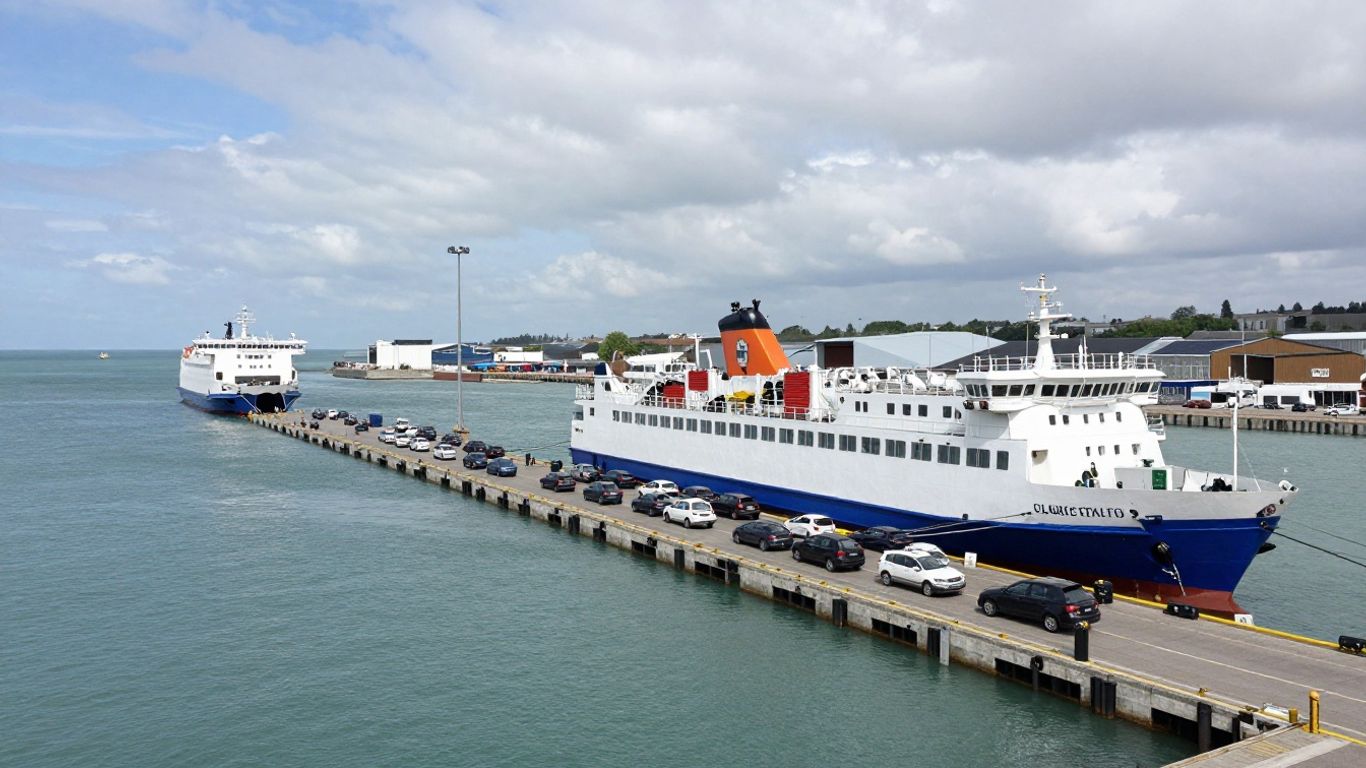
Right then, before you even think about hitting the road towards the port, there are a few bits and bobs you really ought to sort out. It’s not complicated, but doing it beforehand saves a heap of hassle later on. Getting these things done early makes the whole experience much smoother.
Booking Your Ferry Ticket In Advance
Look, you can just turn up, but honestly, why would you? Booking your ferry ticket ahead of time is pretty much a no-brainer. Not only does it usually save you a good chunk of cash compared to buying on the day, but it also means you’ve got your spot secured. Especially if you’re travelling during peak times like school holidays or bank holidays, turning up without a booking could mean a long wait or even no space at all. It’s easy enough to do online, just pick your dates, times, and ferry company. You’ll get a booking reference, which you’ll need later.
Required Documentation For Travel
This is super important. Don’t get caught out! For UK citizens travelling to France, you’ll need your passport. Make sure it’s valid for at least three months beyond your intended stay and that it was issued within the last 10 years. If you’re taking your car, you’ll need your driving licence and the vehicle’s V5C (log book). It’s also a good idea to have your ferry booking confirmation handy, just in case. Some people also carry a printout of their travel insurance details, which is never a bad shout.
Always double-check the latest travel requirements before you set off. Rules can change, and it’s better to be safe than sorry. A quick look on the ferry company’s website or the government travel advice pages should give you the up-to-date info you need.
Packing Essentials For The Crossing
Think about what you’ll actually need during the ferry trip itself. You won’t be able to get to your car easily once it’s parked on the ferry deck, so pack a small overnight bag or a rucksack with everything you might need for the journey. This could include things like snacks, drinks, any medication you take, a book or something to keep you entertained, and maybe a portable phone charger. It can also get a bit chilly on board, even in summer, so a jumper or a light jacket is a good idea. Don’t forget any travel documents you’ve printed out, too. You can find some good tips on what to pack for an overnight ferry trip if you’re unsure.
Here’s a quick checklist:
- Passport(s)
- Driving Licence (if applicable)
- Vehicle V5C (if applicable)
- Ferry booking confirmation
- Medication
- Snacks and drinks
- Entertainment (book, tablet)
- Portable charger
- Warm layer (jumper/hoodie)
- Travel insurance details (optional but recommended)
Doing this prep work means you can just relax when you get to the port and focus on getting on that ferry without any last-minute panic.
All Set for Calais
So, that’s pretty much it for getting to Calais ferry port. It’s not too tricky once you know the way, is it? Just remember to give yourself plenty of time, especially if you’re not used to driving abroad. Following the signs should get you there without too much fuss. Have a good trip, and hopefully, the ferry crossing is smooth sailing for you!
Frequently Asked Questions
What’s the best way to get to the ferry port in Calais?
The easiest way is usually by car, following signs for ‘Calais Ferry Port’ or ‘Cité Europe’. If you’re coming from the UK, you’ll drive onto the ferry. Once you’re in France, road signs are pretty clear, just keep an eye out for the ferry symbol. Using a sat-nav or a map app on your phone is also a good idea.
How do I know where to go when I get to the ferry terminal?
When you arrive, look for signs showing which lane is for your ferry company and your booking. There will be staff to guide you. You’ll need to have your ticket and passport ready for check-in and security, much like at an airport.
What should I do once I’m on the ferry?
After you drive your car onto the ferry, you’ll be directed where to park. Then, head up to the passenger areas. There are places to sit, eat, and shop. Make sure you know where the safety equipment is, just in case.
How do I get off the ferry when we reach Calais?
When the ferry docks, listen for announcements telling you when it’s safe to go back to your car. Follow the signs for the exit. The port in Calais is well-signed, so just follow the directions to leave the port and continue your journey.
Are there other ways to get to France besides the ferry?
Yes, you can use the Eurotunnel Le Shuttle, where your car travels on a train through the tunnel. Coach travel is another option, which can be cheaper but takes longer. There are also train services that go between the UK and France, but you usually have to leave your car behind.
What do I need to bring for my ferry trip?
Definitely book your ferry ticket before you go, it’s usually cheaper! You’ll need your passport, and maybe your driving license and vehicle documents. Pack things you’ll need on the ferry like snacks, entertainment, and any medication. Don’t forget your phone charger!