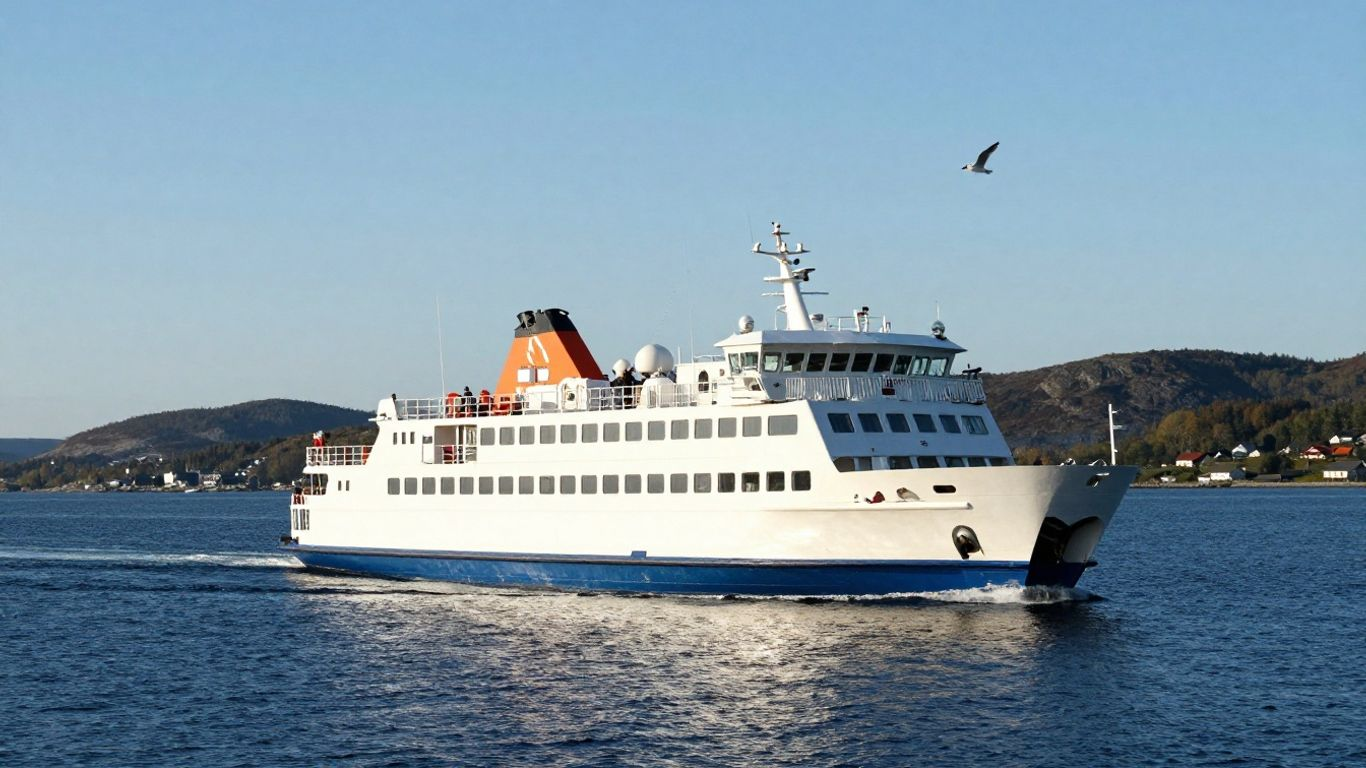
Planning a trip between Denmark and Norway? The ferry from Copenhagen to Oslo is a brilliant way to travel, letting you see the sea and relax before you even reach your destination. It’s not just about getting from A to B; it’s part of the adventure itself. This guide will help you sort out all the details for your ferry Copenhagen to Oslo journey, making sure your Scandinavian trip gets off to a good start.
Key Takeaways
- The ferry Copenhagen to Oslo offers a unique travel experience, blending transport with a mini-cruise.
- Book your ferry tickets in advance, especially during busy periods, to get the best prices and availability.
- Familiarise yourself with the onboard facilities, including different cabin types and dining options, before you travel.
- Know how to get to Copenhagen’s port and what transport is available from Oslo’s terminal to your accommodation.
- Pack smart for your overnight ferry trip and be aware of any document or currency needs.
Embarking On Your Ferry Copenhagen To Oslo
So, you’re thinking about taking the ferry from Copenhagen to Oslo? It’s a pretty neat way to travel between these two fantastic Scandinavian cities, especially if you fancy a bit of an adventure without the hassle of airports. This overnight journey offers a unique perspective on the Baltic Sea and a chance to wake up in a new capital. It’s a bit different from your usual city break, that’s for sure.
Understanding The Ferry Copenhagen To Oslo Journey
This isn’t just a quick hop across the water; it’s an overnight voyage. You’ll typically depart Copenhagen in the late afternoon and arrive in Oslo the next morning. The whole trip takes around 17 hours, giving you plenty of time to settle in. It’s a popular route, and for good reason. You get to see the coastline fade away and then reappear as you approach Norway. It’s a proper travel experience, not just getting from A to B.
Choosing The Right Ferry Operator
When you’re looking at options, you’ll likely find one main operator running this route. They usually have daily departures, which is handy for planning. It’s worth checking their schedules directly to see what times work best for your itinerary. The ferry service between Oslo and Copenhagen runs daily, departing Oslo in the afternoon and arriving in Copenhagen the next morning, so the reverse journey is similar. Make sure you’re looking at the correct direction for your trip!
Booking Your Ferry Copenhagen To Oslo Tickets
Booking in advance is generally a good idea, especially if you’re travelling during peak season or want specific cabin types. Prices can vary, and you might find cheaper deals if you book early. For example, the average price for a foot passenger can be around $268, though you might find tickets starting from as low as $33. The total cost for the ferry from Copenhagen to Oslo typically hovers around $488. It’s wise to compare prices across different booking platforms or directly with the ferry company.
Remember to factor in the cost of your cabin when budgeting, as this can significantly increase the overall price compared to just a standard seat.
Here’s a quick look at what you might expect price-wise:
| Passenger Type | Approximate Cost |
|---|---|
| Foot Passenger | $268 (average) |
| Cheapest Ticket | $33 |
| Total Trip Cost | ~$488 |
It’s always best to check the latest prices directly, as these figures can change.
Preparing For Your Overnight Voyage
So, you’ve booked your ferry from Copenhagen to Oslo. Now comes the fun part: getting ready for a night at sea. It’s not quite like flying, and definitely more relaxed than a train journey. Think of it as a mini-cruise before your Scandinavian adventure really kicks off. This overnight trip is a chance to unwind and wake up in a new country.
What To Expect Onboard
Ferries on this route are pretty substantial vessels, more like floating hotels than basic boats. You’ll find a range of facilities designed to make your journey comfortable and enjoyable. Don’t expect a tiny ferry; these are big ships that handle the Baltic Sea well. You’ll have access to restaurants, bars, and shops, so there’s plenty to keep you occupied. It’s a good idea to familiarise yourself with the ship’s layout once you board, just so you know where everything is. Remember to pack a light jacket, as the sea air can be brisk, even in summer. Conditions can change on the water, so being prepared is always wise.
Cabin Options For Your Comfort
When you book your ticket, you’ll usually have a choice of cabin types. This is where you can really tailor the experience to your needs and budget.
- Inside Cabins: These are the most basic, offering a private space to sleep without a window. They’re perfect if you just need a place to rest your head and plan to spend most of your time exploring the ship.
- Sea View Cabins: If you fancy waking up to the sight of the sea, opt for one of these. They offer a window, giving you a glimpse of the passing scenery.
- Deluxe Cabins: For a bit more luxury, these cabins often come with extra amenities, perhaps a larger bed or a small seating area.
It’s worth looking at the specific details for each operator, as cabin sizes and features can vary. Booking in advance is highly recommended, especially during peak season, as the best cabins get snapped up quickly.
Dining And Entertainment At Sea
Don’t worry about going hungry or being bored on your voyage. The ferries are equipped with several dining options. You’ll typically find a buffet restaurant, which is a great way to sample a variety of dishes, and often à la carte restaurants for a more formal meal.
The food on ferries can be surprisingly good, often featuring local specialities alongside international favourites. It’s a nice way to get a taste of Scandinavia before you even dock.
Beyond food, there are usually bars where you can grab a drink and relax. Some ferries might also have live music or other forms of entertainment, though this can vary. Check the ferry operator’s schedule closer to your departure date to see what’s on offer. It’s a different kind of travel, a highlight of the trip for many, and a far cry from a standard train ride.
Navigating The Departure And Arrival Ports
Getting to the ferry terminal in Copenhagen and then figuring out how to get from the Oslo port to your next destination is a big part of the trip. It’s not exactly like hopping on a bus in your hometown, so a little planning goes a long way.
Getting To Copenhagen’s Ferry Terminal
The main ferry terminal for the Oslo route is located in Copenhagen. It’s pretty straightforward to get to, but you’ll want to know the address and how to reach it. The terminal is at Dampfærgevej 30, 2100 Copenhagen Ø, Denmark. It’s usually open from 9 AM to 4:30 PM daily, so keep that in mind for your travel plans. Parking is available if you’re driving, which is handy if you’ve got a lot of luggage or are travelling with a group. Public transport is also an option, with buses and trains serving the general area, though you might have a short walk from the nearest stop. Always double-check the specific terminal building your ferry operator uses, as sometimes there can be slight variations.
Arriving At Oslo’s Cruise Terminal
When you pull into Oslo, you’ll likely dock at the cruise terminal. This is usually a well-equipped area designed for passenger arrivals. From here, you’ll need to make your way into the city. The port is generally quite close to the city centre, making it convenient. You’ll find taxis readily available right outside the terminal building. If you’re on a tighter budget, local buses and trams are also a good bet, with stops often located a short walk away. It’s worth looking up the specific bus or tram routes that connect the port to where you’re staying or your first sightseeing spot.
Transport Options From Oslo Port
Once you’ve disembarked in Oslo, getting around is pretty simple. Taxis are the most direct option, though they can add up cost-wise. For a more budget-friendly approach, the Oslo public transport system is quite efficient. Buses and trams are common, and you can usually buy tickets at kiosks or sometimes directly from the driver. If you’re feeling adventurous and the weather’s good, walking is also a possibility for many central locations, giving you a chance to see more of the city as you go.
Remember that check-in for your ferry usually closes a little while before departure. It’s typically around 15 minutes before the ship is scheduled to leave. Missing this cut-off means you might not be able to board, so factor this into your arrival time at the terminal.
Here’s a quick rundown of common transport choices:
- Taxis: Convenient, readily available, but more expensive.
- Buses/Trams: Good balance of cost and convenience, extensive network.
- Walking: Free, great for seeing the sights, best for shorter distances.
- Ride-sharing Apps: An alternative to traditional taxis, often with competitive pricing.
Maximising Your Scandinavian Adventure
So, you’ve booked your ferry from Copenhagen to Oslo – brilliant! But the journey itself is just one part of the whole Scandinavian experience. To really get the most out of your trip, it’s worth thinking about what you’ll do before you even step on the boat and once you arrive in Oslo. It’s not just about getting from A to B, is it?
Exploring Copenhagen Before You Sail
Copenhagen is a fantastic city, and you’ll want to give yourself enough time to see some of its highlights before heading to the ferry terminal. Don’t just rush around ticking boxes; try to soak up the atmosphere. A good starting point is Nyhavn, the iconic harbour with its colourful buildings. It’s a bit touristy, sure, but it’s still a lovely spot for a stroll and a coffee. From there, you could wander over to the Little Mermaid statue – it’s smaller than you might expect, but it’s a classic. If you have a bit more time, consider visiting Tivoli Gardens, one of the world’s oldest amusement parks, or exploring the regal Amalienborg Palace.
- Wander through the colourful Nyhavn.
- Visit the Little Mermaid statue.
- Explore Amalienborg Palace.
- Relax in Tivoli Gardens (seasonal).
Don’t try to cram too much in; pick a couple of areas that genuinely interest you. It’s better to enjoy a few things properly than to feel rushed.
Discovering Oslo Upon Arrival
Oslo is a city that’s really come into its own in recent years, blending modern architecture with beautiful natural surroundings. Once you disembark, you’ll want to get acquainted with what the Norwegian capital has to offer. The Opera House is a must-see; you can walk right on its roof for amazing views of the fjord. The Vigeland Sculpture Park is another unique spot, featuring hundreds of sculptures by Gustav Vigeland. For a dose of history, the Viking Ship Museum (though currently undergoing renovation, check its status) or the Norsk Folkemuseum (Norwegian Museum of Cultural History) are great options. Planning a week-long trip to Scandinavia? This guide might help you structure your itinerary [b883].
Extending Your Trip to Nearby Destinations
While Copenhagen and Oslo are incredible cities, Scandinavia has so much more to offer if you have the time. From Oslo, you could easily take a train to Bergen, a picturesque city known for its colourful wooden houses and stunning fjords. Or, head north to explore the dramatic landscapes of Norway, perhaps even chasing the Northern Lights if you’re visiting in the winter months. If you’re looking for a shorter extension, consider a day trip from Oslo to the charming town of Drøbak or exploring the forests surrounding the city. For women travellers looking for an unforgettable experience, preparing thoroughly and embracing the unexpected is key [fe29].
Remember that travel can be unpredictable. Build some flexibility into your plans, and don’t be afraid to go off-script if you discover something interesting. Sometimes the best experiences are the unplanned ones.
Making the most of your Scandinavian adventure means looking beyond just the ferry crossing. A little planning beforehand, and a willingness to explore once you arrive, will make your journey truly memorable.
Essential Tips For The Ferry Copenhagen To Oslo
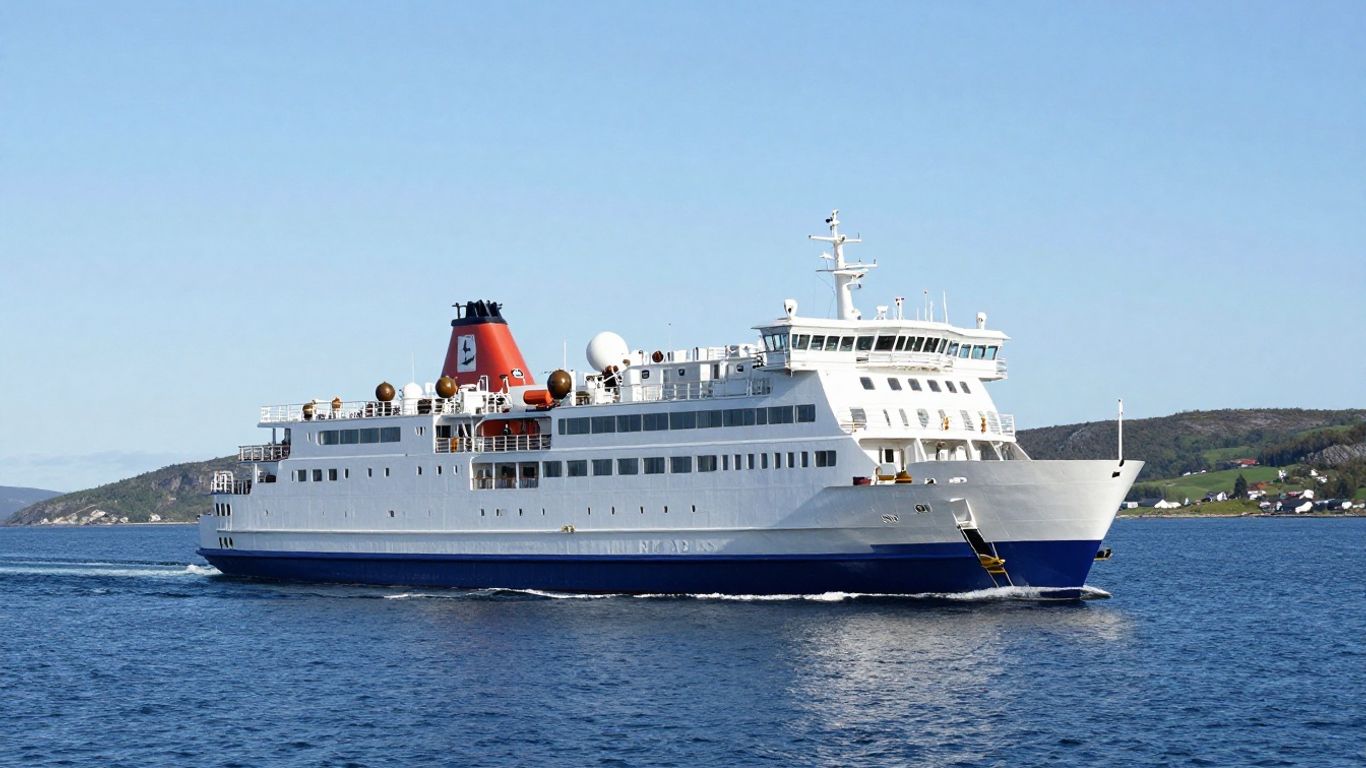
So, you’re all set for the ferry from Copenhagen to Oslo. Brilliant! It’s a pretty straightforward trip, but a few bits of advice can make it even smoother. Think of this as your little cheat sheet before you set sail.
Packing Essentials For Your Sea Crossing
When packing for this overnight journey, think layers. The temperature can change, and you’ll want to be comfortable both on deck and in your cabin. Don’t forget a good book or some downloaded podcasts – while there’s entertainment, having your own is always a good idea. A small backpack for day trips in either city is also a smart move. Make sure you have any necessary medications easily accessible. You don’t want to be rummaging through your main luggage when you need something.
Here’s a quick checklist:
- Comfortable walking shoes
- Warm jumper or fleece
- Waterproof jacket (just in case)
- Toiletries
- Phone charger and power bank
- Any travel documents
Understanding Travel Documents
For most travellers between Denmark and Norway, you won’t need a passport if you’re an EU or UK citizen, as both countries are part of the Schengen Area. However, it’s always wise to double-check current regulations before you travel, especially if your circumstances are different. Always carry some form of identification. It’s good practice, and ferry companies might ask for it during check-in. If you’re planning to use points and miles for your trip, make sure you have your booking confirmation handy.
Currency And Payment Onboard
Both Denmark and Norway have their own currencies: the Danish Krone (DKK) and the Norwegian Krone (NOK), respectively. While many places on the ferry will accept cards, it’s a good idea to have a small amount of cash in both currencies for any little purchases or tips. Credit and debit cards are widely accepted onboard for most transactions, from the restaurant to the onboard shop. You’ll find that most places are quite card-friendly, so you probably won’t need to carry a huge amount of cash. Just be aware of any potential foreign transaction fees your bank might charge.
Planning your trip well in advance can often lead to better prices, especially for cabins. It’s worth looking at the ferry schedules and booking options a few months ahead if you can. This also gives you more choice when it comes to cabin types and availability, which can make a big difference on an overnight journey.
So, Ready for Your Ferry Trip?
And that’s pretty much it for getting yourself on that ferry from Copenhagen to Oslo. It’s not the quickest way to travel, sure, but it’s a proper experience. You get to see the sea, have a good night’s sleep, and wake up in a new city. Think about booking your tickets in advance, especially if you’re travelling in summer, just to be safe. Pack a bit of everything, and don’t forget your camera. It’s a really nice way to start your Scandinavian trip, a bit different from flying. Enjoy the journey!
Frequently Asked Questions
How long does the ferry trip from Copenhagen to Oslo take?
The ferry journey usually takes around 16 to 17 hours. It’s an overnight trip, so you’ll travel while you sleep and wake up in a new city!
Can I bring my car on the ferry?
Yes, you can! Most ferries allow you to bring your car, motorcycle, or even a campervan. You’ll need to book a spot for your vehicle when you buy your ticket.
What kind of cabins are available?
There are different types of cabins. Some are basic rooms with beds, while others are more like small hotel rooms with private bathrooms. You can choose what suits your budget and how much comfort you want.
Is food available on the ferry?
Absolutely. Ferries have restaurants and cafes where you can buy meals, snacks, and drinks. Some offer buffets, while others have à la carte menus. It’s a good idea to check what’s available when you book.
What should I pack for the ferry trip?
Pack like you would for a short trip. Bring comfortable clothes for the journey and for exploring at your destination. Don’t forget toiletries, any medication you need, and maybe a book or some entertainment for downtime. A small bag for essentials in your cabin is handy.
Do I need my passport for this ferry trip?
Even though both Denmark and Norway are in the Schengen Area, it’s always wise to carry your passport or a valid national ID card. Sometimes checks can happen, and it’s better to be prepared.