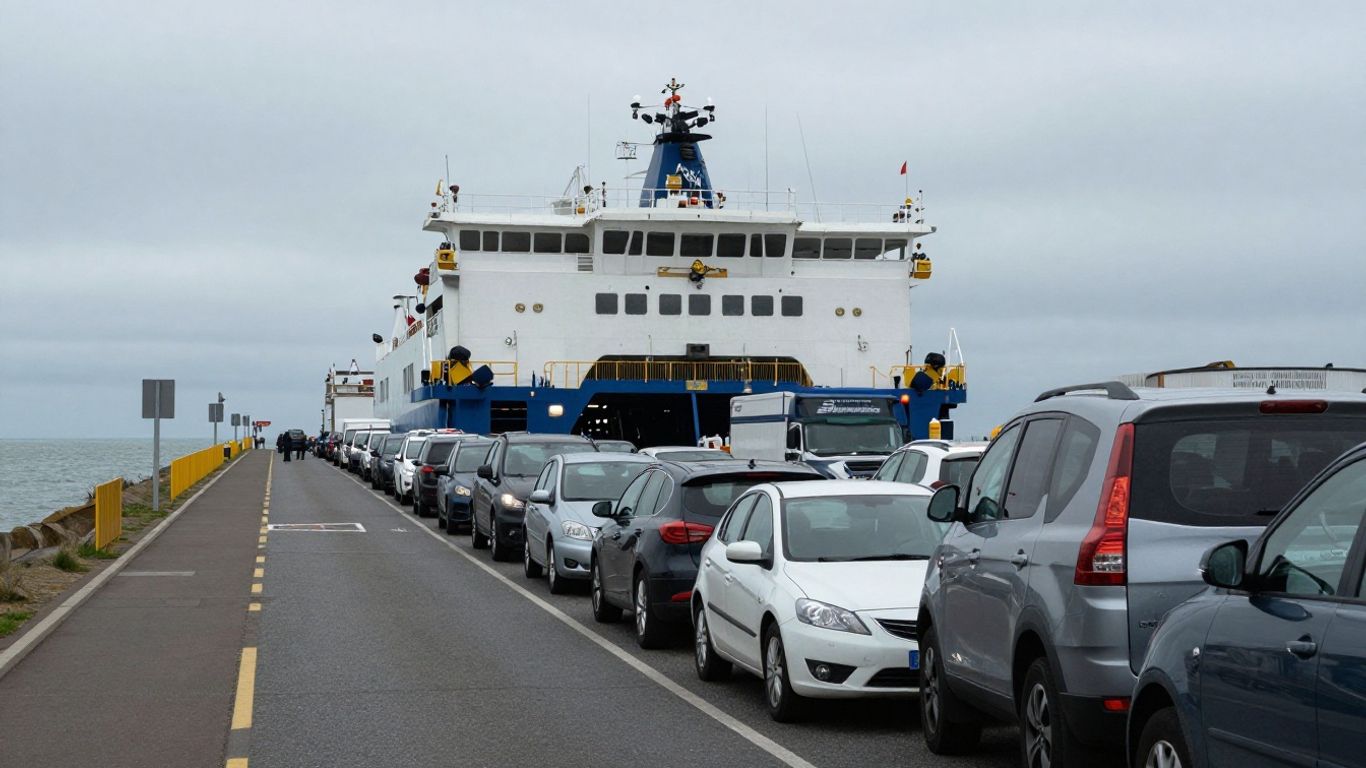
Heading to the continent via Calais? It’s a popular route, but sometimes things don’t go as planned. Delays at Calais can pop up for all sorts of reasons, from busy holiday periods to unexpected industrial action. This guide is here to help you get ready so that if you do hit delays at Calais, you’re not caught out. We’ll cover why these delays happen and what you can do to make your journey smoother, even if you have to wait a bit longer.
Key Takeaways
- Understand that delays at Calais can be caused by busy travel times, staff issues, or border checks.
- Always check live traffic and ferry company updates before you travel to stay informed about delays at Calais.
- Pack snacks, drinks, and things to do in case you face extended waits due to delays at Calais.
- Consider alternative routes or different travel times if significant delays at Calais are expected.
- Stay calm and patient during delays at Calais; knowing what to expect makes a big difference.
Understanding the Causes of Delays at Calais
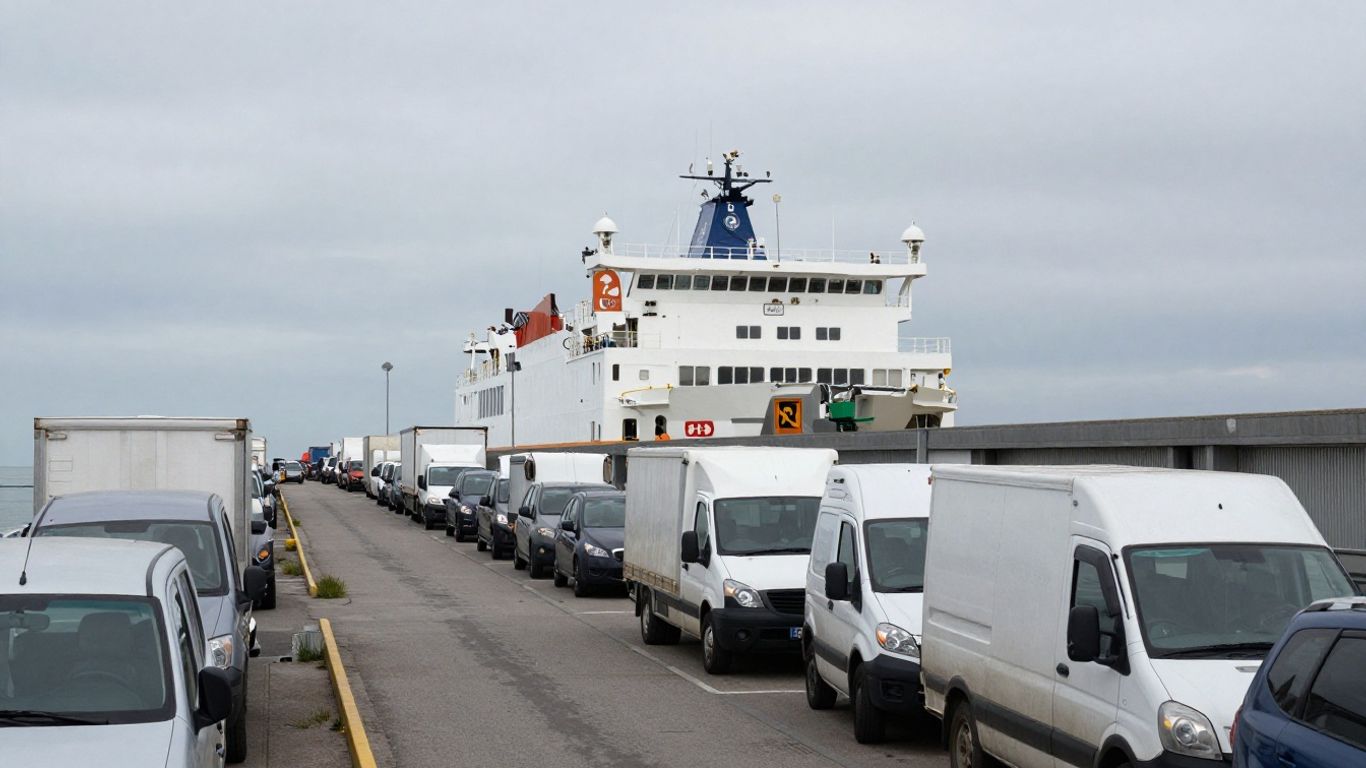
So, you’re planning a trip across the Channel and wondering why Calais sometimes feels like a bit of a bottleneck? It’s not just bad luck, there are usually a few reasons why things can get held up. Understanding these can help you prepare better.
Seasonal Peaks and Holiday Travel
This one’s pretty obvious, really. When everyone else decides to go on holiday, things get busy. Think summer holidays, Easter breaks, and even long weekends. More people mean more cars, more lorries, and more people wanting to get through the ferry terminal. It’s simple supply and demand, but with ferries and border checks.
- July and August: The absolute busiest months. Expect longer queues.
- School Half-Terms: Both UK and French half-term breaks can cause spikes.
- Bank Holiday Weekends: Especially those with good weather forecasts.
Industrial Action and Strikes
Unfortunately, industrial action can throw a spanner in the works. Whether it’s ferry staff, border officials, or even transport workers in France, strikes can bring things to a standstill. These are often unpredictable and can cause significant disruption.
Sometimes, these actions are part of wider national disputes, and other times they’re specific to the port or ferry company. It’s always worth keeping an eye on news from the region if you’re travelling during a period of potential unrest.
Border Control Procedures and Checks
This is a big one. Every vehicle and every person needs to be checked by border officials. This involves passport checks, and increasingly, more detailed checks on goods and vehicles. The introduction of new systems, like the upcoming Entry/Exit System (EES), can also lead to teething problems and slower processing times as everyone gets used to it. Sometimes, IT issues at French border controls have caused long queues at the Port of Dover, which directly impacts the flow of traffic heading to Calais.
- Passport Scrutiny: Officials verify identities and travel documents.
- Vehicle Inspections: Random or targeted checks on vehicles and their contents.
- New Technology Rollouts: Systems like EES require new procedures and can initially slow things down.
Preparing for Potential Delays at Calais
Right, so you’re heading to Calais, and you’ve heard the stories about queues. It happens, and honestly, it’s best to be ready for it. Nobody likes being stuck longer than they have to, but a bit of planning can make a big difference. The key is to stay informed and have a few things sorted before you even get there.
Checking Live Traffic and Ferry Updates
First things first, you need to know what’s going on right now. Relying on old information is a recipe for frustration. Websites and apps that give live updates are your best friend here. You can often find out about traffic jams on the approach roads or if ferries are running late due to weather or other issues. It’s worth bookmarking a few reliable sources before you set off. For instance, checking ferry updates can save you a lot of hassle if there’s a known problem.
Packing Essentials for Extended Waits
If you do end up waiting, you’ll be glad you packed a few bits. Think of it like a mini-adventure, but with more waiting. A good idea is to have a separate bag with things you might need if you’re stuck for a few hours. This could include:
- Snacks and drinks – don’t rely on being able to buy things easily.
- Entertainment – books, games for the kids, or downloaded movies.
- Comfort items – a travel pillow, a blanket, or even just a spare jumper.
- Phone chargers and power banks – you don’t want your devices dying.
- Any necessary medication.
Being prepared means you can handle unexpected waits without too much stress. It’s about making the best of a situation that’s often out of your control. A little foresight goes a long way.
Alternative Travel Routes and Times
Sometimes, the best way to avoid delays is to not be there when they’re happening. If your travel dates are flexible, try to avoid peak times. Mid-week travel, especially outside of school holidays, is often much smoother. You might also consider different crossing times. An early morning or late-night ferry can sometimes be less busy. If you’re really concerned, or if there are known issues, looking at alternative routes, perhaps a different port or even a different mode of transport, might be worth considering, though this often adds significant time and cost. Remember to check border crossing advice for any specific warnings.
Navigating Ferry Terminal Procedures
So, you’ve made it to the ferry terminal in Calais, and now it’s time to get through the process. It might seem a bit daunting, especially if it’s your first time, but breaking it down makes it much simpler. The key is to have your documents ready and know what to expect.
Ticket and Document Checks
This is usually the first hurdle. You’ll need your booking confirmation and your passports or ID cards. For those travelling with pets or specific vehicle types, you might need additional paperwork, so double-check this before you leave home. It’s worth noting that procedures can vary slightly depending on your ferry operator and whether you’re travelling as a foot passenger, with a car, or as part of a coach group. For coach passengers, there are specific steps related to the EES system that need to be followed.
- Have your booking reference handy.
- Ensure all passports/IDs are valid and accessible.
- Check for any specific vehicle or pet documentation requirements.
Security Screening Processes
Similar to airport security, you’ll go through a screening process. This typically involves your vehicle being scanned, and passengers may walk through a metal detector or have their bags checked. It’s not usually as lengthy as airport security, but it’s good to be prepared.
Remember to remove any liquids or electronics from your bags if you’re asked to, just like at the airport. It speeds things up for everyone.
Boarding and Disembarkation Guidance
Once you’re through checks, you’ll be directed to the boarding lanes. Follow the signs for your specific ferry. The staff will guide you on where to park your vehicle on the ferry. When you arrive at your destination, wait for the signal to disembark. For cars, this usually means driving off in the order you were parked. Foot passengers will typically disembark first. Ferry services between Calais and Dover run quite often, usually every 35 minutes, so there’s a good chance your crossing won’t be too far off once you’re checked in.
- Listen carefully to instructions from terminal staff.
- Keep your keys accessible if you’re in a vehicle.
- Be aware of other passengers during boarding and disembarkation.
Managing Delays at Calais with Children and Pets
Right, so you’ve hit a bit of a snag at Calais, and the kids are starting to get restless, or maybe you’ve got a furry friend in the back. It’s not ideal, but don’t panic. We’ve all been there, staring at the clock and wondering when we’ll actually get moving.
Keeping Young Travellers Entertained
Long waits can be tough on little ones. The key is to have a few tricks up your sleeve.
- Snack Attack: Pack a good stash of their favourite snacks and drinks. Nothing stops a meltdown quite like a biscuit or a juice box.
- Screen Time Saviours: Tablets or portable games consoles can be a lifesaver. Just make sure they’re fully charged, and maybe pack a power bank if you have one.
- Activity Packs: Colouring books, sticker books, travel games, or even a deck of cards can keep them occupied for a good while.
- Story Time: Bring a couple of favourite books or download some audio stories. It’s a nice way to have some quiet time together.
A bit of pre-planning goes a long way when you’re travelling with children. Thinking about what might keep them happy and occupied during unexpected downtime can make a huge difference to everyone’s mood.
Ensuring Pet Comfort During Delays
If your pet is with you, their comfort is just as important. Remember, pets usually need to stay in the vehicle during the ferry crossing itself, so a delay means a longer time confined. For advice on travelling with animals, check out tips for pet owners.
- Familiar Comforts: Bring their favourite blanket or a well-loved toy. The familiar scent can be very reassuring.
- Water Breaks: If possible and safe to do so during a long wait, let them out for a quick toilet break and offer them some water. Always keep them on a lead.
- Ventilation: Make sure the car is well-ventilated, especially if it’s warm. Crack the windows a little if it’s safe and permitted.
- Calm Environment: Try to keep the atmosphere in the car calm. Speak in a soothing voice and avoid any sudden loud noises.
It’s worth noting that there are limits on the number of pets you can bring, typically five pets per booking, and they must remain in your vehicle throughout the journey.
Accessing Facilities for Families
While waiting, it’s good to know what facilities might be available. Most ferry terminals have:
- Toilets: Always a priority, especially with kids.
- Shops: Often sell drinks, snacks, and sometimes basic travel items.
- Cafes/Restaurants: If the delay is significant, grabbing a bite to eat might be an option.
Don’t hesitate to ask terminal staff about the nearest facilities or any specific family-friendly areas they might have. Patience is key here; everyone’s trying to get through the same situation.
Maximising Your Journey Despite Delays at Calais
So, you’ve hit a snag at Calais. It happens. The key is not to let it ruin your whole trip. There are ways to make the best of a bad situation and keep your spirits up.
Utilising On-Site Amenities
When you’re stuck waiting, the ferry terminal itself can become your temporary base. Most terminals have a decent range of facilities. You’ll usually find places to grab a bite, from quick snacks to more substantial meals. Coffee shops are a lifesaver for many, offering a chance to recharge. There are also often shops where you can pick up last-minute essentials or souvenirs. Some terminals even have play areas for kids, which can be a godsend if you’re travelling with little ones. It’s worth taking a good look around to see what’s available before you settle in for a long wait. Sometimes, these places can be a bit pricey, so if you’ve packed your own snacks, that’s always a good backup.
Staying Informed and Patient
Keeping track of what’s going on is half the battle. Look for information screens, listen to announcements, and don’t be afraid to ask terminal staff for updates. While it can be frustrating, try to remain calm. Getting worked up won’t speed things along. Remember, the staff are often dealing with the same issues you are. A bit of patience goes a long way. If you’re facing really long waits, like those reported on P&O Ferries from Calais to Dover, it’s good to have a plan for how you’ll spend your time. Reading a book, listening to podcasts, or even catching up on work can make the hours pass more quickly. The Calais Ferry Point project is working to improve processing efficiency, so hopefully, these long waits will become less common.
Planning Your Arrival at Your Destination
Even with delays, you can still manage your arrival at your final stop. If you’re meeting people, send them a message to let them know about the hold-up. If you’ve booked accommodation, give them a call to inform them of your revised arrival time. This avoids any confusion or missed bookings. Think about what you’ll need straight away when you get off the ferry. If you’re driving a long distance, perhaps you’ll want to stop for a break soon after. Having a rough idea of your onward journey, even with the uncertainty, can help you feel more in control. It’s all about adapting to the situation and making the best of the time you have.
Delays are a part of travel sometimes, especially at busy ports like Calais. Instead of letting it get you down, try to see it as an unexpected pause. You might discover a new coffee shop, finish a chapter of your book, or simply enjoy a moment of quiet you wouldn’t otherwise have had. It’s about shifting your perspective and finding the positives, however small they might seem.
So, What’s the Takeaway?
Right then, travelling through Calais can be a bit of a headache, can’t it? We’ve gone over a few things that might help make it less stressful. It’s not always easy, and sometimes you just have to roll with it. But if you plan ahead a bit, check the latest news, and maybe have a good playlist ready, you’ll probably get through it okay. It’s just one of those travel bits you have to deal with sometimes. Don’t let it put you off your trip entirely, though. Most of the time, it’s just a temporary hold-up, and you’ll be on your way before you know it. Good luck out there!
Frequently Asked Questions
Why are there often long waits at Calais?
Delays at Calais can happen for a few main reasons. Sometimes, it’s because loads of people are travelling at the same time, like during school holidays or big public holidays. Other times, workers might go on strike, which can slow things down a lot. Also, the border checks, where officials look at passports and other papers, can take a while, especially if there are lots of people or new rules.
How can I find out if there are delays before I travel?
It’s a really good idea to check live traffic updates online before you set off. Ferry companies and the port itself often have websites or social media pages that show the latest information about delays. You can also check traffic apps on your phone. Being prepared means you can adjust your plans if needed.
What should I pack if I think I might be waiting for a long time?
If you’re worried about delays, pack some snacks and drinks so you don’t get hungry or thirsty. Bring things to keep yourself and any kids busy, like books, games, or tablets. A comfy cushion or blanket can also make waiting more bearable. Don’t forget any necessary medications.
Are there other ways to get to France if Calais is too busy?
Yes, there are! You could consider travelling from other ports like Dover to Dunkirk, or even look at different ways to travel altogether, like the Eurotunnel train which often has fewer delays. Sometimes travelling at quieter times of the day or week can also help avoid the worst queues.
What happens when I get to the ferry terminal?
When you arrive at the ferry terminal, you’ll usually need to show your tickets and passports or ID at a check-in booth. After that, there’s a security check, similar to airport security, where they’ll scan your vehicle and luggage. Then you’ll be directed to a waiting area or straight to the ferry if it’s ready.
How can I make the journey easier if I have children with me?
Keeping children happy during a wait is key! Pack their favourite toys or games. You could also download some movies or shows onto a tablet. Look for play areas if the terminal has them, or simply play simple car games like ‘I Spy’. Having plenty of snacks and drinks helps keep everyone’s spirits up.