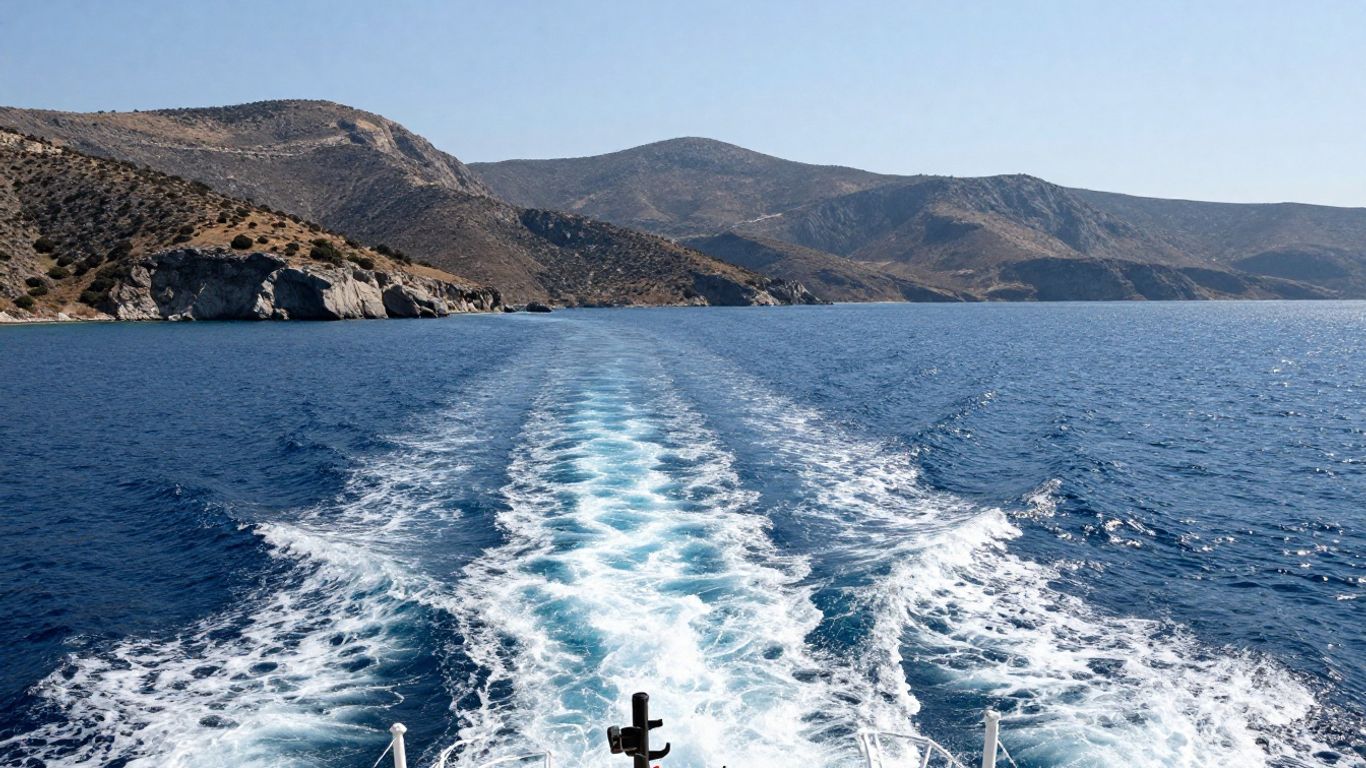
Thinking about hopping from Santorini to Amorgos? It’s a popular route, and for good reason. Both islands have their own charm, but getting between them means catching a ferry. This guide will walk you through everything you need to know about the santorini to amorgos ferry trip, from booking your tickets to what to expect when you get off the boat. It’s not complicated, but a little planning goes a long way. Let’s get you sorted.
Key Takeaways
- Book your ferry tickets in advance, especially during peak season, to secure your spot on the santorini to amorgos ferry.
- Familiarise yourself with the different ferry companies operating the route, as they vary in speed, comfort, and price.
- Arrive at the Santorini port with plenty of time before departure to find your way and board without a rush.
- Pack light and bring anything you might need during the journey, like snacks, water, and entertainment, as onboard services can be limited.
- Be prepared for potential delays due to weather conditions, and have a flexible plan for your arrival in Amorgos.
Planning Your Santorini To Amorgos Ferry Trip
Right then, getting from Santorini to Amorgos by ferry. It sounds simple enough, doesn’t it? But like most things when you’re travelling, a bit of forethought goes a long way. You don’t want to be scrambling around at the last minute, trust me.
Booking Your Ferry Tickets
First things first, you’ll want to sort out your tickets. It’s not usually a case of just turning up and hoping for the best, especially if you’re travelling in peak season. Booking in advance means you’ve got your spot secured, and you can often get a better price too. Websites for ferry companies usually have their booking systems online, or you can use a ferry comparison site. It’s always a good idea to compare prices and times before you commit. Sometimes, booking directly with the ferry company might be cheaper, but other times a third-party site has a deal. Just make sure you’re booking with a reputable company.
Choosing The Right Ferry Company
There are a few different ferry operators that run this route, and they aren’t all the same. Some are faster, some are slower, and some have more comfortable seating. The faster ferries, like Seajets, can get you there in under 90 minutes, which is pretty speedy. However, these often come with a higher price tag. Slower ferries might take a bit longer, but they can be more budget-friendly and sometimes offer a more relaxed journey.
Here’s a rough idea of what to expect:
- Fast Ferries: Quicker journey, usually more expensive, often with airline-style seating.
- Conventional Ferries: Slower, generally cheaper, might have more space to walk around.
- High-Speed Catamarans: A middle ground, often faster than conventional but not as quick as the fastest jets.
Think about what’s most important for your trip. If you’re short on time, a fast ferry is probably the way to go. If you’re on a tighter budget and don’t mind a slightly longer trip, a slower option might be better.
Understanding Ferry Schedules
Ferry schedules can change, especially depending on the season. In the summer months, you’ll find more frequent departures. In the quieter periods, the service might be reduced. It’s vital to check the latest schedules closer to your travel date. Ferries typically run daily between Santorini and Amorgos, but the exact times can vary. You might find departures in the late morning or early afternoon. Always double-check the departure port in Santorini too, as there are a couple of options, though Athinios is the main one for most routes. You can usually find up-to-date ferry schedules on the ferry company websites or through booking platforms.
Navigating The Ferry Port Experience
Getting to the ferry port and figuring out what to do once you’re there can feel a bit like a puzzle, especially if it’s your first time. But honestly, it’s usually pretty straightforward. Let’s break it down.
Getting To Santorini Port
Most ferries to Amorgos depart from the port of Athinios in Santorini. It’s not in the main town of Fira, so you’ll need to plan your transport. Taxis are available, but they can be pricey and sometimes hard to find, especially during peak times. Local buses run from Fira and other villages directly to the port. It’s a good idea to check the bus schedules beforehand, as they can vary. Allow plenty of time to get there; you don’t want to be rushing. If you’re staying in Oia, you might need to take a bus or taxi to Fira first before catching the bus to the port. Some ferry companies also offer their own transfer services, which can be convenient if a bit more expensive.
At The Port: What To Expect
Athinios port is… well, it’s a working port. It can get quite busy and a bit chaotic, especially when multiple ferries are arriving or departing. There aren’t many shaded areas, so if you’re waiting, especially in the summer sun, it can get hot. You’ll find a few cafes and small shops selling snacks, drinks, and some basic travel items. There are also ticket offices for the different ferry companies, though it’s always best to have your tickets booked in advance. Toilets are usually available, though don’t expect luxury. It’s a good idea to have some small change handy for any purchases.
Boarding Procedures
Boarding is usually quite simple. Once your ferry is announced or starts boarding, you’ll join a queue. You’ll need to show your ticket (either printed or on your phone) and your ID to the staff. They’ll direct you where to go. If you have luggage, there are usually staff members who will help you load it into the ferry’s hold. You’ll then proceed to find your seat. For high-speed ferries, seating is often assigned, while for conventional ferries, it might be first-come, first-served for unassigned seats. Always listen to the crew’s instructions; they know what they’re doing.
Remember that ferry schedules can change, and delays are not uncommon. It’s wise to build some flexibility into your travel plans, especially if you have onward connections. Checking the ferry company’s website or local port announcements on the day of travel is a good habit.
Here’s a quick rundown of what to do:
- Arrive Early: Aim to be at the port at least an hour before your scheduled departure.
- Have Tickets Ready: Keep your booking confirmation and ID easily accessible.
- Locate Your Ferry: Look for signs or ask port staff which berth your ferry will use.
- Listen for Announcements: Pay attention to any announcements regarding boarding or delays.
- Luggage: If you have large bags, look for the crew members who assist with loading them.
It might seem a bit daunting at first, but once you’ve done it once, you’ll see it’s just part of the adventure of travelling between the Greek islands. The journey to Amorgos is well worth the port experience!
The Santorini To Amorgos Ferry Journey Itself
So, you’ve made it to the port and boarded your ferry. Now what? The actual trip from Santorini to Amorgos is where the magic of island hopping really begins. It’s not just about getting from A to B; it’s part of the adventure.
Onboard Amenities
Most ferries on this route aren’t exactly luxury liners, but they do the job. You’ll usually find:
- Seating: There’s typically indoor seating, often with air conditioning, and sometimes outdoor deck areas. The outdoor spots are great for views, but can get windy.
- Refreshments: Many ferries have a small cafe or bar selling drinks and snacks. Don’t expect a full meal, but a coffee or a sandwich is usually available.
- Toilets: Facilities are generally available onboard.
Don’t expect Wi-Fi on every ferry; it’s a bit of a lottery. Some might have it, others won’t, and even if they do, it can be spotty at best. It’s probably best to download anything you need beforehand.
Travel Times And Durations
The time it takes can vary quite a bit depending on the type of ferry and the specific route. High-speed ferries are quicker, naturally, but can be a bit bumpier. Conventional ferries are slower but often more stable.
| Ferry Type | Typical Duration | Notes |
|---|---|---|
| High-Speed | 1.5 – 2 hours | Can be more expensive, potentially bumpier |
| Conventional | 2 – 3 hours | Slower, often more stable, cheaper |
Remember, these are just estimates. Weather conditions can play a big role, sometimes causing delays or cancellations, especially outside the main summer months. You can usually find specific timings when you book your tickets, like those available from late April to early October.
Seasickness Tips
If you’re prone to motion sickness, the ferry journey can be a bit of a challenge. The Aegean Sea can get choppy, especially in the afternoons. Here are a few things that might help:
- Choose your seat wisely: If possible, opt for a seat closer to the centre of the ferry, and lower down. This is usually the most stable part of the boat.
- Look at the horizon: Try to focus on a fixed point on the horizon. It sounds simple, but it really helps your brain adjust.
- Fresh air: If you’re feeling queasy, head out to the deck (if conditions allow) for some fresh air. Avoid strong smells like diesel fumes.
- Medication: Over-the-counter travel sickness tablets are your friend. Take them before you feel sick, not after.
The journey itself is part of the experience. Try to relax, enjoy the views of the sea and the islands passing by. It’s a chance to disconnect for a bit before you arrive at your next destination.
Packing some snacks and water is a good idea, as onboard prices can be a bit higher. And don’t forget your camera – the views from the ferry can be spectacular, especially as you approach Amorgos.
Arriving In Amorgos
Disembarking At Amorgos Port
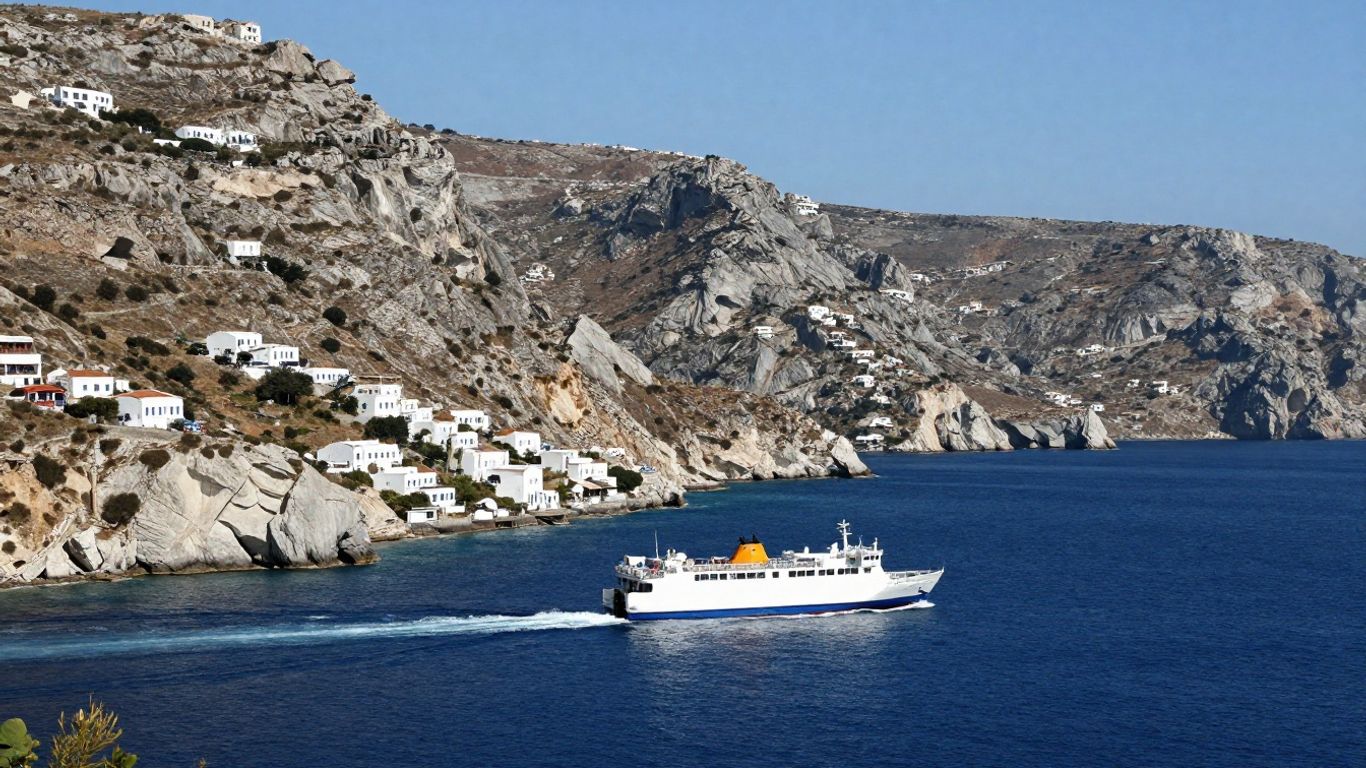
As your ferry pulls into Amorgos, you’ll likely notice the dramatic cliffs and the clear blue water. Amorgos actually has two main ports: Aegiali and Katapola. Most ferries from Santorini will arrive at one of these. Aegiali is often the first stop for ferries coming from the Cyclades, and it’s a lovely, sheltered bay. Katapola is a bit further south and also a charming spot. Don’t be surprised if your ferry stops at both ports, especially if it’s a larger vessel making its way around the islands. It’s worth checking which port your specific ferry is scheduled to dock at when you book your tickets, as it can make a difference to your onward journey. The disembarking process is usually pretty straightforward; just follow the flow of passengers off the boat. You’ll find porters ready to help with luggage if you need it, though it’s always a good idea to have your bags organised and ready to go.
Getting From The Port To Your Accommodation
Once you’re on solid ground, the next step is getting to your accommodation. If you’re staying in Aegiali or Katapola, you might be able to walk, especially if you’re in a hotel close to the port. However, Amorgos is a fairly spread-out island, and many visitors choose to stay in Chora, the main town, or other villages like Tholaria or Langada.
Here’s a quick rundown of your options:
- Taxis: There are usually taxis waiting at both ports, particularly during ferry arrival times. They can take you directly to your accommodation. It’s a good idea to have the name and address of your hotel or guesthouse handy.
- Buses: Local buses connect the ports to the main villages, including Chora. The bus stops are typically right near the ferry docks. This is a more budget-friendly option, but you’ll need to check the timetable as services can be infrequent, especially outside of peak season.
- Car/Scooter Rental: Many people opt to rent a car or scooter on Amorgos to explore the island at their own pace. There are rental agencies located at both Aegiali and Katapola ports, and you can often pre-book your vehicle. This gives you the most freedom.
The journey from the port to your final destination is part of the adventure. Take a moment to soak in the views as you travel inland. The landscape of Amorgos is quite unique, with rugged mountains and traditional villages clinging to the hillsides. It’s a different vibe from Santorini, more raw and perhaps a little wilder.
First Impressions Of Amorgos
Stepping off the ferry and onto Amorgos feels like entering a different world compared to the bustling energy of Santorini. The air often smells of wild herbs, and the pace of life immediately seems slower. You’ll notice the distinctive architecture – whitewashed houses, yes, but often with a more rustic, Cycladic charm. The island has a serene, almost spiritual feel to it, which is part of its appeal. Whether you arrive in the lively port of Aegiali or the quieter Katapola, you’ll quickly get a sense of the island’s authentic character. It’s a place that invites you to relax, explore, and simply be. The ferry trip itself, while sometimes long, is the perfect transition into this unique island atmosphere. You might find that the journey from Santorini to Amorgos is shorter than you expect, with some routes taking just under an hour, arriving at Aegiali port. Ticket prices can start quite low, making it an accessible trip. Book your ferry tickets in advance to secure your spot. Amorgos is accessible via two ports, Aegiali and Katapola, with ferry connections to Piraeus and other Aegean islands.
Essential Tips For Your Ferry Crossing
So, you’re all set for the ferry from Santorini to Amorgos. It’s a pretty straightforward trip, but a few bits of advice can make it even smoother. Think of this as your little cheat sheet for the journey.
Packing Essentials For The Ferry
When you’re packing for the ferry, think about what you’ll want easy access to during the trip. You don’t want to be rummaging through your main suitcase for a book or your headphones. A smaller day bag is your best friend here. Inside, I’d suggest:
- Snacks and Water: While there might be a cafe on board, it can be pricey, and sometimes they run out of things. Bringing your own is a good idea.
- Entertainment: A good book, downloaded podcasts, or a fully charged tablet are lifesavers. The journey can feel longer than you expect, especially if the sea is a bit choppy.
- Comfort Items: A neck pillow, a light jacket (it can get breezy on deck), and maybe even a small blanket if you get chilly easily.
- Sun Protection: Even on cloudy days, the sun reflecting off the water can be strong. Sunglasses and a hat are a must.
Staying Connected During The Journey
Getting a signal on the ferry can be a bit hit or miss. Most of the time, you’ll have some mobile data, but it might be slow. Don’t count on a super-fast internet connection for streaming movies or video calls. It’s a good chance to disconnect a bit, honestly. If you absolutely need to let people know where you are, send a quick message before you leave port or when you’re nearing Amorgos. Some larger ferries might have Wi-Fi, but it’s often an extra cost and not always reliable. It’s probably best to download anything you need beforehand, like maps or music.
The ferry journey itself is part of the adventure. Instead of stressing about connectivity, embrace the opportunity to simply watch the Aegean Sea go by. You might spot dolphins, or just enjoy the changing colours of the water. It’s a different pace of travel.
Making The Most Of Your Travel Day
Think of your ferry trip not just as getting from A to B, but as part of your holiday experience. The journey from Santorini to Amorgos is relatively short, often around an hour and fifteen minutes, but it’s still a good chunk of your day. Try to book a ferry that aligns with your arrival plans in Amorgos to minimise waiting time at the port. If you have an early ferry, grab a coffee and pastry before you board. If it’s later, maybe enjoy a final Greek salad in Santorini. Once you’re on board, find a good spot – maybe outside if the weather’s nice, or inside if you prefer a quieter ride. Keep an eye out for other islands you might pass; it’s a great way to get a feel for the Cyclades. This trip is a fantastic opportunity for some island hopping in Greece, connecting you to the rhythm of the Aegean.
Here’s a quick look at typical travel times:
| Departure Port | Arrival Port | Approximate Duration |
|---|---|---|
| Santorini (Thira) | Amorgos (Katapola) | 1 hour 15 minutes |
| Santorini (Thira) | Amorgos (Aegiali) | Varies (longer) |
So, That’s the Santorini to Amorgos Trip
Right then, that’s pretty much the lowdown on getting from Santorini to Amorgos. It’s not the most straightforward hop, but honestly, that’s part of the charm, isn’t it? You get to see a bit more of the Aegean, maybe even stop off somewhere unexpected if the timings work out. Just remember to book your tickets ahead, especially in peak season, and pack a bit of patience for any delays. Amorgos is well worth the effort though; it’s a different vibe to Santorini, much more laid-back and wild. Enjoy the journey, and more importantly, enjoy the island when you get there.
Frequently Asked Questions
How far in advance should I book my ferry tickets from Santorini to Amorgos?
It’s a good idea to book your tickets a few weeks ahead, especially if you’re travelling during the busy summer months. This helps make sure you get a spot on the ferry you want, and sometimes you can even snag a better price!
What’s the difference between the fast ferries and the slower ones?
Fast ferries are quicker, cutting down your travel time, but they can be a bit pricier and sometimes bumpier if the sea is rough. Slower ferries take longer but are often more stable and usually cheaper. Think about what’s more important for your trip – speed or comfort and cost.
How do I get to the ferry port in Santorini?
Most people get to the port, usually Athinios, by taxi or by using the local bus service. Taxis are convenient but cost more. Buses are cheaper but can get crowded, so give yourself plenty of time to get there without rushing.
What should I bring with me on the ferry?
Definitely pack some snacks and drinks, as buying them on board can be expensive. A good book or some music is great for entertainment. If you get seasick easily, bring medication and maybe some ginger sweets. Don’t forget sunscreen and a hat, even if you’re inside!
Can I take my luggage on the ferry?
Yes, you can! There’s usually space for your suitcases, either in special racks or you might need to store them in designated areas. Just make sure your bags aren’t too massive, and you can manage them yourself.
What’s the best way to get around Amorgos once I arrive at the port?
Once you land in Amorgos, you can usually catch a bus that connects to the main towns and villages. Renting a scooter or a small car is also an option if you want more freedom to explore. Taxis are available too, but might be less frequent than on bigger islands.