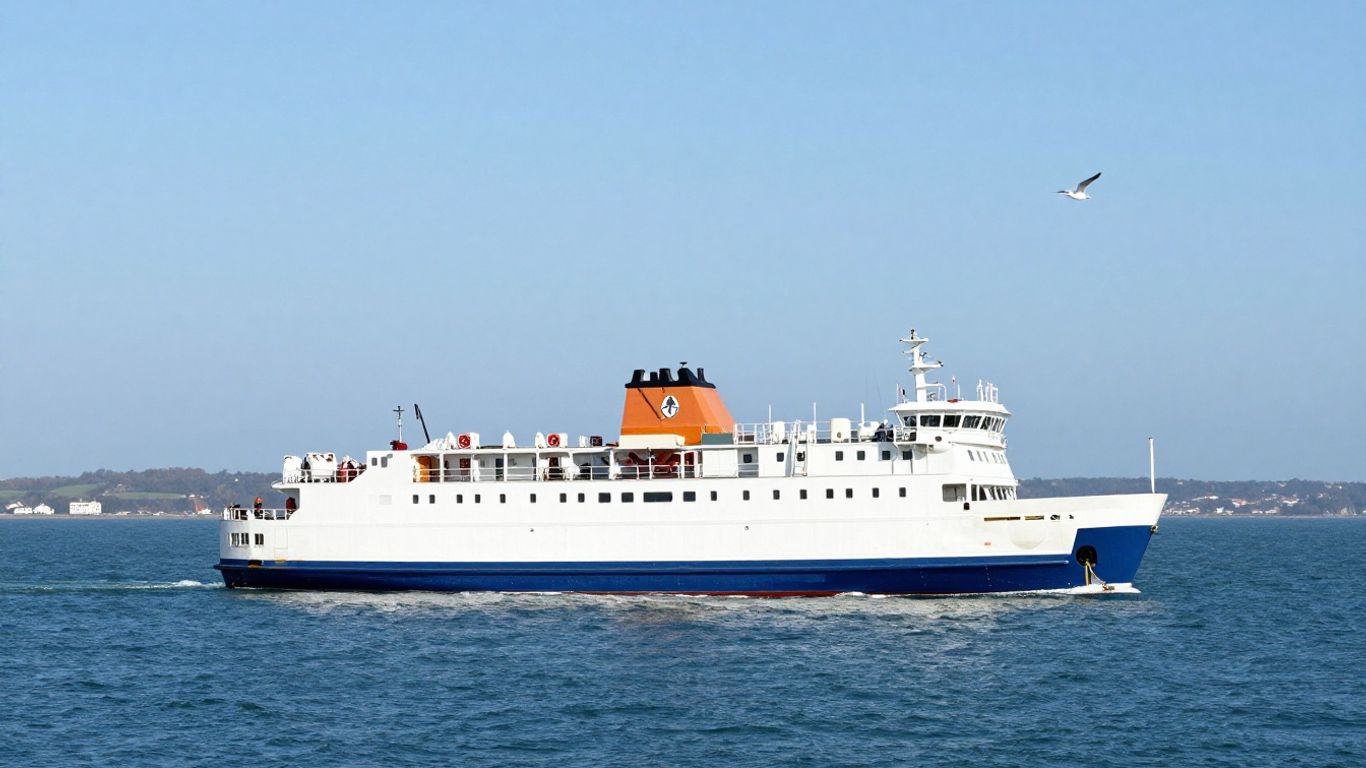
Thinking about hopping across the Channel from France to the UK? The ferry from Le Havre to Portsmouth is a pretty popular route. It’s a good way to get your car over, or just to have a different kind of travel experience. I’ve done it a few times, and while it’s usually straightforward, there are a few things that can make the trip smoother. This guide is all about that journey, from booking to getting off the boat and into Portsmouth.
Key Takeaways
- Booking your ferry from Le Havre to Portsmouth in advance is usually a good idea, especially during busy times.
- Check which ferry company you’re using and what kind of ticket suits your needs – day trip or overnight?
- Make sure you have all your travel documents ready before you get to Le Havre port.
- Familiarise yourself with the facilities on board the ferry; there’s usually food, shops, and places to sit.
- Know what to expect when you arrive at Portsmouth port and how to get on your way.
Planning Your Ferry from Le Havre to Portsmouth
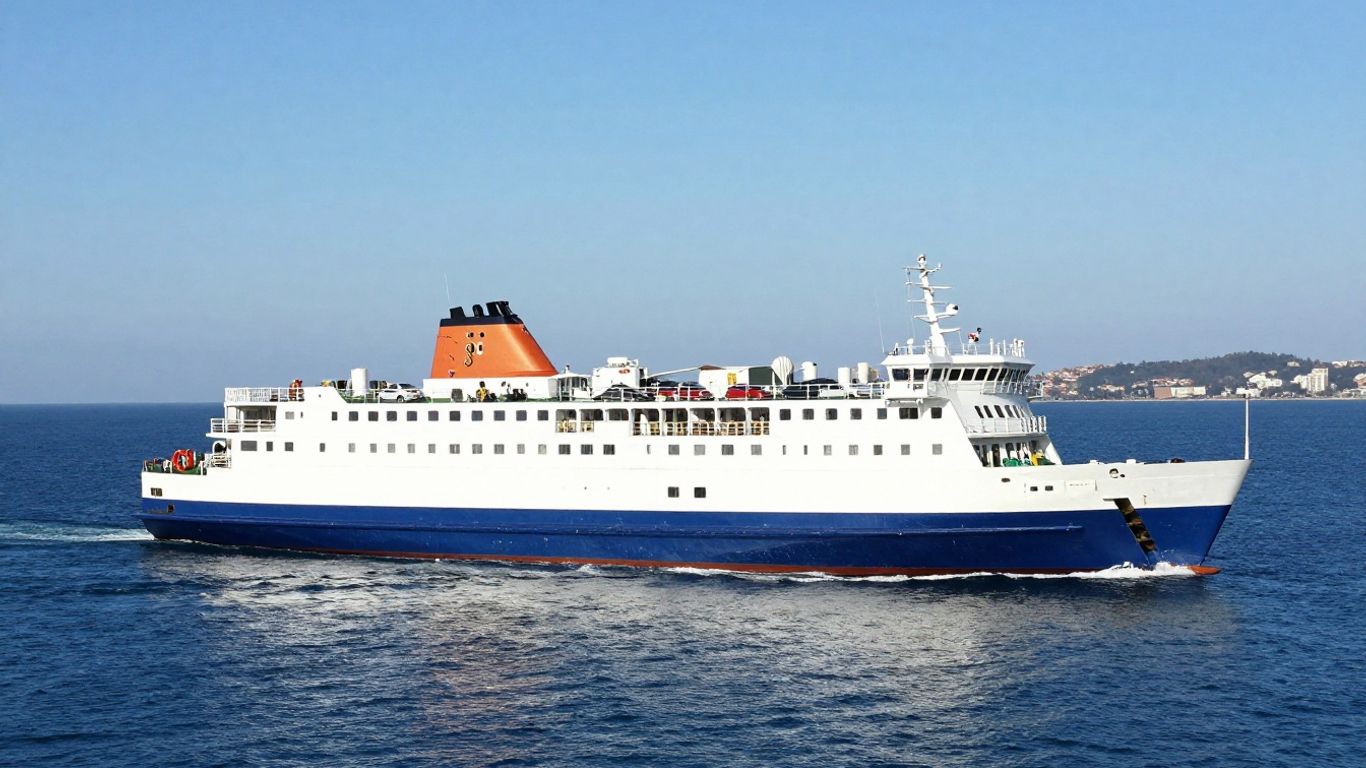
Getting your ferry booked from Le Havre to Portsmouth is the first step to a proper adventure across the Channel. It’s not as complicated as it might seem, but a little bit of planning goes a long way. You want to make sure you’ve got the right crossing sorted so you can just relax when you get to the port.
Booking Your Crossing
When you’re looking to book, the most important thing is to get your dates sorted. Ferry schedules can change depending on the season, so it’s always a good idea to check well in advance, especially if you’re travelling during peak times like school holidays or bank holidays. Most ferry companies have websites where you can compare prices and times. It’s often cheaper to book your tickets online in advance rather than turning up on the day. Keep an eye out for any special offers or discounts that might be available. You might also want to think about adding extras like travel insurance or flexible ticket options, just in case your plans change. Some companies offer packages that can make things easier, like SMS notifications about your sailing.
Choosing The Right Ferry Service
There are usually a couple of ferry operators running this route, and they each have their own pros and cons. Think about what’s most important to you. Are you looking for the quickest journey, the cheapest price, or the most comfortable experience? Some services might have more facilities onboard, like restaurants or play areas for kids, while others might be more basic. It’s worth doing a bit of research into each company to see which one best suits your needs. Look at reviews from other travellers if you can find them; they often give a good idea of what to expect.
Understanding Ticket Options
Ferry tickets aren’t always just a simple price. You’ll often find different ticket types available. Some might be standard tickets, while others could be more flexible, allowing you to change your travel dates or times for a fee, or sometimes even for free. There are also different options for vehicles – if you’re taking a car, make sure you book the correct size and type. Don’t forget to check what’s included in your ticket price. Sometimes meals or cabin accommodation might be extra, and you’ll want to factor that into your budget. It’s always best to read the small print before you click ‘book’ to avoid any surprises later on.
Planning ahead means less stress on the day. Knowing what to expect with your booking, the ferry company, and the ticket type will make the whole process much smoother. It’s about getting the details right so you can look forward to your trip without worrying about the little things.
Here’s a quick rundown of things to consider when booking:
- Departure and Arrival Times: Do they fit with your overall travel plans?
- Duration of Crossing: How long will you be at sea?
- Cost: Compare prices across different operators and dates.
- Onboard Facilities: What amenities are important to you (e.g., pet-friendly areas, restaurants, shops)?
- Vehicle Requirements: If travelling by car, ensure you book the correct space.
Remember, a bit of time spent on the planning stage can make your actual journey a lot more enjoyable. You can find some helpful insights into making the most of your trip by reading about others’ experiences.
Preparing For Your Ferry Journey
Getting ready for your ferry trip from Le Havre to Portsmouth is pretty straightforward, but a little bit of planning goes a long way. You don’t want to be rummaging through your bags at the last minute, right?
What To Pack For The Ferry
Think about what you’ll need during the crossing. It’s not a long journey, but having essentials to hand makes it much more comfortable. A small day bag with your immediate needs is a good idea.
- Travel documents: Passport, ferry ticket, any visa if needed.
- Entertainment: A book, headphones, a tablet for movies.
- Comfort items: A neck pillow, a light blanket, snacks.
- Medication: Any personal prescriptions or over-the-counter remedies.
- Chargers: For your phone and other devices.
Documents Required For Travel
This is super important. Make sure all your paperwork is in order before you even think about heading to the port. For UK citizens travelling to France, you’ll need your passport. Since Brexit, UK passports are now considered ‘third country’ passports by the EU, so check the validity dates carefully. Your passport needs to be valid for at least three months beyond your intended stay in the Schengen Area and issued within the last 10 years.
Always double-check the latest travel advice and entry requirements for France and the UK before you travel. Rules can change, and it’s better to be safe than sorry. Having your documents easily accessible will speed up the check-in process.
Arriving At Le Havre Port
Getting to the ferry terminal at Le Havre is usually quite simple. If you’re driving, follow the signs for ‘Ferries’ or ‘Brittany Ferries’. The port is well-signposted from the main roads. If you’re arriving by public transport, there are usually bus services or taxis available from the town centre. It’s a good idea to arrive at least an hour before your scheduled departure, especially if you’re travelling with a vehicle. This gives you plenty of time to check in, get your boarding pass, and find your way around without feeling rushed. You can find more details on getting to the port.
Here’s a quick rundown of what to expect:
- Check-in: Head to the ferry terminal building to check in and present your booking reference and travel documents.
- Vehicle boarding (if applicable): If you’re travelling by car, you’ll be directed to the lanes for vehicle boarding.
- Security checks: Similar to airport security, you may go through some checks.
- Boarding: Once cleared, you’ll be guided to board the ferry.
Life Aboard The Ferry
So, you’ve booked your ferry from Le Havre to Portsmouth. Now what? Well, the crossing itself is part of the adventure, and there’s plenty to keep you occupied. Don’t just sit there staring at the waves; make the most of your time on board.
Onboard Facilities And Amenities
Ferries these days are more like floating hotels than basic transport. You’ll find a range of facilities designed to make your trip comfortable. Depending on the specific service you’ve chosen, you might have access to:
- Lounges: Comfortable seating areas, often with great views of the sea.
- Shops: Stocked with essentials, gifts, and maybe even some local treats.
- Children’s Play Areas: To keep the little ones entertained.
- Quiet Areas: For those who just want to relax or catch up on some reading.
It’s worth checking what’s available on your particular sailing. Some services offer different tiers of seating or private cabins, which can make a big difference to your journey, especially if you’re travelling overnight. You can find out more about choosing the right onboard setup before you travel.
Dining Options During Your Voyage
Forget sad sandwiches in a Tupperware box. The food options on the Le Havre to Portsmouth ferry are usually pretty decent. You’ll typically find:
- Restaurants: Offering a range of meals, from full English breakfasts to evening dinners. Menus can vary, but expect a mix of classic dishes.
- Cafes/Bistros: For lighter bites, snacks, coffee, and pastries. Perfect for a quick refuel.
- Bars: Where you can grab a drink and watch the world go by.
Prices can be a bit higher than on land, as you’d expect, but the convenience is undeniable. It’s a nice way to break up the journey and enjoy a meal with a view.
Entertainment And Relaxation
While the main event is the sea voyage itself, there are ways to pass the time. Many ferries have:
- Television Screens: Usually showing news or general entertainment.
- Reading Areas: Quiet spots to get lost in a book.
- Outdoor Decks: Weather permitting, these are fantastic for fresh air and spotting wildlife.
Some longer routes might even have live music or other organised activities, though for the Le Havre to Portsmouth crossing, it’s generally more about enjoying the peace and the scenery. A daytime ferry trip really lets you soak it all in.
Remember that ferry schedules can change, especially with the seasons. Always double-check your departure and arrival times, and factor in any potential delays. It’s better to be a little early than to miss your boat!
Arriving In Portsmouth
So, you’ve made it across the Channel! Disembarking the ferry in Portsmouth is usually pretty straightforward, but it’s good to know what to expect. The process is generally smooth, especially if you’ve arrived at the right time.
Disembarking Procedures
Once the ferry docks, you’ll usually hear an announcement telling you when it’s time to leave. If you’re travelling with a car, you’ll be directed by port staff to drive off the ship. It’s a bit like a slow-moving car park, so just follow the signs and the instructions from the crew. Foot passengers will typically disembark a little before vehicles, and you’ll head straight into the terminal building. It’s worth remembering to arrive at Le Havre port at least 45 minutes before your scheduled departure, whether you’re driving or walking, to make sure this part is stress-free [5c30].
Navigating Portsmouth Port
Portsmouth International Port is a busy place, but it’s well-organised. Once you’re off the ferry, you’ll find clear signage to guide you. If you’re a foot passenger, you’ll head into the terminal where you can find facilities like toilets and waiting areas. There are usually taxis waiting outside, and bus stops are also nearby if you need public transport. If you’ve arrived by car, you’ll drive straight out of the port area. You can check ferry times and statuses on the port’s website, which is handy if you’re meeting someone [6614].
Continuing Your Journey From Portsmouth
From the port, you’ve got a few options to get to wherever you’re heading next. Taxis are readily available just outside the terminal building, offering a direct route to your destination. For those on a budget or looking to explore more locally, local bus services connect the port to the city centre and surrounding areas. If you’re planning to travel further afield, the main train station is a short taxi or bus ride away, with regular services to London and other major UK cities.
It’s always a good idea to have a rough plan for your onward journey before you even step onto the ferry. Knowing your transport options in advance can save a lot of hassle when you arrive, especially if you’re tired after your crossing.
Tips For A Smooth Ferry from Le Havre to Portsmouth
Getting from Le Havre to Portsmouth by ferry is pretty straightforward, but a few little things can make the whole experience even better. It’s not exactly rocket science, but paying attention to the details really does help.
Travelling With Pets
Bringing your furry friends along? That’s great! Most ferry companies have specific rules for pets, so it’s worth checking these out before you book. Usually, you’ll need to keep them in your vehicle or in designated pet-friendly cabins. Make sure you pack everything they might need – food, water bowls, their favourite blanket, and any medication. Don’t forget their travel documents, especially if they’re travelling internationally. It’s a good idea to give them a good walk before you board to help them settle down for the journey.
Accessibility Information
If you have mobility issues or any other accessibility needs, it’s really important to let the ferry company know when you book. They can usually arrange assistance for boarding and disembarking, and many ships have lifts and accessible toilets. It’s always best to confirm what facilities are available directly with the operator. You can find out more about specific services on the Brittany Ferries website.
Dealing With Seasickness
Nobody likes feeling queasy, and seasickness can really spoil a trip. If you’re prone to it, there are a few things you can do. Try to get some fresh air on deck, and focus on the horizon. Eating light, bland foods can help, and avoiding heavy, greasy meals is a good plan. Over-the-counter medication is widely available, but it’s wise to try it out before your trip to see how it affects you. Some people find acupressure bands helpful too. Remember, the ferry staff are there to help if you’re feeling unwell.
Planning your arrival time is key. For foot passengers, aiming to be at the port about an hour before departure is a sensible approach. If you’re travelling with a car, give yourself even more time to get through check-in and onto the ferry. Being late can add a lot of unnecessary stress to your journey.
Exploring Portsmouth After Your Ferry
So, you’ve made it off the ferry at Portsmouth, feeling that solid ground beneath your feet. What’s next? Well, Portsmouth is a city with a lot to offer, especially if you’re into history, maritime stuff, or just a good old seaside vibe. You’re right on the doorstep of some fantastic experiences.
Key Attractions In Portsmouth
There’s a good chance you’ll want to see some of the big hitters. The Historic Dockyard is a must-visit. You can wander around old warships, see Nelson’s flagship HMS Victory, and explore the Mary Rose museum. It really gives you a feel for Britain’s naval past. If you fancy something a bit more modern, the Spinnaker Tower offers amazing views across the city and out to sea. It’s quite a sight, especially on a clear day. For families, especially those with younger kids, the Providence Children’s Museum might be a fun stop, though it’s a bit of a drive from the port itself.
Getting Around The City
Once you’re off the ferry, getting around is pretty straightforward. The port is well-connected. You can grab a taxi right there, or if you’re feeling energetic, it’s walkable to some areas. Buses are a good option for getting to different parts of the city. If you’re planning on exploring a bit further afield, or just want the freedom to stop wherever you fancy, hiring a car might be worth considering. Parking can be a bit tricky in the centre, but there are car parks available. For instance, free parking is available in nearby city lots after 6 PM.
Local Cuisine To Savour
When it comes to food, Portsmouth has a decent range. Being a coastal city, you’ll find plenty of places serving fresh seafood. Fish and chips are practically a requirement, aren’t they? You’ll find loads of chippies dotted around. Beyond that, there are pubs offering traditional British fare, and a growing number of restaurants with international options. Southsea, in particular, has a good selection of cafes and eateries.
Don’t forget to check the opening times for attractions, especially if you’re travelling outside of peak season. Some places might have reduced hours or be closed on certain days.
So, That’s the Ferry Trip Sorted
Right then, so that’s pretty much the lowdown on getting yourself from Le Havre over to Portsmouth by ferry. It’s not exactly a complicated journey, but knowing a few bits and bobs beforehand can make it a lot smoother. Whether you’re heading off on holiday or just popping over for a visit, this ferry route is a decent way to travel. Just remember to book your tickets in advance, especially if you’re taking a car, and pack a bit of patience for the boarding process. Enjoy the crossing, and welcome to the UK!
Frequently Asked Questions
How long does the ferry trip from Le Havre to Portsmouth take?
The ferry journey usually takes around 6 to 8 hours, depending on the ferry company and the specific sailing. It’s a good idea to check the exact schedule when you book your tickets.
Can I take my car on the ferry?
Absolutely! Most ferries on this route allow you to bring your car, caravan, or even a motorbike. You’ll need to book a space for your vehicle when you buy your ferry ticket.
What should I do if I get seasick?
If you’re worried about seasickness, bring some medication with you. It’s also helpful to stay on deck in the fresh air and focus on the horizon. Most ferries have places where you can get a bite to eat or a drink, which can also help.
Are there places to eat on the ferry?
Yes, there are usually restaurants and cafes on board. You can grab a full meal, a snack, or just a coffee while you sail. It’s a convenient way to pass the time and enjoy some food without leaving the ship.
What documents do I need for the ferry crossing?
You’ll need your passport, of course, as you’re travelling between France and the UK. Make sure it’s valid for your entire trip. If you’re taking your car, you’ll also need your driving licence and your vehicle’s registration documents.
When should I arrive at the port in Le Havre?
It’s best to get to the ferry terminal in Le Havre at least 1 to 2 hours before your ferry is due to depart, especially if you’re travelling with a vehicle. This gives you plenty of time to check in, park up, and find your way around without rushing.