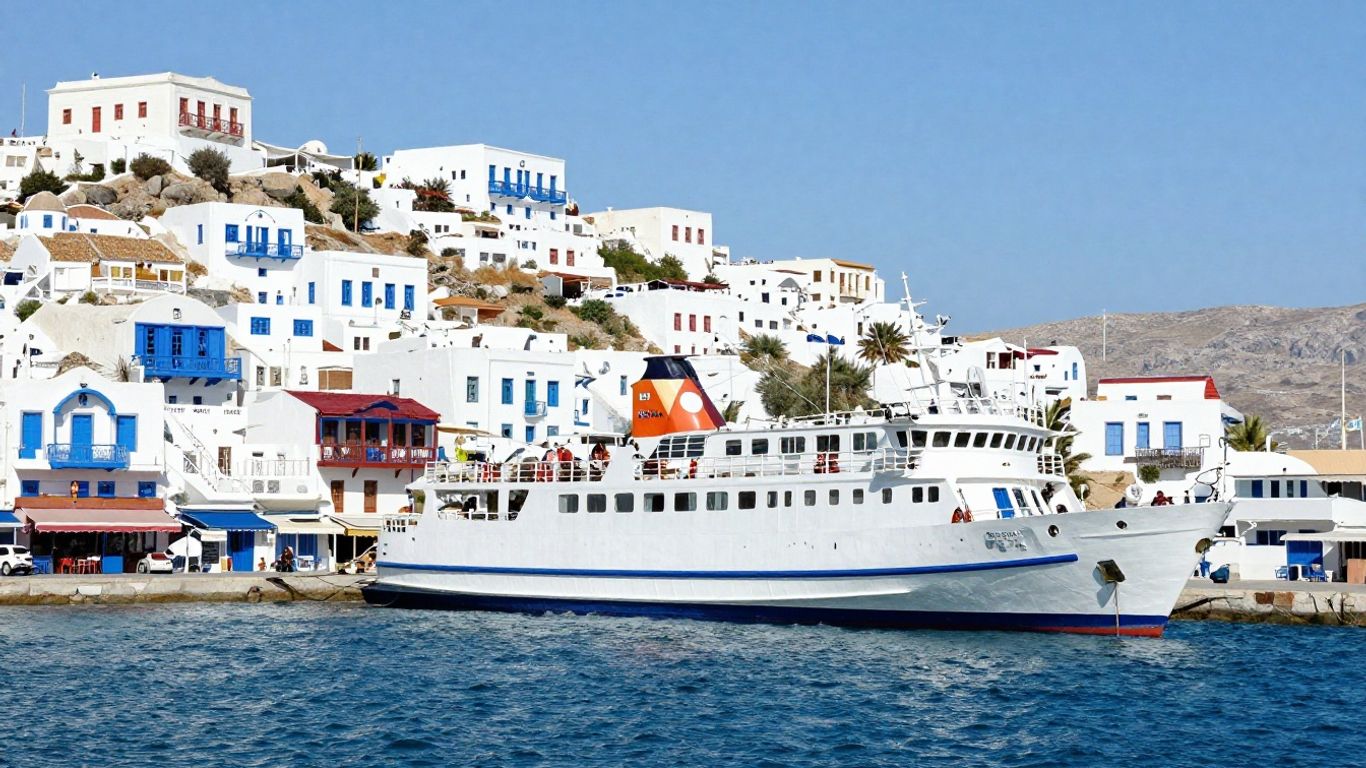
Thinking about hopping between islands in Greece? The trip from Kos to Patmos is a popular one. Lots of people make this journey every year. This guide is here to help you sort out the details for your ferries from Kos to Patmos. We’ll cover when they run, how to get your tickets, and some handy hints to make the trip smooth. It’s not too complicated, but a little planning goes a long way.
Key Takeaways
- Check ferry schedules for Kos to Patmos carefully, as they change with the seasons.
- Book your ferry tickets in advance, especially during busy travel times.
- Understand the different types of ferries available for the Kos to Patmos route.
- Know what to expect at the port and onboard the ferry for your trip.
- Plan how you’ll get around Patmos once you arrive from your ferry.
Planning Your Ferries Kos to Patmos Journey
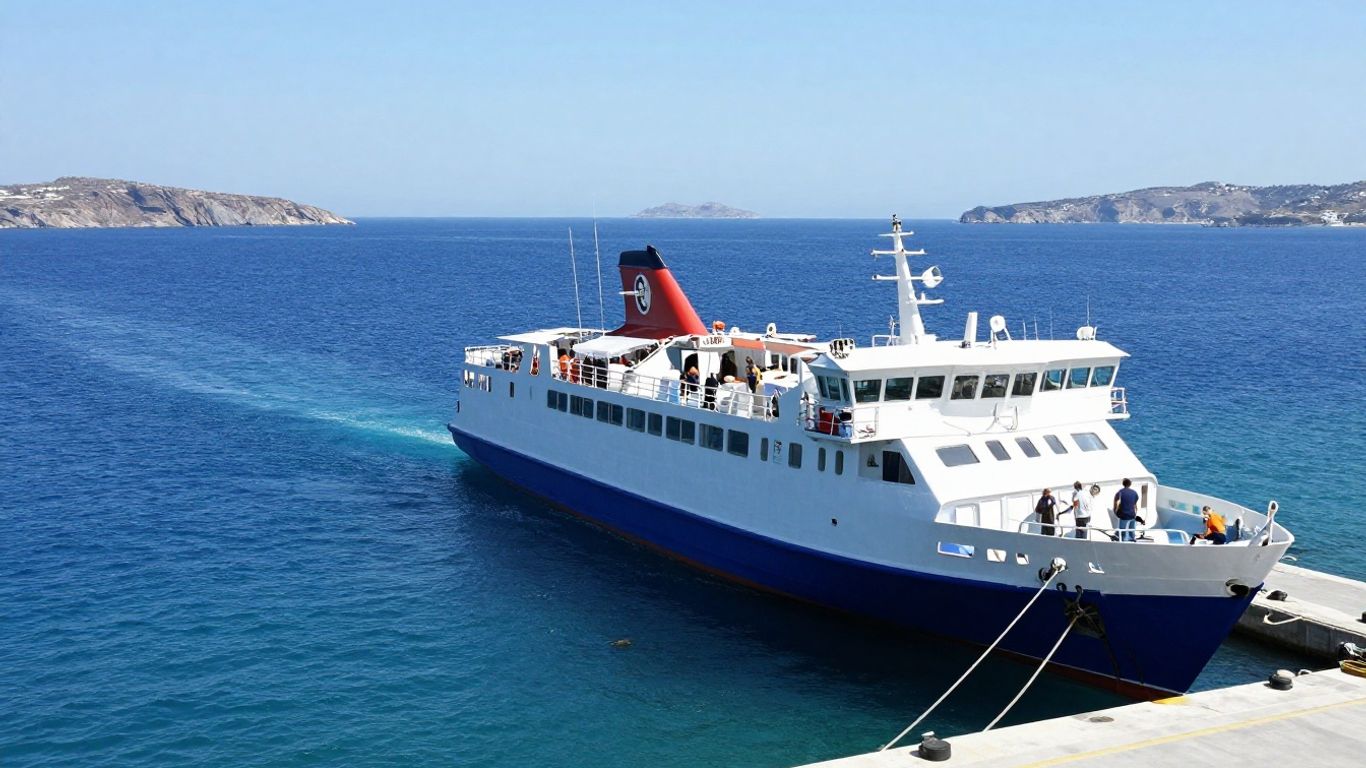
So, you’re thinking about hopping over to Patmos from Kos? Smart move. It’s a pretty straightforward trip, but like anything, a little planning goes a long way. Getting the ferry sorted early means less stress when you’re actually on holiday.
Understanding Ferry Schedules
First things first, you need to know when these boats are actually running. Schedules can change, especially depending on the season. You’ll find more frequent services during the summer months when everyone wants to visit the islands. Out of season, things slow down a bit, so it’s worth double-checking.
- Summer: Expect daily departures, often multiple times a day.
- Spring/Autumn: Services might be reduced to a few times a week.
- Winter: Ferries are less frequent, sometimes only running a couple of times weekly.
It’s always a good idea to check the latest timetables closer to your travel date. You can usually find this information online or by asking at the port.
Choosing The Right Ferry Operator
There are usually a few different ferry companies operating this route. They might offer slightly different prices, journey times, or types of boats. Some are faster, some are slower but cheaper, and some might have better onboard facilities. It’s worth comparing them to see which one fits your needs best. For example, some might be large, stable ferries, while others could be smaller, faster catamarans. The choice often comes down to budget versus speed.
Booking Your Tickets In Advance
While you can sometimes buy tickets on the day, especially if you’re not travelling in peak season, it’s generally a good idea to book ahead. This is particularly true if you’re travelling during July or August, or if you have specific dates in mind. Booking in advance can sometimes get you a better price, and it guarantees your spot. You don’t want to turn up at the port only to find the ferry is full!
Booking your ferry tickets a few weeks before you travel is a smart move. It takes the guesswork out of it and means you can relax knowing your transport is sorted. Plus, sometimes you can snag a better deal by booking early, especially if you’re travelling during busy periods.
There are several ways to book, which we’ll get into next, but the main takeaway is: don’t leave it all to the last minute if you can help it. You can find ferry schedules from Kos to Patmos readily available online.
Navigating Ferry Timetables For Kos To Patmos
Right then, let’s talk about the ferry times between Kos and Patmos. It’s not always as straightforward as you might think, and getting this bit right can save you a lot of hassle. The key is to check the schedule close to your travel date, as things can change.
Seasonal Variations In Departures
Ferry schedules aren’t static, you know. They tend to shift quite a bit depending on the time of year. During the peak summer months, say from June to September, you’ll usually find more frequent services. Think extra departures, especially in the mornings and afternoons. Come the shoulder seasons (April-May and October), the frequency might drop a bit. And in the dead of winter, services can become quite limited, sometimes only running a few times a week. It’s always a good idea to have a look at the latest ferry schedules closer to when you plan to travel.
Typical Journey Durations
The actual time spent on the ferry can vary. It really depends on the type of boat and how many stops it makes along the way. Some of the faster, more modern catamarans might zip you over in around an hour, maybe a bit more. The slower, conventional ferries, which are often a bit cheaper, can take longer, sometimes up to two hours or even a bit more if they’re making several stops at other islands like Leros or Lipsi. It’s worth checking the specific journey time when you book.
Understanding Ferry Types
There are generally two main types of ferries you’ll encounter on this route:
- High-speed Catamarans: These are the speedy ones. They’re usually more expensive but cut down your travel time significantly. They’re great if you’re short on time or just prefer getting to your destination quicker.
- Conventional Ferries: These are the workhorses. They’re typically larger, more stable in rougher seas, and often cheaper. They take longer because they usually make more stops, acting as a sort of local bus service for the islands. They can be a more relaxed way to travel, and you get to see more of the Aegean.
When you’re looking at timetables, pay attention to the ferry company’s name and the type of vessel. Sometimes, the same route might be served by different companies using different types of boats, so the journey duration and price will differ.
It’s also worth noting that sometimes ferries might go via other islands. For example, a ferry from Kos to Patmos might stop at Leros or Lipsi first. This can add to the journey time but also gives you a chance to see more of the Dodecanese. If you’re looking for direct routes to other islands, you might want to check out options for ferries to Kalymnos as well, just to get a feel for the network.
Securing Your Kos To Patmos Ferry Tickets
Right then, getting your ferry tickets sorted for the trip from Kos to Patmos is pretty straightforward, but it pays to be a bit organised. You don’t want to be left hanging at the port, do you?
Online Booking Platforms
These days, booking online is usually the easiest way to go. There are a few different websites that let you compare prices and schedules for ferries across the Greek islands. It’s a good idea to check a couple of them out to make sure you’re getting the best deal. You can often find tickets for the Kos to Patmos route available several weeks, or even months, in advance, especially if you’re travelling in peak season. It’s worth looking at sites like Ferryhopper or similar platforms that aggregate ferry information.
Local Ticket Agents In Kos
If you’re more of a ‘see it to believe it’ type, or if you’ve left things a bit late, there are plenty of ticket agents dotted around Kos Town and the port area. These guys know the ferry business inside out. They can tell you about different companies, what’s included, and help you pick the best option for your travel dates. Sometimes, they might even have last-minute deals, though don’t count on it during busy periods. It’s a nice way to support local businesses too.
What To Expect On The Day Of Travel
So, you’ve got your ticket, brilliant! On the day of your trip, make sure you know which part of Kos harbour your ferry departs from. They can sometimes be a bit spread out. Aim to get to the port at least 30-45 minutes before your scheduled departure. This gives you time to find your specific ferry, show your ticket (either printed or on your phone), and get yourself sorted without rushing. Most ferries from Kos to other islands, like the one to Leros, usually have a clear boarding process, so just follow the signs and the crew’s directions. You’ll typically need to show your ID along with your ticket.
Remember to double-check the exact departure point at the port. Sometimes, ferries might switch berths, especially if there are multiple sailings around the same time. A quick ask at the port information desk or with a ferry company representative can save you a lot of hassle.
Essential Tips For Your Ferry Trip
So, you’ve booked your ferry from Kos to Patmos. Brilliant! Now, let’s talk about making the actual journey as smooth as possible. It’s not exactly a long haul, but a few bits of advice can make all the difference.
What To Pack For The Voyage
Think practical. You don’t need your entire holiday wardrobe, but a few key items will make the trip more comfortable. A light jacket or cardigan is a good idea, even in summer, as the sea breeze can get chilly. Don’t forget sunglasses and a hat – the sun can be surprisingly strong on deck. If you’re prone to seasickness, bring along any remedies you usually use. A good book or some downloaded podcasts are also a lifesaver for passing the time.
- Sunscreen and hat
- Light jacket or jumper
- Seasickness medication (if needed)
- Book or entertainment
- Water bottle
Arriving At The Port
Getting to the ferry port in Kos (usually the main town port) with enough time is key. Aim to be there at least 30-45 minutes before your scheduled departure. This gives you a buffer for any unexpected delays and time to find your ferry and embark without a mad dash. Check which quay your ferry is departing from, as larger ports can have multiple docking points. If you’re arriving in Kos by plane and connecting straight to the ferry, try to book flights that land with plenty of time to spare; flying to Kos and then taking a ferry is a common route.
It’s always better to be waiting at the port than to be rushing to catch your boat. A little bit of pre-planning here saves a lot of stress later on.
Onboard Amenities And Services
Most ferries on this route are pretty standard, but there can be variations. You’ll usually find a cafe or small shop selling drinks, snacks, and sometimes light meals. Seating is generally available both inside and outside. Some of the larger vessels might have more extensive facilities, but don’t expect a full restaurant. Toilets are available, of course. If you have any specific needs, like travelling with a pet or requiring assistance, it’s wise to check with the ferry company beforehand. While not always advertised, many ferries are equipped to handle passengers with mobility issues, though advance notice is always appreciated.
| Facility | Availability (Typical) |
|---|---|
| Indoor Seating | Yes |
| Outdoor Seating | Yes |
| Cafe/Snacks | Yes |
| Toilets | Yes |
| Wi-Fi | Sometimes |
Exploring Patmos After Your Ferry Arrival
So, you’ve made it to Patmos! Stepping off the ferry, especially at the main port of Skala, feels like entering a different world. It’s a place that really invites you to slow down and soak it all in. The island has a unique spiritual vibe, but it’s also just a beautiful Greek island with plenty to see and do.
Getting Around Patmos
Once you’re on dry land, figuring out how to get around is pretty straightforward. Skala itself is quite walkable, especially the waterfront area. For exploring further afield, you’ve got a few good options:
- Local Buses: These are a reliable and budget-friendly way to reach different parts of the island, including Chora and Grikos. Timetables can vary, so it’s worth checking them when you arrive.
- Taxis: Available in Skala and other main spots. They’re good for direct trips or if you’re travelling with luggage.
- Scooter/Car Hire: If you fancy more freedom to explore hidden coves and villages at your own pace, renting a scooter or a small car is a popular choice. You’ll find rental places in Skala.
Must-See Attractions
Patmos isn’t huge, but it packs a spiritual and historical punch. You absolutely can’t miss:
- The Monastery of Saint John the Theologian: Perched high above Skala in Chora, this imposing fortress-monastery is the island’s most famous landmark. It’s a UNESCO World Heritage site and offers incredible views. You can explore parts of it, including chapels with ancient frescoes.
- The Cave of the Apocalypse: Located between Skala and Chora, this is where Saint John is said to have received his visions and written the Book of Revelation. It’s a deeply moving and significant pilgrimage site.
- Chora: The island’s capital, a maze of whitewashed alleys, traditional houses, and charming squares. It’s a beautiful place to wander, get lost, and discover little churches and viewpoints.
- Beaches: While not its primary draw, Patmos has some lovely spots to relax. Agriolivado and Lambi are popular choices, known for their clear waters and tavernas. You can find quieter coves too if you explore a bit.
Arriving in Patmos, especially after a ferry journey, can feel a bit disorienting at first. Take a moment to just breathe in the sea air and get your bearings. Skala, the port town, is a good place to start, with cafes and shops lining the harbour. It’s the perfect spot to grab a coffee and plan your next move.
Local Cuisine Recommendations
Greek food is always a winner, and Patmos is no exception. You’ll find plenty of fresh seafood and traditional dishes. Look out for:
- Freshly caught fish: Grilled or baked, it’s a must-try, especially in the seaside tavernas.
- Local cheeses and pies: Many tavernas will have daily specials featuring local ingredients.
- Patmian "Pougia": A sweet cheese pie, often flavoured with honey and cinnamon. It’s a local delicacy you might find in bakeries or some restaurants.
Don’t be afraid to ask locals for their favourite spots; they usually know the best places away from the main tourist drag. Enjoy your time exploring this special island! Skala is a great base to start from.
So, Ready for Patmos?
Right then, that’s pretty much it for getting from Kos to Patmos. We’ve gone over the ferry times, how to grab your tickets, and a few bits and bobs to keep in mind. It’s not a complicated trip, but a little planning goes a long way, doesn’t it? Just double-check those schedules before you head off, especially if you’re travelling in the quieter months. Patmos is a special place, and the ferry ride is part of the adventure. Have a good trip!
Frequently Asked Questions
How long does the ferry journey from Kos to Patmos usually take?
The trip can vary a bit depending on the ferry type and the stops it makes. Generally, you’re looking at somewhere between 2 to 4 hours. Some faster boats might be a little quicker, while slower ones could take a bit longer.
When is the best time of year to travel by ferry between Kos and Patmos?
The summer months, from June to September, are the most popular times with lots of ferry services. However, if you prefer fewer crowds, the shoulder seasons like May or October can also be lovely, though there might be fewer ferries running.
Should I book my ferry tickets in advance?
It’s a really good idea to book ahead, especially if you’re travelling during peak season (summer) or on popular days. This helps make sure you get a seat on the ferry you want and can sometimes even save you a bit of money.
What are the different types of ferries available?
You’ll usually find two main types: conventional ferries, which are larger and slower, and high-speed ferries, which are smaller, faster, and often a bit more expensive. The slower ones tend to have more space and facilities.
Where do I catch the ferry in Kos?
Ferries to Patmos depart from the main port of Kos Town. It’s a busy place, so give yourself plenty of time to find your specific departure gate and check in.
What should I bring with me on the ferry?
Pack essentials like sunscreen, a hat, and sunglasses, as it can get sunny. A light jacket is also useful for the sea breeze. Don’t forget your booking confirmation and ID!