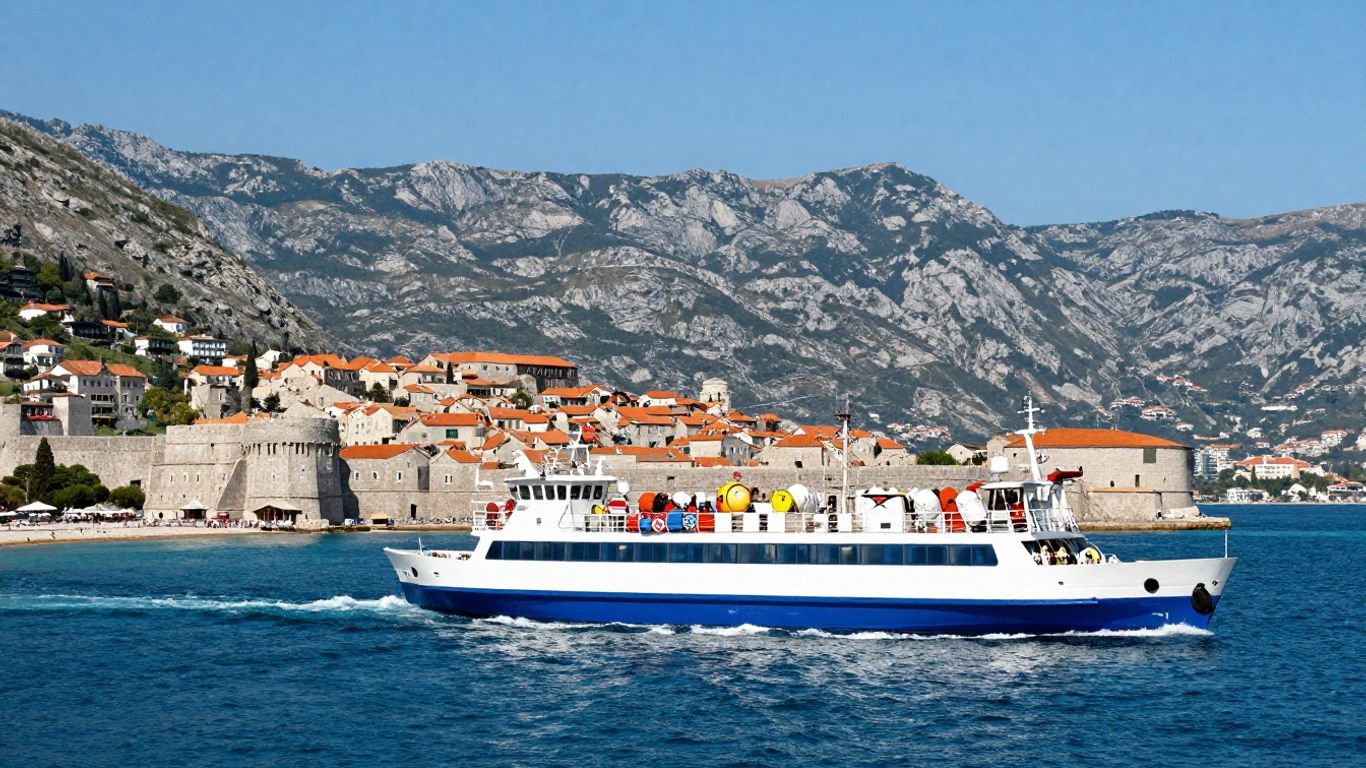
Thinking about hopping from Dubrovnik to Montenegro? A ferry trip is a pretty sweet way to do it. Forget the hassle of driving or buses; this is a scenic route that drops you right into the heart of Montenegro’s stunning coast. We’ll walk you through how to sort out your dubrovnik to montenegro ferry journey, what to expect on the boat, and how to make the most of your arrival.
Key Takeaways
- The Dubrovnik to Montenegro ferry route connects Croatia’s popular city with Montenegro’s beautiful coastline, offering a relaxed travel experience.
- Booking your ferry tickets in advance, especially during peak season, is a good idea to secure your spot.
- Familiarise yourself with the departure port in Dubrovnik and your arrival point in Montenegro to plan your transport to and from the terminals.
- Expect a pleasant journey with basic onboard amenities; check what services are available before you travel.
- Once in Montenegro, you’ll be well-placed to explore places like Kotor Bay and other coastal towns, with further travel options readily available.
Planning Your Dubrovnik To Montenegro Ferry Journey
So, you’re thinking about hopping on a ferry from Dubrovnik over to Montenegro? It’s a pretty sweet way to travel, honestly. Instead of wrestling with buses or driving, you get to see the coastline from the water, which is a big plus in my book. But like anything, a bit of planning goes a long way to make sure it all goes smoothly.
Understanding The Dubrovnik To Montenegro Ferry Route
This isn’t a super long trip, but it’s not just a quick hop across the river either. The ferries usually run between Dubrovnik’s main port and a few key spots in Montenegro, most commonly Kotor or Herceg Novi. It’s worth checking which port you’ll arrive at, as it might affect your onward travel plans. You can usually find schedules that show departures organised by port and specific dates, which is handy for figuring out your options view departures.
Best Time Of Year For The Ferry
When you decide to go really makes a difference. Summer, so from June to August, is peak season. The weather is usually gorgeous, perfect for being on deck, but it also means more crowds and higher prices. If you prefer a bit more breathing room and slightly cheaper fares, consider the shoulder seasons – April, May, September, or October. The sea might be a bit cooler, but the sunshine is often still plentiful, and the towns are less packed.
- Summer (June-August): Warmest weather, busiest, most expensive.
- Spring (April-May): Pleasant temperatures, fewer crowds, blooming scenery.
- Autumn (September-October): Mild weather, quieter atmosphere, beautiful autumn colours.
Booking Your Ferry Tickets In Advance
Look, I’m not going to lie, sometimes you can just turn up and get a ticket, especially if you’re travelling off-season. But if you’re going during the summer months or want to be absolutely sure you get a spot on your preferred sailing, booking ahead is a really good idea. It takes the stress out of it, and you might even snag a better price. Don’t leave it to the last minute, especially if you have specific travel dates in mind.
Planning ahead means you can focus on the fun stuff, like what to pack and where to explore once you get there. It’s all about making the journey as enjoyable as the destination.
Navigating The Ferry Terminals
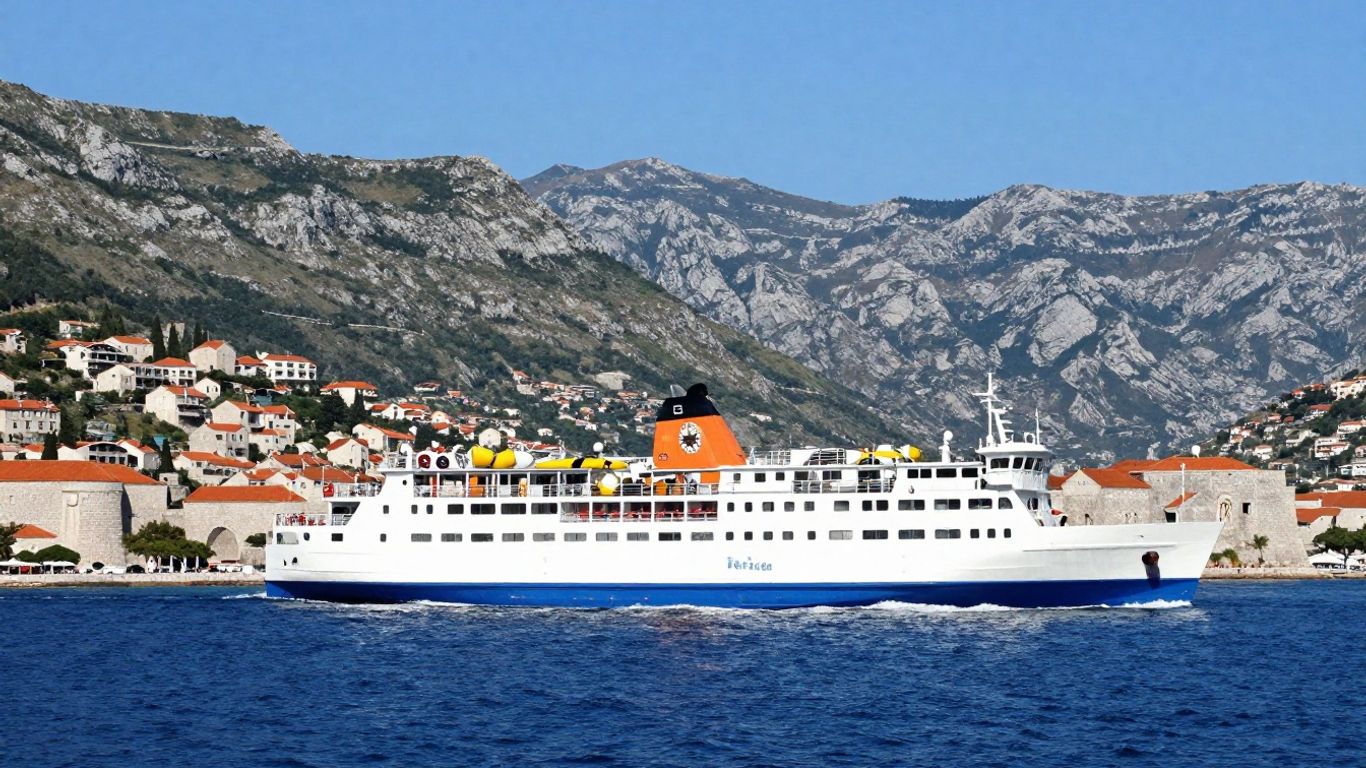
Getting to and from the ferry terminals is a pretty big part of the whole trip, so it’s good to have a handle on it before you even think about booking. It’s not usually complicated, but knowing the lay of the land makes things much smoother.
Departure Point: Dubrovnik Port
Your ferry will set off from the main Dubrovnik Port, which is located a bit outside the Old Town, in Gruž. Don’t get confused with the smaller ports or the Old Town harbour where the excursion boats go. The passenger ferry terminal is where you’ll want to be. It’s a busy place, especially during peak season, so give yourself plenty of time to get there. You can usually find signs pointing you towards the ferry companies or the specific departure gate for your Montenegro-bound boat. Most international ferries depart from the main passenger terminal building.
Arrival Points In Montenegro
When you arrive in Montenegro, you’ll likely dock at one of two main spots: Kotor or Budva. The exact port can depend on the ferry company and the specific route they’re running. Some ferries go straight to Kotor, which is right in the heart of the stunning Kotor Bay. Others might stop in Budva, a lively coastal town known for its beaches and old town. It’s really important to check your ticket to see which port you’re heading to, as they’re not interchangeable for onward travel. For example, if you’re aiming for Kotor, you’ll want a ferry that docks there, not Budva, unless you plan to travel between them later. You can find more details about ferry services connecting Kotor if that’s your destination.
Getting To And From The Terminals
Reaching Dubrovnik Port from the Old Town or other parts of the city is fairly straightforward. The most common way is by local bus. Bus number 1A and 1B run frequently between the Old Town (Pile Gate) and the Gruž port. It’s a cheap and cheerful option, though it can get crowded. Taxis are also readily available, but they will cost more. Make sure to agree on a price before you get in, or ensure the meter is running. If you’re coming from the airport, you’ll likely need to take the airport shuttle bus to the main bus station, which is near the ferry port, or grab a taxi directly.
Once you arrive in Montenegro, getting from the port to your accommodation will depend on where you’ve landed. In Kotor, the ferry terminal is quite close to the Old Town, so you can often walk or take a short taxi ride. If you arrive in Budva, the main passenger terminal is also reasonably central, but again, a taxi might be the easiest way to get to your hotel, especially if you have a lot of luggage. Some smaller ports might require a bit more planning.
Always double-check the exact location of your departure and arrival ports. Ferry schedules and docking points can sometimes change, and it’s better to be prepared than to be caught out on the day.
Onboard The Dubrovnik To Montenegro Ferry
So, you’ve made it to the port and your ferry is ready to go. What’s it actually like on board? Well, it’s generally a pretty straightforward experience, and most people find it quite pleasant. The journey itself is a big part of the adventure, offering lovely views as you leave Croatia behind and head towards the Montenegrin coast.
What To Expect During The Voyage
Most ferries operating this route are modern and comfortable. You’ll typically find different seating areas, some more like airline seats, others more like lounge areas. It’s a good idea to have a wander around once you’re settled to see what’s available. The sea can sometimes be a bit choppy, especially if the weather isn’t perfect, so if you’re prone to seasickness, it might be worth bringing some medication. The trip duration can vary, but it’s usually a few hours, giving you plenty of time to relax or take in the scenery. Some travellers have noted how friendly the crews are, which always makes a trip better.
Onboard Amenities And Services
Don’t expect a five-star hotel, but most ferries do have a few things to keep you occupied and comfortable. You’ll usually find:
- Cafes or small restaurants: Offering drinks, snacks, and sometimes light meals. It’s not gourmet dining, but it’ll do for a few hours.
- Toilets: These are generally clean and accessible.
- Shops: Some larger ferries might have a small shop selling essentials or souvenirs, though don’t count on extensive duty-free shopping on this particular route.
- Wi-Fi: This can be a bit hit or miss. Sometimes it’s free, sometimes it costs extra, and sometimes it just doesn’t work very well out at sea. It’s best not to rely on it for anything important.
Travelling With Luggage
Bringing your bags onto the ferry is usually quite simple. Unlike flying, you generally don’t have to worry too much about strict baggage allowances for your main luggage. You’ll typically take your suitcases with you onto the ferry and store them in designated areas. Smaller bags, like backpacks or handbags, can usually be kept with you at your seat. It’s always wise to keep valuables and anything you might need during the crossing (like a book, headphones, or snacks) in your smaller, carry-on bag. If you have particularly large or heavy items, check with the ferry operator beforehand, but for standard holiday luggage, it’s normally fine. You can find more details on luggage policies when you book your ferry tickets.
The journey across the Adriatic is often quite scenic. Keep an eye out for the coastline as you depart Dubrovnik and as Montenegro comes into view. It’s a lovely way to transition between the two countries, much more relaxed than flying.
Remember to keep your ticket handy, as you’ll likely need to show it when boarding and potentially at different points on the ferry.
Exploring Montenegro After Your Ferry Trip
So, you’ve made it across the water from Dubrovnik, and now you’re standing on Montenegrin soil. What’s next? Well, the ferry often drops you right into the heart of some seriously beautiful spots, especially if you’re heading into the famous Bay of Kotor. It’s a pretty dramatic entrance, I have to say.
Discovering Kotor Bay By Ferry
If your ferry journey takes you into the Bay of Kotor, you’re in for a treat. This isn’t just any bay; it’s a UNESCO World Heritage site, and for good reason. It looks like a fjord, but it’s actually a submerged river canyon. The water is a deep blue, and the mountains rise up so steeply on either side, it feels like you’re in another world. Many ferry routes will give you a fantastic view of this as you approach. Some day trips from Dubrovnik even include a stop here, giving you a taste before you even arrive properly. It’s a great way to get a feel for the place.
Key Destinations Accessible From Ferry Ports
Depending on where your ferry docks, you’ll have different options. The most common arrival points are usually around Kotor itself, or sometimes further down the bay towards Tivat or Herceg Novi. From these ports, you can easily:
- Explore Kotor Old Town: This is a must-do. It’s a medieval walled city with narrow streets, old churches, and a fortress you can climb for amazing views. Seriously, wear comfy shoes.
- Visit Perast: This tiny, picturesque town is just a short bus or taxi ride from Kotor. It’s famous for its two islands, Our Lady of the Rocks and St. George. You can take a small boat out to them.
- Head to Tivat: If you arrive here, you’ll find Porto Montenegro, a fancy marina with lots of cafes and shops. It’s a bit of a contrast to the old towns, but nice for a stroll.
- Discover Herceg Novi: Known for its fortresses and staircases, it’s a lovely place to wander.
Further Travel Options Within Montenegro
Once you’ve had your fill of the bay, Montenegro has plenty more to offer. Buses are quite common and connect most of the major towns. They’re usually pretty affordable, though can be a bit crowded sometimes. If you’re looking for more flexibility, renting a car is an option, but be warned that the roads can be narrow and winding, especially in the mountains. For a truly scenic route, consider a drive towards the famous Pavlova Strana viewpoint, which offers incredible views of the Crnojevića River.
Getting around Montenegro after your ferry trip is part of the adventure. Don’t expect everything to be perfectly organised like in some Western European countries. Embrace the local pace, be patient, and you’ll discover some truly special places.
If you’re planning on seeing more of the country, booking onward travel in advance might be a good idea, especially during peak season. You can often find buses heading to places like Budva, Podgorica (the capital), or even further south towards Albania. Taxis are also available, but agree on a price before you set off. For those who want to see the most iconic views, the winding Crnojevića River is a sight you won’t forget. This itinerary gives you an idea of what that journey looks like.
Essential Tips For Your Ferry Adventure
So, you’re all set for your ferry trip from Dubrovnik to Montenegro. Brilliant! A little bit of preparation goes a long way, and I’ve picked up a few things along the way that might just make your journey smoother. It’s not complicated, but a few pointers can save you hassle.
What To Pack For The Ferry Crossing
When packing for the ferry, think layers. The sea air can be surprisingly chilly, even on a sunny day. A light waterproof jacket is a good idea, just in case. Don’t forget sunglasses and a hat – the sun reflecting off the water can be intense. Also, a good book or some downloaded podcasts are a must for keeping yourself entertained during the crossing. Having a small bag with your essentials like your passport, phone, and some snacks easily accessible is a smart move.
Currency And Payment Onboard
Most ferries operating this route will accept Euros, as it’s widely used in both Croatia and Montenegro. However, it’s always wise to have a bit of local currency on hand, especially if you plan on buying souvenirs or snacks from smaller vendors onboard. Credit and debit cards are generally accepted for larger purchases in the onboard shop or restaurant, but it’s good to check with the specific ferry operator beforehand. Some smaller transactions might be cash-only. You can find information on ticket prices, which often range from €50.00 to €60.00, on various booking sites.
Dealing With Potential Delays
Ferries, like any form of transport, can sometimes face delays due to weather conditions or other unforeseen circumstances. It’s rare, but it happens. If you’re connecting to other transport in Montenegro, try to build in a little buffer time. Checking the ferry operator’s website or app for real-time updates before you travel is a good habit. If a delay does occur, stay calm and check with the crew for the latest information. They’re usually very helpful.
Remember that arriving at the port with plenty of time to spare is always a good strategy. This gives you breathing room for check-in and boarding, and reduces any last-minute stress. Aim to be at the departure point at least an hour before your scheduled sailing time, especially if you’re travelling during peak season.
So, What’s the Verdict?
Right then, so we’ve gone through all the bits and bobs about getting from Dubrovnik to Montenegro by ferry. It’s not exactly a complicated journey, but knowing a few things beforehand can make it a lot smoother. You’ve got your options, from the quicker passenger boats to the ones where you can take your car, though those are less common these days. Just remember to check the timetables, especially if you’re travelling outside the main summer rush, as things can change. It’s a cracking way to see the coastline, really. You get a different view of things from the water, and it beats sitting in traffic. So, if you’re planning a trip, give the ferry a go. It’s a bit of an adventure, and honestly, it’s pretty straightforward once you know what you’re looking for.
Frequently Asked Questions
Can I just turn up and buy a ferry ticket to Montenegro?
It’s a really good idea to book your ferry tickets ahead of time, especially if you’re travelling during the busy summer months. Sometimes, ferries can sell out, and buying in advance usually means you’ll get a better price too. You can often book online through the ferry company’s website or through travel agents.
What’s the journey like on the ferry?
The ferry trip is quite scenic! You’ll sail across the Adriatic Sea, and the views are lovely. The journey time can vary depending on the route and the type of ferry, but it usually takes a few hours. It’s a relaxing way to travel and see the coastline.
What should I bring with me on the ferry?
Make sure to pack essentials like sunscreen, a hat, and sunglasses, as it can get sunny on deck. Comfortable shoes are a good idea. If you plan to spend time outside, a light jacket might be useful even in summer, as it can be breezy. Don’t forget your camera to capture the amazing views!
Are there places to eat or drink on the ferry?
Most ferries have places onboard where you can buy snacks, drinks, and sometimes even full meals. There are usually cafes or small restaurants. It’s handy if you get peckish during the trip, but prices might be a bit higher than on land.
What happens if the ferry is delayed or cancelled?
Ferry services can sometimes be affected by bad weather. If your ferry is delayed or cancelled, check with the ferry company for updates. They will usually offer alternative travel arrangements or a refund. It’s good to have some flexibility in your plans, just in case.
How much luggage can I take on the ferry?
Generally, you can take a reasonable amount of luggage with you. Smaller bags can usually be kept with you, while larger suitcases might need to be stored in designated areas. It’s best to check the specific luggage allowance with the ferry operator you’ve booked with before you travel to avoid any surprises.