'''
Planning a trip from the UK to mainland Europe by car can feel complex, but the crossing from Dover to Dunkirk offers a straightforward and efficient option. This comprehensive dover to dunkirk ferry travel guide is designed to walk you through every step of the process, from booking your ticket to driving off on the other side. As one of the most popular routes for drivers, it bypasses the busier Calais port while providing excellent access to Northern France, Belgium, the Netherlands, and Germany. Let's set sail on planning your perfect cross-Channel adventure.
Why Choose the Dover to Dunkirk Ferry?
While several ferry routes connect the UK to France, the Dover-Dunkirk service holds a unique appeal for many travellers, especially those with vehicles. It presents a strategic alternative to the more common Dover-Calais route, and here are a few compelling reasons why it might be the ideal choice for your journey.
Strategic Port Location
The most significant advantage of the Dunkirk route is its location. Situated about 45 kilometres (28 miles) east of Calais, Dunkirk's port offers more direct access to major motorway networks leading towards Belgium and the Netherlands. If your final destination is Bruges, Ghent, Antwerp, or Rotterdam, landing in Dunkirk can shave valuable time off your drive by avoiding the congested areas around Calais. This makes it a firm favourite for holidaymakers and commercial drivers alike who are heading north.
A Quieter, More Relaxed Experience
Compared to the bustling hub of Calais, the Port of Dunkirk is generally quieter. This often translates to a less stressful experience, with potentially shorter queues at check-in and border control, especially during peak travel seasons. The disembarkation process can also be quicker, allowing for a swifter start to your onward journey. This more relaxed pace is a key consideration for families or anyone seeking to ease into their European road trip.
Value and Availability
The Dover to Dunkirk route, primarily operated by DFDS Seaways, is often very competitive on price. The slightly longer sea-crossing time (approximately two hours compared to 90 minutes for Calais) can sometimes result in lower fares. For the budget-conscious traveller, this provides an excellent opportunity to save money on the crossing, which can then be allocated to other parts of your holiday. As a dedicated dover to dunkirk ferry travel guide, we advise comparing fares, but this route frequently offers great value.
Booking Your Ferry Crossing
Securing your spot on the ferry is the first concrete step in your travel plans. The process is simple, but a few tips can help you find the best deal and ensure a smooth booking experience.
When to Book
As a general rule, booking your ferry ticket as far in advance as possible is the best way to access the lowest prices. Fares operate on a dynamic pricing model, similar to airlines, meaning they increase as the travel date approaches and the ship fills up. For peak periods like school holidays, bank holiday weekends, and the summer months, booking several months ahead is highly recommended.
However, if you have flexibility in your travel dates, look for mid-week crossings (Tuesday to Thursday) which are often cheaper than those on Fridays, Saturdays, or Sundays. Early morning or late-night sailings can also offer better value.
What You'll Need
When you book, you will need to provide the following details:
- Passenger Information: Full names and ages of all passengers.
- Vehicle Details: The registration number, make, and model of your vehicle. If you are travelling with a roof box or bicycle rack, you must declare this as it may affect the space you are allocated.
- Travel Dates and Times: Your preferred outbound and return sailing dates and times.
- Ticket Type: You will typically choose from different fare types, ranging from economy one-way tickets to more flexible options that allow for changes to your booking.
It’s crucial to enter your vehicle information accurately to avoid any issues or additional charges at the port.
Essential Pre-Travel Preparations
A little preparation goes a long way to ensuring your road trip starts without a hitch. Before you even set off for Dover, run through this checklist.
Documentation and Legal Requirements
- Passports: Ensure every passenger has a valid passport with at least six months of validity remaining.
- Driving Licence: A valid, full UK driving licence is required.
- Vehicle Registration (V5C): You must carry your original V5C logbook.
- Insurance: Contact your insurer to confirm you have adequate cover for driving in Europe. A Green Card is not always mandatory but is good evidence of cover.
- Breakdown Cover: Check that your breakdown policy extends to Europe or purchase a temporary extension.
- Clean Air Zones (Crit'Air): If you plan to drive in major French cities like Paris or Lyon, you will need a Crit'Air sticker for your vehicle. Order this online well in advance.
Vehicle Checks and Equipment
Before a long drive, it’s wise to perform some basic vehicle checks: tyre pressure (including the spare), oil level, and screen wash. French law also requires you to carry certain items in your car:
- A reflective jacket for each passenger.
- A warning triangle.
- Headlight beam deflectors (or adjust your modern headlights via the car's menu).
- A GB sticker or number plate with the GB identifier.
Navigating the Port of Dover
Dover’s Eastern Docks is where your sea journey begins. The port is well-signposted from the M20 motorway (which becomes the A20). Follow the signs for "Ferry Port" to be guided directly to the entrance.
Check-In Process
Upon arrival, you will first drive to the check-in booths for your chosen ferry operator (DFDS for the Dunkirk route). Have your booking confirmation and passports ready. An operator will check your details and provide you with a lane number and a hanger to place on your rearview mirror. This hanger displays your destination and lane, guiding port staff.
Security and Border Control
After check-in, you will proceed to UK Border Force for exit checks, followed by French Police Aux Frontières (PAF) for entry checks into the Schengen Area. This juxtaposition of controls means your passport is checked and stamped before you even board the ferry, saving significant time upon arrival in France. You may also be directed to a security check where your vehicle is briefly inspected.
Once through all controls, you follow the signs for your assigned lane and wait to board. This is a good time for a final comfort break or to grab a coffee in the terminal building.
The Onboard Experience: What to Expect
The two-hour crossing is the perfect opportunity to rest and recharge before the next leg of your drive. Modern ferries are well-equipped with a wide range of facilities to keep you comfortable and entertained.
- Dining: You'll typically find a self-service restaurant offering hot meals, a café for snacks and pastries, and a bar.
- Shopping: The onboard Sea Shop sells a variety of goods, often at duty-free prices, including perfumes, alcohol, and souvenirs.
- Relaxation: Ample seating is available throughout the ship. For a bit of luxury, you can often book a seat in a quiet or premium lounge for an extra fee.
- For Families: A children's play area is usually available to help younger travellers burn off some energy.
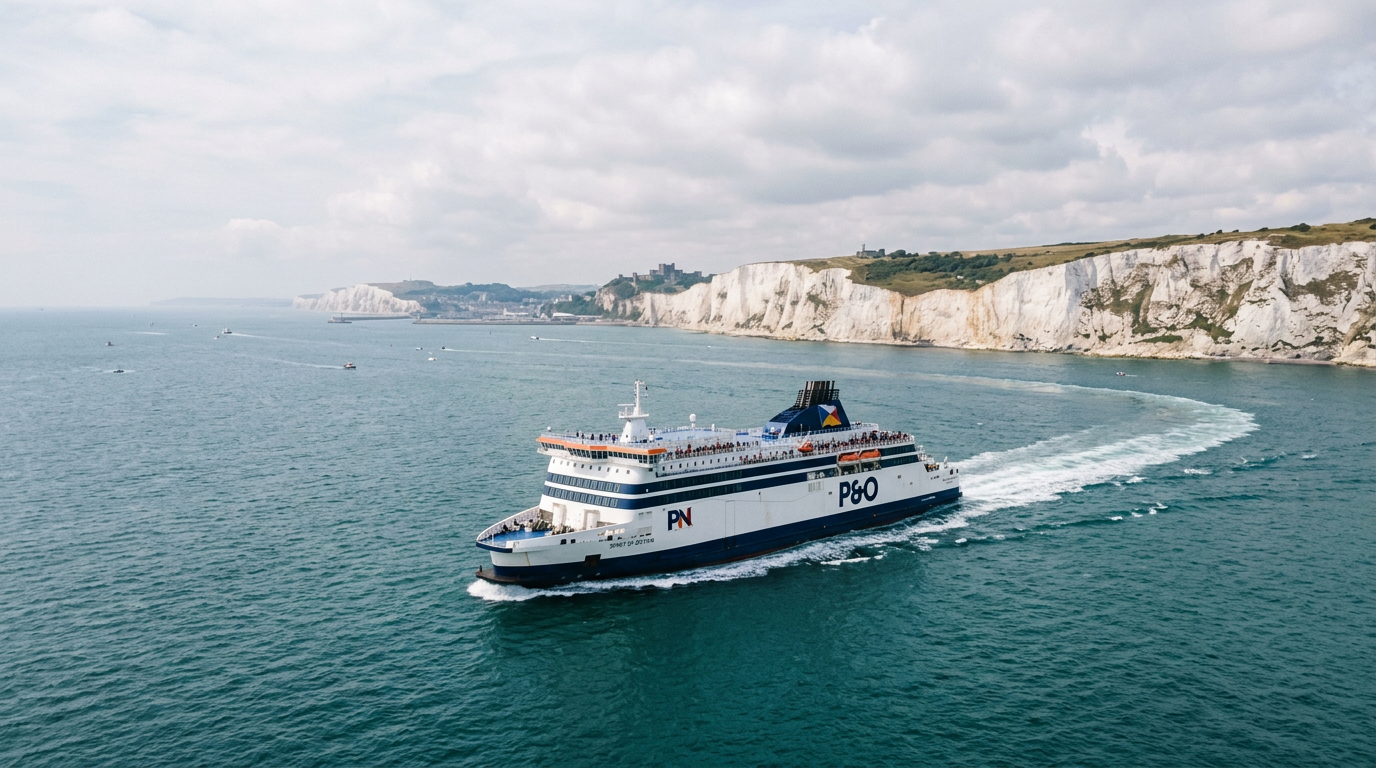
- Deck Access: On a clear day, heading out on the deck to watch the White Cliffs of Dover disappear and the French coast appear is a highlight of the trip. This is what a good dover to dunkirk ferry travel guide should always recommend.
Arrival in Dunkirk: Your Gateway to Europe
As the ferry nears its destination, announcements will call drivers back to their vehicles. Disembarkation is usually a quick and efficient process. You will drive off the ferry and be guided directly onto the main port roads, which feed into the A16 motorway.
There are generally no further checks upon arrival, thanks to the pre-boarding controls in Dover. This is a major benefit, allowing you to get on your way immediately. The Port of Dunkirk is located in Loon-Plage, about a 20-minute drive from Dunkirk city centre.
This is where this dover to dunkirk ferry travel guide proves its worth. From the A16, you can head south towards Paris, east towards Bruges (less than an hour away) and Ghent, or continue north into the Netherlands.
Exploring Dunkirk and Its Surroundings
Don’t be too quick to speed away from Dunkirk. The city offers a rich history and pleasant coastline worth exploring, even for just a few hours.
Historical Significance
Dunkirk is forever etched in history as the site of Operation Dynamo in 1940, the miraculous evacuation of Allied soldiers from its beaches. The Musée Dunkerque 1940 Opération Dynamo tells this incredible story. You can also walk the very beaches where the event took place.
Local Attractions
Beyond its wartime history, Dunkirk has the largest sandy beach on the North Sea coast, perfect for a walk. The town centre features the impressive Saint-Éloi Church and the UNESCO-listed Belfry of Dunkirk, which you can climb for panoramic views.
By choosing this crossing, you gain more than just a convenient travel option; you gain a gateway to the diverse landscapes and cultures of Northern Europe. We hope this dover to dunkirk ferry travel guide helps you plan your journey with confidence.
'''
Frequently Asked Questions
How long is the ferry from Dover to Dunkirk?
The Dover to Dunkirk ferry crossing takes approximately 2 hours. This allows plenty of time to enjoy the onboard facilities before your onward drive.
Which ferry company operates the Dover to Dunkirk route?
The Dover to Dunkirk route is primarily operated by DFDS Seaways, offering multiple sailings per day.
Is it cheaper to go to Dunkirk or Calais?
Fares vary, but the Dover to Dunkirk route can often be cheaper than Dover to Calais, partly due to the slightly longer crossing time. It is always best to compare prices for your specific travel dates.
Do I need my passport for the Dover to Dunkirk ferry?
Yes, a valid passport is required for all passengers travelling from Dover to Dunkirk as you are crossing an international border between the UK and the Schengen Area.
How early should I arrive at Dover port?
Most ferry operators recommend arriving at the Port of Dover at least 60 to 90 minutes before your scheduled departure time to allow for check-in, security, and border control.
Can I take my pet on the ferry to Dunkirk?
Yes, pets can travel on the Dover to Dunkirk route, but they must remain in your vehicle for the duration of the crossing. You must have a valid Animal Health Certificate (AHC) or a pet passport issued in an EU country.
'''
Planning a trip from the UK to mainland Europe by car can feel complex, but the crossing from Dover to Dunkirk offers a straightforward and efficient option. This comprehensive dover to dunkirk ferry travel guide is designed to walk you through every step of the process, from booking your ticket to driving off on the other side. As one of the most popular routes for drivers, it bypasses the busier Calais port while providing excellent access to Northern France, Belgium, the Netherlands, and Germany. Let's set sail on planning your perfect cross-Channel adventure.
Why Choose the Dover to Dunkirk Ferry?
While several ferry routes connect the UK to France, the Dover-Dunkirk service holds a unique appeal for many travellers, especially those with vehicles. It presents a strategic alternative to the more common Dover-Calais route, and here are a few compelling reasons why it might be the ideal choice for your journey.
Strategic Port Location
The most significant advantage of the Dunkirk route is its location. Situated about 45 kilometres (28 miles) east of Calais, Dunkirk's port offers more direct access to major motorway networks leading towards Belgium and the Netherlands. If your final destination is Bruges, Ghent, Antwerp, or Rotterdam, landing in Dunkirk can shave valuable time off your drive by avoiding the congested areas around Calais. This makes it a firm favourite for holidaymakers and commercial drivers alike who are heading north.
A Quieter, More Relaxed Experience
Compared to the bustling hub of Calais, the Port of Dunkirk is generally quieter. This often translates to a less stressful experience, with potentially shorter queues at check-in and border control, especially during peak travel seasons. The disembarkation process can also be quicker, allowing for a swifter start to your onward journey. This more relaxed pace is a key consideration for families or anyone seeking to ease into their European road trip.
Value and Availability
The Dover to Dunkirk route, primarily operated by DFDS Seaways, is often very competitive on price. The slightly longer sea-crossing time (approximately two hours compared to 90 minutes for Calais) can sometimes result in lower fares. For the budget-conscious traveller, this provides an excellent opportunity to save money on the crossing, which can then be allocated to other parts of your holiday. As a dedicated dover to dunkirk ferry travel guide, we advise comparing fares, but this route frequently offers great value.
Booking Your Ferry Crossing
Securing your spot on the ferry is the first concrete step in your travel plans. The process is simple, but a few tips can help you find the best deal and ensure a smooth booking experience.
When to Book
As a general rule, booking your ferry ticket as far in advance as possible is the best way to access the lowest prices. Fares operate on a dynamic pricing model, similar to airlines, meaning they increase as the travel date approaches and the ship fills up. For peak periods like school holidays, bank holiday weekends, and the summer months, booking several months ahead is highly recommended.
However, if you have flexibility in your travel dates, look for mid-week crossings (Tuesday to Thursday) which are often cheaper than those on Fridays, Saturdays, or Sundays. Early morning or late-night sailings can also offer better value.
What You'll Need
When you book, you will need to provide the following details:
- Passenger Information: Full names and ages of all passengers.
- Vehicle Details: The registration number, make, and model of your vehicle. If you are travelling with a roof box or bicycle rack, you must declare this as it may affect the space you are allocated.
- Travel Dates and Times: Your preferred outbound and return sailing dates and times.
- Ticket Type: You will typically choose from different fare types, ranging from economy one-way tickets to more flexible options that allow for changes to your booking.
It’s crucial to enter your vehicle information accurately to avoid any issues or additional charges at the port.
Essential Pre-Travel Preparations
A little preparation goes a long way to ensuring your road trip starts without a hitch. Before you even set off for Dover, run through this checklist.
Documentation and Legal Requirements
- Passports: Ensure every passenger has a valid passport with at least six months of validity remaining.
- Driving Licence: A valid, full UK driving licence is required.
- Vehicle Registration (V5C): You must carry your original V5C logbook.
- Insurance: Contact your insurer to confirm you have adequate cover for driving in Europe. A Green Card is not always mandatory but is good evidence of cover.
- Breakdown Cover: Check that your breakdown policy extends to Europe or purchase a temporary extension.
- Clean Air Zones (Crit'Air): If you plan to drive in major French cities like Paris or Lyon, you will need a Crit'Air sticker for your vehicle. Order this online well in advance.
Vehicle Checks and Equipment
Before a long drive, it’s wise to perform some basic vehicle checks: tyre pressure (including the spare), oil level, and screen wash. French law also requires you to carry certain items in your car:
- A reflective jacket for each passenger.
- A warning triangle.
- Headlight beam deflectors (or adjust your modern headlights via the car's menu).
- A GB sticker or number plate with the GB identifier.
Navigating the Port of Dover
Dover’s Eastern Docks is where your sea journey begins. The port is well-signposted from the M20 motorway (which becomes the A20). Follow the signs for "Ferry Port" to be guided directly to the entrance.
Check-In Process
Upon arrival, you will first drive to the check-in booths for your chosen ferry operator (DFDS for the Dunkirk route). Have your booking confirmation and passports ready. An operator will check your details and provide you with a lane number and a hanger to place on your rearview mirror. This hanger displays your destination and lane, guiding port staff.
Security and Border Control
After check-in, you will proceed to UK Border Force for exit checks, followed by French Police Aux Frontières (PAF) for entry checks into the Schengen Area. This juxtaposition of controls means your passport is checked and stamped before you even board the ferry, saving significant time upon arrival in France. You may also be directed to a security check where your vehicle is briefly inspected.
Once through all controls, you follow the signs for your assigned lane and wait to board. This is a good time for a final comfort break or to grab a coffee in the terminal building.
The Onboard Experience: What to Expect
The two-hour crossing is the perfect opportunity to rest and recharge before the next leg of your drive. Modern ferries are well-equipped with a wide range of facilities to keep you comfortable and entertained.
- Dining: You'll typically find a self-service restaurant offering hot meals, a café for snacks and pastries, and a bar.
- Shopping: The onboard Sea Shop sells a variety of goods, often at duty-free prices, including perfumes, alcohol, and souvenirs.
- Relaxation: Ample seating is available throughout the ship. For a bit of luxury, you can often book a seat in a quiet or premium lounge for an extra fee.
- For Families: A children's play area is usually available to help younger travellers burn off some energy.
- Deck Access: On a clear day, heading out on the deck to watch the White Cliffs of Dover disappear and the French coast appear is a highlight of the trip. This is what a good dover to dunkirk ferry travel guide should always recommend.
Arrival in Dunkirk: Your Gateway to Europe
As the ferry nears its destination, announcements will call drivers back to their vehicles. Disembarkation is usually a quick and efficient process. You will drive off the ferry and be guided directly onto the main port roads, which feed into the A16 motorway.
There are generally no further checks upon arrival, thanks to the pre-boarding controls in Dover. This is a major benefit, allowing you to get on your way immediately. The Port of Dunkirk is located in Loon-Plage, about a 20-minute drive from Dunkirk city centre.
This is where this dover to dunkirk ferry travel guide proves its worth. From the A16, you can head south towards Paris, east towards Bruges (less than an hour away) and Ghent, or continue north into the Netherlands.
Exploring Dunkirk and Its Surroundings
Don’t be too quick to speed away from Dunkirk. The city offers a rich history and pleasant coastline worth exploring, even for just a few hours.
Historical Significance
Dunkirk is forever etched in history as the site of Operation Dynamo in 1940, the miraculous evacuation of Allied soldiers from its beaches. The Musée Dunkerque 1940 Opération Dynamo tells this incredible story. You can also walk the very beaches where the event took place.
Local Attractions
Beyond its wartime history, Dunkirk has the largest sandy beach on the North Sea coast, perfect for a walk. The town centre features the impressive Saint-Éloi Church and the UNESCO-listed Belfry of Dunkirk, which you can climb for panoramic views.
By choosing this crossing, you gain more than just a convenient travel option; you gain a gateway to the diverse landscapes and cultures of Northern Europe. We hope this dover to dunkirk ferry travel guide helps you plan your journey with confidence.
'''
Frequently Asked Questions
How long is the ferry from Dover to Dunkirk?
The Dover to Dunkirk ferry crossing takes approximately 2 hours. This allows plenty of time to enjoy the onboard facilities before your onward drive.
Which ferry company operates the Dover to Dunkirk route?
The Dover to Dunkirk route is primarily operated by DFDS Seaways, offering multiple sailings per day.
Is it cheaper to go to Dunkirk or Calais?
Fares vary, but the Dover to Dunkirk route can often be cheaper than Dover to Calais, partly due to the slightly longer crossing time. It is always best to compare prices for your specific travel dates.
Do I need my passport for the Dover to Dunkirk ferry?
Yes, a valid passport is required for all passengers travelling from Dover to Dunkirk as you are crossing an international border between the UK and the Schengen Area.
How early should I arrive at Dover port?
Most ferry operators recommend arriving at the Port of Dover at least 60 to 90 minutes before your scheduled departure time to allow for check-in, security, and border control.
Can I take my pet on the ferry to Dunkirk?
Yes, pets can travel on the Dover to Dunkirk route, but they must remain in your vehicle for the duration of the crossing. You must have a valid Animal Health Certificate (AHC) or a pet passport issued in an EU country.