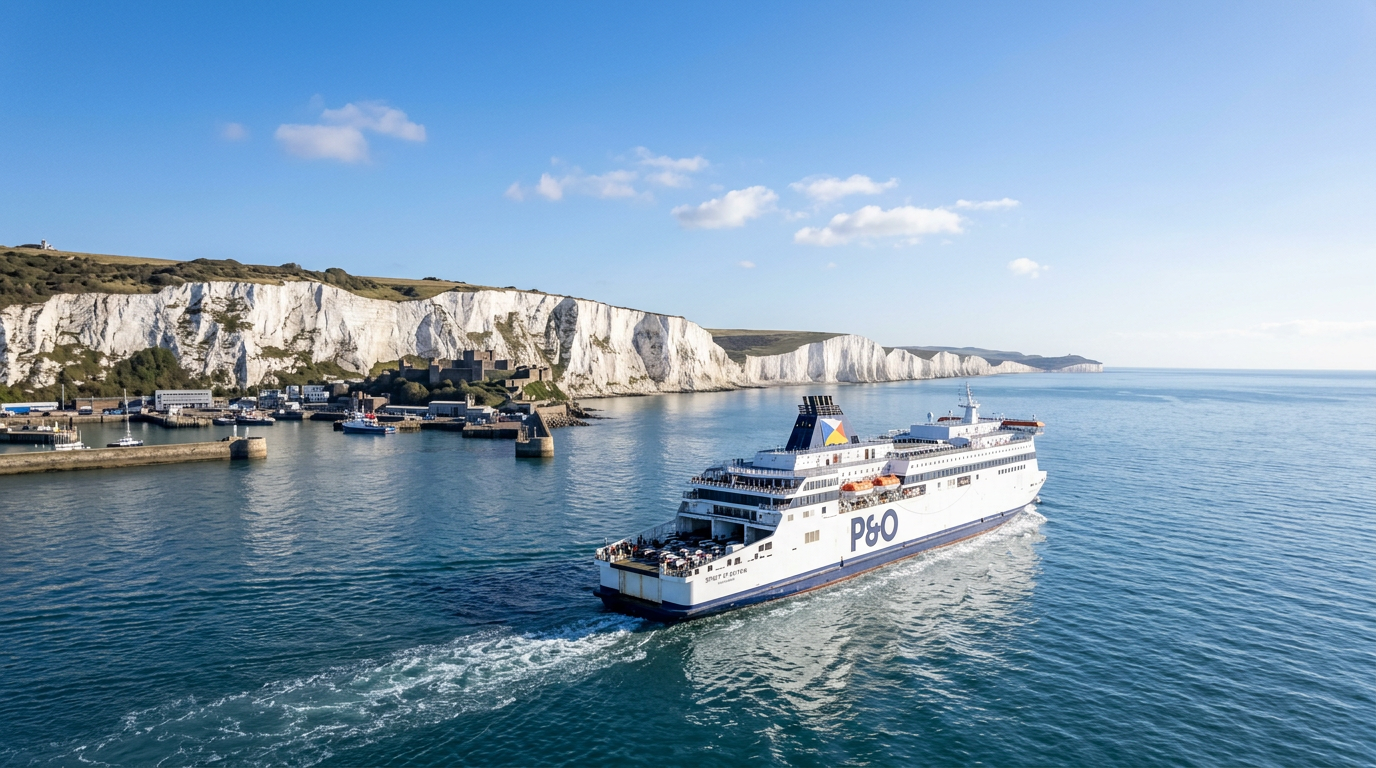
Planning a trip across the English Channel is an exciting prospect, and for millions of travellers each year, the journey begins with a search for Dover Calais ferry times. This iconic sea route is the busiest in the world for a reason: it's fast, efficient, and convenient. While you might be looking for a simple, fixed timetable, the reality is more dynamic and flexible. Understanding how the schedule works is the first step to a seamless and stress-free crossing.
The crossing between Dover and Calais is a remarkably short one, typically taking just 90 minutes. This speed, combined with a high frequency of sailings throughout the day and night, makes it a popular choice for everything from family holidays to commercial freight. In this guide, we'll break down everything you need to know about Dover Calais ferry times, from how often they run to the factors that can influence your journey, ensuring you have all the information for a smooth sailing.
Understanding the Dover to Calais Ferry Schedule
Unlike a train timetable, the schedule for ferries between Dover and Calais isn't a single, static document. Instead, it's a live, fluid system operated by several different companies. The primary operators on this route include P&O Ferries, DFDS Seaways, and Irish Ferries. Each company runs its own fleet of ships on its own schedule.
This multi-operator system is fantastic news for travellers because it creates immense choice and frequency. However, it also means there isn't one central place to view every single sailing. The "schedule" is essentially a combination of all the different operators' sailing times. These times are planned well in advance but can be subject to change due to weather, technical requirements, or demand. Therefore, it's best to think of the ferry service not as a rigid timetable, but as a continuous, high-frequency shuttle service across the Channel.
When you search for Dover Calais ferry times, the most accurate results will always come directly from the ferry operators themselves or from a reputable booking engine that aggregates their live data. This ensures you are seeing the most current availability for your chosen date of travel.
How Frequently Do Ferries Sail Between Dover and Calais?
The sheer frequency of sailings is the defining feature of the Dover-Calais route. On a typical day, there can be a departure as often as every 30 to 45 minutes during peak hours, when combining all operators. Across a 24-hour period, this can add up to more than 50 sailings in each direction.
This high frequency provides travellers with incredible flexibility. For much of the year, you can operate on a "turn-up-and-go" basis, especially if you're travelling as a foot passenger or in a car outside of peak holiday periods. While booking in advance is always recommended to secure the best price and guarantee your spot, the constant stream of departures means you are rarely waiting long for the next available ferry.
Even during the night, the service is remarkably consistent. While the frequency may reduce slightly compared to daytime hours, sailings typically continue every 90 minutes to two hours, ensuring the route remains open and active around the clock. This 24/7 operation is vital for the logistics and supply chains that depend on the crossing, and it’s a significant benefit for holidaymakers looking to get a head start on their journey by travelling overnight.
Key Factors That Influence Ferry Timetables
Several variables can impact the Dover Calais ferry times, and being aware of them can help you plan more effectively.
Time of Day and Peak Travel
Predictably, demand is not constant throughout the day. The busiest periods are typically in the morning (between 6 am and 10 am) and late afternoon/early evening (between 4 pm and 8 pm). During these peak times, operators schedule more sailings to accommodate the higher volume of cars, coaches, and freight traffic. Conversely, in the middle of the night, the frequency might be slightly reduced. If you have flexibility, travelling during off-peak hours (e.g., mid-day or late at night) can sometimes result in lower fares and quieter ships.
Seasonal Variations
The schedule is also highly seasonal. The summer months, from late June to early September, are the absolute peak season due to school holidays. Major bank holiday weekends, Easter, and Christmas also see a significant surge in traffic. During these times, ferry operators run their fullest possible schedule. In contrast, during the winter months (November to February, excluding Christmas), the schedule may be slightly reduced to reflect lower demand. This might mean sailings are every 60-90 minutes instead of every 30-45 minutes.
Weather and Sea Conditions
Modern ferries are large, stable vessels designed to handle a wide range of sea conditions. However, the English Channel can be unpredictable. Severe weather, such as strong gales or thick fog, can occasionally lead to delays or, in rare cases, cancellations. Safety is the top priority, and the captain will always make the final decision. It's wise to check the weather forecast and the operator's service status page before you travel, especially during the autumn and winter months. Subscribing to travel alerts from your chosen ferry line is a great way to stay informed of any potential disruptions.
Check-in and Boarding Procedures
It’s crucial to distinguish between the departure time and your arrival time at the port. The time shown on your booking is when the ferry is scheduled to leave the dock. All operators require you to check in well before this time. The standard check-in deadline is typically 60 to 90 minutes before departure for vehicles and 90 minutes for foot passengers. This window allows time for security checks, border control (passports are checked for both UK and French authorities in Dover), and navigating the port to the correct boarding lane. Failing to meet the check-in deadline can result in you being unable to board your booked ferry, even if it hasn’t left yet.
The Journey Itself: How Long is the Dover to Calais Crossing?
The advertised sailing time for the Dover to Calais ferry crossing is almost universally 90 minutes. This is the time the ship spends physically sailing between the two ports. It's one of the shortest and most direct routes connecting the UK to mainland Europe.
However, your total journey time will be longer. You must factor in:
- Arrival at the Port: Getting to the port at least 60-90 minutes before departure.
- Check-in and Border Control: This can be quick, but queues can build during peak times.
- Waiting and Boarding: After check-in, you will be directed to a waiting lane. Boarding usually begins around 30-45 minutes before departure.
- Sailing Time: The core 90-minute journey where you can enjoy the onboard facilities.
- Disembarkation: Upon arrival in Calais, it takes time for all vehicles to exit the ferry. This can take anywhere from 15 to 30 minutes, depending on where you are parked on the vehicle deck.
Therefore, a realistic door-to-door port time is closer to 3.5 to 4 hours. Understanding this full timeline is key when planning your onward journey in France.
How to Find the Most Accurate Dover Calais Ferry Times
Given the dynamic schedule, where should you look for the most reliable information? The answer is simple: go directly to the source.
- Ferry Operator Websites: The websites and apps for P&O Ferries, DFDS Seaways, and Irish Ferries have real-time booking engines. When you enter your desired travel date and time, they will show you the actual sailings available, with live pricing. This is the most accurate source of information for Dover Calais ferry times.
- Comparison and Booking Sites: Reputable travel comparison websites that specialize in ferry travel can also be useful. They aggregate the data from all operators, allowing you to compare different sailings and prices in one place. Ensure the site shows live availability.
Avoid relying on static, third-party timetables that aren't connected to a live booking system, as they are likely to be outdated and inaccurate.
Choosing Your Operator: A Quick Comparison
While all operators provide a reliable and safe service, there are subtle differences.
- DFDS Seaways: Often runs a very high-frequency schedule and is known for its efficient service. Their fleet includes a mix of modern and comfortable ships.
- P&O Ferries: A historic company with a large, dedicated fleet on the Dover-Calais route. They offer a range of onboard amenities and often have a robust sailing schedule.
- Irish Ferries: A newer entrant to the Dover-Calais route, they have brought increased competition and capacity. Their ships are known for being modern and well-equipped.
When choosing, consider price, the specific sailing time that suits you, and any loyalty programs you might be a part of. The onboard experience is broadly similar across all three, with restaurants, cafes, shops, and lounge areas.
Top Tips for a Smooth and Timely Journey
- Book in Advance: Especially for peak travel, booking your ferry in advance is the single best way to secure the best price and your preferred sailing time. Fares operate on a dynamic pricing model, meaning they increase as the ship fills up.
- Travel Off-Peak if Possible: If your travel dates are flexible, shifting your journey to a mid-week, mid-day sailing in the shoulder seasons (spring or autumn) can save you money and lead to a more relaxed experience.
- Heed the Check-in Time: Do not underestimate the time needed at the port. Arriving at the recommended 90 minutes before departure gives you a comfortable buffer for any unexpected queues at security or passport control.
- Prepare Your Documents: Have your passports and booking confirmation ready before you reach the check-in booth. This speeds up the process for everyone.
- Enjoy the Break: The 90-minute sailing is a perfect, enforced break from driving. Get out of your car, stretch your legs, grab a coffee or a meal, and enjoy the sea views. You'll arrive in France feeling more refreshed and ready for the next leg of your journey.
Frequently Asked Questions
How long is the ferry from Dover to Calais?
The sailing itself takes approximately 90 minutes. However, you should plan for a total time of 3-4 hours, including check-in, boarding, and disembarkation.
How often do ferries run between Dover and Calais?
Ferries are extremely frequent, with combined sailings from all operators departing as often as every 30-45 minutes during peak hours. The service runs 24 hours a day.
Which companies operate ferries from Dover to Calais?
The main ferry operators on the Dover to Calais route are DFDS Seaways, P&O Ferries, and Irish Ferries.
Do I need to book my Dover-Calais ferry in advance?
It is highly recommended to book in advance, especially during peak season and holidays, to secure the best price and guarantee your spot on your desired sailing.
How early should I arrive for my Dover to Calais ferry?
Most ferry operators recommend arriving at the port at least 60-90 minutes before your scheduled departure time to allow for check-in, security, and border control.
Can weather affect my ferry crossing time?
Yes, in cases of severe weather like strong gales or thick fog, crossings can be delayed or, in rare instances, cancelled for safety reasons. Always check for service updates before you travel.
Are Dover-Calais ferries running 24 hours a day?
Yes, the route operates 24/7. While the frequency may be slightly lower during the middle of the night compared to daytime, sailings continue around the clock.
Planning a trip across the English Channel is an exciting prospect, and for millions of travellers each year, the journey begins with a search for Dover Calais ferry times. This iconic sea route is the busiest in the world for a reason: it's fast, efficient, and convenient. While you might be looking for a simple, fixed timetable, the reality is more dynamic and flexible. Understanding how the schedule works is the first step to a seamless and stress-free crossing.
The crossing between Dover and Calais is a remarkably short one, typically taking just 90 minutes. This speed, combined with a high frequency of sailings throughout the day and night, makes it a popular choice for everything from family holidays to commercial freight. In this guide, we'll break down everything you need to know about Dover Calais ferry times, from how often they run to the factors that can influence your journey, ensuring you have all the information for a smooth sailing.
Understanding the Dover to Calais Ferry Schedule
Unlike a train timetable, the schedule for ferries between Dover and Calais isn't a single, static document. Instead, it's a live, fluid system operated by several different companies. The primary operators on this route include P&O Ferries, DFDS Seaways, and Irish Ferries. Each company runs its own fleet of ships on its own schedule.
This multi-operator system is fantastic news for travellers because it creates immense choice and frequency. However, it also means there isn't one central place to view every single sailing. The "schedule" is essentially a combination of all the different operators' sailing times. These times are planned well in advance but can be subject to change due to weather, technical requirements, or demand. Therefore, it's best to think of the ferry service not as a rigid timetable, but as a continuous, high-frequency shuttle service across the Channel.
When you search for Dover Calais ferry times, the most accurate results will always come directly from the ferry operators themselves or from a reputable booking engine that aggregates their live data. This ensures you are seeing the most current availability for your chosen date of travel.
How Frequently Do Ferries Sail Between Dover and Calais?
The sheer frequency of sailings is the defining feature of the Dover-Calais route. On a typical day, there can be a departure as often as every 30 to 45 minutes during peak hours, when combining all operators. Across a 24-hour period, this can add up to more than 50 sailings in each direction.
This high frequency provides travellers with incredible flexibility. For much of the year, you can operate on a "turn-up-and-go" basis, especially if you're travelling as a foot passenger or in a car outside of peak holiday periods. While booking in advance is always recommended to secure the best price and guarantee your spot, the constant stream of departures means you are rarely waiting long for the next available ferry.
Even during the night, the service is remarkably consistent. While the frequency may reduce slightly compared to daytime hours, sailings typically continue every 90 minutes to two hours, ensuring the route remains open and active around the clock. This 24/7 operation is vital for the logistics and supply chains that depend on the crossing, and it’s a significant benefit for holidaymakers looking to get a head start on their journey by travelling overnight.
Key Factors That Influence Ferry Timetables
Several variables can impact the Dover Calais ferry times, and being aware of them can help you plan more effectively.
Time of Day and Peak Travel
Predictably, demand is not constant throughout the day. The busiest periods are typically in the morning (between 6 am and 10 am) and late afternoon/early evening (between 4 pm and 8 pm). During these peak times, operators schedule more sailings to accommodate the higher volume of cars, coaches, and freight traffic. Conversely, in the middle of the night, the frequency might be slightly reduced. If you have flexibility, travelling during off-peak hours (e.g., mid-day or late at night) can sometimes result in lower fares and quieter ships.
Seasonal Variations
The schedule is also highly seasonal. The summer months, from late June to early September, are the absolute peak season due to school holidays. Major bank holiday weekends, Easter, and Christmas also see a significant surge in traffic. During these times, ferry operators run their fullest possible schedule. In contrast, during the winter months (November to February, excluding Christmas), the schedule may be slightly reduced to reflect lower demand. This might mean sailings are every 60-90 minutes instead of every 30-45 minutes.
Weather and Sea Conditions
Modern ferries are large, stable vessels designed to handle a wide range of sea conditions. However, the English Channel can be unpredictable. Severe weather, such as strong gales or thick fog, can occasionally lead to delays or, in rare cases, cancellations. Safety is the top priority, and the captain will always make the final decision. It's wise to check the weather forecast and the operator's service status page before you travel, especially during the autumn and winter months. Subscribing to travel alerts from your chosen ferry line is a great way to stay informed of any potential disruptions.
Check-in and Boarding Procedures
It’s crucial to distinguish between the departure time and your arrival time at the port. The time shown on your booking is when the ferry is scheduled to leave the dock. All operators require you to check in well before this time. The standard check-in deadline is typically 60 to 90 minutes before departure for vehicles and 90 minutes for foot passengers. This window allows time for security checks, border control (passports are checked for both UK and French authorities in Dover), and navigating the port to the correct boarding lane. Failing to meet the check-in deadline can result in you being unable to board your booked ferry, even if it hasn’t left yet.
The Journey Itself: How Long is the Dover to Calais Crossing?
The advertised sailing time for the Dover to Calais ferry crossing is almost universally 90 minutes. This is the time the ship spends physically sailing between the two ports. It's one of the shortest and most direct routes connecting the UK to mainland Europe.
However, your total journey time will be longer. You must factor in:
- Arrival at the Port: Getting to the port at least 60-90 minutes before departure.
- Check-in and Border Control: This can be quick, but queues can build during peak times.
- Waiting and Boarding: After check-in, you will be directed to a waiting lane. Boarding usually begins around 30-45 minutes before departure.
- Sailing Time: The core 90-minute journey where you can enjoy the onboard facilities.
- Disembarkation: Upon arrival in Calais, it takes time for all vehicles to exit the ferry. This can take anywhere from 15 to 30 minutes, depending on where you are parked on the vehicle deck.
Therefore, a realistic door-to-door port time is closer to 3.5 to 4 hours. Understanding this full timeline is key when planning your onward journey in France.
How to Find the Most Accurate Dover Calais Ferry Times
Given the dynamic schedule, where should you look for the most reliable information? The answer is simple: go directly to the source.
- Ferry Operator Websites: The websites and apps for P&O Ferries, DFDS Seaways, and Irish Ferries have real-time booking engines. When you enter your desired travel date and time, they will show you the actual sailings available, with live pricing. This is the most accurate source of information for Dover Calais ferry times.
- Comparison and Booking Sites: Reputable travel comparison websites that specialize in ferry travel can also be useful. They aggregate the data from all operators, allowing you to compare different sailings and prices in one place. Ensure the site shows live availability.
Avoid relying on static, third-party timetables that aren't connected to a live booking system, as they are likely to be outdated and inaccurate.
Choosing Your Operator: A Quick Comparison
While all operators provide a reliable and safe service, there are subtle differences.
- DFDS Seaways: Often runs a very high-frequency schedule and is known for its efficient service. Their fleet includes a mix of modern and comfortable ships.
- P&O Ferries: A historic company with a large, dedicated fleet on the Dover-Calais route. They offer a range of onboard amenities and often have a robust sailing schedule.
- Irish Ferries: A newer entrant to the Dover-Calais route, they have brought increased competition and capacity. Their ships are known for being modern and well-equipped.
When choosing, consider price, the specific sailing time that suits you, and any loyalty programs you might be a part of. The onboard experience is broadly similar across all three, with restaurants, cafes, shops, and lounge areas.
Top Tips for a Smooth and Timely Journey
- Book in Advance: Especially for peak travel, booking your ferry in advance is the single best way to secure the best price and your preferred sailing time. Fares operate on a dynamic pricing model, meaning they increase as the ship fills up.
- Travel Off-Peak if Possible: If your travel dates are flexible, shifting your journey to a mid-week, mid-day sailing in the shoulder seasons (spring or autumn) can save you money and lead to a more relaxed experience.
- Heed the Check-in Time: Do not underestimate the time needed at the port. Arriving at the recommended 90 minutes before departure gives you a comfortable buffer for any unexpected queues at security or passport control.
- Prepare Your Documents: Have your passports and booking confirmation ready before you reach the check-in booth. This speeds up the process for everyone.
- Enjoy the Break: The 90-minute sailing is a perfect, enforced break from driving. Get out of your car, stretch your legs, grab a coffee or a meal, and enjoy the sea views. You'll arrive in France feeling more refreshed and ready for the next leg of your journey.
Frequently Asked Questions
How long is the ferry from Dover to Calais?
The sailing itself takes approximately 90 minutes. However, you should plan for a total time of 3-4 hours, including check-in, boarding, and disembarkation.
How often do ferries run between Dover and Calais?
Ferries are extremely frequent, with combined sailings from all operators departing as often as every 30-45 minutes during peak hours. The service runs 24 hours a day.
Which companies operate ferries from Dover to Calais?
The main ferry operators on the Dover to Calais route are DFDS Seaways, P&O Ferries, and Irish Ferries.
Do I need to book my Dover-Calais ferry in advance?
It is highly recommended to book in advance, especially during peak season and holidays, to secure the best price and guarantee your spot on your desired sailing.
How early should I arrive for my Dover to Calais ferry?
Most ferry operators recommend arriving at the port at least 60-90 minutes before your scheduled departure time to allow for check-in, security, and border control.
Can weather affect my ferry crossing time?
Yes, in cases of severe weather like strong gales or thick fog, crossings can be delayed or, in rare instances, cancelled for safety reasons. Always check for service updates before you travel.
Are Dover-Calais ferries running 24 hours a day?
Yes, the route operates 24/7. While the frequency may be slightly lower during the middle of the night compared to daytime, sailings continue around the clock.