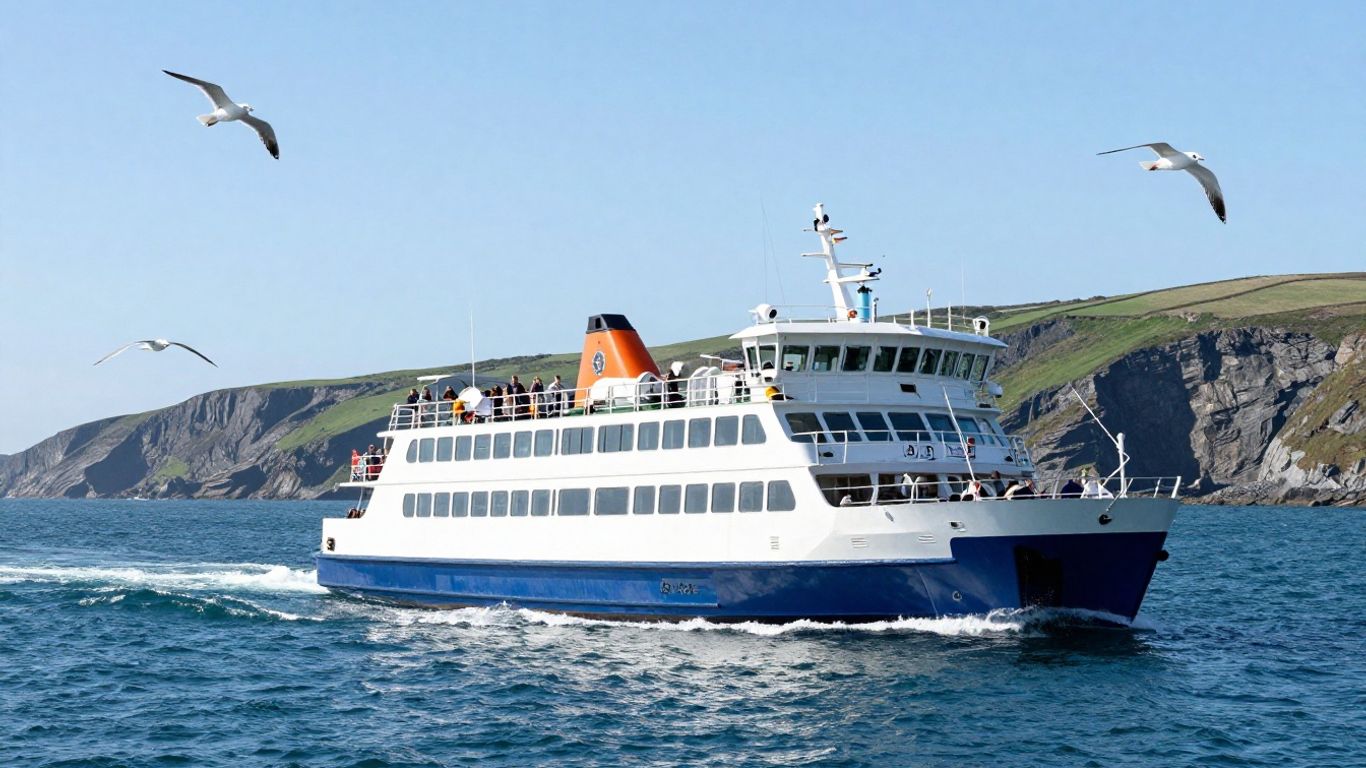
Planning a trip across the water to the UK doesn’t have to cost a fortune. Finding cheap ferry deals is totally doable if you know where to look. Whether you’re heading to the continent or exploring the islands, this guide will help you snag a bargain ferry ticket and make your next getaway more affordable. Let’s get you on that ferry without breaking the bank.
Key Takeaways
- Look for ferry routes that aren’t the most popular; they often have lower prices.
- Book your ferry tickets well in advance to get the best rates.
- Consider travelling outside of peak times, like mid-week or during the off-season, for cheaper fares.
- Compare prices across different ferry companies and use comparison websites to find the cheapest ferry options.
- Check for special deals, package offers, or discounts, especially if you’re travelling as a foot passenger or have a loyalty card.
Discovering Cheap Ferry Routes
So, you’re planning a trip across the water and want to keep the cost down? Finding the right ferry route is a big part of that. It’s not just about picking the shortest hop; sometimes, a slightly longer journey can save you a good chunk of cash. Let’s look at how to sniff out those bargain routes.
Exploring Popular UK Ferry Crossings
There are some really well-trodden paths when it comes to UK ferries. Think Dover to Calais, or Holyhead to Dublin. These routes are popular for a reason – they’re frequent, often have lots of ferry options, and are generally pretty straightforward. Because so many people use them, there’s usually a good bit of competition between the ferry companies, which can mean better prices, especially if you book ahead. You’ll find plenty of information on these routes, making planning easier. For instance, some of the best ferry routes from the UK include those to France, Spain, and Ireland, each offering different experiences and price points best ferry routes from the UK.
Finding Less Common But Cheaper Options
While the main routes are convenient, they aren’t always the cheapest. Sometimes, looking at smaller ports or less direct crossings can pay off. For example, routes from smaller ports in Scotland to the islands, or perhaps a crossing from the North East of England to the continent, might not be as busy but can offer significant savings. These routes might run less frequently, so you’ll need to be a bit more flexible with your travel dates, but the lower fares can make it well worth the effort. It’s all about doing a bit of digging.
Comparing Ferry Operators for Value
Don’t just stick to the first company you see. Different operators run services on the same or similar routes, and their pricing can vary quite a bit. Some might offer a basic fare that’s cheaper, while others include more in their ticket price, like meals or better seating. It’s worth checking out a few different companies to see who’s offering the best deal for what you need. Sometimes, a slightly less well-known operator might have a special offer that beats the big names hands down. Always compare what’s included with the price.
When you’re hunting for cheap ferry deals, remember that flexibility is your best friend. Being open to travelling on different days of the week or at less popular times can often lead to surprisingly low fares. Don’t be afraid to explore routes that aren’t the most obvious choices; they might just be the ones that save you the most money.
Here’s a quick look at what to consider:
- Frequency: How often does the ferry run? More frequent services often mean more competition and potentially better prices.
- Route Length: A longer route might seem less appealing, but sometimes the cost per mile is lower.
- Port Location: Is the port easy to get to? Factor in travel costs to and from the port.
- Operator Deals: Keep an eye out for special offers or discounts from individual ferry companies.
Booking Your Cheap Ferry Tickets
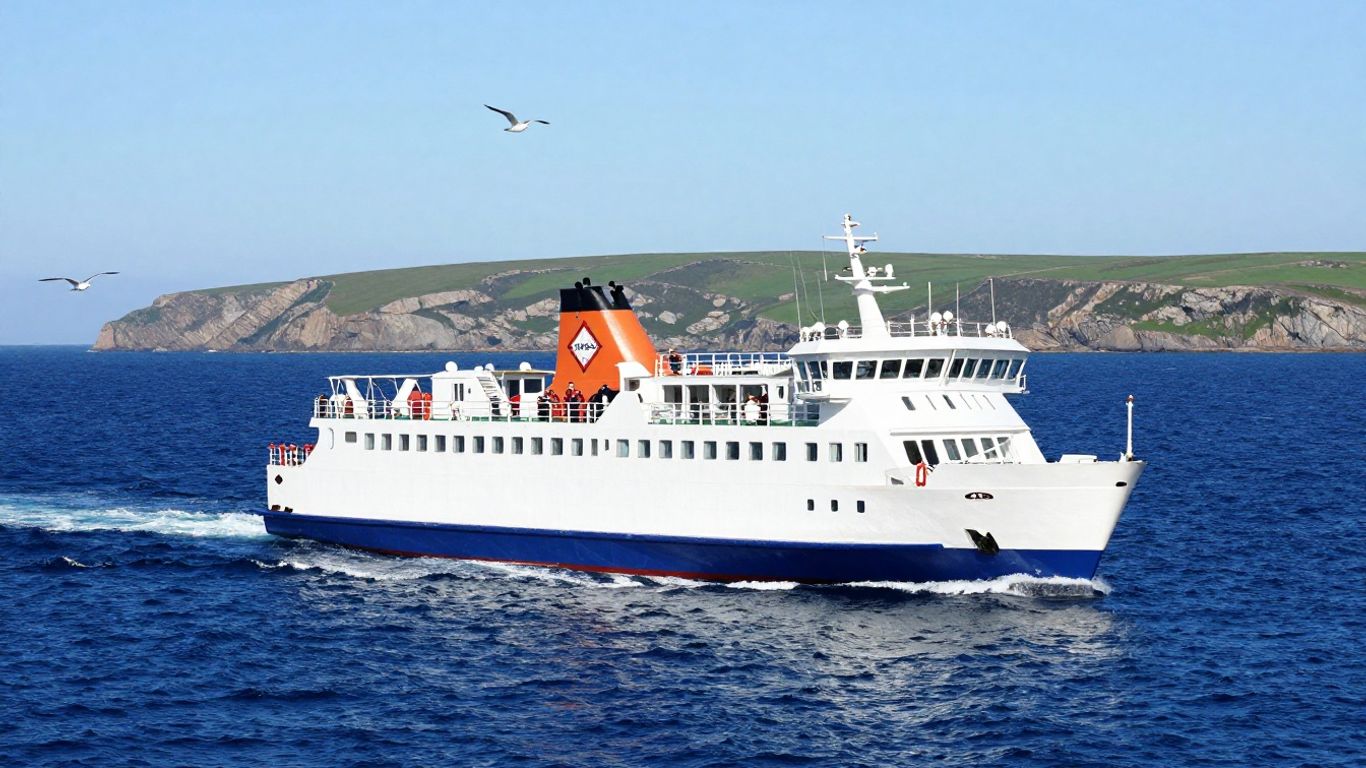
Right, so you’ve found a route that looks promising and the price seems decent. Now comes the actual booking bit. It’s not exactly rocket science, but there are a few things to keep in mind to make sure you’re getting the best deal and not getting any nasty surprises.
When To Book For The Best Prices
This is a big one, honestly. Like with flights, booking way in advance usually gets you the best rates. Ferry companies often release their schedules and prices months ahead, and the early bird definitely catches the worm. Waiting until the last minute can mean paying a premium, especially if you’re travelling during peak times like school holidays or bank holiday weekends. I’ve noticed that booking around 8-12 weeks before your travel date tends to hit that sweet spot for most popular routes. Of course, sometimes you get lucky with last-minute deals, but it’s a bit of a gamble.
- Book early: Aim for 2-3 months ahead for the best prices.
- Avoid peak times: If you can be flexible, travelling mid-week or outside of school holidays makes a big difference.
- Sign up for alerts: Many ferry operators will email you when new schedules are released or when sales start.
Understanding Ticket Types and Inclusions
Don’t just click ‘buy’ without looking at what’s actually included in your ticket. Sometimes the cheapest advertised price doesn’t cover everything you might need. Are you travelling with a car? Make sure the vehicle size and type are correctly entered, as this can affect the price. Some tickets might include meals or cabin access, while others are strictly for the crossing itself. It’s worth checking the small print to see if things like luggage allowance or specific seat reservations are part of the deal. For example, a standard ticket might just get you on board, but if you want a guaranteed seat in a quiet lounge, that might be an extra cost.
Always double-check what’s included in the fare before you confirm your booking. It’s easy to overlook details that could end up costing you more later on.
Tips for Securing Last-Minute Deals
While booking ahead is generally the way to go, sometimes life happens and you need to book last minute. It’s not impossible to find a bargain, but you need to be savvy. Your best bet is to be flexible with your travel times and dates. If you can travel very early in the morning or late at night, you might snag a cheaper spot. Also, keep an eye on ferry comparison websites; they sometimes highlight last-minute offers. If you’re travelling as a foot passenger, you’re often in a better position for last-minute deals than if you’re taking a vehicle. You can easily and securely book a cheap ferry to England online if you find a good deal.
- Flexibility is key: Be open to different departure times and days.
- Check comparison sites regularly: They can be a good source for unexpected discounts.
- Consider travelling as a foot passenger: This often opens up more affordable options.
Maximising Savings on Your Ferry Journey
So, you’ve found a route and you’re ready to book, but how do you make sure you’re getting the best possible deal? It’s not just about the initial ticket price; there are several clever ways to cut down costs and make your ferry trip even more budget-friendly.
Travelling Off-Peak For Cheaper Fares
This is probably the biggest money-saver. Ferry companies, much like airlines, charge more when demand is high. Think about it: everyone wants to travel during school holidays or on a Friday afternoon. If you can be flexible with your travel dates, you’ll notice a big difference.
- Midweek Travel: Tuesdays and Wednesdays are often the cheapest days to sail. Less demand means lower prices.
- Avoid School Holidays: If you don’t have kids, or if your kids aren’t tied to specific school breaks, steer clear of these periods. Prices can skyrocket.
- Early Morning/Late Night Sailings: Sometimes, the very first or very last ferry of the day can be cheaper. It might mean an early start or a late arrival, but it could save you a good chunk of cash.
The sweet spot for cheaper fares is often outside of major holiday periods and during the week.
Considering Foot Passenger vs. Vehicle Tickets
This is a no-brainer if you’re travelling light. If you’re not taking a car, caravan, or even a motorbike, choosing the ‘foot passenger’ option will almost always be significantly cheaper than booking a vehicle ticket. Even if you’re just travelling with a bicycle, check the specific pricing for cycles as it’s usually much less than a car.
| Ticket Type | Typical Cost Comparison (Relative) | Best For |
|---|---|---|
| Foot Passenger | ££ | Solo travellers, couples, public transport users |
| Motorcycle | £££ | Cyclists, scooter riders |
| Car | ££££ | Families, groups, those needing local transport |
| Larger Vehicle | £££££ | Motorhomes, vans, those moving house |
Remember to factor in the cost of getting to and from the port if you’re travelling as a foot passenger. Sometimes, the savings on the ferry ticket might be offset by taxi or public transport costs at your destination. However, for most short hops, like the Dover to Calais route, going as a foot passenger is a clear winner if you don’t need wheels at the other end.
Utilising Loyalty Programmes and Discounts
Many ferry operators have loyalty schemes or offer discounts if you’re a member of certain organisations. It’s worth checking their websites before you book.
- Club Memberships: Look out for discounts for motoring organisations, caravan clubs, or even specific travel clubs. These can sometimes offer a percentage off your fare.
- Frequent Traveller Programmes: If you use a particular ferry company often, sign up for their loyalty programme. You might earn points towards future travel or get exclusive member deals.
- Student/Senior Discounts: Some operators offer reduced fares for students or senior citizens, so it’s always worth asking or checking the terms and conditions.
Don’t forget to look for any special promotions or seasonal offers that might be running. Sometimes, booking a return journey together can be cheaper than two single tickets, and keeping an eye on their social media pages can sometimes reveal flash sales.
By being smart about when you travel, what you take with you, and where you look for deals, you can really cut down the cost of your ferry adventure. It just takes a little bit of planning!
Planning Your Ferry Trip Essentials
Right then, you’ve found a cracking deal on a ferry, but what do you actually need to think about before you set off? It’s not just about the ticket, is it? There’s a bit more to it than just turning up at the port.
What To Expect Onboard A Ferry
Most ferries these days are pretty decent. You’re not usually stuck on a basic boat for hours. Think more along the lines of a mini-cruise ship, especially on the longer routes. You’ll find places to grab a bite to eat, from quick snacks to proper sit-down meals. There are usually shops too, good for picking up last-minute souvenirs or just browsing. Lounges are a common sight, offering comfy seats and sometimes even entertainment. And yes, Wi-Fi is often available, though it might cost extra or be a bit spotty depending on where you are.
- Food and Drink: Cafes, restaurants, and bars are standard.
- Shopping: Duty-free, gifts, and essentials.
- Relaxation: Lounges, seating areas, sometimes play areas for kids.
- Connectivity: Wi-Fi is often available, but check costs.
Remember to check the specific amenities for your chosen route and ferry operator. Not all ferries are created equal, and some shorter hops might have fewer facilities.
Packing Smart For Your Crossing
Packing for a ferry trip is a bit different from flying. You’ve generally got more leeway with luggage, especially if you’re taking a car. For foot passengers, there are usually limits, but they’re often more generous than airline restrictions. For example, on the Dover to Calais route, foot passengers can typically bring two suitcases and a carry-on bag. If you’re driving, you can usually take more, but it’s always worth double-checking the operator’s policy before you go. Think about what you’ll need during the crossing itself – a book, snacks, maybe a travel pillow if it’s an overnight trip. Keep those items in an easily accessible bag.
Navigating Port Facilities and Access
Getting to and from the ferry terminal is part of the journey. Most major ports are well-connected by public transport, but it’s worth planning this in advance. If you’re driving, follow the signs for the correct ferry company and check-in lane. For foot passengers, there are usually separate waiting areas and boarding procedures. Accessibility is also something to consider. Many ferry companies provide assistance for passengers with mobility issues, but you’ll often need to request this when you book. It’s a good idea to arrive with plenty of time to spare, especially if you’re unfamiliar with the port. This gives you a chance to sort out any last-minute issues and get through check-in without feeling rushed. You can find details about port facilities on many operator websites.
Alternative Ways To Find Cheap Ferry Deals
So, you’ve looked at the usual suspects for ferry tickets, but maybe you’re still hunting for that extra bit of savings. Don’t worry, there are definitely other avenues to explore. Sometimes the best deals aren’t advertised front and centre.
Using Comparison Websites Effectively
These sites are your best friend when you want to see a lot of options at once. Instead of checking each ferry company’s website individually, you can pop in your dates and destination, and they’ll show you what’s available from different operators. It’s a good way to get a quick overview of prices. Just remember to check a couple of different comparison sites, as they don’t all list every single ferry company. Some might have exclusive deals or cover smaller routes that others miss. For example, you might find that one site shows a cheaper option for the Dover to Calais route than another, simply because they have a different deal with the operators. Always double-check the final price on the operator’s own website before booking, just to be absolutely sure you’re getting the advertised deal.
Looking For Package Deals With Accommodation
This is a bit of a clever trick. Sometimes, ferry companies team up with hotels or holiday parks to offer combined deals. You might be planning a trip to France or Ireland anyway, and if you need a place to stay, bundling your ferry ticket with your accommodation can sometimes work out cheaper than booking both separately. It’s worth looking into if you’re not set on a specific hotel and are open to suggestions. These packages are often advertised around peak holiday times, but you can sometimes find them off-season too.
Seasonal Promotions and Early Bird Offers
Ferry companies, much like airlines, often run special promotions. Keep an eye out for these, especially if you’re planning your trip well in advance. Many operators have ‘early bird’ offers where booking several months ahead can get you a significant discount. For instance, Scandlines often has deals if you book at least 20 days before you travel, which can really cut down the cost.
- Summer Sales: Look out for deals advertised in late spring for summer travel.
- Winter Getaways: Sometimes there are special offers for off-season trips to places like the Channel Islands.
- Flash Sales: These pop up unexpectedly, so signing up for email newsletters from your favourite ferry companies is a good idea.
Planning ahead is often the key to finding the best prices. While last-minute deals can happen, they’re less common for ferries than for flights. Being flexible with your travel dates and times can also open up more affordable options, especially if you can travel mid-week or outside of school holidays.
Happy Sailing!
So there you have it. Getting a good deal on a ferry doesn’t have to be a headache. By doing a bit of homework, comparing prices, and being a little flexible with your travel dates, you can save a decent amount of cash. This means more money for ice creams on deck or perhaps a souvenir or two when you reach your destination. Don’t forget to check out those different routes and operators, as you might be surprised what you find. Now, go on, book that trip and enjoy the sea breeze without breaking the bank. It’s all about smart planning, really.
Frequently Asked Questions
When is the best time to book a ferry to get a good price?
Generally, booking your ferry tickets a few months in advance is a smart move. It gives you a better chance of snagging early bird prices before they disappear. Last-minute deals can pop up, but they’re not as reliable for saving money.
Are there cheaper ferry routes that aren’t as popular?
Absolutely! While the main routes are busy, sometimes smaller, less-known crossings can be surprisingly cheaper. It’s worth doing a bit of digging to see if a slightly different route could save you some cash.
Is it cheaper to travel as a foot passenger or with a car?
Often, travelling without a car as a foot passenger is significantly cheaper. The cost of taking a vehicle onto the ferry can add up, so if you don’t absolutely need your car at your destination, leaving it behind can be a real money-saver.
How can I find out about special offers or discounts?
Keep an eye on ferry company websites and travel comparison sites. They often announce seasonal sales, early booking discounts, or special promotions. Signing up for newsletters can also alert you to these deals.
What’s the difference between ferry ticket types?
Ticket types can vary. Some might include just your passage, while others could have extras like meals or cabin access. Always check what’s included in the price to make sure you’re getting the best value for what you need.
Can I use loyalty points or discount codes for my ferry booking?
Many ferry companies have loyalty programmes where you can earn points or get member discounts. Also, look out for discount codes online, especially if you’re booking during a sale period. Every little bit helps!