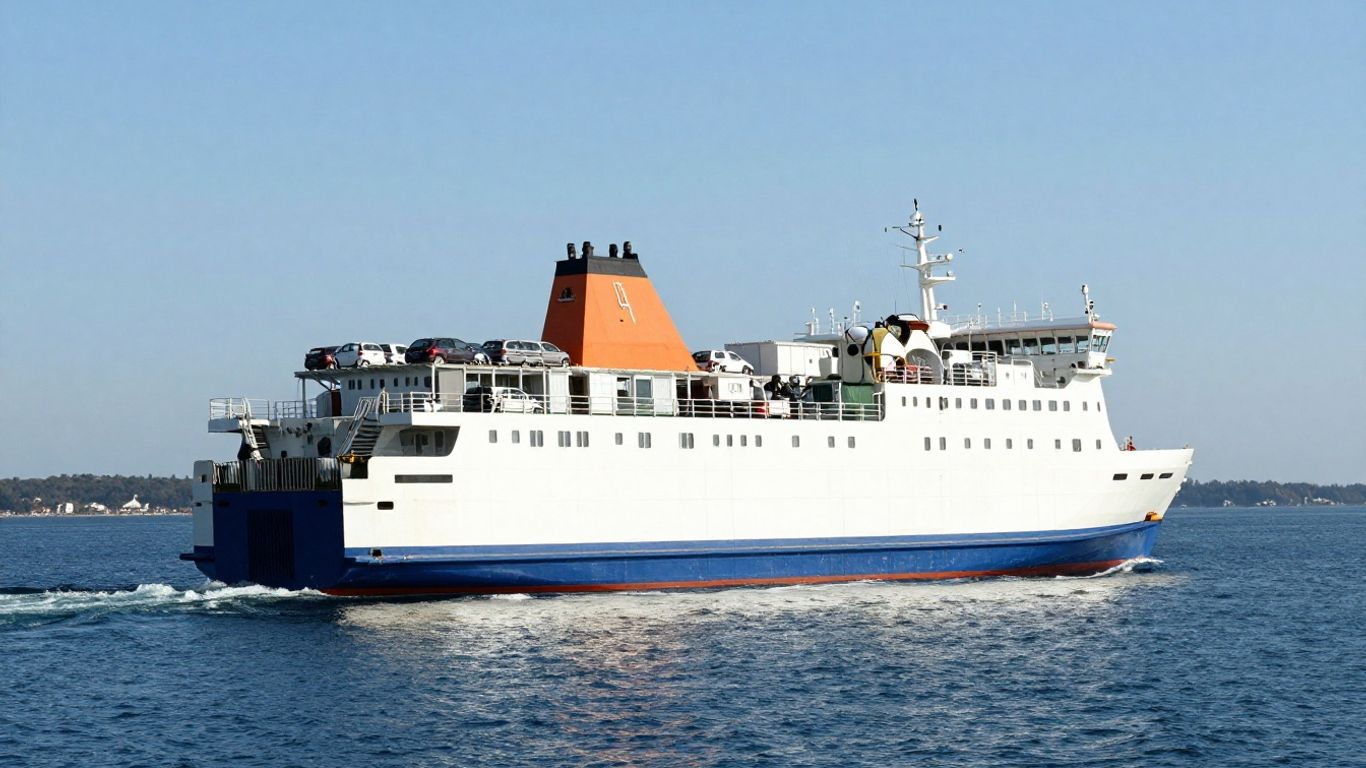
Planning a trip across the Channel with your car? Taking a car ferry from the UK to Europe is a popular way to travel, offering a bit more freedom than flying. It means you can pack what you need and explore at your own pace once you arrive. This guide will walk you through everything you need to know, from picking the right ferry to what to expect when you get there. We’ll cover the basics so your journey is as smooth as possible.
Key Takeaways
- When planning your car ferry from UK to Europe, decide on the best route for your destination and check ferry times.
- Book your ferry ticket in advance, especially during peak season, and have all your travel documents ready.
- Make sure your vehicle is in good working order before you leave and pack necessary items for the journey.
- Familiarise yourself with the services on the ferry and what to do when you arrive at the port.
- Understand the driving rules and any toll requirements in your European destination.
Planning Your Car Ferry from UK to Europe
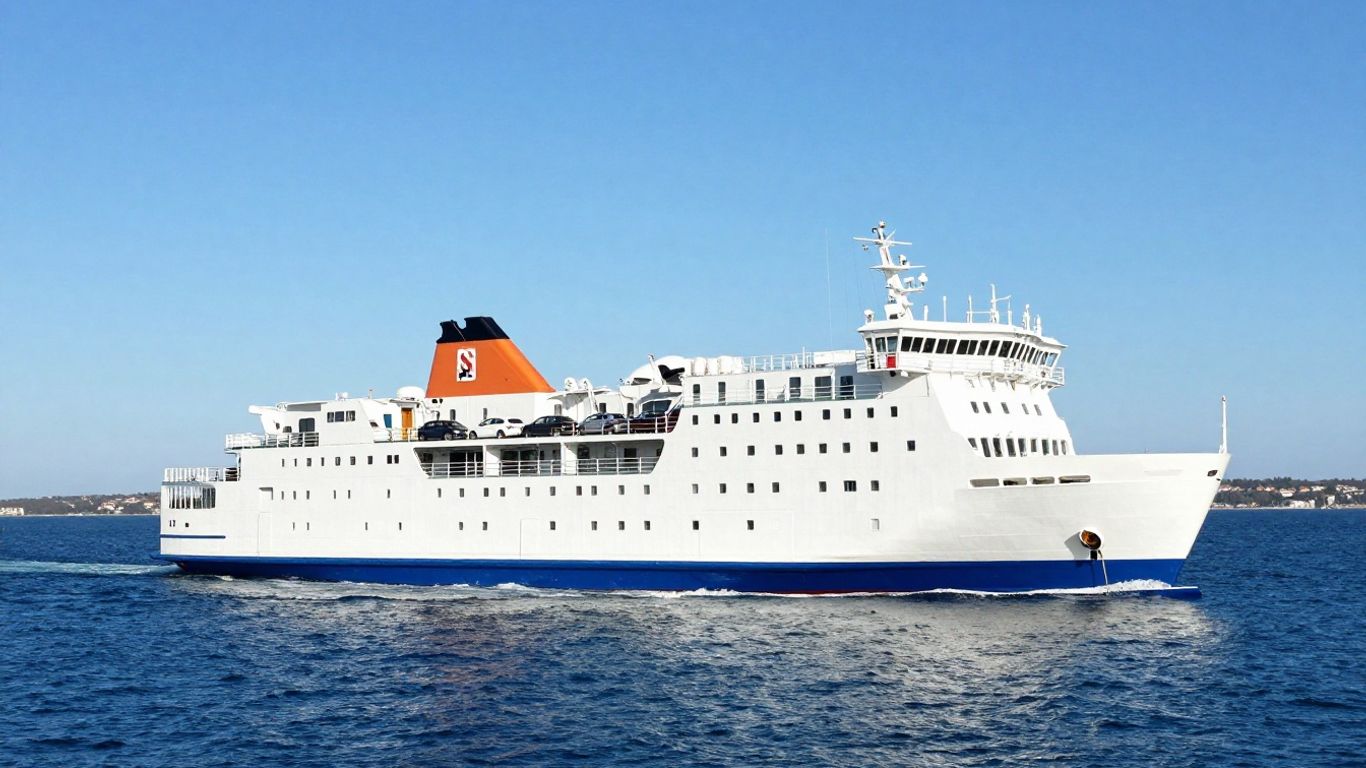
So, you’re thinking about taking your car across the Channel? It’s a brilliant way to start a European adventure, really. No need to worry about car hire on the other side, and you can pack exactly what you need. But before you start dreaming of French pastries or Spanish sunshine, there’s a bit of planning involved. Getting this bit right makes the whole trip so much smoother.
Choosing Your Ferry Route
This is probably the biggest decision you’ll make. There are quite a few different ports in the UK and France (and even other countries!) that ferries sail between. Think about where you’re heading in Europe. Driving from Dover to Calais is the shortest and often cheapest, but if you’re going further south, maybe a route from Portsmouth to Santander or Newhaven to Dieppe makes more sense to cut down on driving time once you land. It’s worth looking at a map and seeing which port gets you closest to your final destination.
- Dover to Calais/Dunkirk: The classic, shortest crossing. Great if you’re heading to northern France, Belgium, or the Netherlands.
- Harwich to Hook of Holland: Good for reaching the Netherlands and northern Germany.
- Portsmouth to Bilbao/Santander: Longer sea crossing, but lands you in northern Spain, perfect for exploring the Basque Country or heading further south.
- Newhaven to Dieppe: A bit more of a relaxed option, landing you in Normandy.
Booking Your Ferry Ticket
Once you’ve picked your route, it’s time to book. Prices can change a lot depending on the time of year, day of the week, and even the time of day you travel. Booking in advance is usually a good idea, especially if you’re travelling during school holidays or bank holidays. You’ll need to know your car’s registration number, its dimensions (length and height are important for pricing), and the number of passengers. Some companies might ask for your passport details too.
Don’t forget to check if your booking includes any specific cabin requirements if it’s an overnight sailing. Sometimes these are an extra cost, but they can make a huge difference to your comfort.
Essential Documentation for Travel
This is super important. Since Brexit, things have changed a bit for UK travellers. You’ll definitely need your passport, and make sure it’s valid for at least three months after you plan to leave the EU and has at least two blank pages. Your driving licence is also a must, and depending on where you’re going, you might need an International Driving Permit (IDP). It’s best to check the specific requirements for the country you’re driving in. You’ll also need your vehicle registration document (V5C) and proof of insurance that covers you for driving in Europe. Some countries also require you to carry a UK sticker on your car. It’s a bit of a checklist, but better to have it all sorted before you leave.
Cross-channel ferries are a fantastic way to start your European road trip.
Preparing Your Vehicle for the Crossing
Right then, before you even think about hitting the road towards the ferry port, giving your car a once-over is a really good idea. It’s not just about avoiding a breakdown halfway to Dover, but also about making sure you’re legal and ready for driving on the other side. A little bit of prep goes a long way.
Vehicle Checks Before Departure
Think of this as your pre-flight check, but for your car. You don’t need to be a mechanic, just a bit observant. Here’s a quick list of things to look at:
- Tyres: Check the pressure – it’s often different for a loaded car. Also, look for any obvious wear and tear. You don’t want to be starting your trip with dodgy tyres.
- Fluids: Top up your screenwash, oil, and coolant if needed. Running low on screenwash when you hit a bug-splattered motorway in France is no fun.
- Lights: Give all your lights a quick test – headlights, brake lights, indicators. Make sure they’re all working as they should.
- Wipers: Are they streaking? If so, they might need replacing. You’ll want clear vision, especially if the weather turns.
Packing Essentials for Your Car
Beyond your usual holiday luggage, there are a few bits and bobs that are particularly useful for a car ferry trip. Firstly, pack a separate bag for things you’ll need during the crossing. You usually can’t get to your car once it’s parked on the ferry, so anything you might need – like medication, a book, chargers, or a warm jumper – should be in this bag. It’s a lifesaver, trust me. You might also want to consider some extra bits for driving abroad, like a European driving checklist which can be really helpful.
Here’s a quick list of what to consider packing in your car:
- Onboard Bag: As mentioned, this is for essentials during the crossing.
- First-Aid Kit: Always a good idea, just in case.
- Warning Triangle and Hi-Vis Vests: These are often legally required in European countries.
- Spare Bulbs and Fuses: Handy if something goes pop.
- Basic Tool Kit: For minor adjustments.
Understanding Onboard Vehicle Regulations
Each ferry company has its own rules about what you can and can’t leave in your car. Generally, you’ll be asked to turn off any alarms and ensure your vehicle is securely locked. Some companies might have specific instructions about fuel levels, though this is less common now. It’s always best to check the specific rules for your chosen ferry operator before you travel. They usually have this information on their website. You’ll also want to make sure you’ve got all the necessary documentation for travel sorted before you leave home.
The Ferry Journey Experience
So, you’ve booked your ticket, packed the car, and you’re ready to head off. The next step is actually getting to the port and then onto the ferry itself. It might seem a bit daunting if it’s your first time, but honestly, it’s usually pretty straightforward.
Arriving at the Ferry Port
When you get to the port, follow the signs for your ferry operator. You’ll likely need to have your booking reference and passports ready. There’s usually a check-in booth or a lane where they’ll scan your ticket and confirm your details. Don’t be late; most operators want you there a good hour or so before your sailing. They need time to get all the cars organised and loaded properly. It’s a bit like a well-orchestrated dance, with staff directing you where to go.
- Have your booking confirmation and passports handy.
- Follow the signs for your specific ferry company.
- Be prepared for a bit of queuing, especially during peak times.
- Listen carefully to instructions from port staff.
Life Aboard the Ferry
Once you’ve driven your car into the ferry’s belly (yes, that’s the car deck!), you’ll be directed where to park and then told to head up to the passenger decks. This is where the journey really begins. Ferries are like mini-cruises, especially the longer ones. You’ll find places to eat, drink, and relax. Some have shops, play areas for kids, and even entertainment.
The time onboard can vary a lot depending on the route. A quick hop across the Channel might only take 90 minutes, like the Dover to Calais route, while longer journeys can take several hours or even overnight. It’s a good chance to stretch your legs, grab a coffee, and just chill out before you hit the road in a new country.
Most ferries have:
- Restaurants and Cafes: Offering everything from quick snacks to full meals.
- Shops: Selling souvenirs, snacks, and travel essentials.
- Lounges: Comfortable seating areas to relax and watch the sea.
- Toilets: Clean facilities are available throughout the passenger decks.
Disembarking in Europe
As you approach your destination port, an announcement will usually be made. You’ll be asked to return to your vehicle a little while before docking. Again, follow the instructions from the crew. Once the ferry has docked and the ramps are down, you’ll slowly drive off the ship. The process is generally quite smooth, and you’ll find yourself on the road in your new European destination. Keep your documents handy, as there might be a quick check as you leave the port area, especially if you’re travelling outside the Schengen Area. The Dover to Calais ferry is a prime example of a quick and efficient disembarkation process.
Navigating European Roads After Your Ferry
So, you’ve made it off the ferry, the sea air is still in your hair, and now it’s time to hit the road in a new country. It can feel a bit daunting at first, but honestly, it’s usually pretty straightforward. The key is to be prepared before you even step foot on the ferry.
Understanding Driving Laws Abroad
Every country has its own set of rules, and Europe is no different. While many are similar to the UK, there are some important distinctions you need to be aware of. For instance, speed limits can vary quite a bit, and some countries have stricter rules about mobile phone use while driving. It’s worth doing a quick search for the specific country you’re heading to before you set off.
Here are a few common things to look out for:
- Speed Limits: These are often signposted, but knowing the general limits for different road types (motorway, main road, town) is helpful. For example, in France, the general speed limit on motorways is 130 km/h (81 mph) in dry conditions.
- Alcohol Limits: These are generally lower than in the UK. Always check the specific limit for your destination.
- Headlights: In many European countries, you’re required to drive with your headlights on, even during the day.
- Safety Equipment: Some countries require you to carry specific items in your car, like a high-visibility vest for every passenger, a warning triangle, and sometimes even a breathalyser kit.
Remember that driving on the ‘wrong’ side of the road is only one part of the adjustment. Pay close attention to road signs, which might be in a different language, and be extra mindful of cyclists and pedestrians, especially in busy towns.
Tolls and Vignettes in Europe
This is where things can get a bit confusing if you’re not used to it. Many European countries use toll roads, and the way you pay differs. Some have traditional toll booths where you pay as you go, while others require you to buy a ‘vignette’ – a sticker you display on your windscreen.
- Toll Roads: Common in countries like France, Spain, and Italy. You’ll see signs indicating toll sections, and you’ll typically pay at booths or via automatic payment systems. It’s a good idea to have some Euros handy for this.
- Vignettes: Used in countries like Austria, Switzerland, and Slovenia. You must purchase these before you drive on the relevant motorways. You can usually buy them at border crossings or sometimes online in advance. Driving without a valid vignette can result in hefty fines.
It’s wise to research the specific toll system for the countries on your itinerary. Some ferry companies might even offer pre-paid toll passes for certain routes, which can save you time and hassle.
Finding Accommodation Near Ports
After a long drive and a ferry crossing, you might not want to travel too far to find a place to sleep. Many ports have a good selection of hotels, B&Bs, and campsites nearby. Booking in advance, especially during peak season, is always a good idea. If you’re arriving late, check if the accommodation offers late check-in. Some people prefer to stay right near the port for an early start the next day, while others might drive a short distance inland for more options or a quieter stay. It really depends on your plans for the next day. For example, if you’re heading straight for a major city, staying closer to the port might make sense. If you’re planning a more leisurely start, a short drive away could be more relaxing. You can often find good deals on booking sites, so it’s worth comparing prices. Check out accommodation options near popular ferry ports.
Choosing the Right Ferry Operator
So, you’ve decided a ferry is the way to go for your car trip to Europe. Brilliant! But now comes the slightly tricky bit: picking the right company to sail with. It’s not just about getting from A to B; the operator you choose can really shape your whole experience. Different companies have different vibes, different ships, and frankly, different prices.
Comparing Major Ferry Companies
There are a few big players in the UK to Europe ferry game. You’ve got the likes of P&O Ferries, DFDS, Brittany Ferries, and Stena Line, among others. Each one runs different routes, so your first step is to see who actually goes where you want to go. For instance, if you’re heading to France, the Dover to Calais route is super popular and served by several operators. It’s often the quickest crossing, with P&O Ferries and DFDS running frequent services. If you’re aiming for Spain, Brittany Ferries is usually your main option, sailing from ports like Plymouth and Portsmouth.
Here’s a quick look at some common routes and who tends to run them:
- Dover to Calais/Dunkirk: DFDS, P&O Ferries, Irish Ferries
- Newhaven to Dieppe: DFDS
- Portsmouth to Caen/St Malo: Brittany Ferries
- Harwich to Hook of Holland: Stena Line
- Hull to Rotterdam: P&O Ferries
It’s worth noting that some companies might offer slightly different experiences. For example, some might have more entertainment options onboard, while others focus on a more straightforward, no-frills journey. It really depends on what you’re looking for.
Services Offered on Different Routes
When you’re looking at booking, don’t just compare the price. Have a peek at what’s actually on offer on the ship. Most ferries will have places to grab a bite to eat, from cafes to restaurants. Some have shops, play areas for kids, and even cinemas or lounges where you can just chill out. If you’re doing an overnight crossing, the type of cabin available can make a big difference. Are you after a basic bunk or a more comfortable en-suite room? Check out the different ferry companies to see their specific onboard facilities.
Think about the length of your journey. A short hop across the Channel might not need much in the way of entertainment, but a longer crossing to Spain or the Netherlands could benefit from more amenities. Also, consider if you’re travelling with pets, as not all operators or routes are pet-friendly.
Customer Reviews and Ratings
Before you click that ‘book’ button, it’s a really good idea to see what other people are saying. Websites that aggregate reviews can be a goldmine of information. Look for comments on punctuality, the cleanliness of the ships, the quality of the food, and the helpfulness of the staff. Sometimes, a slightly more expensive ticket with a company that has a better reputation for service might be worth the extra cash. You can often find comparisons and passenger feedback on sites that review ferry operators.
Remember, the ‘best’ operator is the one that fits your specific needs and budget. Take a bit of time to compare, and you’ll be well on your way to a stress-free start to your European adventure.
Making the Most of Your Car Ferry Trip
So, you’ve booked your ferry, your car’s all checked, and you’re ready to go. But how do you actually make this trip something more than just getting from A to B? It’s all about a bit of planning and knowing what to expect. A little bit of foresight can turn a simple crossing into a mini-adventure.
Tips for a Smooth Journey
Getting your ferry trip right is pretty straightforward if you follow a few pointers. It’s not rocket science, but these things can make a difference:
- Pack Smart: Keep a small bag with essentials easily accessible. Think snacks, drinks, entertainment for the journey, and any travel documents you might need quickly. Don’t bury it under suitcases!
- Arrive with Time to Spare: Rushing is never fun, especially when you’ve got a car and potentially a family in tow. Aim to be at the port at least an hour before your scheduled departure, maybe even more during peak times. This gives you breathing room.
- Know Your Onboard Options: Most ferries have restaurants, cafes, and shops. Check what’s available beforehand so you can plan your meals or grab any last-minute bits you might need. Some even have play areas for kids.
- Embrace the View: Don’t just stay in your cabin or the lounge. Head up to the deck, especially when leaving or arriving. Seeing the White Cliffs of Dover recede or the European coastline appear is a pretty special part of the experience. The Dover to Calais route, for instance, offers some lovely views. See popular routes.
Exploring Destinations Accessible by Ferry
One of the best things about taking a car ferry is the freedom it gives you once you arrive. You’re not just dropping off your car; you’re starting a road trip.
- France: Obvious, I know, but think beyond Paris. Normandy’s historic D-Day beaches, the charming villages of Brittany, or the vineyards of the Loire Valley are all within easy driving distance from Calais or Dunkirk.
- Belgium: A short hop from Calais can get you to the historic cities of Bruges, Ghent, or Brussels. Perfect for a weekend break with amazing food and architecture.
- The Netherlands: Amsterdam is a popular choice, but don’t forget the windmills of Kinderdijk or the vibrant city of Rotterdam.
- Spain: If you’re heading further south, routes from Portsmouth to Santander or Bilbao open up the north of Spain, a region often overlooked but full of incredible scenery and food.
Budgeting for Your Ferry Adventure
Ferry travel can seem a bit pricey at first glance, but when you factor in what you’re getting, it can be quite economical, especially for families or groups travelling with a car.
Here’s a rough breakdown of costs to consider:
| Cost Category | Typical Range (£) | Notes |
|---|---|---|
| Ferry Ticket (Car+2) | 100 – 300 | Varies by route, season, and booking time |
| Fuel | Variable | Depends on distance and vehicle |
| Tolls/Vignettes | 20 – 100+ | For motorways in some countries |
| Accommodation | Variable | If stopping overnight |
| Food & Drink | Variable | Onboard and at destinations |
Booking in advance is almost always cheaper, especially if you can avoid peak holiday periods. Keep an eye out for special offers from operators like DFDS or P&O. Remember that the crossing time is relatively short on popular routes, meaning you spend less time on the ferry and more time exploring.
Sometimes, the journey itself is half the fun. Don’t underestimate the simple pleasure of watching the sea go by, a cup of tea in hand, knowing you’re heading somewhere new. It’s a different pace to flying, a chance to actually see the world change around you.
So, That’s the Ferry Trip Sorted
Right then, so taking a car ferry from the UK to Europe might seem a bit of a faff at first, but honestly, it’s not that bad. Once you’ve booked your ticket and know where you’re going, it’s pretty straightforward. You just drive on, find a spot, and then you can have a cuppa or a wander about the ship. It beats flying with the car sometimes, doesn’t it? Especially if you’ve got a lot of stuff or pets. Just remember to check your passport and any other bits and bobs you might need before you set off. Happy travels!
Frequently Asked Questions
How far in advance should I book my ferry ticket?
It’s a good idea to book your ferry ticket a few weeks or even months ahead, especially if you’re travelling during busy times like summer holidays or bank weekends. This often helps you get a better price and makes sure you get a spot on the sailing you want.
What documents do I need to take my car to Europe?
You’ll need your passport, of course, and your driving licence. Make sure your car’s V5C logbook (proof of ownership) and MOT certificate are up to date. Some countries might also require an International Driving Permit (IDP) or a ‘Green Card’ for your car insurance, so check the rules for where you’re going.
What checks should I do on my car before the ferry trip?
Before you set off, give your car a good once-over. Check your tyre pressure and tread, top up your oil and screenwash, and make sure all your lights are working. It’s also wise to have a basic emergency kit in the boot, like a warning triangle and a high-visibility vest.
Can I take my pet on the ferry?
Many ferry companies allow pets, but there are rules. You’ll usually need to book them a spot, and they might have to stay in your car or in a special onboard kennel. Always check the specific pet policy of the ferry operator you choose well before you travel.
What’s there to do on the ferry while I’m travelling?
Ferry journeys can be quite relaxing! Most larger ferries have places to eat and drink, like restaurants and cafes. You can also find shops, sometimes even play areas for kids, or just relax in a lounge and watch the sea go by. Some longer crossings even have cabins if you want to sleep.
Do I need to pay tolls when driving in Europe?
Yes, many European countries have toll roads, and some require a ‘vignette’ (a sticker) for using their motorways. You can usually buy these at border crossings or online beforehand. Research the countries you’ll be driving through to know what you need to pay.