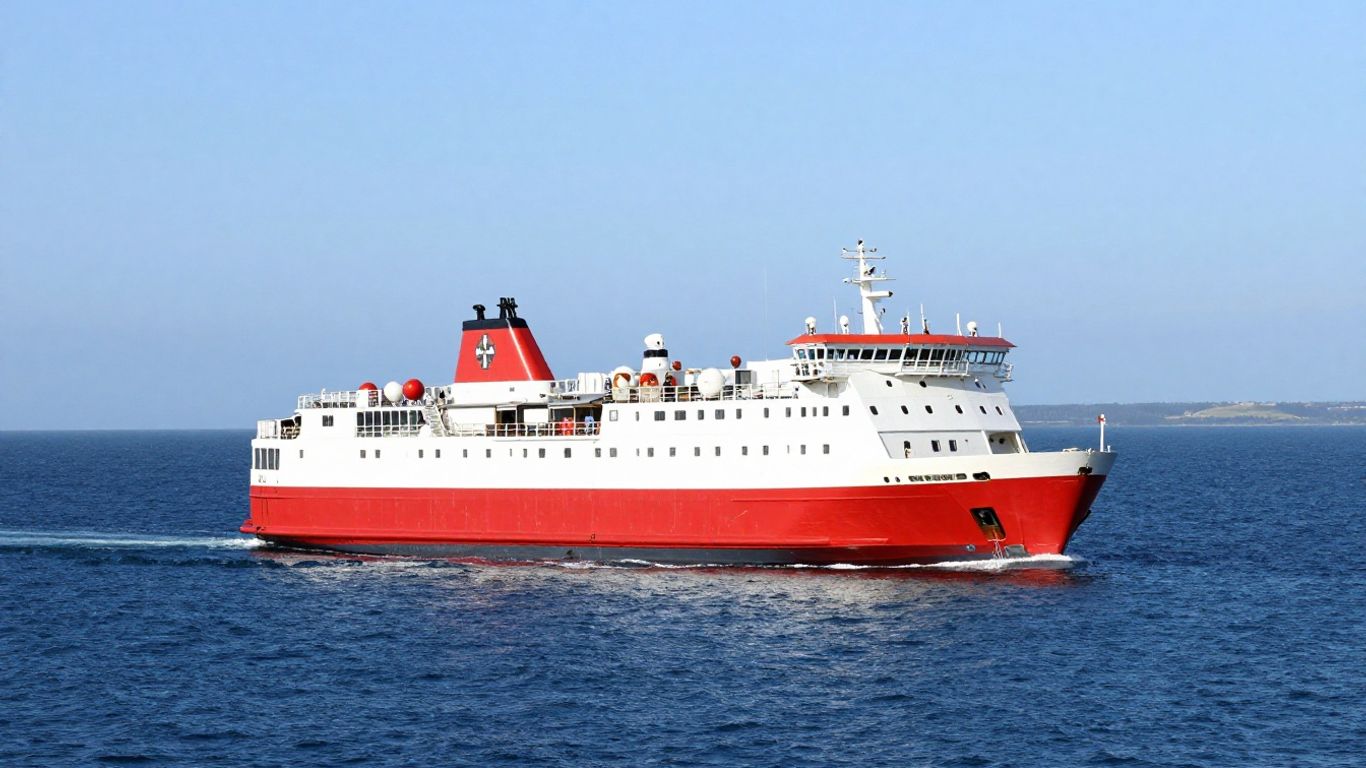
Thinking about a trip from France to the UK? The ferry from Calais to UK is a really popular way to go, and for good reason. It’s a straightforward option, especially if you’re taking a car. But like anything, a bit of planning makes the whole journey much smoother. This guide will walk you through what you need to know, from booking your ticket to what to expect when you arrive.
Key Takeaways
- Booking your ferry from Calais to UK involves picking an operator, understanding ticket types, and looking for good deals.
- Ferry timetables from Calais to the UK vary, so check daily schedules, peak times, and night sailings.
- Before you travel, make sure you have the right documents, your vehicle is checked, and you’ve packed what you need.
- Onboard the ferry, you’ll find places to eat, relax, and pass the time on your way across.
- Disembarking in the UK means going through port procedures, customs, and then continuing your trip.
Booking Your Ferry from Calais to UK
Right then, let’s get down to the nitty-gritty of booking your ferry trip from Calais over to the UK. It sounds simple enough, but there are a few things to get your head around to make sure you get the best deal and the most convenient crossing.
Choosing Your Ferry Operator
When you look at crossing from Calais, you’ll mostly see a couple of big names popping up. P&O Ferries and DFDS Seaways are the main players on this route. They both run pretty frequently, so you’ve usually got a good choice of departure times. It’s worth checking both of them out because sometimes one might have a slightly better price or a timetable that fits your plans better. They both have slightly different onboard experiences too, though for a short hop like this, the differences aren’t massive. The key is to compare them for your specific travel dates.
Understanding Ticket Options
When you’re booking, you’ll notice different ticket types. Most of the time, you’ll be looking at standard tickets for your car and passengers. These are usually pretty flexible, allowing you to change your booking for a fee if needed. Some operators might offer ‘flexi’ tickets which give you more freedom to change dates or times without penalty, but these usually cost a bit more. For foot passengers, it’s generally simpler, just a ticket for yourself. Always read the small print about amendments and cancellations – it can save you a headache later.
Securing the Best Fares
Getting a good price often comes down to a few things. Booking in advance is usually the way to go, especially if you’re travelling during busy periods like school holidays or bank holidays. Prices can jump up quite a bit closer to the date. Keep an eye out for special offers too; ferry companies sometimes run deals. Using comparison websites can be helpful, but always double-check the final price on the operator’s own site. Sometimes booking direct works out cheaper, or at least gives you more clarity on the terms. Ferry tickets from Dover to Calais can vary, so shopping around is a good idea [c9e7].
Remember that ferry schedules can change, especially with the seasons. Always check the most current timetables directly with the operator before you finalise your travel plans. It’s a quick check that can prevent a lot of hassle on the day.
Ferry Timetables: Calais to UK Departures
Daily Crossing Schedules
Figuring out when your ferry leaves Calais for the UK is pretty straightforward, but it does pay to know what to look for. Most operators run services pretty much around the clock, so you’ve got loads of flexibility. You’ll find departures happening every couple of hours, sometimes even more frequently during busy periods. It’s not like catching a train where you have a strict timetable; it’s more about finding a slot that suits you. For example, you might see departures listed for 8 AM, 10 AM, 12 PM, and so on. It’s always best to check the specific operator you’re planning to travel with, as times can vary slightly. You can usually find the most up-to-date schedules on their websites, like DFDS’s route information.
Peak and Off-Peak Travel Times
Like most travel, ferry prices and availability can change depending on when you decide to go. Weekends, school holidays, and public holidays are generally considered peak times. This means more people will be travelling, so sailings might be busier and, you guessed it, potentially a bit pricier. If you can travel mid-week or outside of the main holiday seasons, you’ll often find more relaxed crossings and better deals. It’s worth looking at the different days of the week to see how the schedules and prices stack up.
Night Sailings Explained
Fancy travelling overnight? It’s a popular option for many, especially if you want to make the most of your day or avoid driving too late. Night sailings mean you can hop on board in the evening, have dinner, maybe catch some sleep in a cabin if you’ve booked one, and wake up in the UK ready to start your day. It’s a bit like a mini cruise, really. The last ferries of the day often depart late, sometimes close to midnight, allowing you to get a full day in France before heading over. It can be a really efficient way to travel, saving you a hotel night too.
Remember that while schedules are frequent, it’s always wise to book your ferry ticket in advance, especially if you’re travelling during peak season or with a vehicle. This helps secure your preferred sailing time and can often lead to better prices.
Here’s a general idea of what you might expect:
- Early Morning: First departures often start from around 6 AM.
- Daytime: Sailings are frequent, typically every 2-4 hours.
- Evening: Services continue throughout the evening, with the last departures usually late at night.
- Overnight: Some routes offer overnight crossings, allowing you to sleep onboard.
Preparing for Your Ferry Journey
Getting ready for your ferry trip from Calais to the UK is pretty straightforward, but a little bit of planning goes a long way. You don’t want to be caught out at the port, right? So, let’s run through what you need to sort before you even think about boarding.
Required Documentation for Travel
This is probably the most important bit. You absolutely must have the correct paperwork for everyone travelling. For UK citizens, this means your passport. Make sure it’s valid for at least six months beyond your intended stay in the EU, though for France, it’s usually just the expiry date that matters. If you’re not a UK citizen, you’ll need to check the specific visa and entry requirements for France and the UK based on your nationality. Don’t forget any necessary travel insurance documents either. It’s always better to have them and not need them.
- Passports: Check expiry dates carefully.
- Visas: If applicable to your nationality.
- Vehicle Documents: V5C (logbook), valid MOT certificate, and potentially an International Driving Permit (IDP) if required.
- Insurance: Proof of valid vehicle insurance for continental Europe.
It’s a good idea to make photocopies or take photos of all your important documents. Keep them separate from the originals, just in case.
Vehicle Checks Before Departure
Your car needs to be in good shape for the journey. Ferry companies have rules about vehicle condition, and frankly, you don’t want to break down on the motorway after you land. Give your car a once-over a few days before you travel. Check your tyre pressures and tread depth – it’s a legal requirement in many European countries. Top up your screenwash, check your oil and coolant levels, and make sure your lights are all working. If you’re travelling in winter, ensure your antifreeze is topped up. A quick look at your vehicle’s service history might also be wise if it’s been a while.
What to Pack for the Crossing
Think about what you’ll need during the crossing itself. While your car is usually parked on a lower deck, you can take a small overnight bag with you. Pack essentials like any medications you might need, snacks, drinks, and something to keep you entertained. A book, headphones, or a tablet are good ideas. If you’re travelling with children, bring things to keep them occupied. Don’t forget any chargers for your electronic devices. It’s also worth having some Euros or Pounds Sterling handy for any purchases onboard or at the port.
- Overnight bag with essentials
- Entertainment (books, music, games)
- Snacks and drinks
- Medications
- Phone chargers
- Travel documents (keep these easily accessible)
Onboard Experience: Calais to UK Ferries
So, you’ve booked your ferry from Calais to the UK, and now you’re probably wondering what it’s actually like on board. It’s not just about getting from A to B; these ferries are pretty well-equipped these days, aiming to make your trip as pleasant as possible. Most crossings take around 90 minutes, so it’s not a long time, but there’s still plenty to keep you occupied.
Onboard Facilities and Amenities
Ferries aren’t exactly luxury liners, but they’ve come a long way. You’ll find a range of facilities designed for comfort and convenience. Think about:
- Shops: Many ferries have onboard shops selling everything from snacks and drinks to souvenirs and duty-free items. It’s a good place to pick up a last-minute gift or just browse.
- Lounges: There are usually different seating areas. Some are quieter, perfect for reading or just chilling, while others might be closer to the main facilities.
- Play Areas: If you’re travelling with kids, look out for dedicated play areas. They can be a lifesaver for keeping little ones entertained.
- WiFi: While not always free or super-fast, many ferries now offer WiFi, so you can catch up on emails or social media.
Dining and Refreshment Options
When it comes to food and drink, you’ve got choices. You won’t find Michelin-starred restaurants, but there’s usually something to suit most tastes and budgets. Most ferries have:
- Cafes: These are great for a quick coffee, a sandwich, or a pastry. They’re usually open throughout the sailing.
- Restaurants/Bistros: For something a bit more substantial, there are often sit-down restaurants offering hot meals. The menus can vary, but you can typically expect things like burgers, fish and chips, or pasta dishes.
- Bars: If you fancy a drink, there’s usually a bar where you can grab a beer, wine, or a soft drink.
It’s worth checking the specific operator’s website before you travel, as facilities can differ. Some might have more extensive menus or specific dietary options available. Planning ahead can save you any surprises.
Entertainment and Relaxation
Beyond the practicalities, ferries try to make the journey enjoyable. Depending on the ship and the operator, you might find:
- Cinema: Some larger ferries have small cinemas showing recent films. It’s a nice way to pass the time.
- Live Music: Occasionally, you might catch live music performances, especially during peak season.
- Quiet Zones: For those who just want peace, look for designated quiet areas. These are perfect for a nap or some uninterrupted reading.
Whether you’re looking to grab a bite, do some shopping, or just find a comfy seat and watch the waves, the onboard experience on the Calais to Dover route is generally quite straightforward and comfortable.
Arriving in the UK: Customs and Immigration
So, you’ve made it across the Channel! The next bit is getting through the UK border. It’s usually pretty straightforward, but it’s good to know what to expect.
Navigating Port Procedures
Once your ferry docks, you’ll follow the signs for either vehicle or foot passenger arrivals. If you’re driving, you’ll likely disembark directly onto the port. For foot passengers, there might be a short walk or shuttle bus to the terminal building. The key is to stay with your vehicle if you’re driving, or head straight to the terminal if you’re on foot.
Customs Declarations
When you arrive in the UK, you’ll need to go through customs. This is where officials check that you’re not bringing in anything you shouldn’t be, or anything that needs declaring. It’s a good idea to be aware of the limits for things like alcohol and tobacco. If you’ve bought goods abroad, check the UK government’s rules on what you can bring back duty-free. You might need to declare certain items, especially if you’re travelling with a lot of new purchases. If you’re unsure, it’s always best to declare it.
Continuing Your Journey
After clearing customs and immigration, you’re free to leave the port. If you’re driving, follow the signs for onward travel. There will be clear directions to the main road networks. If you’re a foot passenger, you’ll find information on local transport links, including taxis and buses, within the terminal building. You can find out more about customs checks for your goods before you travel.
Remember, the border officials are just doing their job. A polite and honest approach will make the process much smoother for everyone involved. If you have any questions, don’t hesitate to ask.
Tips for a Smooth Ferry from Calais to UK
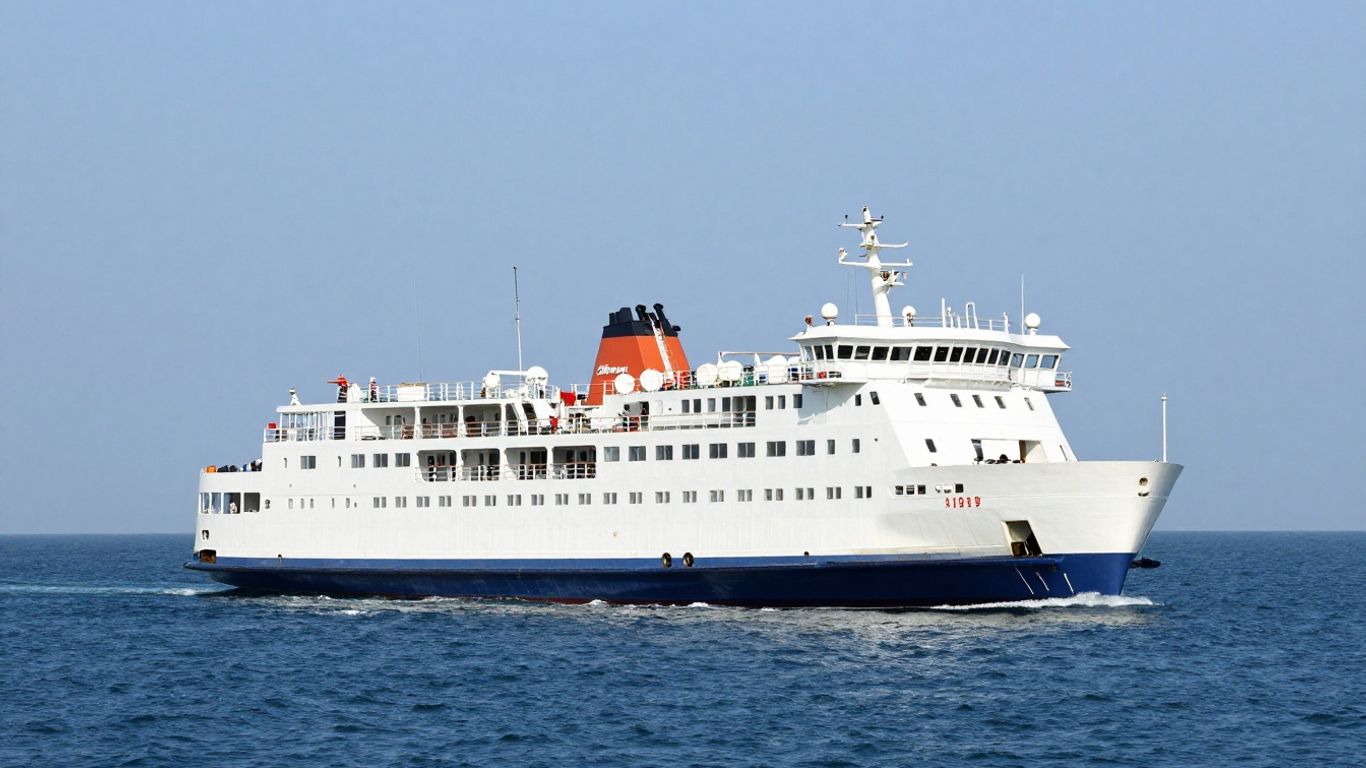
Right then, let’s talk about making your ferry trip from Calais to the UK as easy as possible. It’s not exactly rocket science, but a few pointers can make a big difference, especially if it’s your first time or you’re travelling with specific needs.
Travelling with Pets
Bringing your furry friend along? Most ferry companies have rules about pets. Usually, dogs have to stay in your vehicle during the crossing, or they might have designated pet-friendly lounges or kennels. Always check the specific policy of your chosen ferry operator well in advance, as requirements can vary quite a bit. You’ll also need to make sure your pet has the right paperwork, like a pet passport or health certificate, depending on where you’re coming from and going to.
- Confirm pet travel rules with your ferry company.
- Ensure all vaccinations and microchipping are up to date.
- Pack familiar items like their bed or favourite toy to help them settle.
Accessibility Information
If you or someone you’re travelling with has mobility issues or other accessibility needs, it’s worth getting in touch with the ferry company beforehand. They can often arrange assistance for boarding and disembarking, and many ships have accessible toilets and seating areas. It’s a good idea to mention any specific requirements when you book your ticket, so they can be prepared.
Planning ahead is key when it comes to accessibility. Don’t hesitate to call the ferry company’s customer service line to discuss your needs. They are usually very helpful and want to make your journey as comfortable as possible.
Dealing with Seasickness
Nobody likes feeling queasy, and the sea can be unpredictable. If you’re prone to seasickness, there are a few things you can do. Try to get some fresh air on the deck, focus on the horizon, and avoid reading or looking at screens. Over-the-counter travel sickness medication is widely available, and some people find acupressure bands helpful. Eating light, bland foods before and during the trip can also help. If you’re planning a trip and worried about potential disruptions, it’s wise to check ferry service updates before you set off.
If you’re thinking about your onward journey once you arrive in Dover, some travellers find it useful to look into car hire options in advance, especially if you’re not bringing your own vehicle.
So, That’s the Ferry Trip Sorted!
Right then, that covers the basics of getting your ferry from Calais to the UK. We’ve looked at when the ferries run and how to get your tickets sorted, plus a few bits of advice to make the journey smoother. It’s not exactly rocket science, but knowing the details helps avoid any last-minute panics. Whether you’re driving or just walking on, planning ahead really does make a difference. Enjoy your trip across the Channel!
Frequently Asked Questions
How long does the ferry trip from Calais to the UK actually take?
Most ferry journeys from Calais to the UK are quite quick, usually lasting around 90 minutes to a couple of hours. It’s a pretty speedy way to cross the Channel, much faster than you might think!
What’s the best way to get cheap ferry tickets from Calais?
To snag a good deal, try booking your ferry tickets in advance, especially if you’re travelling during busy periods like holidays or summer. Also, be flexible with your travel times – sailing during the week or at quieter times of the day can often save you money.
Do I need a passport to take the ferry from Calais to the UK?
Yes, absolutely. Even though it’s a short trip, you’ll need your valid passport to travel between France and the UK. Make sure it’s up-to-date before you book your journey!
What happens when I arrive at the UK port after the ferry?
Once you dock in the UK, you’ll usually disembark your vehicle. You’ll then go through passport control to get your documents checked. After that, you might go through customs, but it’s generally straightforward.
Can I take my pet on the ferry from Calais to the UK?
Yes, you can! Most ferry companies allow pets, but there are rules. You’ll need to make sure your pet has the right paperwork, like a pet passport, and they might need to travel in a specific area or kennel on the ship.
What should I bring with me on the ferry?
It’s a good idea to bring essentials like your travel documents, your phone charger, and maybe a book or some snacks for the journey. If you’re travelling with kids, bring things to keep them entertained. Don’t forget any medication you might need.