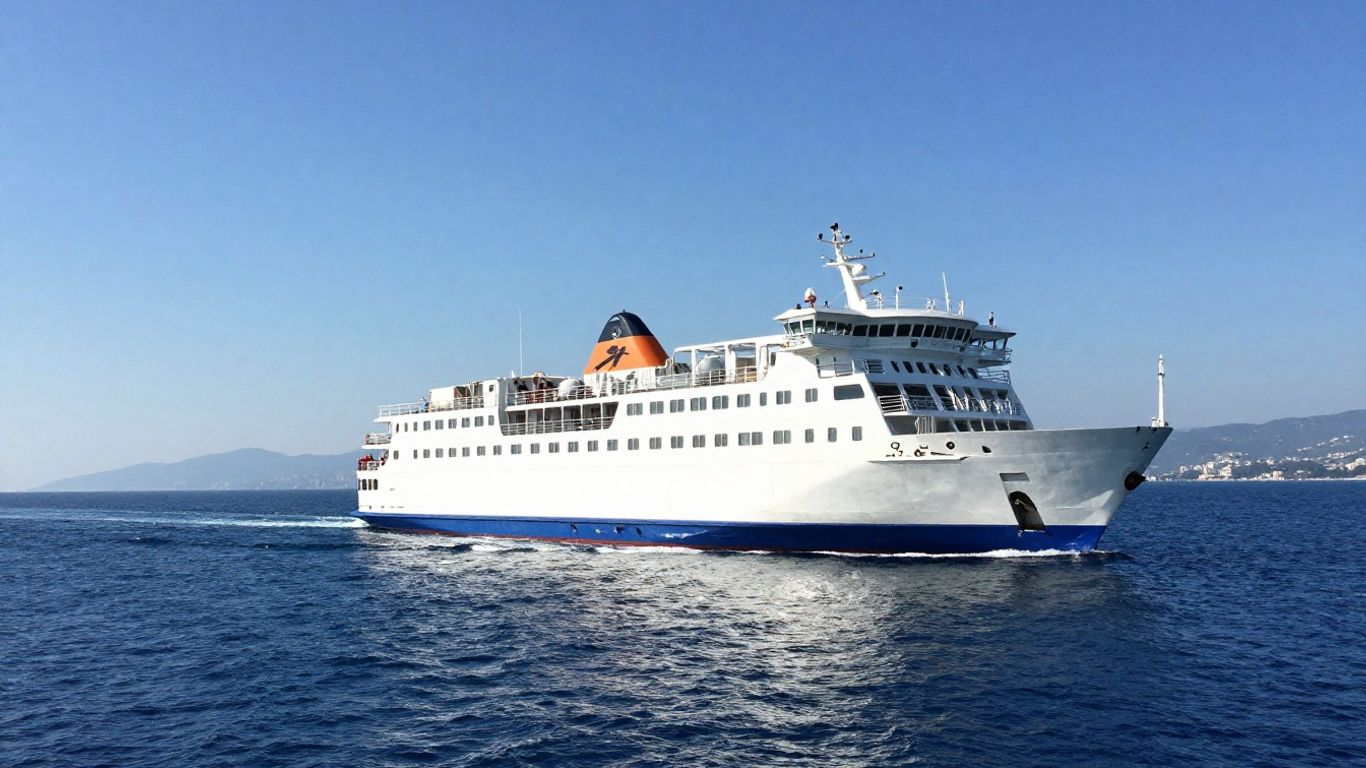
Thinking about hopping from Malta to Italy? A ferry trip is a pretty good way to do it. It’s not just about getting from A to B; it’s part of the holiday. You get to see the sea, relax a bit, and arrive in Italy ready to explore. This guide is here to help you sort out the ferry from Malta to Italy, making sure your journey goes smoothly. We’ll cover all the bits you need to know, from booking to what to do when you get there.
Key Takeaways
- Plan your ferry from Malta to Italy by picking the right route and booking tickets ahead of time, especially during busy periods.
- Check the ferry schedules and how long the journey takes, as this can vary between operators and destinations.
- Be aware of what’s on offer on the ferry, like food and seating, and know the rules for bringing a car or pets.
- Familiarise yourself with the port in Malta and where you’ll arrive in Italy, plus how to get to and from these places.
- Pack smart for the trip, think about seasickness remedies, and figure out how you’ll stay in touch while you’re at sea.
Planning Your Ferry from Malta to Italy
So, you’re thinking about hopping over to Italy from Malta by ferry? It’s a pretty straightforward trip, but like anything, a bit of planning goes a long way. You don’t want to get to the port and realise you’ve missed the boat, literally!
Choosing the Right Ferry Route
First things first, where are you actually going in Italy? The most common route from Malta heads over to Sicily. It’s important to know that there aren’t currently any direct ferries from Valletta to Palermo. Instead, most services depart from Pozzallo on the southern tip of Sicily. It’s a short hop across the Mediterranean, but knowing your destination port is key. You’ll want to check which Italian ports are served and pick the one that best suits your onward travel plans. Some routes might be more frequent than others, so that’s worth considering too.
Booking Your Ferry Tickets in Advance
My advice? Book your tickets ahead of time. Seriously, don’t leave it to the last minute. Especially if you’re travelling during peak season or on a weekend, tickets can sell out. You can usually book directly with the ferry company or through various online comparison sites. It’s often a good idea to look at different fare options; sometimes there are cheaper, less flexible tickets available if your plans are set in stone. For popular routes, booking ferry tickets in advance is definitely the way to go.
Understanding Ferry Schedules and Durations
Ferry schedules can change, so always double-check them closer to your travel date. They usually run daily, but the exact times can vary. The journey itself isn’t too long, especially to Sicily. You’re looking at a few hours, typically. It’s not like a transatlantic flight, thankfully! Make sure you know the departure and arrival times so you can plan your day accordingly. It’s also good to factor in time for check-in and getting to the terminal.
Remember to check the specific ferry operator’s website for the most up-to-date schedule information. Things can change, and you don’t want any surprises on travel day.
Here’s a rough idea of what to expect:
- Malta to Pozzallo, Sicily: This is the most common route. The journey time is usually around 1 hour and 45 minutes to 2 hours.
- Frequency: Ferries typically run multiple times a day, but this can vary depending on the season.
- Booking: Advance booking is highly recommended, especially during summer months.
So, a little bit of prep work will make your ferry trip from Malta to Italy much smoother. Happy travels!
Essential Information for the Ferry Journey
So, you’re all set for your ferry trip from Malta to Italy. It’s a pretty straightforward process, but knowing a few things beforehand can make all the difference. Let’s get into what you need to consider.
What to Expect Onboard
Ferries these days are more than just a way to get from A to B; many are quite comfortable. You’ll typically find seating areas, some with reclining chairs, and often a cafe or restaurant serving food and drinks. Some larger vessels might even have shops or entertainment areas. The journey itself can range from a few hours to overnight, depending on the route and ferry operator. It’s a good idea to check what facilities are available on your specific crossing when you book. Most ferries have restrooms, and you can usually move around the public areas during the voyage.
Bringing Your Vehicle on the Ferry
Taking your car or motorbike across the sea is a common option. When you book your ticket, you’ll need to specify the type and size of your vehicle. On arrival at the port, follow the signs for vehicle check-in. Staff will guide you on where to park your car on the ferry deck. It’s important to remember that you won’t have access to your vehicle during the crossing, so make sure you take everything you need with you into the passenger areas. You’ll need your vehicle’s registration documents and proof of insurance.
Pet Travel Policies
Travelling with your furry friends? Most ferry companies allow pets, but there are rules. You’ll usually need to declare your pet when booking and pay a small fee. Depending on the company and the length of the journey, pets might need to stay in your vehicle, in a designated pet kennel on the ferry, or sometimes in a pet-friendly cabin if you’ve booked one. Always check the specific pet travel policy of the ferry operator well in advance, as requirements can vary. Bringing their vaccination records and a lead is always a good idea.
It’s wise to pack a small bag with essentials for the journey, like medication, snacks, a book, and any entertainment for children. This way, you won’t need to disturb your vehicle if it’s parked below deck.
Here’s a quick rundown of what to have ready:
- Booking Confirmation: Have this easily accessible, either printed or on your phone.
- Identification: Valid passports or ID cards for all passengers.
- Vehicle Documents: If travelling with a car, ensure you have the logbook and insurance.
- Pet Documentation: If applicable, vaccination certificates and any required health documents.
Navigating Ports and Terminals
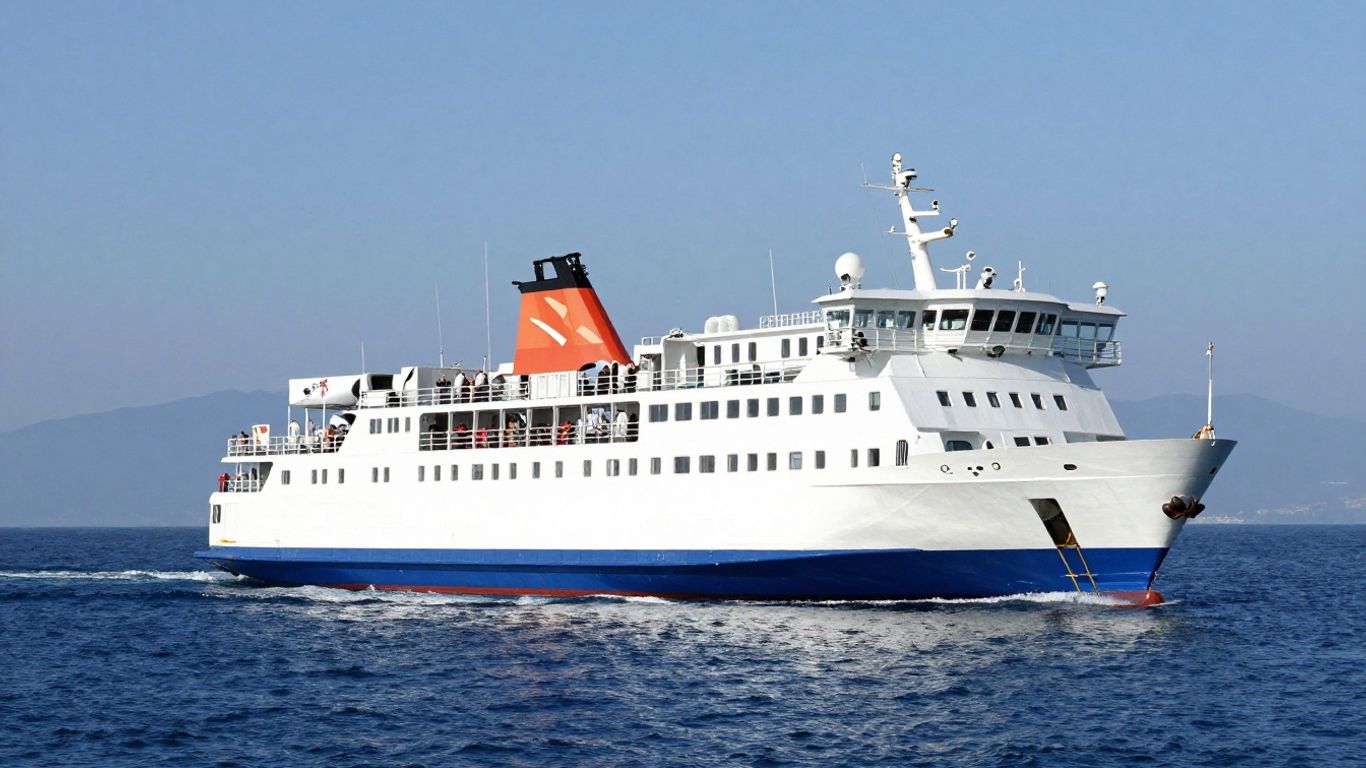
Getting to and from your ferry is a big part of the trip, and knowing what to expect at the ports makes things much smoother. It’s not just about the boat itself; the terminals are your gateway.
Malta’s Ferry Port Facilities
Malta’s main ferry port is located in Valletta, specifically at the Virtu Ferries terminal. It’s a modern facility, designed for passenger convenience. You’ll find places to grab a coffee or a snack before you board, and there are usually seating areas. Make sure you know exactly which terminal your ferry departs from, as there can sometimes be different operators using slightly different areas.
- Check-in: Arrive with plenty of time. For foot passengers, aiming for at least 90 minutes before departure is a good idea. This gives you time to get through any security checks and find your way to the departure gate without rushing.
- Facilities: Basic amenities like restrooms and waiting areas are available. Some terminals might have small shops selling travel essentials.
- Accessibility: If you have mobility issues, it’s worth checking with the ferry operator in advance about specific assistance they can provide.
Arrival Ports in Italy
Most ferries from Malta dock in Sicily, typically in Pozzallo. This is a fairly straightforward port, and from there, you’ll need to figure out your onward journey. Pozzallo is a smaller port compared to major international hubs, so don’t expect a huge array of services right on the doorstep. However, it’s well-connected enough to get you moving.
Getting from Pozzallo to other parts of Sicily, like Ragusa or Modica, is usually done by bus or taxi. There are usually bus services waiting near the port, especially when a ferry has just arrived. It’s a good idea to have some Euros in cash for these local transport options.
Getting to and From the Terminals
In Malta, the Valletta ferry terminal is quite central. If you’re staying in the Three Cities or other nearby areas, you might even be able to walk. Otherwise, taxis are readily available, and public buses also serve the area. For the return journey, or if you’re arriving in Pozzallo, you’ll want to have a plan. Researching bus schedules or pre-booking a taxi service for arrival in Italy can save you a lot of hassle. For example, if your ferry arrives late, local transport options might be limited, so planning ahead is key. You can find information on ferry services to Valletta to help you understand the routes.
Making the Most of Your Italian Adventure
So, you’ve made it across the Mediterranean and landed in Italy, likely Sicily first. What now? This is where the real fun begins! Italy is a country that just begs to be explored, and arriving by ferry gives you a fantastic starting point.
Exploring Sicily After Your Ferry
Sicily is a world unto itself, a place with a history as rich and layered as its famous pastries. Depending on where your ferry docks – usually Pozzallo or Catania – you’ll find yourself in a region with distinct charms. If you arrive in Pozzallo, you’re in the southeast, close to beautiful Baroque towns like Modica and Ragusa, famous for their chocolate and architecture. Catania, on the other hand, is a bustling city at the foot of Mount Etna, offering a vibrant street life and easy access to the volcano itself. Don’t underestimate the sheer variety Sicily offers; it’s like a mini-continent.
Here are a few ideas to get you started:
- Sample the local cuisine: From arancini to cannoli, Sicilian food is a highlight. Seek out local trattorias for an authentic taste.
- Visit historical sites: Explore ancient Greek ruins in Agrigento or the Roman mosaics at Villa Romana del Casale.
- Relax on the beaches: Sicily boasts some stunning coastlines, perfect for a day of sun and sea.
Further Travel Within Italy
Once you’ve had your fill of Sicily, the rest of Italy awaits. The ferry is a great way to start your Italian journey, but don’t stop there! From Sicily, you have several options for continuing your travels. You can take another ferry to the mainland, perhaps to Naples or Salerno, or you can fly from one of Sicily’s airports. If you’re planning to explore the mainland, consider the train system. It’s generally quite efficient and a scenic way to see the country. Booking train tickets in advance, especially for longer journeys, can save you money and guarantee a seat. Remember that Italy has a fantastic rail network connecting most major cities and many smaller towns, making it easy to travel around the country.
Local Customs and Etiquette
Understanding a few local customs can make your interactions smoother and more enjoyable. Italians are generally warm and welcoming, but there are a few things to keep in mind.
- Greetings: A handshake is common when meeting someone for the first time. When greeting friends or family, a kiss on each cheek is usual.
- Dining: Meals are often a social affair. It’s polite to wait for your host to start eating. Tipping isn’t as expected as in some other countries; a small amount for excellent service is appreciated, but often a ‘coperto’ (cover charge) is already included.
- Pace of life: Especially in the south, life can move at a more relaxed pace. Be patient, and try to embrace it.
Italians take pride in their regional differences. What’s true for Rome might not be true for Naples, and certainly not for Sicily. Be open to these variations; they’re part of what makes Italy so fascinating.
Tips for a Smooth Ferry Crossing
So, you’re heading from Malta to Italy by ferry. Brilliant! It’s a pretty relaxed way to travel, but a little bit of prep goes a long way to making sure it’s all smooth sailing. Let’s get into it.
Packing Essentials for the Voyage
Think about what you’ll need during the journey itself, not just for when you arrive. It’s easy to get caught out if you’ve stowed your main luggage away. Definitely pack a small day bag with:
- Your travel documents: Passport, tickets, any booking confirmations. Keep these handy.
- Entertainment: A good book, downloaded podcasts, or a fully charged tablet. The journey can be a nice chance to switch off, but sometimes you just need a distraction.
- Snacks and drinks: While there are usually places to buy food, having your own can save you a bit of money and means you’ve got something you actually fancy.
- Comfort items: A neck pillow, a light blanket, or even just a warm jumper can make a big difference, especially if the air conditioning is a bit brisk.
- Medication: Any personal medicines you might need, plus anything for potential travel sickness.
It’s a good idea to pack a separate bag with these items that you can keep with you in your cabin or on the passenger deck. This way, you won’t have to go rummaging through your main luggage if you need something.
Dealing with Seasickness
Even on relatively calm seas, some people can feel a bit queasy. It’s not the end of the world, but it can certainly spoil your trip. If you’re prone to it, there are a few things you can do. Over-the-counter travel sickness tablets are widely available, and many people find them very effective. It’s best to take them before you feel sick, though, so plan ahead. Looking out at the horizon can help, as can getting some fresh air on the deck. Avoid reading or looking at screens for too long if you start to feel unwell. Some people swear by acupressure bands, which you can find in most pharmacies.
Remember that ferry companies often have specific procedures for travelling with pets, so check these well in advance to avoid any last-minute surprises. It’s usually a good idea to book pet spaces at the same time as your own ticket.
Staying Connected During the Journey
Want to let people know you’ve arrived safely or just catch up on social media? Most ferries offer Wi-Fi, but it’s not always free or super-fast. It’s worth checking with the ferry operator beforehand what their Wi-Fi policy is. Sometimes, the signal can be a bit patchy when you’re out at sea, so don’t rely on it for anything super important. Mobile phone reception can also be spotty. Consider downloading anything you need – like maps or entertainment – before you set sail. It’s also a good opportunity to disconnect for a bit, which can be quite nice, honestly.
So, That’s the Ferry Trip!
Right then, so that’s pretty much the lowdown on hopping on a ferry from Malta to Italy. It’s not exactly a quick hop, is it? But it’s a proper way to travel, seeing the sea and all that. Just remember to book ahead, especially if you’re taking a car, and pack a bit of patience for the journey. It’s a good way to get to Italy without the hassle of flying, and you get to start your Italian adventure right from the port. Enjoy the ride!
Frequently Asked Questions
How long does the ferry trip from Malta to Italy usually take?
The journey time can change depending on the specific route and ferry company you pick. Some faster ferries might take around 3 hours, while others could be a bit longer, maybe up to 8 hours, especially if they make stops along the way. It’s always a good idea to check the schedule when you book.
Can I take my car or motorbike on the ferry?
Yes, most ferries that travel between Malta and Italy allow you to bring your vehicle. You’ll need to tell them you’re bringing a car or motorbike when you book your ticket, as there’s usually a separate charge for it. Make sure to arrive at the port a bit earlier if you’re travelling with a vehicle.
Is it possible to take my pet on the ferry?
Generally, yes, you can bring your furry friends along! However, each ferry company has its own rules. Some might require your pet to stay in a special cabin or a designated area on the deck. It’s really important to check the pet policy of the ferry you’re planning to use before you travel and book their spot too.
What should I do if I get seasick during the journey?
Don’t worry, seasickness is quite common! The best things to do are to stay on deck in the fresh air, look at the horizon, and avoid reading or looking at screens. Eating light snacks like crackers and drinking plenty of water can also help. You can also buy medication for seasickness at most pharmacies before you leave.
Do I need to book my ferry tickets in advance?
It’s highly recommended to book your tickets ahead of time, especially if you’re travelling during busy periods like holidays or summer. Booking early often means you’ll get better prices and ensure you have a spot on the ferry, as they can fill up quickly. You can usually book online through the ferry company’s website.
What facilities are usually available on the ferries?
Most ferries are quite well-equipped for the journey. You’ll typically find places to sit, toilets, and often cafes or restaurants where you can buy food and drinks. Some larger ferries might also have shops or entertainment areas. It varies, so check with the specific ferry operator for details.