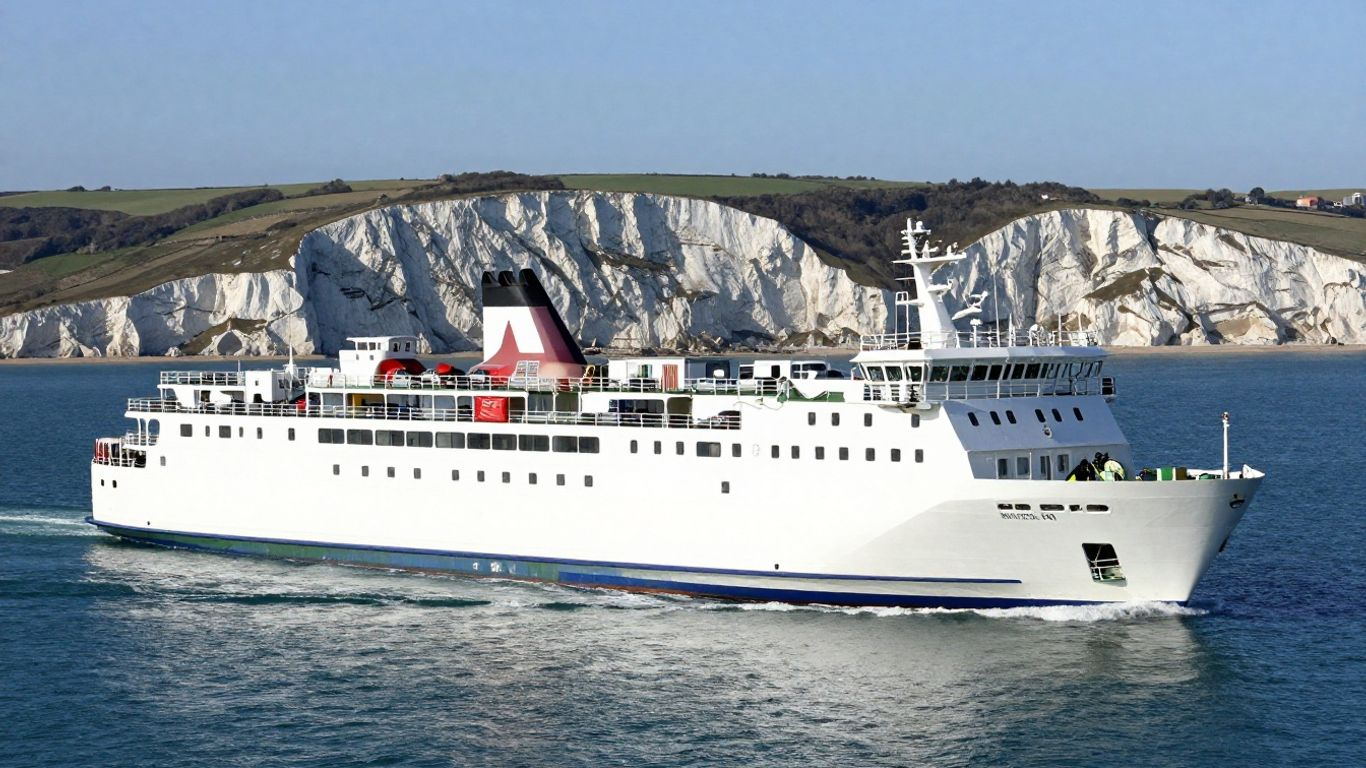
Thinking about driving to Germany from the UK? It sounds like a big trip, but taking the ferry can actually be a pretty good way to go. You get to take your car, avoid the hassle of flying, and see a bit of the sea along the way. This guide will walk you through all the bits and bobs you need to sort out for your ferry to Germany from UK journey, from picking your route to what to do when you get there. It’s not as complicated as it might seem at first, honestly.
Key Takeaways
- When planning your ferry to Germany from UK trip, look at direct routes or consider indirect options through nearby countries like the Netherlands or France.
- Book your ferry tickets in advance, especially during peak times, and compare prices and what’s included with different operators.
- Make sure you have all your travel documents ready, pack appropriately for the sea journey, and check your vehicle before you leave.
- Familiarise yourself with the onboard facilities, such as cabins for resting and places to eat, to make your time at sea more comfortable.
- Understand the disembarkation process and how to get around once you arrive at a German port to continue your travels inland smoothly.
Choosing Your Ferry to Germany from UK Route
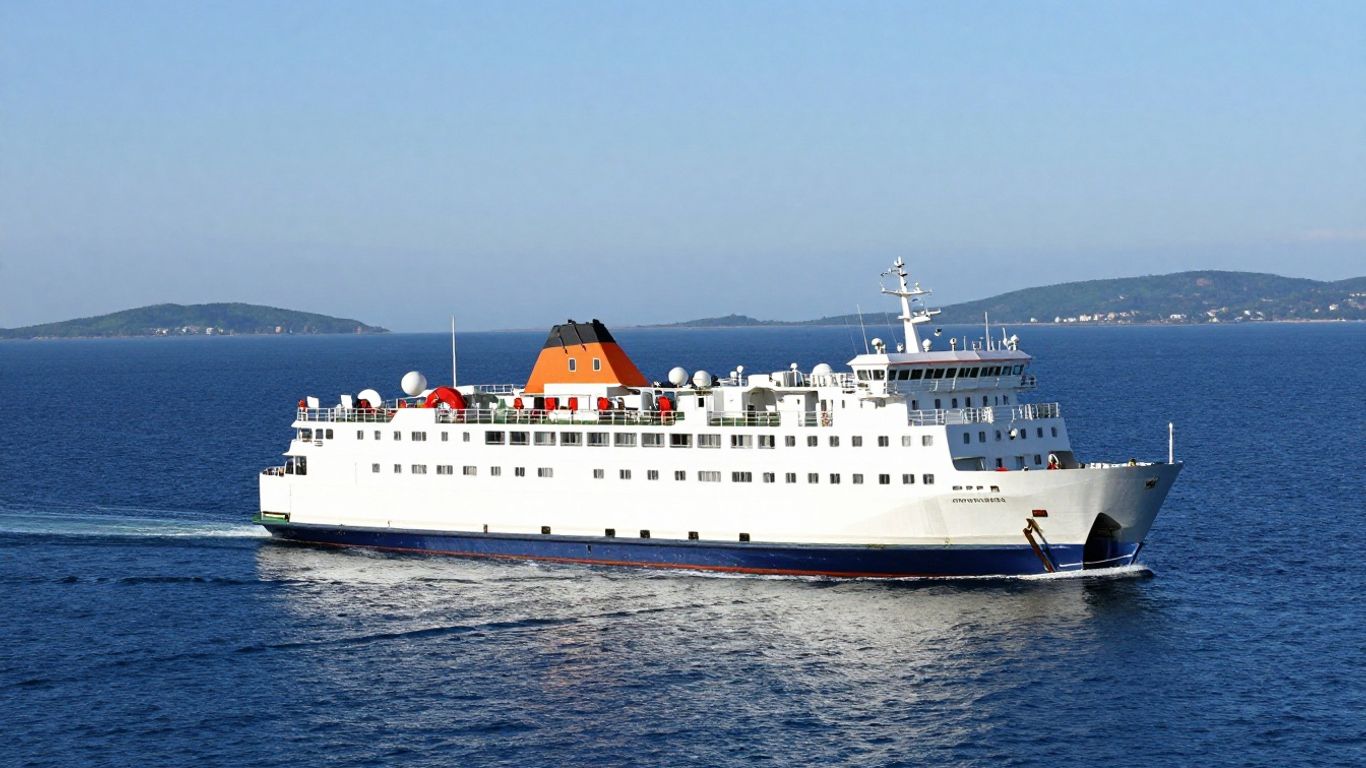
So, you’re thinking about taking a ferry to Germany from the UK? It’s a pretty solid choice, especially if you’ve got a car or just fancy a bit of a sea voyage rather than being crammed into a plane. But where do you actually go? It’s not quite as straightforward as hopping on a ferry to France, but it’s definitely doable.
Direct Crossings to German Ports
Honestly, direct ferries from the UK straight to Germany aren’t really a thing anymore. The days of hopping on a boat from, say, Harwich and waking up in Hamburg are long gone. This means you’ll need to be a bit more creative with your route. It’s a shame, but that’s just how the ferry routes have shaken out over the years. You might find the odd special service now and then, but for regular travel, don’t count on it.
Indirect Routes via the Netherlands or France
This is where most people end up. The most common way is to take a ferry from the UK to a port in the Netherlands, like Rotterdam or Hook of Holland. From there, it’s a relatively short drive into Germany. Some people also opt for the classic Dover to Calais crossing, then drive through France and Belgium. It adds a bit of time to your journey, but it gives you flexibility. You can even break up the drive with an overnight stop in one of the countries. For example, the Dover to Calais ferry is a well-trodden path and a good starting point if you’re considering this indirect approach.
Considering Ferry Length and Schedule
When you’re looking at routes via the Netherlands or France, the ferry journey itself can vary quite a bit. Some are overnight trips, which can be quite nice – you get a cabin, have dinner, and wake up ready to drive. Others are shorter, daytime crossings. You’ll want to check the schedules carefully. Operators like Stena Line and P&O Ferries run services to the Netherlands, and their timetables are usually pretty frequent, especially during peak times. It’s worth comparing the different operators not just on price, but on the times they sail and how long the crossing takes. You don’t want to arrive at midnight if you’re planning to drive straight to your German destination.
Remember that while direct routes to Germany are rare, the indirect options are well-established and offer a good travel experience. Planning your route via the Netherlands or France is the most practical way to reach Germany by ferry from the UK.
It’s also worth noting that some ferry companies might offer routes to ports that are very close to the German border, even if they aren’t technically in Germany. For instance, there are routes to ports in northern France that could position you well for a drive into western Germany. Always check the final destination port and the driving distance from there. You might even find yourself looking at routes to ports like Kiel, though these are often from further afield like Scandinavia, not directly from the UK. You can find information on ferry routes to Kiel if you’re exploring less common options.
Booking Your Ferry Ticket
Right then, let’s talk about actually getting your ferry booked. It sounds simple enough, but there are a few bits and bobs to think about to make sure you get the best deal and avoid any last-minute panics. Getting this sorted early is usually the best plan.
When to Book Your Ferry to Germany
Honestly, the earlier the better, especially if you’re planning to travel during peak times like school holidays or bank holidays. Prices tend to creep up the closer you get to your departure date. I’ve found that booking a few months in advance can make a big difference to the cost. For example, if you’re looking at a summer trip, try to book by late spring. It’s not always possible, of course, but it’s worth keeping in mind.
- Peak Season (Summer, Christmas, Easter): Book at least 3-6 months ahead.
- Off-Peak Season (Spring, Autumn, Winter): Booking 1-3 months ahead is often sufficient.
- Last Minute: Possible, but expect higher prices and less choice.
Understanding Ticket Options and Inclusions
When you’re looking at different ferry companies, you’ll see a few different ticket types. Most standard tickets will cover your passage across the water, and if you’re taking a car, that’s included too. But pay attention to what else might be on offer. Some tickets might include meals, or perhaps a cabin if it’s an overnight sailing. It’s worth checking if you need to add things like pet travel or extra luggage, as these can sometimes be an additional cost. You can easily and securely book cheap ferry tickets to Germany online with Aferry.com [310e].
Always double-check what’s included in your ticket price before you confirm the booking. Sometimes the cheapest option might not have everything you need, and adding extras later can end up costing more than booking a slightly more expensive ticket initially.
Comparing Ferry Operators for Value
There are a few different ferry companies that operate routes that can get you to Germany, or at least close enough. Don’t just go with the first one you see. Take a moment to compare them. Look at:
- Price: Obviously, this is a big one. See who offers the best fare for your dates.
- Sailing Times: Do their departure and arrival times fit your schedule?
- Onboard Facilities: If you’re on a longer crossing, what’s available onboard? Some have more restaurants or entertainment than others.
- Route: Even if it’s not a direct route to Germany, a slightly longer journey via France or the Netherlands might be cheaper or more convenient depending on where you’re starting from.
It’s a bit like comparing flights; a little bit of research can save you a decent amount of money and make your journey much more pleasant. Remember to check if you’re travelling as a foot passenger or with a vehicle, as this can affect pricing and booking procedures [55db].
Preparing for Your Ferry Journey
Right then, you’ve booked your ferry to Germany, which is brilliant! But before you get too excited about bratwurst and autobahns, there are a few bits and bobs to sort out to make sure your trip goes smoothly. It’s not exactly rocket science, but a bit of prep goes a long way.
Essential Documentation for Travel
First things first, let’s talk about what you need to actually get on the ferry and into Germany. Your passport is the main thing, obviously. Make sure it’s valid for at least six months beyond your stay – that’s a common rule for many countries, not just Germany. You’ll also need your ferry booking confirmation, so have that handy, either printed or on your phone. If you’re taking your car, you’ll need your V5C (that’s your car’s log book) and proof of insurance that covers you for driving in Europe. Don’t forget your driving licence either!
- Passport (check expiry date!)
- Ferry booking confirmation
- Driving licence
- Vehicle registration document (V5C)
- Proof of vehicle insurance for Europe
- Any necessary visas (though usually not needed for short UK tourist trips to Germany)
It’s always a good idea to have digital and physical copies of all your important documents. Things can go wrong, and having a backup means you won’t be stuck.
Packing for Your Sea Voyage
Packing for a ferry trip is a bit different from a quick flight. You’ve got more space, which is great, but you still don’t want to be lugging loads of stuff around the ship. Think layers, especially if you’re travelling outside of peak summer. The sea air can be surprisingly chilly, even on a sunny day. Comfortable shoes are a must – you’ll be doing a bit of walking around the port and on the ship. Don’t forget any medications you might need, and maybe a good book or some downloaded films for the crossing itself. If you’re travelling with kids, pack plenty of distractions!
Vehicle Checks Before Departure
Before you even think about driving to the port, give your car a once-over. It’s a long drive to Germany, and the last thing you want is a breakdown. Check your tyre pressures – they can change with temperature and load. Top up your screenwash, especially if you’re travelling in a season where you might hit bugs or dirt. Make sure your lights are all working correctly. It’s also worth checking your oil and coolant levels. You might also need to carry specific safety equipment depending on the country, like a high-visibility jacket and a warning triangle, so check the latest requirements for driving in Germany. A quick check of your car’s insurance documents to confirm EU travel coverage is also wise.
Onboard Experience and Amenities
So, you’ve booked your ferry to Germany and now you’re wondering what it’s actually like on the boat. Well, it’s not just about staring at the sea for hours, thankfully! Most ferries these days are pretty well-equipped to keep you comfortable and entertained during your trip across the Channel and beyond.
Cabin Accommodation and Rest
If you’re on a longer crossing, or just fancy a bit of privacy, booking a cabin is a good idea. These can range from basic spots to sleep to more comfortable rooms with en-suite bathrooms. It’s definitely worth checking what’s included when you book, as some cabins might just be a bunk, while others have a proper bed and a small seating area. For overnight journeys, a cabin makes a huge difference to how refreshed you feel when you arrive. If you’re not booking a cabin, there are usually plenty of reclining seats available in communal areas, though these can get snapped up quickly on busy sailings.
Dining and Refreshment Options
Don’t worry about going hungry! Ferries typically have a range of places to eat. You’ll usually find a main restaurant serving hot meals – think traditional pub grub or buffet-style options. There’s also often a cafe or bistro for lighter bites like sandwiches and pastries. And of course, there’s always a bar where you can grab a drink and watch the world go by. Some operators, like P&O Ferries, even have special lounges if you’re looking for something a bit more exclusive.
Entertainment and Facilities at Sea
What you can do onboard really depends on the ferry company and the specific ship. Many have shops selling everything from holiday essentials to souvenirs. You might find play areas for kids, which is a lifesaver for parents. Some larger ferries even have cinemas or live entertainment in the evenings. For those who need to stay connected, Wi-Fi is usually available, though it can sometimes be a bit patchy out at sea. You’ll also find places to just sit and relax, maybe with a book or just enjoying the view. The facilities on DFDS ferries are designed to make your journey pleasant.
It’s a good idea to have a look at the ferry operator’s website before you travel. They usually have a breakdown of what facilities are available on the specific route you’re taking. This way, you can manage your expectations and plan your time onboard.
Here’s a quick rundown of what you might find:
- Shops
- Children’s play areas
- Restaurants and cafes
- Bars
- Lounges
- Sometimes cinemas or entertainment
- Wi-Fi (check availability and cost)
Arriving in Germany by Ferry
So, you’ve made it across the waves and the German coastline is in sight. What happens next? Disembarking is usually pretty straightforward, but there are a few things to keep in mind to make the process as smooth as possible.
Disembarkation Procedures
Once the ferry docks, you’ll typically hear announcements guiding passengers. If you’re travelling with a vehicle, you’ll usually be directed to drive off in a specific order, often based on deck level or destination. For foot passengers, it’s generally a case of following the signs to the terminal building. Don’t rush off the ship; wait for the all-clear. It’s a good idea to have your travel documents handy, as border control might be the first point of contact, especially if you haven’t had them checked onboard.
Navigating German Ports
German ports can be quite large, so familiarise yourself with the layout as you approach. Most major ports, like Kiel or Rostock, have clear signage directing you towards onward travel options. You’ll find information desks, currency exchange, and sometimes car hire facilities right there in the terminal. If you’re meeting someone, make sure you have a clear meeting point arranged beforehand. For those heading straight out, look for signs indicating train stations or bus stops. You can often check live ferry schedules on the DFDS website to get an idea of arrival times.
Continuing Your Journey Inland
Once you’re through the port, your German adventure truly begins. Public transport links from major ferry ports are generally good. Trains are a popular and efficient way to travel across Germany, and stations are usually well-connected to the ferry terminals. If you’ve brought your car, you’ll simply follow the signs out of the port area and onto the German road network. Remember that Germany has strict rules about vehicle emissions in certain city centres, so be aware of any required environmental stickers if you plan on driving into towns. It’s also worth noting that while many ferry routes are direct, some might involve a stop in the Netherlands or France, so your disembarkation point might differ slightly depending on your specific crossing.
Be prepared for potential queues at passport control, especially during peak travel times. Having all your documents ready will save you and others a lot of hassle.
So, That’s the Ferry Trip Sorted!
Right then, so we’ve gone through all the bits and bobs about getting your car on a ferry from the UK to Germany. It’s not as tricky as it might sound at first, is it? Just remember to book ahead, especially if you’re travelling in peak times, and have your paperwork ready. It’s a decent way to travel, really, letting you avoid the hassle of airports and giving you your own wheels as soon as you land. Enjoy the journey and your time in Germany!
Frequently Asked Questions
Can I get a ferry straight from the UK to Germany?
While direct ferries from the UK to Germany used to be more common, they are quite rare nowadays. Most travellers find themselves taking a ferry to a nearby country like France or the Netherlands and then driving or taking a train to Germany. It’s worth checking with ferry companies, but be prepared for a slightly longer journey.
How long does the ferry journey usually take?
The length of the ferry trip can vary a lot. If you go direct, it might be overnight. If you’re going via France or the Netherlands, you’ll have shorter ferry rides, but then you’ll need to add the time it takes to travel through those countries to reach Germany. Some crossings can take up to 24 hours or more depending on the route and the ferry’s speed.
When is the best time to book my ferry ticket?
It’s a good idea to book your ferry tickets as early as possible, especially if you’re planning to travel during busy times like school holidays or summer. Booking in advance often means you’ll get better prices and a wider choice of times and cabins. Last-minute bookings can be much more expensive.
What should I bring with me on the ferry?
Make sure you have your passport and any other travel documents ready. For the journey itself, pack comfortable clothes, any necessary medications, and perhaps a book or some entertainment. If you’re taking a car, don’t forget your driving licence and vehicle insurance documents. It can get a bit chilly on the sea, so a jumper is a good idea too.
What can I do on the ferry?
Ferries are like mini-cruises! You can usually find places to eat, like restaurants or cafes, and sometimes even bars. Many ferries have shops where you can buy souvenirs or snacks. Some larger ferries also have play areas for kids, lounges to relax in, and even cinemas or entertainment shows. You can also just enjoy the sea views from the deck.
What happens when I arrive in Germany?
Once the ferry docks, you’ll follow signs to disembark. If you’re travelling with a car, you’ll drive off the ferry. You might go through passport control, depending on the route. After leaving the port, you’ll find signs to help you get onto the main roads to continue your journey into Germany. Ports usually have information desks if you need help.